
U1.21 — The Use of Technologies to Facilitate Promotional Activities
Overview
Dotpoint 21: the use of technologies to facilitate promotional activities, including: online advertising, social media, mobile applications, e-newsletters and e-commerce
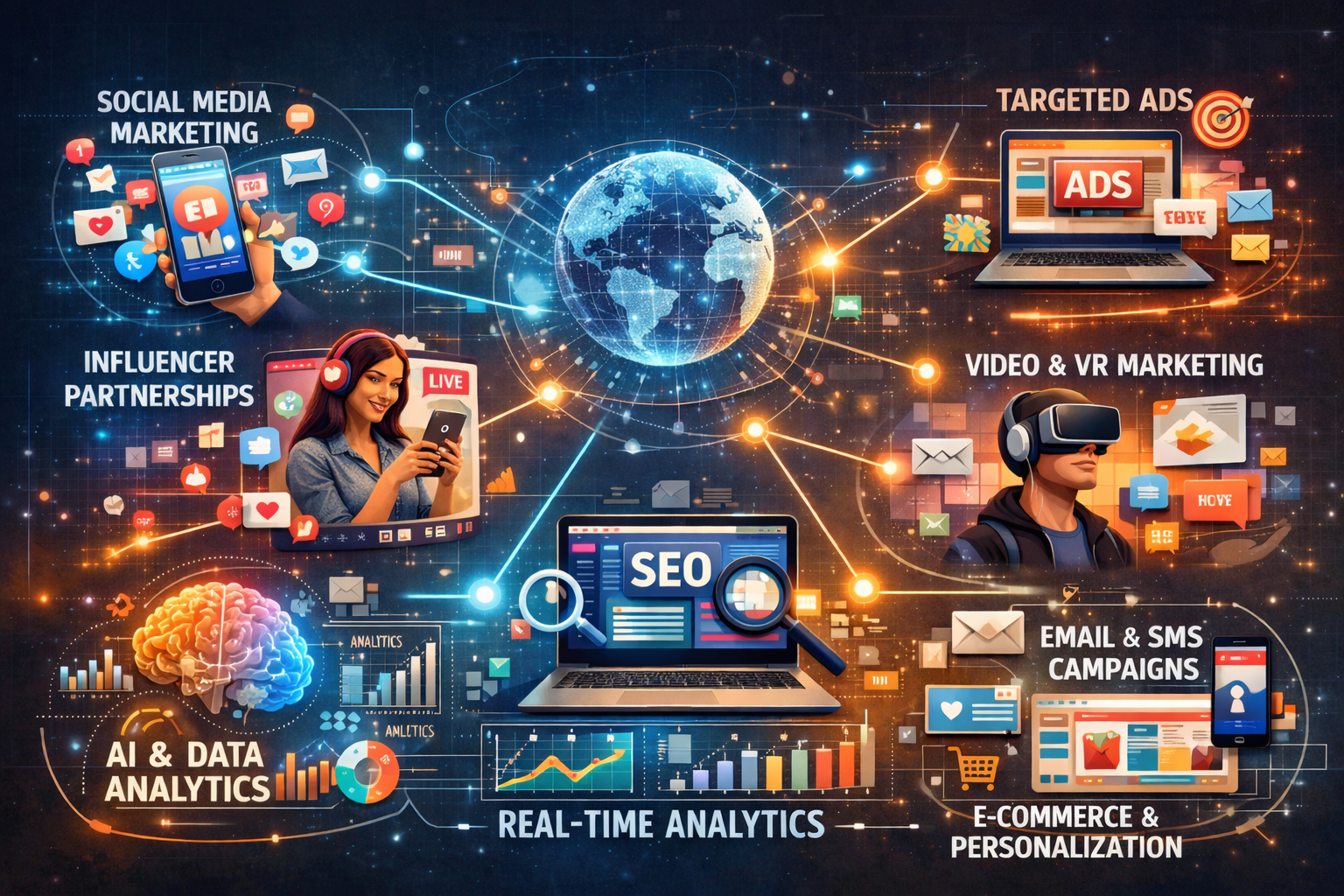
Technology has transformed how businesses promote their products and services. Instead of relying only on traditional mass media, businesses now use digital tools to target specific customers, personalise messages and track results instantly.
This makes promotion more efficient, flexible and cost-effective — helping businesses reach the right audience at the right time. Today, digital promotion is a key part of modern marketing.
Key technologies used to facilitate promotional activities include:
- Online advertising
- Social media
- Mobile applications
- E-newsletters
- E-commerce platforms
💻 Online Advertising
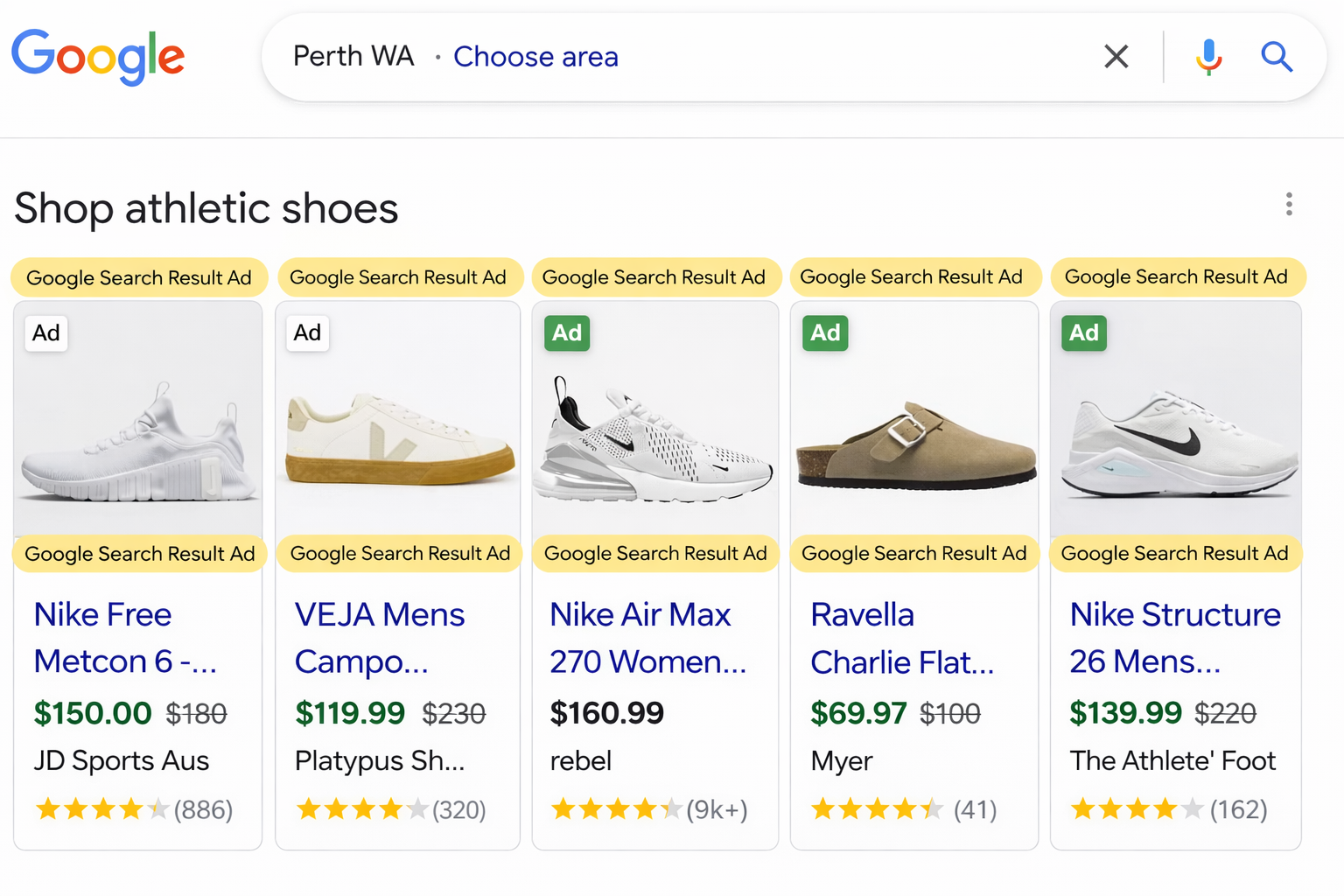
Online advertising involves paid promotions displayed on websites, search engines, apps, and video platforms.
Common forms include:
- Search engine ads (e.g. Google search results)
- Display banner ads on websites
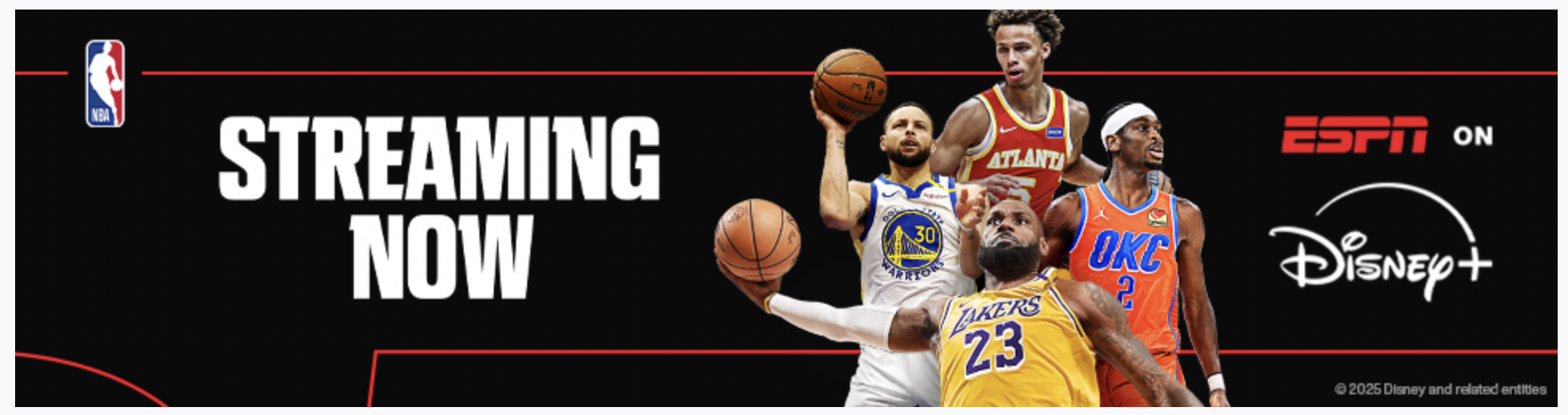
- Video ads on streaming and social platforms
- Retargeting ads shown to users who have visited a website before
Modern online advertising uses data, algorithms, and artificial intelligence to target users based on:
- Search history
- Location
- Age and interests
- Past online behaviour
Examples
- Local services: a Perth electrician paying for Google Ads so the business appears when people search “electrician Perth”.
- Events: RAC Arena promoting concerts using YouTube pre-roll ads targeted to WA audiences.
- Tourism: Rottnest Express using retargeting ads to reach people who viewed ferry times but didn’t book.
Advantages
- Highly targeted and measurable
- Ads can be adjusted instantly
- Cheaper than traditional mass media
Limitations
- Can be ignored or blocked by users
- High competition for keywords increases costs
📱 Social Media
Social media platforms are used to promote through both paid advertising and organic content (unpaid posts).
Businesses promote via:
- Sponsored posts and stories
- Short-form videos (reels, shorts)
- Influencer partnerships
- Interactive content (polls, comments, giveaways)
Modern promotion relies heavily on algorithms, which prioritise engaging content rather than just follower numbers.
Examples
- Food & beverage: Cottesloe Hotel using Instagram reels to promote weekly specials and events.
- Tourism/venues: Elizabeth Quay and Kings Park content shared widely through TikTok and Instagram location tags.
- Retail: Westfield Carousel stores running Meta ads targeted to people nearby.
Advantages
- Builds brand awareness and engagement
- Encourages word-of-mouth sharing
- Low cost compared to traditional advertising
Limitations
- Requires constant content creation
- Algorithm changes can reduce reach
- Negative comments can damage brand image


📲 Mobile Applications
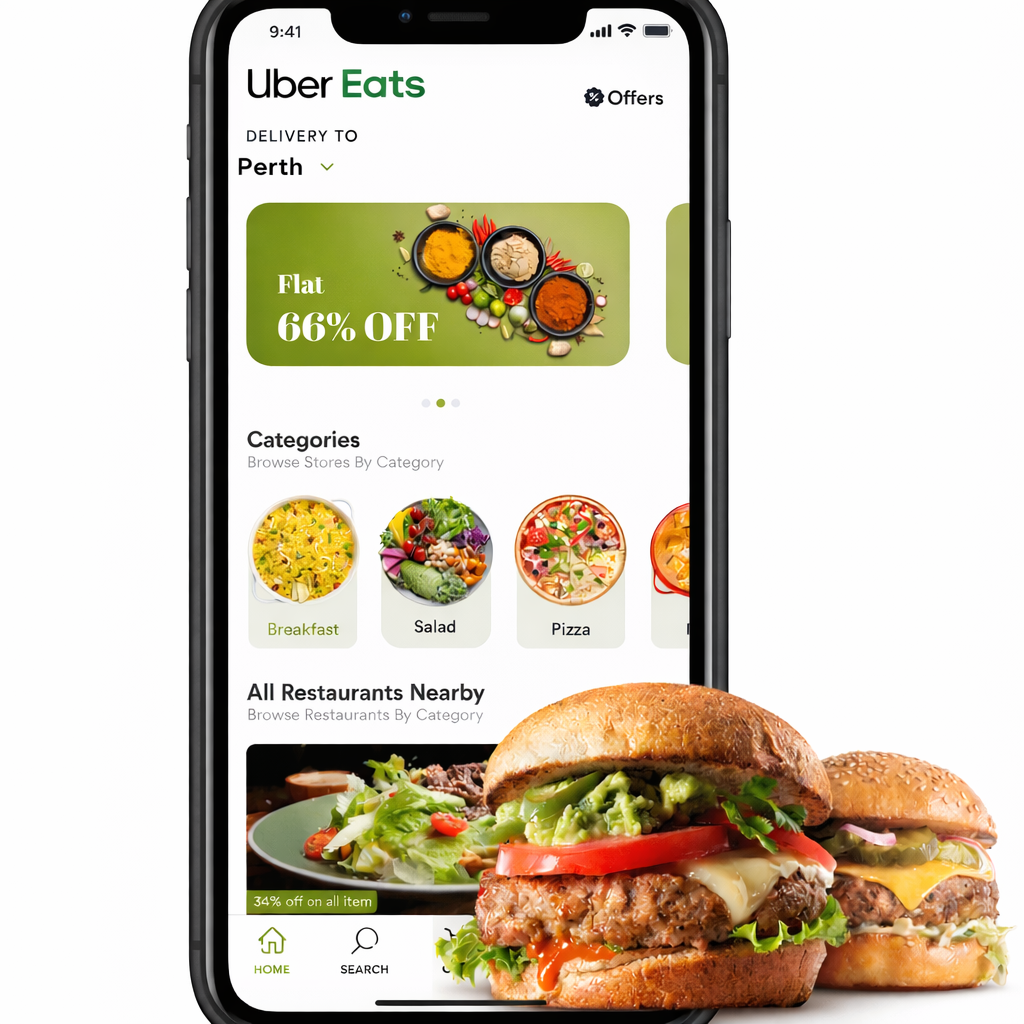
Mobile applications allow businesses to promote directly to customers who have installed the app on their phone.
Promotional tools within apps include:
- Push notifications (sales, reminders, offers)
- In-app discounts and rewards
- Personalised promotions based on user behaviour
- Loyalty tracking and digital memberships
Apps increasingly use customer data and AI to personalise offers in real time.
Examples
- Supermarkets: Woolworths Rewards and Coles apps sending personalised specials based on past shopping.
- Fast food: app-only deals and reward points encouraging repeat orders through the app.
- Fitness: gym and studio apps promoting class times, challenges, and membership upgrades.
Advantages
- Direct communication with customers
- Strong personalisation
- Encourages repeat engagement
Limitations
- High development and maintenance costs
- Customers may disable notifications or delete the app
✉️ E-Newsletters
E-newsletters are promotional emails sent directly to customers who have opted in.
Modern e-newsletters use:
- Automated email systems
- Personalisation (name, past purchases)
- Behaviour-based triggers (abandoned carts, birthdays)
- Analytics to track open and click-through rates
Examples
- Tourism: Rottnest Island Authority promoting seasonal events and updates through email sign-ups.
- Retail: local Perth retailers emailing new arrivals and weekend sale codes.
- Hospitality: restaurants sending booking reminders and specials to past customers.
Advantages
- Very low cost
- Highly targeted audience
- Easy to measure effectiveness
Limitations
- Emails may be ignored or marked as spam
- Overuse can annoy customers

🛒 E-Commerce
E-commerce platforms allow businesses to promote and sell online through websites and apps.
Promotion within e-commerce includes:
- Featured products and bundles
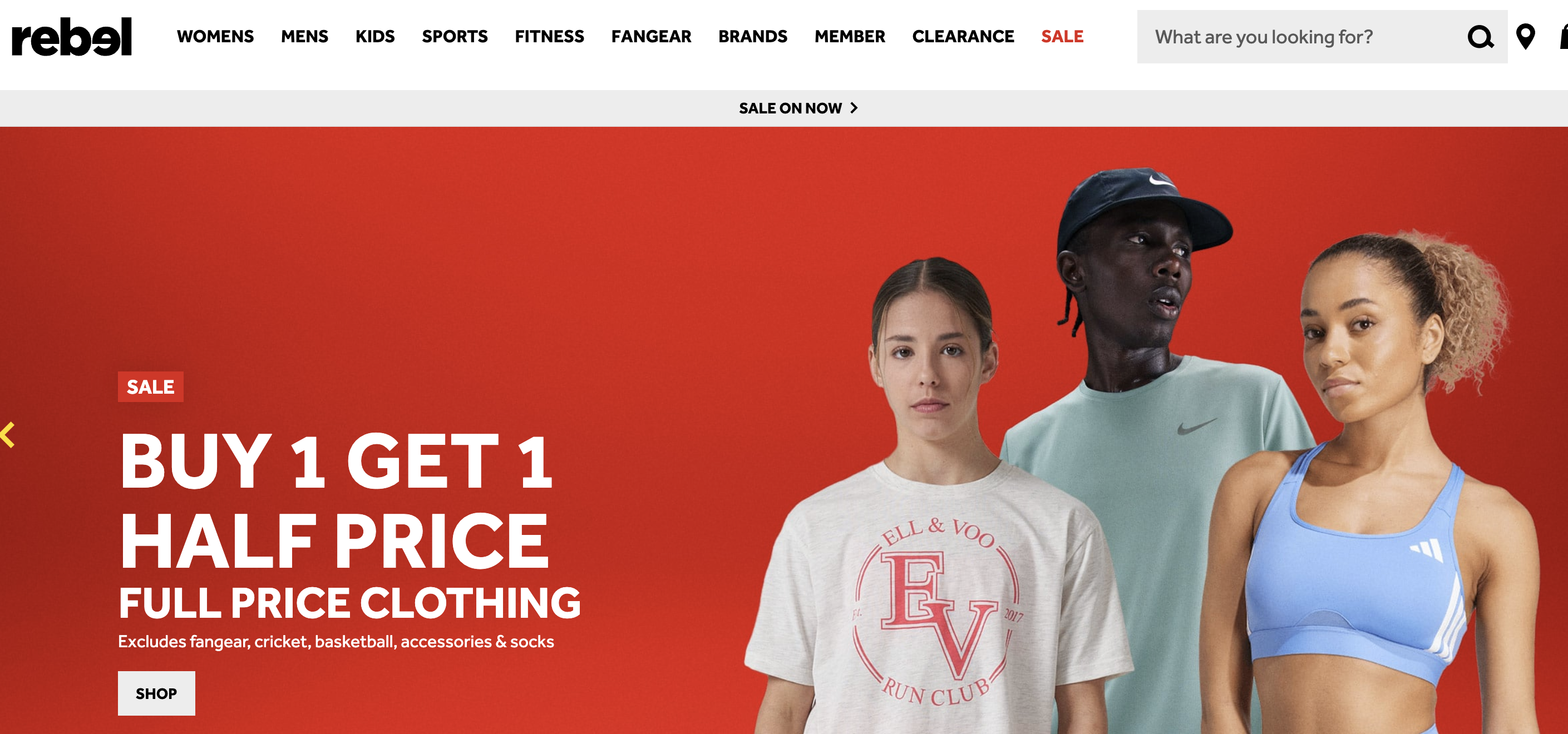
- Limited-time offers and countdowns
- Upselling and cross-selling suggestions
- Integration with social media and online ads
Modern e-commerce platforms use AI-driven recommendations to promote products based on browsing and purchase history.
Examples
- Local brands: Perth businesses using Shopify or WooCommerce to run online stores and promote sales.
- Online marketplace behaviour: “recommended for you” suggestions increasing basket size.
- WA-based sales: The Perth Mint selling products online and using promotions to drive orders.
Advantages
- 24/7 promotion and sales
- Global and local reach
- Data-driven personalisation
Limitations
- High competition
- Delivery and logistics challenges
- Requires strong digital trust and security
🔗 Linking Technology to Promotion Strategy
Technology allows businesses to:
- Reach the right customer at the right time
- Personalise promotional messages
- Measure success accurately
- Adjust promotions instantly
The most effective businesses combine multiple technologies (e.g. social media + online ads + e-commerce) to create a consistent and integrated promotional strategy.
🎧 Prefer listening?
If you prefer listening to the content in Podcast format:
🎥 Prefer watching?
If you prefer watching the content in video format:
Biz Fact: Domino’s built one of Australia’s most successful ordering apps — with over half of all pizza orders now coming from mobile devices.