
U1.08 — Business Public Image
Overview
Dotpoint 8: The concept of business public image
Business public image is the overall impression people have of a business — built from customer experiences, reviews, media coverage, and how the business behaves (especially when problems occur).
Public Relations (PR) is the management of public image. PR involves planning and controlling the information a business shares so it can build trust, protect its reputation, and maintain strong relationships with key groups.
Public Relations (PR)
What is PR?
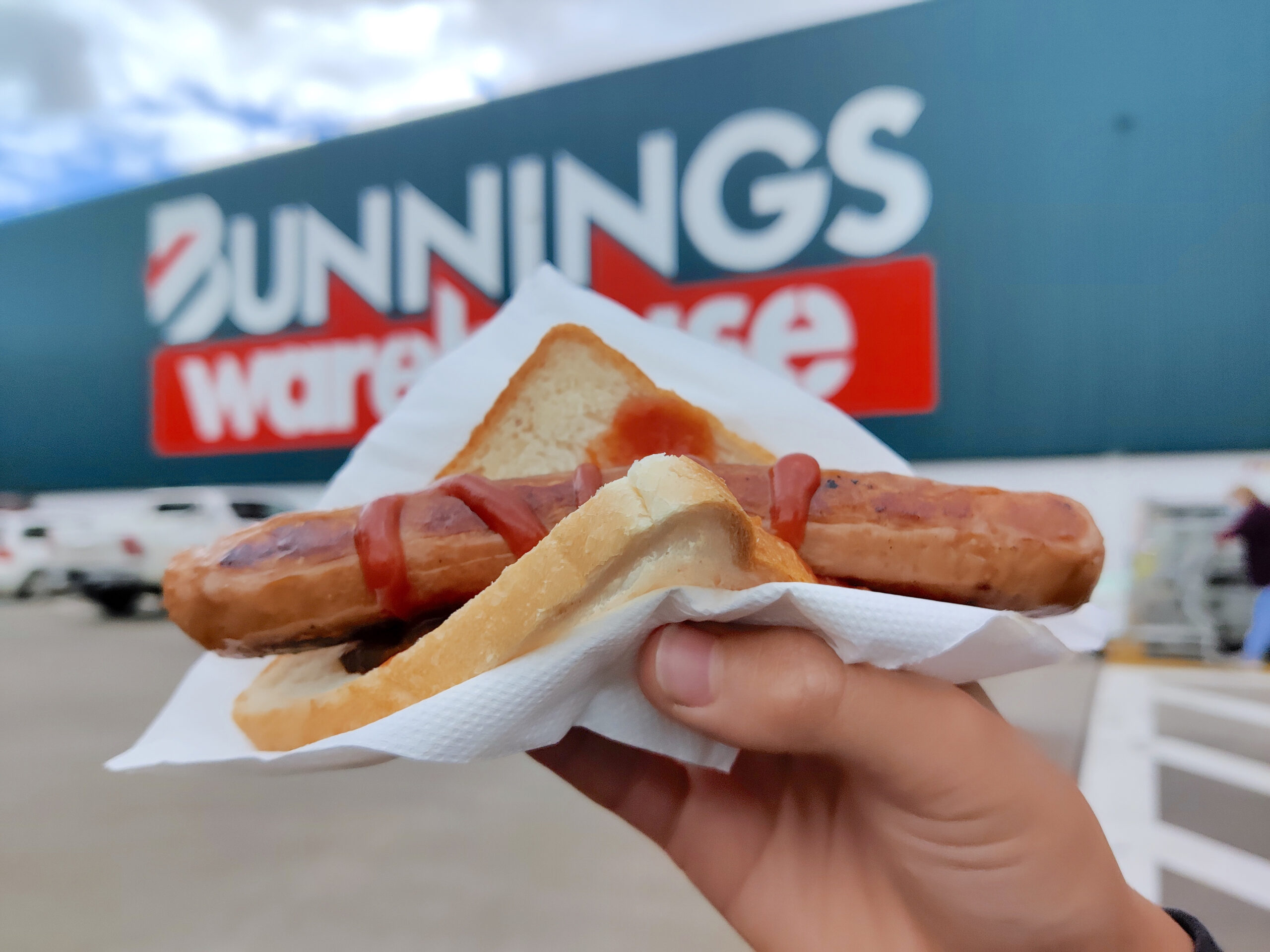
Public Relations (PR) is the strategic management of communication about a business. It aims to shape public opinion by building trust, improving relationships, and protecting the business’s reputation.
The two goals of PR
-
1) Free marketing tool (earned media):
positive information about the business shared through the media or community can improve the public image and increase sales.
WA example: a Margaret River venue wins an award and gets featured online → bookings increase. -
2) Damage control:
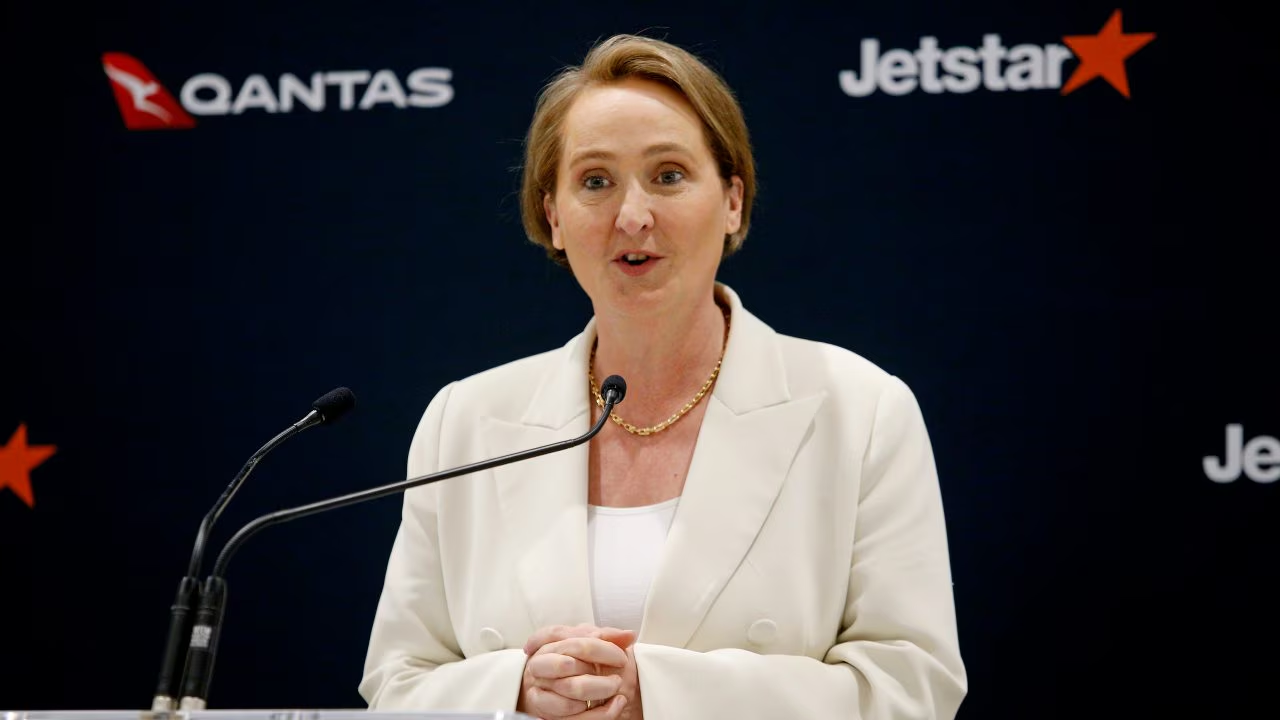
PR is used to make sure the right information is released when a business faces criticism, complaints, or negative publicity.
WA example: a café in Baldivis responds quickly after a viral complaint by apologising, explaining the fix, and showing proof of improvements.
Ways to create a better public image
Common PR methods
- Consistent customer service — fair refunds, fast responses, clear policies.
- Direct communication — newsletters, email updates, SMS alerts (especially during disruptions).
- Social media — TikTok, Instagram, Facebook, LinkedIn: updates, replies, and reputation management.
- Working with the press / news media — media releases, interviews, “local business” stories.
- Publicity events — launches, open days, store openings, community events.
- Speeches to targeted groups — seminars, professional organisations, business breakfasts.
- Talk show appearances — radio/TV interviews to explain changes or promote a launch.
- Blogs and vlogs — behind-the-scenes content to build trust and show credibility.
- Books and other writing — guides/articles that position the business as knowledgeable.
- Transparency — admit mistakes, explain what changed, show evidence.
- Corporate sponsorship — sponsoring local sport, school events, or community programs (covered in more detail next dotpoint U1.09).
- Donations — supporting charities or community fundraisers (covered in more detail next dotpoint U1.09).
More WA examples
✔ A café in Victoria Park posts clear updates during a supply delay and offers a fair fix → protects trust.
✔ A gym in Osborne Park replies politely to a 1-star review and explains its cancellation policy clearly → reduces future complaints.
✔ A tradie business in Armadale shares before/after jobs, explains scope and pricing, and follows up with customers → builds word-of-mouth.
✔ A retailer in Midland runs an in-store launch event and invites local media → earns free publicity.
Benefits of a positive public image (and limitations)
Benefits of a positive public image
- Higher sales: customers are more likely to choose a business they trust (especially when prices are similar).
- Customer loyalty: repeat business increases because customers feel confident and satisfied.
- More referrals: positive word-of-mouth and better reviews bring in new customers.
- Competitive advantage: reputation becomes a point of difference when products/services are similar.
- Easier hiring: a strong public image attracts better staff and reduces turnover.
- Crisis protection: businesses with trust recover faster after mistakes because the public gives them more benefit of the doubt.
Limitations / risks
- PR can’t cover poor performance: if the product or service is bad, reputation will eventually fall.
- Bad news spreads fast: one incident can go viral and damage trust quickly.
- It takes time and money: training, staff, content, customer service systems, and consistent messaging.
- Dishonest PR backfires: if the business lies or spins the story, the reputational hit is worse.
🎧 Prefer listening?
If you prefer listening to the content in Podcast format:
🎥 Prefer watching?
If you prefer watching the content in video format:
Biz Fact: Bunnings’ “sausage sizzle” isn’t just a weekend snack — it’s a public image weapon. Bunnings explicitly positions it as a community fundraiser where 100% of funds raised go back to the community group.