
U1.10 — Environmental Issues and Business Image
Overview
Dotpoint 10: Positive and negative impacts on business image of environmental issues
Environmental issues can improve or damage a business’s public image depending on how responsibly the business behaves and how honestly it communicates its actions.
This dotpoint focuses on four environmental issues:
- Climate change
- Pollution
- Energy use
- Animal testing
The key idea is that businesses are judged not only on what they sell, but also on how their decisions affect the environment. Responsible action can strengthen trust and reputation, while poor environmental behaviour or misleading claims can damage public image quickly.
Climate change
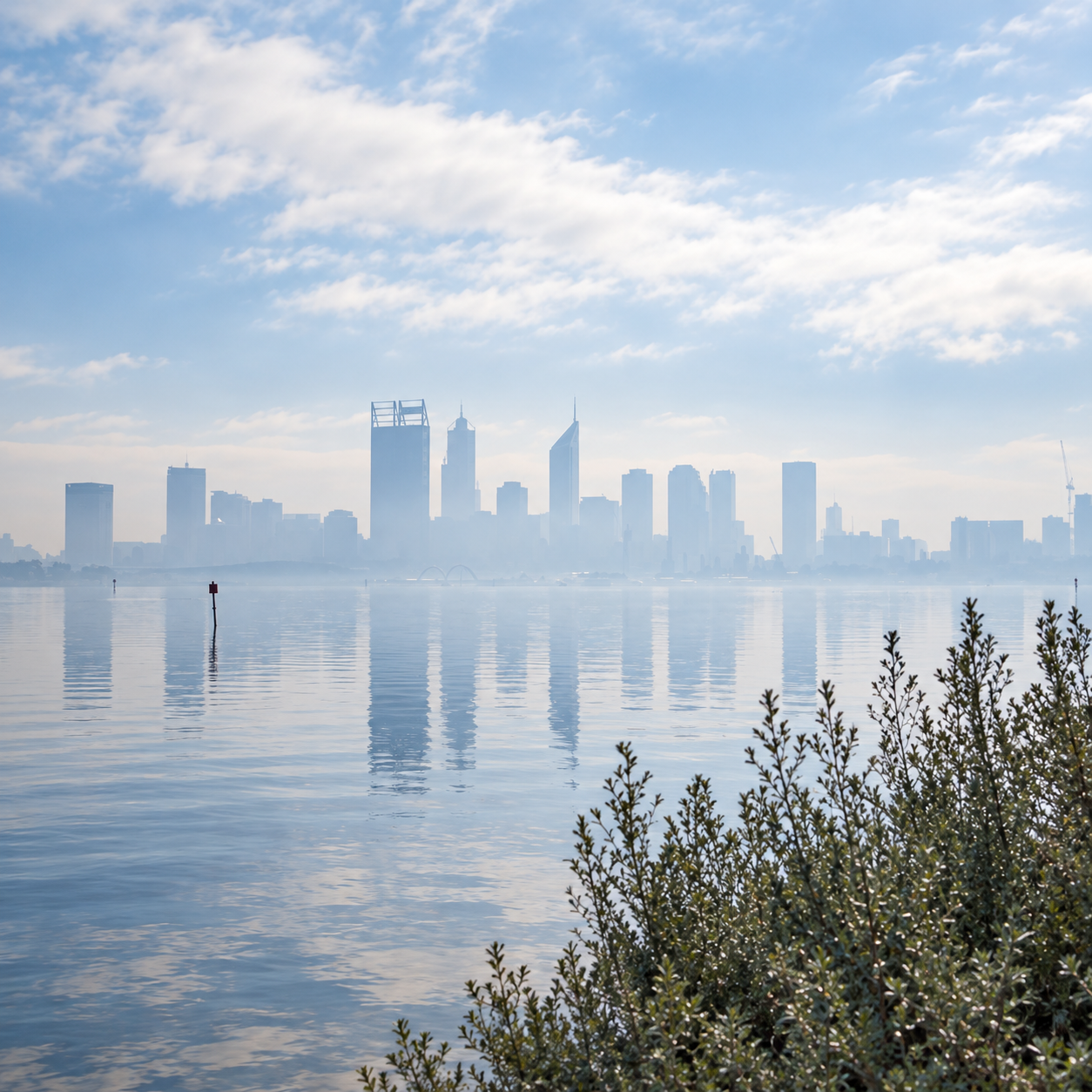
Climate change is the long-term change in global temperatures and weather patterns. For businesses, it can create pressure to reduce emissions, prepare for extreme weather and communicate environmental action honestly.
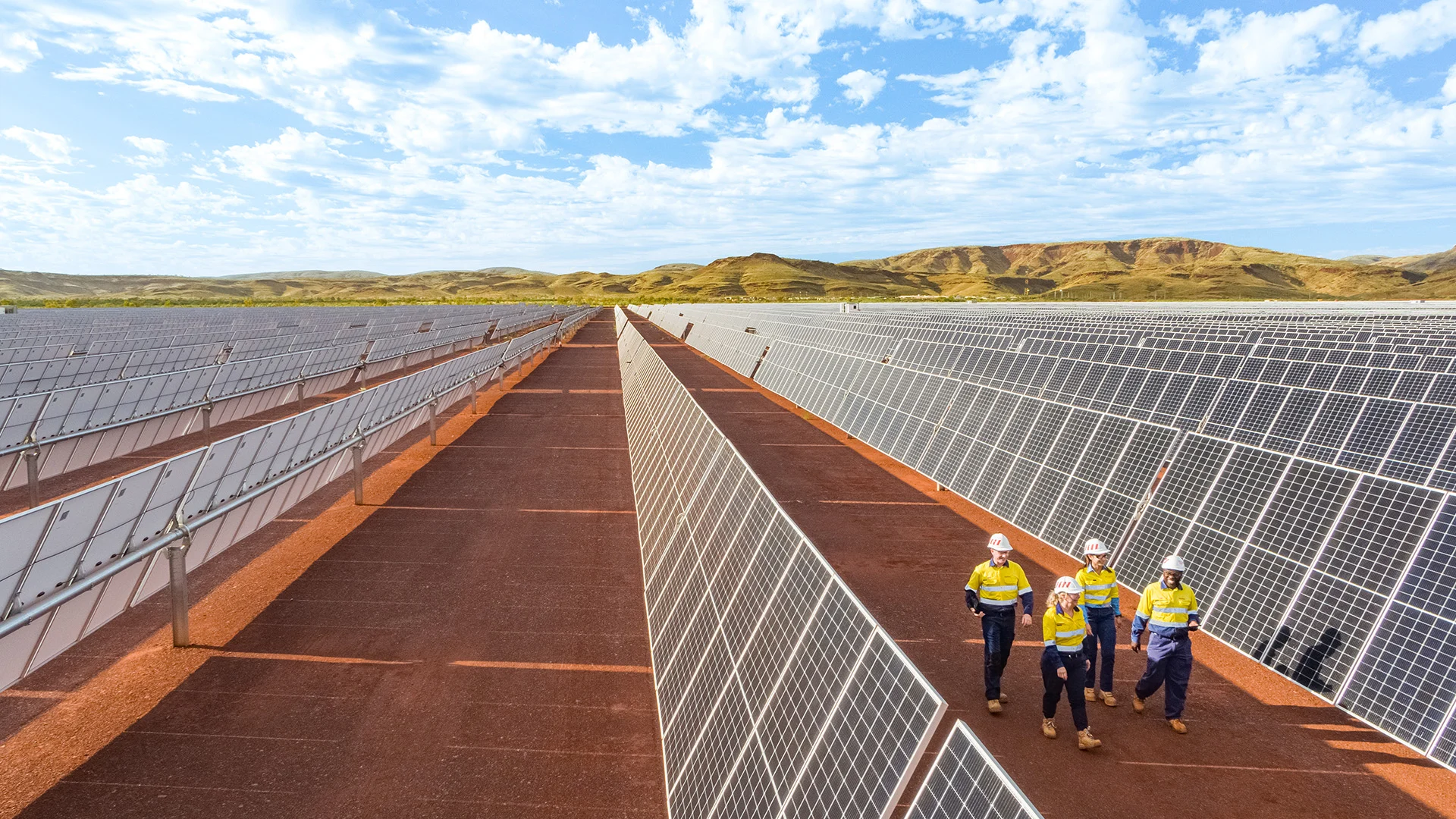
Businesses can take action by reducing energy use and emissions, using renewable energy, reducing waste and adapting operations to climate-related risks.
In WA, climate-related impacts can include hotter summers, heatwaves, bushfire smoke and weather disruptions that affect deliveries, events and tourism.
Pros (controlling the issue)
- Trust and credibility: customers may respect businesses that reduce emissions and provide evidence of their actions.
- Stronger loyalty: values-based customers may stay with brands that take genuine action.
- Better stakeholder relationships: communities, investors, councils and employees may respond more positively.
- More resilient operations: planning for heat and disruption can improve reliability and show responsible management.
Examples (WA / Australia + international)
- Fortescue (WA): its clean-energy focus has become part of its public image as a transition-focused company.
- Rio Tinto (Pilbara): clear targets and transparent reporting can build trust when communities and investors are closely watching performance.
- Patagonia: strong environmental positioning has become central to its brand reputation and customer loyalty.
Cons (not adhering / ignoring the issue)
- Reputation damage: ignoring climate concerns can make a business look careless or out of touch.
- Greenwashing backlash: environmental claims with weak evidence can trigger criticism and media scrutiny.
- Service disruption: heat, smoke and storms can affect supply, trading and events, which may frustrate customers.
- Loss of trust: once customers believe a business is misleading them, reputation can be difficult to rebuild.
Examples (WA / Australia + international)
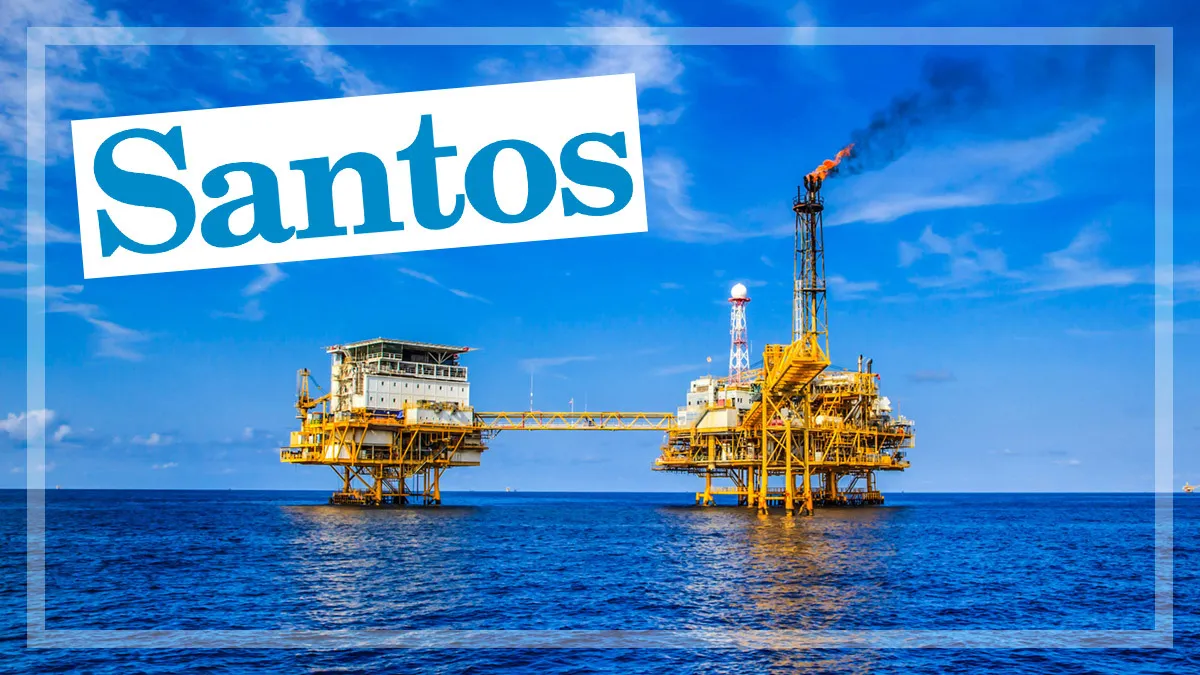
- Santos: a high-profile greenwashing court challenge placed its climate claims under public scrutiny.
- Volkswagen: the Dieselgate emissions scandal is a major example of environmental claims causing long-term reputational damage.
Example of how to write this in an exam
Climate change can have a positive impact on business image when a business takes genuine action to reduce emissions and communicates its progress honestly. For example, if a mining business invests in renewable energy and reports measurable reductions in emissions, customers and investors may view it as more responsible and forward-looking. This can build trust and strengthen reputation. However, if the business makes large environmental claims without evidence, it may be accused of greenwashing, which can damage credibility and reduce customer loyalty.
Pollution
Pollution is harm to air, water or land caused by substances such as smoke, chemicals, plastics, wastewater and litter.
For businesses, pollution matters because customers and local communities may judge a business negatively if its operations are seen as making an area dirtier, unsafe or less attractive.
Pros (controlling the issue)
- Responsible image: strong waste-management and clean-up practices can build community trust.
- Less community conflict: fewer complaints about smells, smoke, litter or runoff.
- Lower legal risk: meeting environmental standards reduces the risk of fines and investigations.
- Positive local attention: visible recycling and clean-up actions can generate goodwill.
Examples (WA / Australia + international)
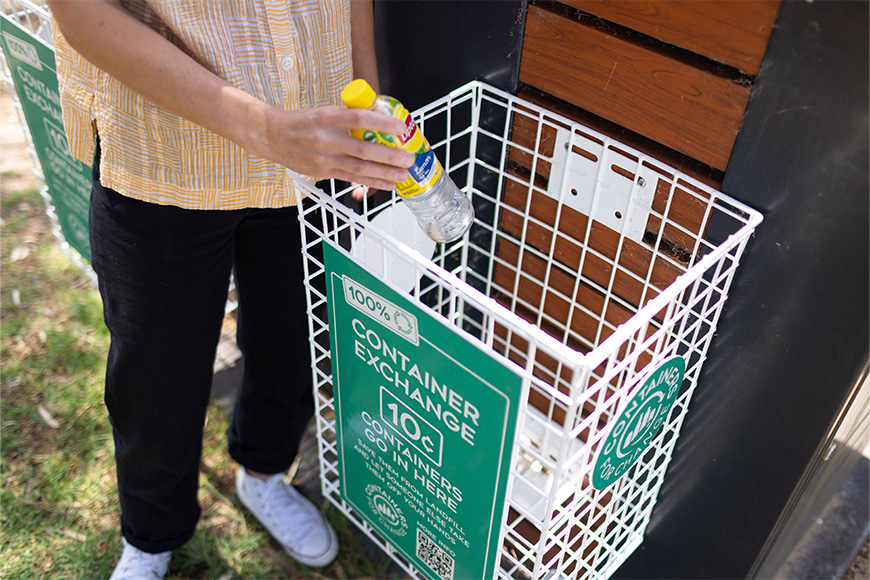
- Containers for Change WA: cafés and venues that support the scheme can build a community-minded reputation.
- Keep Australia Beautiful WA: businesses involved in litter-prevention efforts may gain goodwill.
- Unilever: packaging and waste commitments affect how many consumers judge the brand.
Cons (not adhering / causing pollution)
- Backlash spreads quickly: one photo or video of pollution can damage reputation almost instantly.
- Loss of customers: people may avoid businesses seen as dirty or harmful.
- Financial consequences: clean-up costs, fines, compensation and lost sales can reinforce negative publicity.
- Lower staff morale: employees may not want to be associated with a business that has a poor environmental reputation.
Examples (WA / Australia + international)
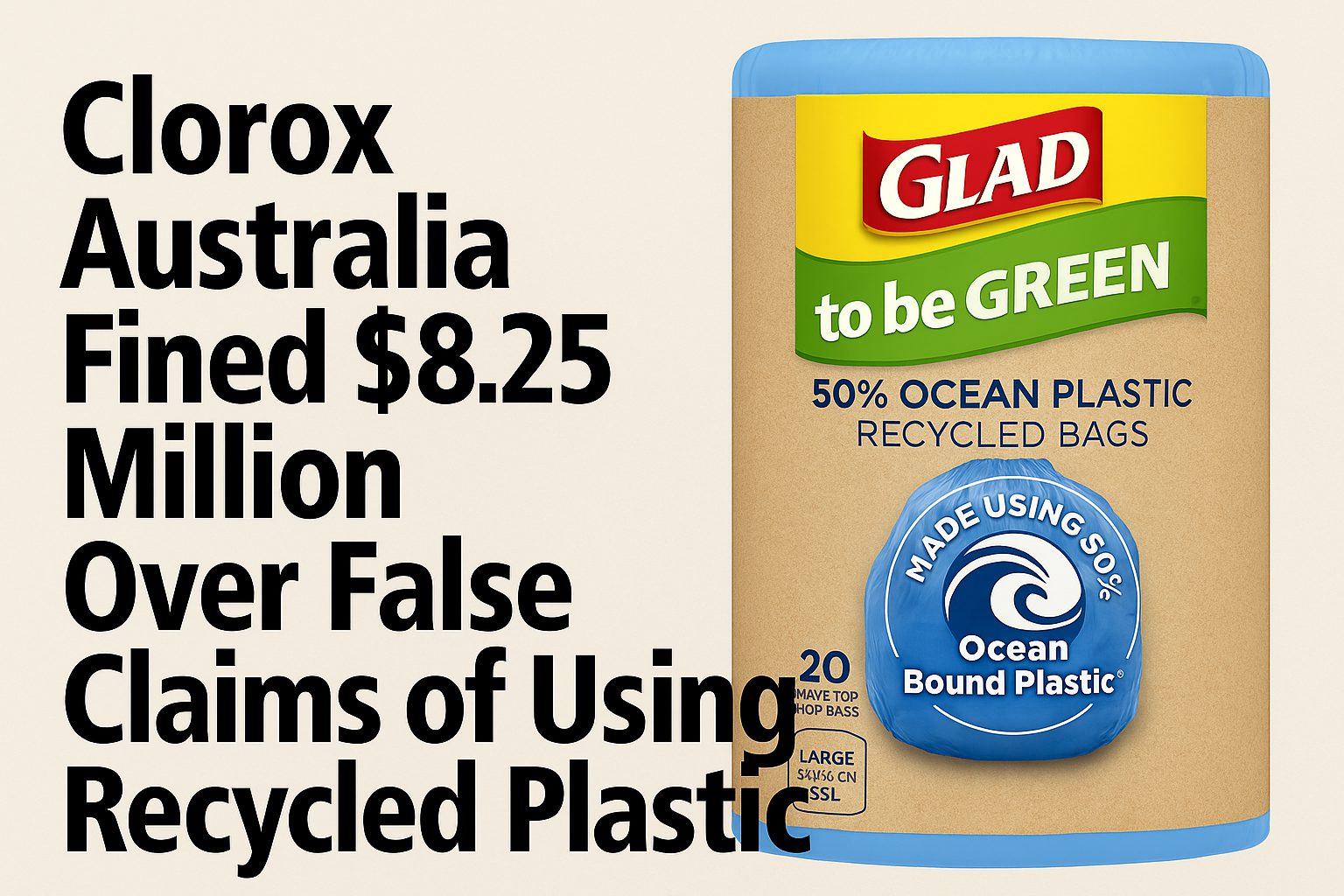
- Clorox Australia: ACCC greenwashing proceedings show that environmental packaging claims can create both legal and reputational risk.
- BP: the Deepwater Horizon disaster is a major example of a pollution event causing severe reputational damage.
Example of how to write this in an exam
Pollution can negatively affect business image when a business is seen as damaging the local environment. For example, if waste or chemicals from a business pollute a river or beach, photos and videos may spread quickly through social media and news coverage. This can cause customers to view the business as irresponsible, leading to complaints, lost sales and weaker community support. In contrast, visible recycling and clean-up programs can strengthen trust by showing that the business is reducing its environmental impact.
Energy use
Energy use is the amount of electricity and fuel a business consumes in its operations.
Customers may judge whether a business appears efficient and responsible through measures such as solar panels, LED lighting and smarter energy systems, or wasteful through unnecessary energy use.
Pros (controlling the issue)
- Lower costs: energy efficiency can reduce bills and help keep prices more stable.
- Modern, responsible image: visible solar and efficiency measures provide practical evidence of action.
- Competitive advantage: lower-energy operations can become a point of difference.
- Staff pride: employees may value working for a business that uses resources responsibly.
Examples (WA / Australia + international)
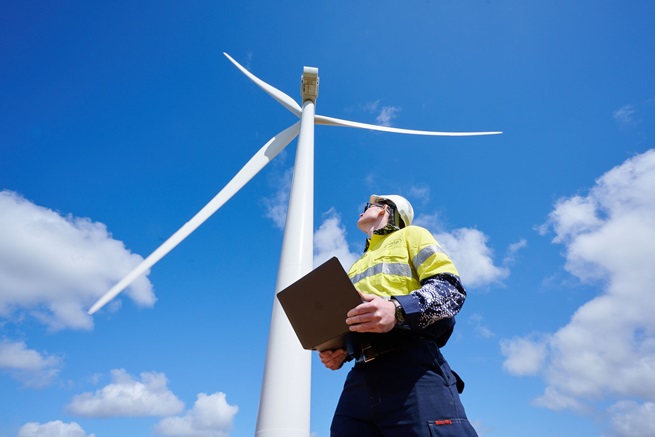
- Synergy: renewable-energy options and solar make energy choices highly visible in WA.
- Wesfarmers: major retail businesses are increasingly judged on store efficiency and visible sustainability actions.
- Google: its carbon-free energy goals have become part of its reputation as a cleaner technology company.
Cons (wasteful / high energy use)
- Wasteful reputation: unnecessary energy use can make a business look careless or outdated.
- Higher prices: inefficiency may increase operating costs and flow through to customers.
- Negative reviews: customers may comment on obvious waste such as excessive lighting or air-conditioning.
- Harder to attract staff: employees may prefer businesses with stronger environmental values.
Examples (WA / Australia + international)
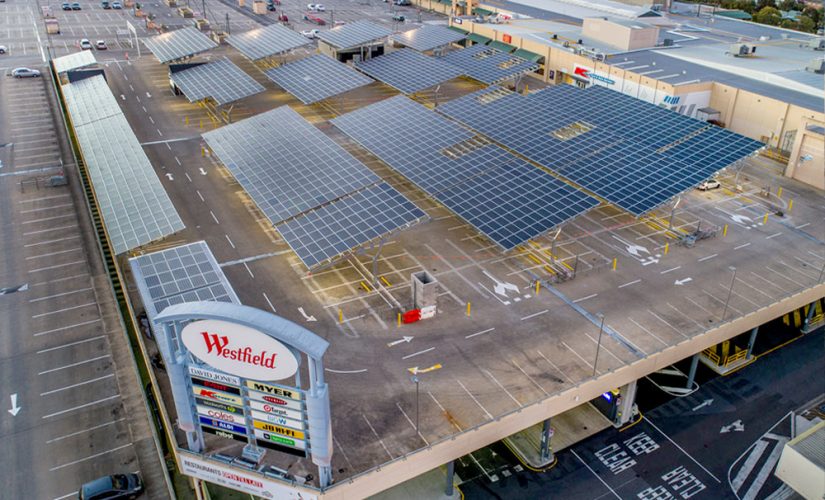
- Major shopping centres: customers notice visible sustainability features because large centres are major energy users.
- Large venues: inefficient energy use can attract criticism, while visible upgrades may build goodwill.
- Amazon: the energy use of logistics and data centres attracts public scrutiny because of the scale of its operations.
Example of how to write this in an exam
Energy use can improve business image when a business reduces unnecessary electricity use and adopts visible efficiency measures. For example, a large shopping centre that installs solar panels and efficient lighting may be viewed as more environmentally responsible. This can strengthen customer goodwill and help differentiate the business from less efficient competitors. However, obvious energy waste may make the business appear careless and can damage its reputation among environmentally conscious customers and employees.
Animal testing
Animal testing is the use of animals to test the safety or effectiveness of products or ingredients.
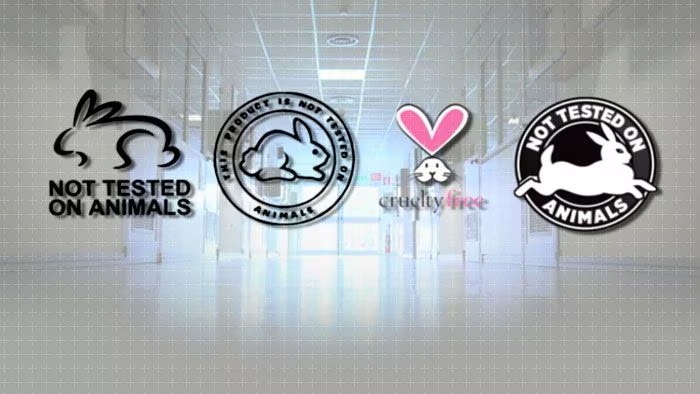
It is especially visible in cosmetics, skincare and household products, where customers may judge whether cruelty-free claims are genuine and consistent across the supply chain.
Pros (controlling the issue)
- Ethical brand image: cruelty-free positioning can attract values-driven customers.
- Higher trust: clear and honest labelling can reduce complaints and uncertainty.
- Competitive advantage: ethical values may become a point of difference when products are similar.
- Positive word-of-mouth: customers may recommend brands that align with their beliefs.
Examples (WA / Australia + international)
- MECCA: shoppers often ask about cruelty-free brands, so clear information can affect store reputation.
- Priceline Pharmacy: customers can compare cruelty-free options and switch brands quickly.
- Lush: ethical values and anti-animal-testing positioning are central to its brand reputation.
- The Body Shop: widely associated with ethical branding and anti-animal-testing campaigning.
Cons (not adhering / linked to animal testing)
- Backlash and boycotts: customers may stop buying and encourage others to avoid the brand.
- Influencer call-outs: social media can shift public opinion rapidly.
- Retail risk: stockists may reduce or remove products to protect their own image.
- Loss of trust: if cruelty-free claims are questioned, reputation can deteriorate quickly.
Examples (WA / Australia + international)
- MECCA / Priceline: if customers believe a cruelty-free claim is misleading, negative reviews can affect both the product brand and the retailer.
- PETA: campaigns can rapidly influence consumer views about animal-testing policies.
- Global cosmetics brands: unclear cruelty-free policies can damage reputation even when product quality is high.
Example of how to write this in an exam
Animal testing can negatively affect business image when customers believe a brand is acting unethically or making misleading cruelty-free claims. For example, if a cosmetics brand claims to be cruelty-free but customers discover that testing still occurs somewhere in its supply chain, social media criticism and boycotts may follow. This can damage trust and reduce sales. In contrast, clear and consistent cruelty-free practices can strengthen an ethical brand image and attract customers who value animal welfare.
🎧 Prefer listening?
If you prefer listening to the content in Podcast format:
🎥 Prefer watching?
If you prefer watching the content in video format:
🃏 Flashcards
Card 1 of 8
🎮 Revision Games
💰 BME Millionaire
Climb the ladder by mastering environmental impacts on business image.
🌿 Green or Gone Wrong?
Decide whether each environmental action helps or hurts public image.
⚡ 60 Second Showdown
Rapid-fire questions on climate, pollution, energy and animal testing.
Biz Fact: “Greenwashing” gets called out hard in Australia. If a brand advertises itself as eco-friendly but does not back it up, Australians and the media can quickly question the claim.