
U2.19 — Characteristics of Non-Financial Indicators
Overview
Dotpoint 19: characteristics of the following non-financial indicators.
Non-financial indicators are measures of business performance that are not directly shown in dollars. In this dotpoint, the focus is on quality and customer satisfaction.
These indicators still matter a lot because they often affect future sales, customer loyalty, brand image and long-term business success.
- quality — how good, reliable and consistent the product or service is
- customer satisfaction — how happy customers are with the business

✅ Quality
Quality refers to how well a product or service meets the expected standard. It is about how reliable, consistent, well-made or well-delivered the product or service is.
The importance of Quality
- Quality increases customer satisfaction because customers are more likely to be happy when the product or service meets expectations.
- Quality encourages repeat purchases because customers are more likely to come back if they trust the business.
- Quality improves reputation because happy customers may leave positive reviews and recommend the business.
- Quality reduces complaints and returns because fewer products are faulty or disappointing.
- Quality improves long-term performance because stronger quality can lead to higher sales, better loyalty and lower costs.

Indicators of quality
| Quality measure | What it shows |
|---|---|
| Defect rates | The percentage of products made incorrectly or with faults. |
| Return rates | How many customers return products because they are faulty or poor quality. |
| Warranty claims | How often customers need repairs, replacements or refunds. |
| Customer complaints | How often customers report problems with quality. |
| Product testing results | Whether products meet safety, strength or performance standards. |
| Inspection results | Whether products pass quality checks before being sold. |
| Service errors | Mistakes made in service businesses, such as wrong orders, delays or booking errors. |
| Consistency of output | Whether the business produces the same standard every time. |
Examples
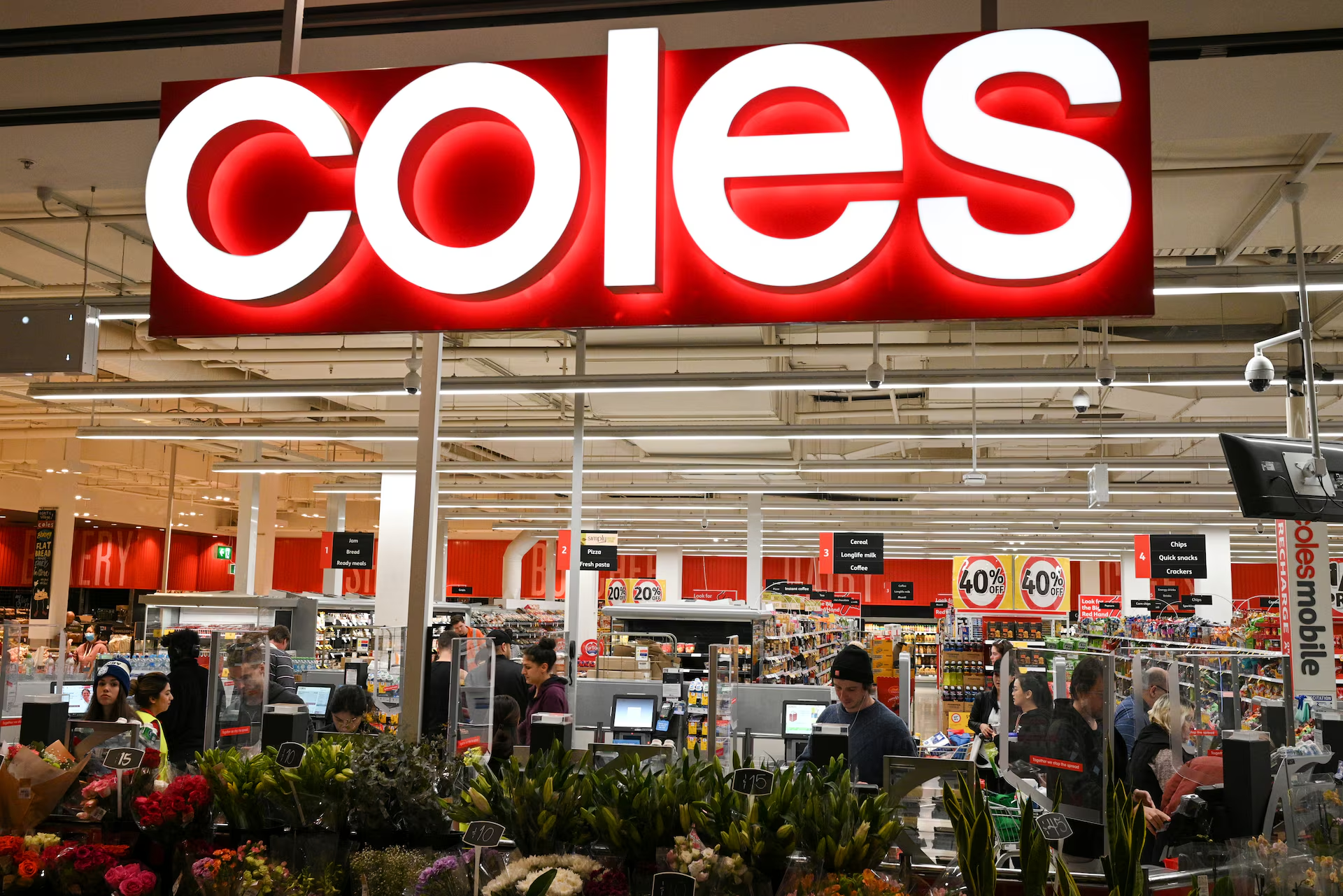
- Australian supermarkets such as Woolworths, Coles and Aldi need to monitor return rates, product freshness, complaints and consistency, because poor quality food or unreliable stock can quickly damage customer trust.
- Domino’s Australia can track quality through delivery time, order accuracy, complaints, refunds and online ratings. Even if sales are strong, repeated late deliveries or incorrect orders can hurt long-term customer loyalty.
- Toyota Australia relies heavily on quality and reliability as part of its brand image. If vehicles have repeated faults or recalls, this can damage trust and affect future sales.
😊 Customer satisfaction
Customer satisfaction refers to how happy customers are with a product, service or overall business experience. It helps show whether the business is meeting customer expectations.
Importance of Customer Satisfaction
- Customer satisfaction encourages repeat purchases because happy customers are more likely to come back and buy again.
- Customer satisfaction builds customer loyalty because customers are less likely to switch to competitors if they have a good experience.
- Customer satisfaction improves reputation because satisfied customers may leave positive reviews and recommend the business to others.
- Customer satisfaction increases sales over time because loyal and returning customers can provide a steady source of revenue.
- Customer satisfaction helps the business identify problems because feedback, complaints and reviews show what needs to be improved.
Indicators of customer satisfaction
| Method | How it works |
|---|---|
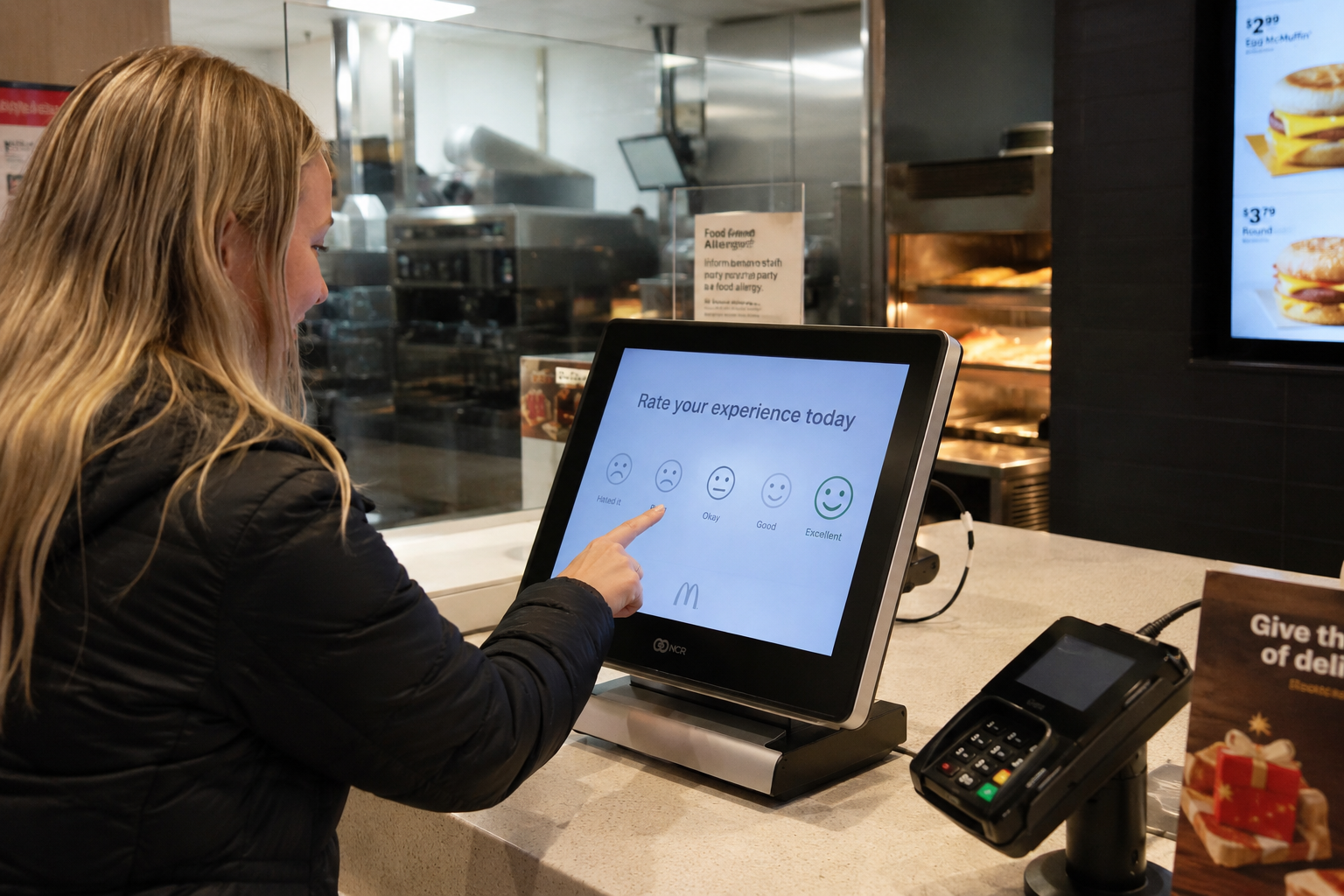
| Customer surveys | Customers answer questions about their experience, often using a rating scale such as 1–5 or 1–10. |
| Google reviews / star ratings | The business tracks its average rating and reads customer comments. |
| Net Promoter Score | Customers are asked how likely they are to recommend the business to others. |
| Customer complaints | The business records the number and type of complaints received. |
| Repeat purchases | The business checks whether customers come back and buy again. |
| Customer retention rate | The business measures how many customers stay with the business over time. |
| Social media feedback | The business monitors comments, messages and reactions online. |
| Mystery shoppers | A person secretly visits the business and reports on the customer experience. |
Examples
- Aldi Australia has performed strongly in customer satisfaction research, showing how price, product range and consistency can influence how customers feel about a business.
- Australian cafés and restaurants often rely heavily on Google reviews, repeat customers and social media comments. A high star rating can attract new customers, while repeated complaints about slow service or poor food can reduce sales.
- JB Hi-Fi can use customer reviews, repeat purchases, complaints and after-sales service feedback to judge whether customers are satisfied with the shopping experience.
⚖️ Financial and non-financial indicators together
Financial indicators
These measure the money side of performance, such as profitability, liquidity and stability.
Non-financial indicators
These measure other important parts of performance, such as quality and customer satisfaction.
Why both matter
- a business may have strong profit now, but poor quality can hurt future sales
- a business may have weak profit now, but high customer satisfaction may support future growth
- financial indicators show what has happened with money, while non-financial indicators can warn managers about what may happen next
- using both gives managers a more balanced picture of business performance
For example, a restaurant may be profitable this month, but if Google reviews are falling, complaints are rising and customers are not returning, this may suggest future sales could fall. On the other hand, a new business may not be highly profitable yet, but strong customer satisfaction, repeat purchases and positive reviews may suggest it has strong long-term potential.
🎧 Prefer listening?
If you prefer listening to the content in podcast format:
🎥 Prefer watching?
If you prefer watching the content in video format:

Biz Fact: Uber’s star rating system measures both customer satisfaction and driver performance after almost every trip.