
U2.20 — Key Features of Leadership Styles
Overview
Dotpoint 20: key features of the following leadership styles.
Leadership style refers to the way a manager or leader directs, motivates, communicates with and makes decisions for a group of people.
Different leadership styles suit different situations. A style that works well in a crisis may not work as well in a creative workplace. A style that motivates experienced staff may not suit inexperienced staff who need clear direction.
In this course, the three leadership styles looked at are:
- autocratic — the leader makes most decisions and expects instructions to be followed
- participative — the leader involves employees before making decisions
- situational — the leader changes their style depending on the situation

👑 Autocratic leadership
Autocratic leadership is a leadership style where the leader makes most decisions, gives clear instructions and expects employees to follow directions with limited input.
Key Characteristics
- the leader makes most of the important decisions
- employees are expected to follow instructions closely
- communication is usually more one-way, from leader to employees
- there is limited employee input before decisions are made
- the leader usually monitors performance closely
- rules, procedures and standards are often very clear
- it can suit situations where speed, safety or control are more important than discussion

Types of businesses or situations it may suit
- emergency services, where quick decisions are needed
- construction or mining, where safety rules must be followed carefully
- new or inexperienced teams, where staff need clear instructions
- crisis situations, where slow decision-making could make the problem worse
- businesses with a wide span of control, where one manager is responsible for many employees and needs clear rules to keep work organised
- high-risk workplaces, where mistakes can lead to injury, legal problems or major costs

Pros
- decisions can be made quickly because fewer people are involved
- employees know exactly what is expected of them
- useful when there is danger, pressure or limited time
- can improve consistency because everyone follows the same instructions
- can work well with inexperienced staff who need strong direction
Cons
- employees may feel ignored or undervalued
- it can reduce motivation if staff have no say
- good ideas from employees may be missed
- it can create fear or resentment if used too harshly
- the business may rely too much on one leader
Examples of leaders often linked to this style
- Steve Jobs — Apple: often used as a business example of a highly directive leader with strong control over product vision and standards.
- Elon Musk — Tesla / SpaceX: often viewed as a very demanding, hands-on leader who sets ambitious targets and expects fast execution.
- Donald Trump — business and politics: often used as a teaching example of a forceful, directive and highly centralised leadership approach.
- Gina Rinehart — Hancock Prospecting: often used as an Australian business example of a powerful, decisive leader who has maintained strong control over business direction.
- John Howard — former Australian Prime Minister: often used as a political example of a strong, dominant leader with firm control over policy direction and party discipline.
- Craig Bellamy — Melbourne Storm: often associated with high standards, discipline, structure and accountability in a professional sporting environment.
- Mick Malthouse — AFL coach: often used as a sporting example of a demanding coach with strong standards, direct communication and clear expectations.

💡
Think about teachers, coaches, business owners or leaders you have seen in real life. Who tends to make decisions quickly, give direct instructions and expect people to follow them closely? What makes them seem autocratic?
🤝 Participative leadership
Participative leadership is a leadership style where the leader involves employees in decision-making, listens to ideas and encourages discussion before making a final decision.
Key Characteristics
- the leader asks employees for ideas, opinions and feedback
- decision-making is more shared than autocratic leadership
- communication is usually two-way, with discussion between leader and employees
- employees are encouraged to contribute to problem-solving
- the leader still makes the final decision, but staff have more influence
- it can build trust because employees feel listened to
- it works best when employees have enough skill, knowledge or experience to contribute useful ideas

Types of businesses or situations it may suit
- marketing agencies, where creative ideas from different staff can improve a campaign
- technology businesses, where software developers, designers and product teams often solve complex problems together
- law firms, accounting firms and consulting businesses, where employees may have specialist knowledge that improves decision-making
- schools and education, where collaboration helps improve planning, teaching and student support
- businesses with a narrow span of control, where managers supervise fewer employees and have more time to listen, coach and involve staff
- teams trying to improve morale, because staff feel respected and included

Pros
- employees may feel more valued and motivated
- can lead to better ideas because more people contribute
- encourages teamwork and trust
- employees may be more committed to decisions they helped shape
- can improve problem-solving in complex situations
Cons
- decision-making can be slower
- too much discussion can reduce efficiency
- it may not work well in a crisis where fast action is needed
- some employees may lack the knowledge needed to make useful contributions
- conflict may occur if people disagree strongly
Examples of leaders often linked to this style
- Tim Cook — Apple: often described as more collaborative and democratic than Steve Jobs, with a calmer and more team-based approach.
- Richard Branson — Virgin Group: often linked to empowering employees, listening to people and creating a strong workplace culture.
- Mike Cannon-Brookes — Atlassian: a useful Australian CEO example because Atlassian is often linked with teamwork, innovation and employee voice.
- Andrew “Twiggy” Forrest — Fortescue: often used as an Australian business example of a big-picture leader who builds support around large projects and social causes.
- Indra Nooyi — former PepsiCo CEO: often used as a participative and purpose-driven leadership example because of her focus on collaboration, people and long-term change.
- Chris Fagan — Brisbane Lions: a strong AFL example because his coaching approach has often been linked to empowering players and building leadership within the team.
- Ange Postecoglou — football coach: often linked with empowering players, building belief and creating team buy-in around a clear style of play.

💡
Think about teachers, coaches, business owners or leaders you know who ask for opinions, listen to ideas and involve people before making decisions. What makes them seem participative?
🔄 Situational leadership
Situational leadership is a leadership style where the leader changes their approach depending on the task, the people involved and the situation facing the business.
Key Characteristics
- the leader does not use one style all the time
- the leader adjusts their approach depending on the situation
- the leader may be more autocratic when quick decisions are needed
- the leader may be more participative when employees have useful ideas or expertise
- the leader may be more supportive when employees need confidence, training or guidance
- it requires the leader to understand the team, the task and the pressure of the situation
- it works best when the leader has strong judgment and can explain why their approach is changing

Types of businesses or situations it may suit
- large businesses, where different departments need different leadership approaches
- changing industries, such as technology, retail and sport
- businesses going through change, such as restructuring, expansion or crisis recovery
- mixed-experience teams, where some employees need direction and others need independence
- project-based work, where tasks and team needs change over time
- sporting teams, where the coach may teach calmly during training but give direct instructions under pressure during a match
Pros
- flexible because the leader can adapt to different situations
- can suit both experienced and inexperienced staff
- useful during change because the leader can shift approach when needed
- can improve performance because leadership matches the needs of the team
- helps balance control, support and employee involvement
Cons
- requires strong judgment from the leader
- employees may become confused if the leader changes style too often
- it can be difficult to apply consistently across a large business
- some leaders may struggle to know which style is best for each situation
- can appear inconsistent if the leader does not explain their approach clearly
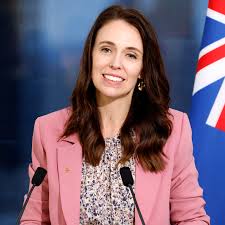
Real-life situational leadership example — Jacinda Ardern
Jacinda Ardern, former Prime Minister of New Zealand, is a useful example of situational leadership because different situations required different approaches.
- During the early stages of COVID-19, her government had to make fast, clear and strict decisions. This showed a more directive style because the situation involved urgency, public safety and uncertainty.
- During public communication, she often used a more supportive style, explaining decisions calmly and trying to build public trust.
- When working with health experts and government agencies, the situation required more collaboration, because specialist advice was needed before decisions could be made.
This shows situational leadership because the leadership style changed depending on whether the priority was speed, public confidence or expert input.
Sporting example — AFL coaches
An AFL coach may use a participative style during the week by listening to assistant coaches, reviewing player feedback and discussing tactics. However, during the final minutes of a close game, the same coach may become more autocratic by giving direct instructions because there is no time for long discussion.
This is situational leadership because the leader changes their style depending on time pressure, player needs and the importance of the decision.

🎧 Prefer listening?
If you prefer listening to the content in podcast format:
🎥 Prefer watching?
If you prefer watching the content in video format:
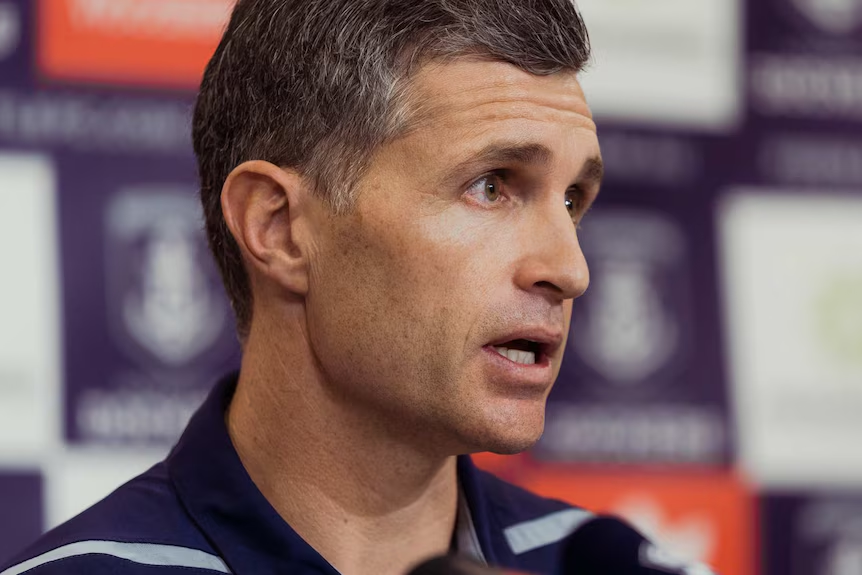
Biz Fact: AFL coaches are situational leaders every weekend — calm teaching on Monday can become blunt instructions with two minutes left in the last quarter.