
U3.10 — Factors That Determine the Feasibility of Expanding Into a Foreign Market
Overview
Dotpoint 10: factors that determine the feasibility of expanding into a foreign market.
A foreign market may appear attractive because of its large population, economic growth or rising incomes. However, expansion is only feasible if there is sufficient customer demand, suitable buying habits and a competitive environment the business can successfully enter.
Feasibility refers to whether entering a foreign market is practical, realistic and likely to succeed.
The syllabus focuses on three key feasibility factors:
- level of demand by consumers — whether enough customers want the product
- consumption patterns — how, when and why customers buy products
- competitor activity — how many competitors exist and how strong they are

📈 Level of demand by consumers
Level of demand by consumers refers to how many customers in the foreign market are willing and able to buy the product or service. Demand is one of the most important feasibility factors because a business needs enough potential customers to justify the costs of entering the market.
How businesses can measure demand
Market research before entry
- surveys, interviews and focus groups with customers in the target country
- test sales through e-commerce, distributors or small retail trials
- online search trends, social media engagement and product enquiries
- industry reports, Austrade advice and government trade data
- income levels, population size, middle-class growth and spending data
- feedback from local agents, retailers, trade fairs and potential partners
How demand from foreign consumers affects feasibility
Level of consumer demand
Consumer demand strongly affects whether expansion into a foreign market is feasible. High demand suggests that enough customers are willing to purchase the product, increasing the potential for sales growth, faster recovery of expansion costs and greater market share.
Low demand makes expansion less feasible because the business may struggle to generate enough sales to cover marketing, distribution, staffing, compliance and operating costs. This can result in weak brand awareness and a longer period before the expansion becomes profitable.
Australian example: an Australian food, health, education or technology business may consider a foreign market more feasible when research shows strong demand for safe, high-quality Australian products and services.
Where is the demand coming from for an Australian business?
High demand at home does not guarantee high demand overseas
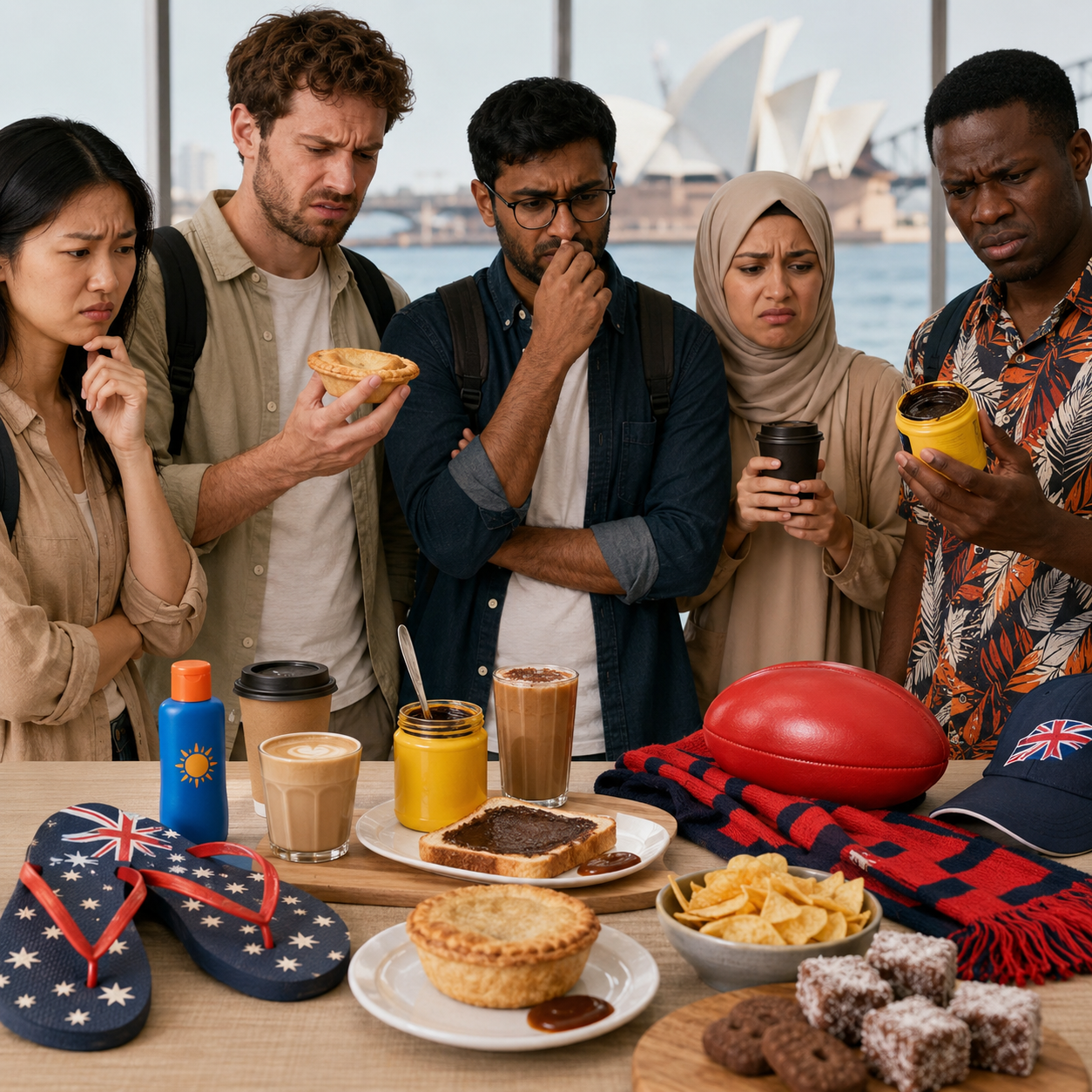
A product may sell strongly in Australia but still have weak demand in another country because customers may have different tastes, incomes, diets, lifestyles, cultural expectations or levels of brand awareness.
Examples: meat pies, Vegemite, some Australian café formats, beach products, AFL-related merchandise and Australian-style snack foods may be familiar or popular domestically, but overseas customers may not understand the product, use it regularly or value it in the same way.
Where demand is coming from for Australian businesses
Demand for Australian products is often strongest in Asia, particularly China, Japan, South Korea, India and Southeast Asia, where consumers and businesses may value Australian safety, quality and trusted standards. Demand is especially strong for food, agriculture, education, health services, tourism, commodities and premium branded products. Australian products can also attract customers in North America, Europe and the Middle East, particularly where buyers value food security, product reliability, ethical production and Australia’s reputation for high-quality goods and services.
Businesses and products with strong overseas demand include:
- BHP and Rio Tinto — iron ore and minerals demanded by overseas manufacturers and construction industries
- CBH Group — Western Australian grain exported to global food and livestock markets
- Meat & Livestock Australia industry exporters — Australian beef and lamb demanded in premium food markets
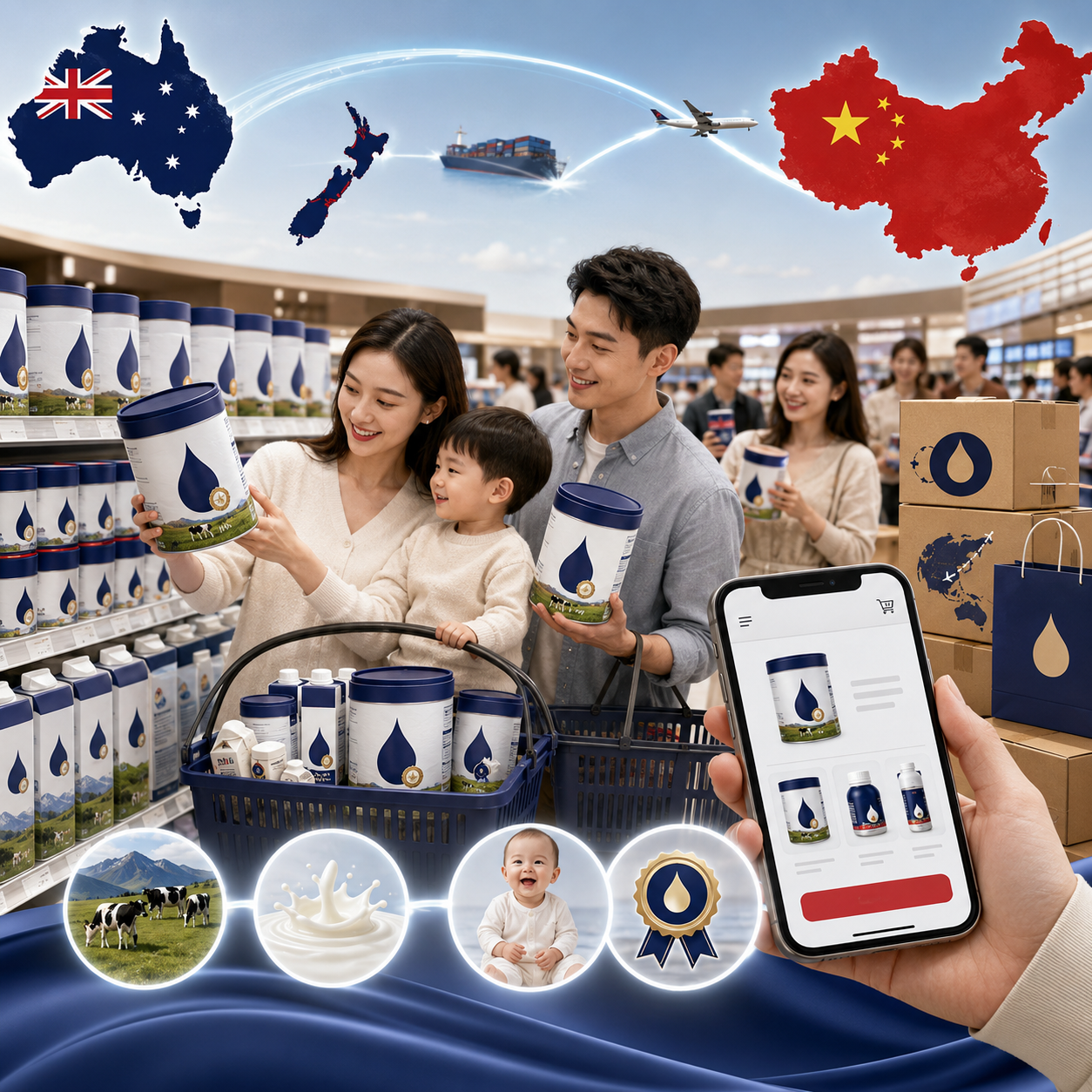
- a2 Milk — infant formula and dairy products demanded by consumers seeking trusted premium dairy
- Australian universities — education services demanded by international students
- Tourism Australia and WA tourism operators — Australian experiences demanded by international visitors
- Blackmores — health supplements demanded by consumers who value Australian health and quality standards

Real Case Studies
Strong demand: a2 Milk in China
The a2 Milk Company is a useful example of how strong overseas demand can improve feasibility. Demand for its infant formula and dairy products grew in China and parts of Asia because some consumers valued Australian and New Zealand-labelled dairy products, premium positioning and trusted quality.
Lesson: demand was not just based on population size. It came from a specific customer need: trust in premium dairy products and willingness to buy through cross-border channels.
Weak demand fit: Starbucks in Australia
Starbucks is not an Australian business, but it is a clear warning about demand and market fit. It expanded into Australia with a model that had worked overseas, but many Australian consumers already preferred independent cafés and local coffee culture.
Lesson: a business should not assume success in one country means strong demand in another. It must test whether customers actually want its product experience.

How to write this in an exam
The level of demand by consumers determines feasibility because the business needs enough customers in the foreign market who are willing and able to buy its product. If demand is strong, expansion is more practical because the business has a better chance of increasing sales, recovering set-up costs and gaining market share. If demand is weak, expansion is less feasible because the business may struggle to cover marketing, distribution, staffing and operating costs.
🧭 Consumption patterns
Consumption patterns refer to the way consumers buy and use products. This includes what they buy, how often they buy, when they buy, why they buy, how they pay, where they shop and which features they value. A market may have demand, but expansion is only feasible if the business understands the local pattern of consumption.
Recent global consumption patterns Australian businesses should investigate
1. Rising middle-class spending
In many Asian and Southeast Asian markets, rising incomes are increasing spending on higher-value goods and services such as education, healthcare, travel, premium food, fitness and branded products.
2. Health and wellness
Consumers in many countries are showing greater interest in healthy foods, vitamins, skincare, fitness services, mental wellbeing, diet support and products linked to quality or safety.
3. Convenience and delivery
Customers increasingly expect easy ordering, home delivery, smaller packaging, fast service and products that fit busy urban lifestyles.
4. E-commerce and digital payment
Many consumers now buy through online marketplaces, social media, apps and business websites. Payment habits may also differ, with customers using credit cards, digital wallets, QR payments or buy-now-pay-later services.
5. Social media influence
Trends can spread quickly through TikTok, Instagram, YouTube, influencers and customer reviews. This can create opportunities, but it can also make demand more unpredictable.
6. Local tastes and culture
Consumers may prefer different flavours, colours, portion sizes, service styles, packaging, images, humour or advertising messages. Businesses may need to adapt rather than copy the Australian version.
7. Seasonal and cultural buying patterns
Consumption patterns can change around holidays, weather, religion, festivals, school terms, gift-giving periods and cultural events. Businesses may need to adapt timing, product ranges and promotions.
How consumption patterns affect feasibility
How consumption patterns affect feasibility
Consumption patterns affect feasibility because they show whether the product fits the everyday behaviour of customers in the target country. A business needs to know how consumers live, shop, pay, compare products and make purchasing decisions before deciding whether expansion is realistic.
If the product matches local consumption patterns, expansion is more feasible because the business may need fewer changes to its product, promotion, pricing, payment systems and distribution methods. For example, a business selling health products may find a market more attractive if consumers are already shifting toward wellness, convenience and premium quality.
If the product does not match local consumption patterns, expansion becomes less feasible because the business may need to adapt product features, flavours, packaging, language, store layout, payment options, delivery methods or advertising messages. These changes can increase costs, slow market entry and reduce the chance of success.
Real Case Study
Australian example: Boost Juice and health/convenience trends
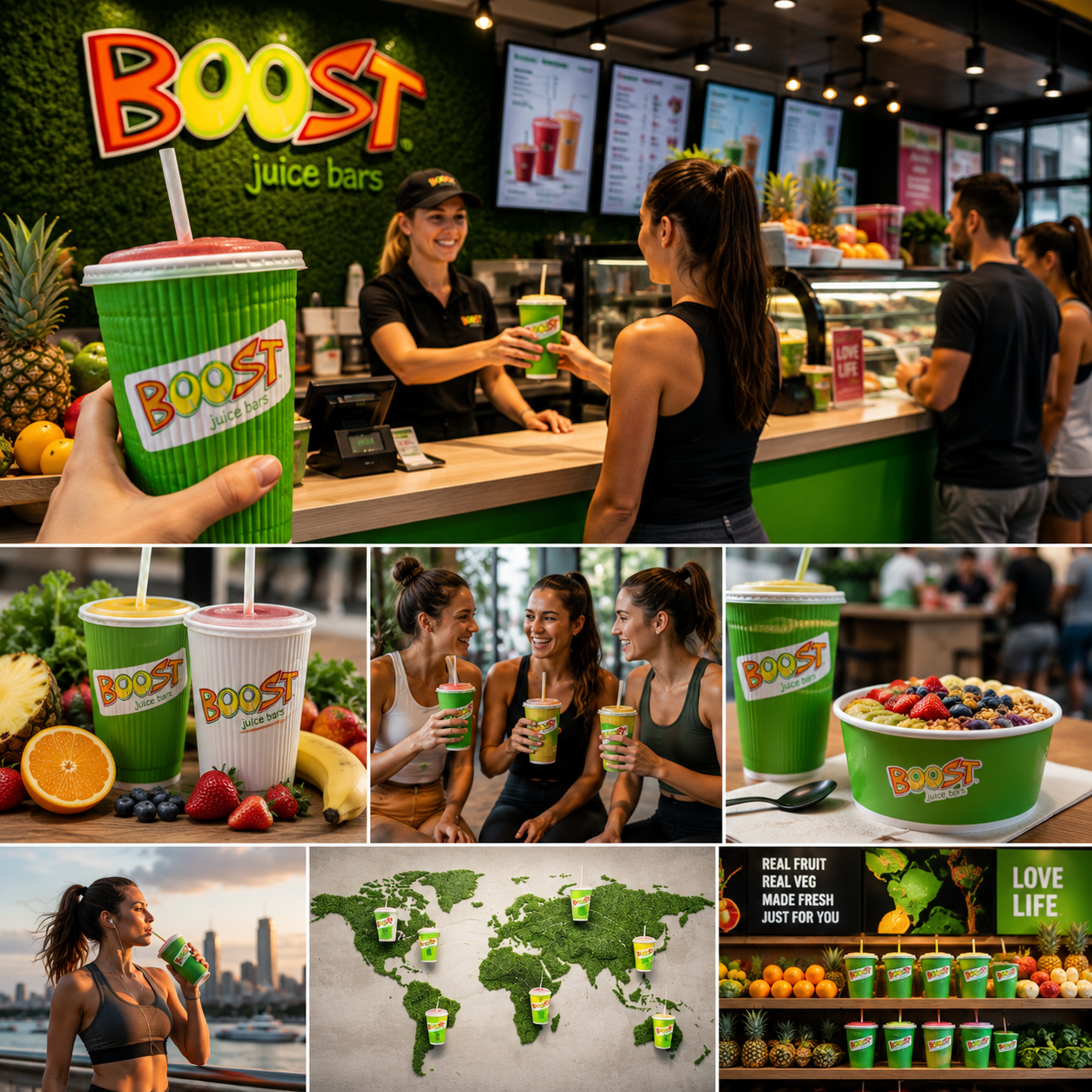
Boost Juice is an Australian business that has expanded into international markets by matching health, convenience and lifestyle consumption patterns. Its smoothies and juices fit consumers who want quick, fresh and health-focused drinks, especially in busy shopping centres, airports and urban retail locations.
Boost Juice has operated in overseas markets including Singapore, Malaysia, Indonesia, Thailand, the United Kingdom and parts of the Middle East. Markets with strong shopping-centre traffic, warm climates, health-conscious consumers and demand for convenient drinks can be more feasible because the product fits how consumers already buy and consume beverages.
Lesson: expansion is more feasible when the product matches broader consumption patterns, but the business still needs to adapt to local tastes, prices, retail locations and customer expectations.
How to write this in an exam
Consumption patterns determine feasibility because the business must assess whether its product matches the way consumers in the foreign market live, shop, pay and make purchasing decisions. If customers are already buying similar products, using suitable payment methods and valuing the same product features, expansion may be more feasible. If the product does not match local habits, tastes or cultural expectations, the business may need costly adaptation, making expansion less practical.
🏆 Competitor activity
Competitor activity refers to the number, strength and behaviour of rival businesses already operating in the foreign market. It includes competitor prices, product quality, market share, brand loyalty, advertising, distribution channels and customer service.
What competitor research should investigate
Key areas of competitor research
- Main competitors: identify the major local and international businesses already selling similar products or services.
- Market share and loyalty: assess whether existing competitors already dominate the market or have strong customer loyalty.
- Prices and value: compare competitor pricing, discounting, promotions, loyalty programs and value-for-money positioning.
- Product quality and range: compare product features, quality, packaging, customer reviews, after-sales service and product range.
- Distribution channels: investigate whether competitors sell through supermarkets, department stores, online marketplaces, apps, social media, agents or specialist retailers.
- Marketing and positioning: investigate advertising, social media, brand identity and key selling messages.
- Gaps in the market: look for areas where competitors are weak, such as poor quality, limited service, high prices or unmet customer needs.
How competitor activity affects feasibility
Level of competitor activity
Competitor activity affects whether expansion into a foreign market is feasible. A market with many strong competitors may be less feasible because the business could struggle to attract customers, build brand awareness and charge premium prices. It may need to spend heavily on marketing, lower prices or differentiate through superior quality, service, design or ethical positioning.
A market with fewer competitors may be more feasible because the business has greater opportunity to establish its brand, gain market share quickly and become an early mover.
Example: an Australian skincare brand entering South Korea would face intense competition and need a clear point of difference, while an Australian wellness centre may find expansion more feasible in a Southeast Asian city with few comparable everyday wellness services.
Competitor activity can also prove demand exists
Competitors are not always bad
The presence of competitors can show that customers already understand and buy the product category. The key question is whether the market is attractive but not overcrowded.
Example: if Australian coffee, fitness, skincare or premium food businesses see competitors succeeding in a foreign market, this may suggest demand exists. However, if competitors already dominate with strong brand loyalty and low prices, the market may be less feasible unless the Australian business has a clear competitive advantage.
Real Case Study
Bunnings UK and competitor activity
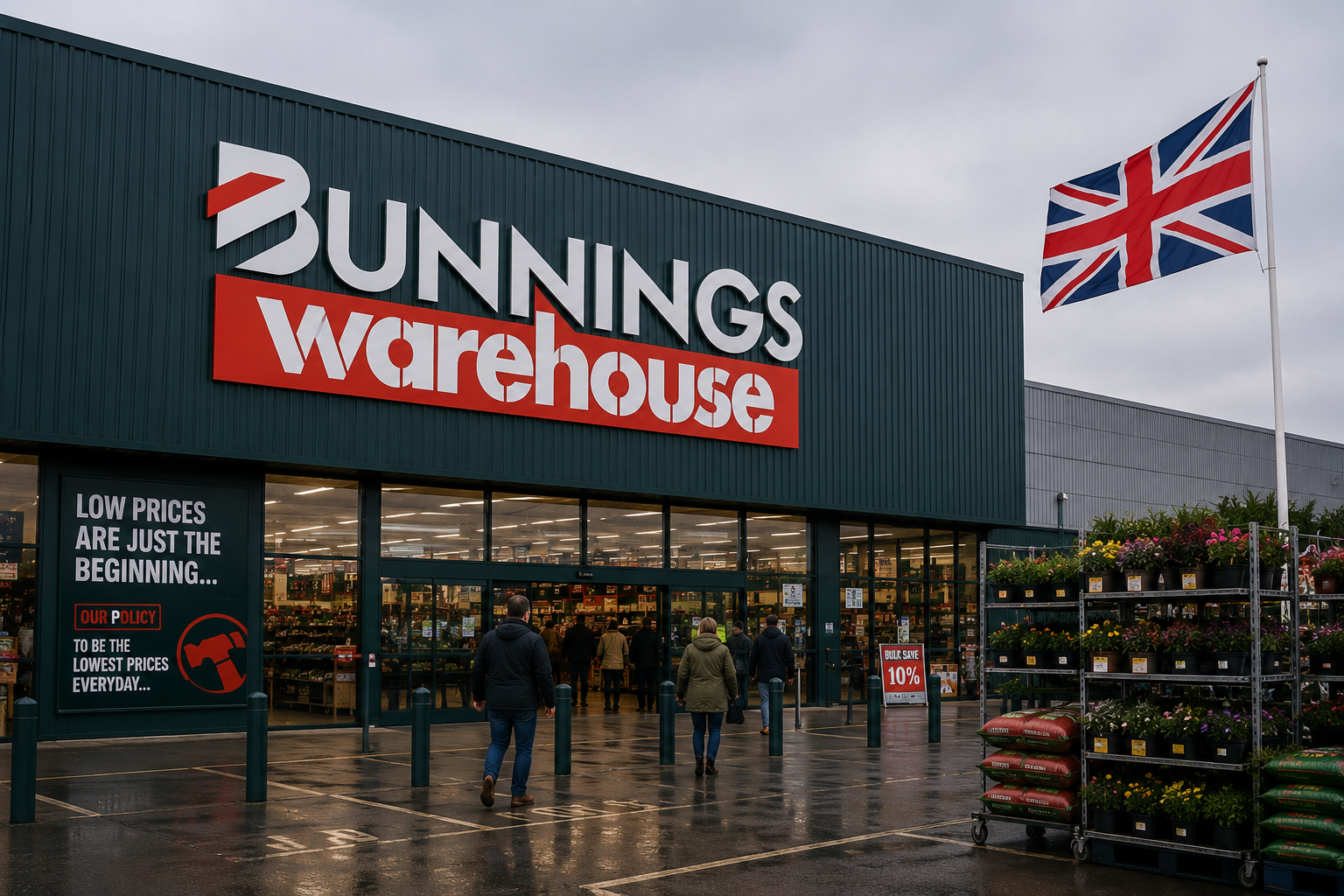
Bunnings is a useful Australian example because it shows that a strong domestic business may still struggle in a foreign market if the competitive landscape is different. Wesfarmers acquired the UK home improvement retailer Homebase in 2016 as a way to enter the British market and planned to convert stores to the Bunnings Warehouse model.
The expansion struggled. The UK hardware market already had established competitors, different customer expectations and a different retail environment. The Bunnings format that worked well in Australia did not transfer smoothly into the UK market. Wesfarmers later agreed to divest Homebase in 2018, with the company acknowledging that the investment had been disappointing and affected by poor execution and difficult market conditions.
Lesson: competitor activity can make expansion less feasible if the business cannot clearly differentiate itself, understand local rivals or transfer its domestic advantages into the new market.
How to write this in an exam
Competitor activity determines feasibility because the business must assess the strength of rival businesses already operating in the foreign market. If competitors have strong brand loyalty, large market share, low prices or better distribution, expansion may be less feasible because the business will need to spend more on marketing, reduce prices or create a clear point of difference. If competitor activity is lower or there is a gap in the market, expansion may be more feasible because the business has a stronger chance of attracting customers and building market share.
🎧 Prefer listening?
If you prefer listening to the content in podcast format:
🎥 Prefer watching?
If you prefer watching the content in video format:
🃏 Flashcards
Card 1 of 9
🎮 Revision Games
💰 BME Millionaire
Climb the prize ladder. Use your lifelines wisely.
👔 Business Boss
Make 10 expansion decisions. Balance demand, market fit, competition, cost and feasibility.
⚡ 60 Second Showdown
A varied 60-second challenge covering demand, consumption patterns and competitor activity.
Biz Fact: Southeast Asia’s potential consumer market is projected to become far larger than Australia’s by 2040, which is why many Australian businesses closely study demand, consumption patterns and competitors before expanding there.
Past Exam Questions
Use these past exam questions to see how this dotpoint has been assessed. Pay close attention to the command term, the number of marks and whether the question is Section 1 or Section 2.
Section 1 Questions
2017 — Section 1 — Question 5(c) — 3 marks
Context
The didgeridoo is a hollow eucalyptus hardwood wind instrument between one and three metres in length. Original didgeridoos have been crafted and decorated by Indigenous Australians for over 1500 years. It is still played throughout Australia today. The didgeridoo is taught in more music schools in Switzerland than anywhere else in the world. The most similar instrument to the didgeridoo is the Swiss horn.
5(c): Describe one factor that might determine the feasibility of expanding didgeridoo sales in European markets. (3 marks)
Command term focus: Describe
Describe: give the main characteristics of one feasibility factor and show how it could affect foreign market expansion.
See the full command term guide here: Command Terms.
5(c) Sample answer
One factor is the level of demand by consumers. If European customers, music schools and musicians have strong interest in authentic Indigenous Australian didgeridoos, expansion may be feasible because there would be enough customers to generate sales. This could result in higher revenue and justify the costs of promotion, shipping and distribution into European markets. However, if demand is limited to a small niche market, expansion may be less feasible because sales may not be high enough to cover these costs.
2021 — Section 1 — Question 4(c) — 6 marks
Context
A free trade agreement (FTA) is a treaty between two or more countries. As of 2021, Australia has 15 FTAs in force.
4(c): Australian owned businesses will need to consider factors that determine the feasibility of their expansion into foreign markets. Explain two of these factors. (6 marks)
One:
Two:
Command term focus: Explain
Explain: show cause and effect for two feasibility factors by linking each factor to whether expansion becomes more or less feasible.
See the full command term guide here: Command Terms.
4(c) Sample answer
One: The level of consumer demand determines feasibility because a business needs enough customers in the foreign market who are willing and able to buy its product. If demand is high, this means the business is more likely to generate sales, recover expansion costs and gain market share. As a result, expansion becomes more realistic and likely to succeed.
Two: Competitor activity also determines feasibility because strong competitors can make it harder for an Australian business to win customers. If competitors already have loyal customers, low prices or better distribution, the business may need to spend more on marketing or reduce prices. As a result, profit may fall and expansion may become less attractive.
2024 — Section 1 — Question 3(b) — 3 marks
Context
Rayz Umbrellas is a well-established Australian brand that sells a variety of beach, garden and commercial umbrellas within Australia. All umbrellas provide high UV protection and are made from water- and rust-resistant materials.
3(b): Explain how consumption patterns would affect the feasibility of Rayz Umbrellas expanding into a foreign market. (3 marks)
Command term focus: Explain
Explain: show cause and effect by linking Rayz Umbrellas’ consumption patterns to the feasibility of foreign expansion.
See the full command term guide here: Command Terms.
3(b) Sample answer
Consumption patterns would affect feasibility because Rayz Umbrellas needs to know whether consumers in the foreign market regularly buy beach, garden or commercial umbrellas. If consumers spend time outdoors, value UV protection and want durable water- and rust-resistant products, this means Rayz’s umbrellas match local buying behaviour. As a result, expansion may be more feasible because the product is more likely to attract customers and generate sales.
Section 2 Questions
2016 — Section 2 — Question 7(a) — 9 marks
Case study / context
An Australian business that produces quality dairy products is considering the feasibility of expanding its market into Asia. The business believes that this will take advantage of the increasing demand for Australian products by the growing middle class in Asia, due mainly to the unreliable quality of locally produced Asian products.
For its logo, designed for Australian markets, the business uses images of cows in green paddocks to emphasise the freshness and high quality of its products. However, the business is concerned that the current logo does not relate as well to its yoghurt and cheese products, the proposed export focus. The business needs to decide whether to standardise the current marketing mix, with a focus on ‘freshness’, or adapt a ‘uniquely Australian’ emphasis.
Prepare a report or essay for management addressing the following points:
7(a): explain three factors that determine the feasibility of expanding into Asia (9 marks)
Command term focus: Explain
Explain: show cause and effect for all three feasibility factors. Section 2 requires application to the Australian dairy business and Asian market.
See the full command term guide here: Command Terms.
7(a) Sample answer
One factor is the level of demand by consumers. The case states that the growing middle class in Asia is increasing demand for Australian products because locally produced products may be viewed as unreliable. This means the dairy company may have enough customers who value Australian quality and freshness. As a result, expansion into Asia may be more feasible because the business is more likely to generate sales from yoghurt and cheese products.
A second factor is consumption patterns. The business needs to know whether Asian consumers regularly buy and eat yoghurt and cheese, and whether they prefer freshness, quality or a uniquely Australian image. If these products and messages match local buying habits, this means the business can enter with fewer changes to its marketing mix. As a result, expansion may be more practical and less costly.
A third factor is competitor activity. The dairy company needs to investigate local Asian dairy producers and other international dairy brands already selling yoghurt and cheese. If competitors are weak or have quality concerns, this means the Australian business may be able to differentiate itself through trusted quality. As a result, it may gain market share more easily. If competitors are strong and already trusted, the business may need stronger branding and marketing, making expansion less feasible.
2020 — Section 2 — Question 6(d) — 6 marks
Case study / context
Ted and Roshan have recently completed their commerce degrees, majoring in tourism management. While at university, they have been operating a small tour company that organises weekend trips away for international students. Their tours have become popular and, since finishing university, they are keen to grow their business.
On their trips away, Ted and Roshan had many conversations with Singaporean students, who explained Perth’s appeal. Besides having top ranked universities, Perth has great weather and is only a five-hour flight from Singapore. The Singapore dollar and the Australian dollar are almost equal in value and Western Australia offers a huge choice of international cuisines. Ted and Roshan also learnt most Singaporeans speak English and that Singapore is one of the most tech savvy countries in the world.
For copyright reasons this image cannot be reproduced in the online version of this document.
The article also stated Singaporeans were big social media users, with most tourists flocking to tourist destinations they had seen on Instagram with people posing for selfies at places such as Cottesloe Beach, Wave Rock, the Pinnacles and, for the ultimate selfie, with a quokka at Rottnest Island.
During their research, Ted and Roshan discovered that Australia and Singapore enjoy a strong two-way investment relationship and that Singapore is Australia’s largest trade and investment partner in South-East Asia, having the Singapore-Australia Free Trade Agreement (SAFTA). They also read on the Department of Foreign Affairs and Trade (DFAT) website that Singapore is Australia’s sixth largest inbound tourism market and, in the year ending December 2019, Singaporean visitors spent $1.528 billion. Australia and Singapore also hold regular tourism talks and have established a framework for collaboration on research, data-sharing, and market insights to strengthen tourism collaboration.
Referring to the source information and your own knowledge, prepare a report or essay in which you answer the question parts below.
6(d): Describe two key factors that will determine the feasibility of Ted and Roshan expanding their business to access the Singapore market. Make a final recommendation, giving your reasons. (6 marks)
Command term focus: Describe + Recommendation
Describe: give the main characteristics of two feasibility factors. Then make a clear recommendation supported by evidence from the case.
See the full command term guide here: Command Terms.
6(d) Sample answer
One key factor is the level of demand by consumers. The case shows there is likely demand because Singapore is Australia’s sixth largest inbound tourism market and Singaporean visitors spent $1.528 billion in the year ending December 2019. This suggests Ted and Roshan may have enough potential Singaporean customers to make expansion feasible.
A second key factor is consumption patterns. Singaporeans are described as tech savvy, English-speaking and heavy social media users who are attracted to Instagram tourism destinations such as Cottesloe Beach, Wave Rock, the Pinnacles and Rottnest Island. This means Ted and Roshan can design and promote tours around social media-friendly locations. As a result, their tours are more likely to match how Singaporean tourists choose travel experiences.
Recommendation: Ted and Roshan should expand to access the Singapore market. There is evidence of strong demand, Perth is only a five-hour flight from Singapore, the currencies are almost equal in value, and the business can use social media to target Singaporean tourists who already value Western Australian destinations.
2022 — Section 2 — Question 9(d) — 8 marks
Case study / context
The demand for good-quality online education has increased in recent years, especially in geographic areas where accessing physical learning campuses has been challenging. It is estimated that by 2025, one billion students from around the globe will be actively seeking education and skill development, especially in business and entrepreneurship. In Australia, education counts as one of the nation’s largest export industries. Globally, the online learning industry is increasing rapidly, with many regional education hubs being established by competing international learning institutions.
EduOz.com is a technology-based business that specialises in developing online courses for people wanting to enhance their business skills and knowledge. These courses, currently written in English, comprise a set of individual topic modules with written content, videos and learning activities that relate to starting up a business enterprise. Domestically, EduOz.com has been successful in attracting a strong customer base. It now wants to expand its reach globally by introducing its online courses into foreign markets. The focus of EduOz.com is on becoming a global brand leader in business skill development for budding entrepreneurs around the world who want to start their own businesses.
In developing its online products, EduOz.com is aware that it needs to take into consideration various cultural issues, business regulations and local industry rivalry. The developers are unsure whether to create courses in different languages or to remain with their current courses written in English. Course content could be modified to reflect the diverse cultures, economic environments, government policies and legal requirements of a variety of countries. Currently, prospective students need to have a basic level of understanding of English literacy and numeracy to complete the current courses. EduOz.com needs to invest time and research into developing course content addressing business practices in the countries where it intends to sell its courses. It is also considering whether it should re-brand its products by creating a new name and catchy slogan for its entry into this market.
Referring to the case study and your own knowledge, answer the questions below.
9(d): Examine how both the level of consumer demand and competitor activity could determine the feasibility of EduOz.com expanding into a foreign market. (8 marks)
Command term focus: Examine
Examine: explain in detail how consumer demand and competitor activity could affect EduOz.com, including the effects on feasibility.
See the full command term guide here: Command Terms.
9(d) Sample answer
The level of consumer demand could make expansion more feasible for EduOz.com because the case states that demand for good-quality online education has increased and that many students around the world are seeking education and skill development, especially in business and entrepreneurship. This means there may be a large customer base for EduOz.com’s online business courses. As a result, expansion could be realistic if the business can convert this demand into course enrolments.
However, demand must be tested in each foreign market because EduOz.com’s current courses require English literacy and numeracy. If students in some markets do not have the required English skills, this means the actual demand for the current course format may be lower. As a result, EduOz.com may need to translate or adapt its courses, increasing costs and reducing feasibility.
Competitor activity could reduce feasibility because the case states that the online learning industry is growing rapidly and that many regional education hubs are being established by competing international learning institutions. This means EduOz.com may face strong rivals with established brands, local course content and better knowledge of local business regulations. As a result, EduOz.com may need to differentiate through high-quality Australian course content, language options, a new brand name or courses adapted to local business practices.
2023 — Section 2 — Question 7(c) — 6 marks
Case study / context
Giacomo and Chris own a number of wellness centres around Australia. The centres’ philosophy and corporate slogan is ‘Commit to a healthy lifestyle’. The centres include spaces for Pilates, yoga and personal training, as well as a dedicated nutrition area, where clients can complete educational courses on food and participate in cooking classes. They have found having a one-stop location for their clients has led to success in their businesses across Australia.
After successfully expanding throughout Australia, Giacomo and Chris have decided it is time to enter the South-East Asian market. They have sourced locations to open their wellness centres and are in the final decision-making process for staffing and branding. They are also keen to replicate the same experiences that their Australian customers receive.
Chris and Giacomo believe the South-East Asian market has great growth potential; they have chosen places to which many Australians have relocated. With the right marketing strategies, Chris and Giacomo believe this planned expansion will be very successful.
They think the demand in South-East Asia for the wellness centres will be very high as two out of every five adults are classified as overweight, with the need for diet and exercise interventions becoming higher by the day. As a result of their research on South-East Asia, they believe they have found a gap in the market, as their closest competitors are wellness resorts and not separate wellness centres.
It was decided that Giacomo would relocate to South-East Asia to implement the policy and procedures of the Australian branches. Giacomo is very assertive in his instructions; however, he maintains a motivational approach with his employees, gathering their opinions on minor decisions to help them feel a part of the business. Giacomo is very self-disciplined and wants to learn additional skills in his leadership journey to ensure the centres will succeed in the South-East Asian locations.
Refer to the case study and your own knowledge to answer the questions below.
7(c): Explain two factors to Giacomo and Chris that determine the feasibility of expanding into foreign markets. (6 marks)
Command term focus: Explain
Explain: show cause and effect for two feasibility factors. Section 2 requires application to Giacomo and Chris and the South-East Asian market.
See the full command term guide here: Command Terms.
7(c) Sample answer
One factor is the level of demand by consumers. The case states that demand in South-East Asia for wellness centres is expected to be high because two out of every five adults are classified as overweight and the need for diet and exercise support is increasing. This means Giacomo and Chris may have enough potential customers to support Pilates, yoga, personal training and nutrition services. As a result, expansion may be more feasible because the business has a stronger chance of generating sales and recovering set-up costs.
A second factor is competitor activity. The case states that their closest competitors are wellness resorts rather than separate wellness centres, suggesting there may be a gap in the market. This means Giacomo and Chris can position their business as an everyday wellness centre rather than a resort. As a result, expansion may be more feasible because they have a clearer point of difference and a better chance of gaining market share.