
U1.11 — The Concepts of Market and Marketing
Overview
Dotpoint 11: The Concepts of Market and Marketing
Market and marketing are closely related terms in business, but they mean different things.
In simple terms, a market is the environment where buyers and sellers come together to exchange goods or services, while marketing is the set of activities a business undertakes to reach that market and satisfy customer needs.
What is a Market?
A market is where buyers and sellers come together to buy and sell goods or services.
It doesn’t have to be a physical location – it can be physical (like a shop or a cafe) or virtual (like an online store or auction site).
Essentially, whenever consumers and producers are engaging in transactions, a market exists.
Physical Markets:
Physical markets are real-world places where buyers and sellers interact face-to-face. These can be formal, structured markets (like shopping centres) or informal markets (like swap meets). Western Australia has many types of physical markets. Some popular market places include:
Retail Shopping Centres
Retail shopping centres operate as conglomerate markets, where many different types of businesses sell a wide range of unrelated products in the same location and compete for the same customers.
These centres bring together supermarkets, fashion retailers, electronics stores, homewares, beauty services and entertainment under one roof, creating a multi-business marketplace.
WA examples include:
- Karrinyup Shopping Centre
- Westfield Carousel (Cannington)
- Lakeside Joondalup
- Perth CBD retail strip (Murray & Hay Street Malls)


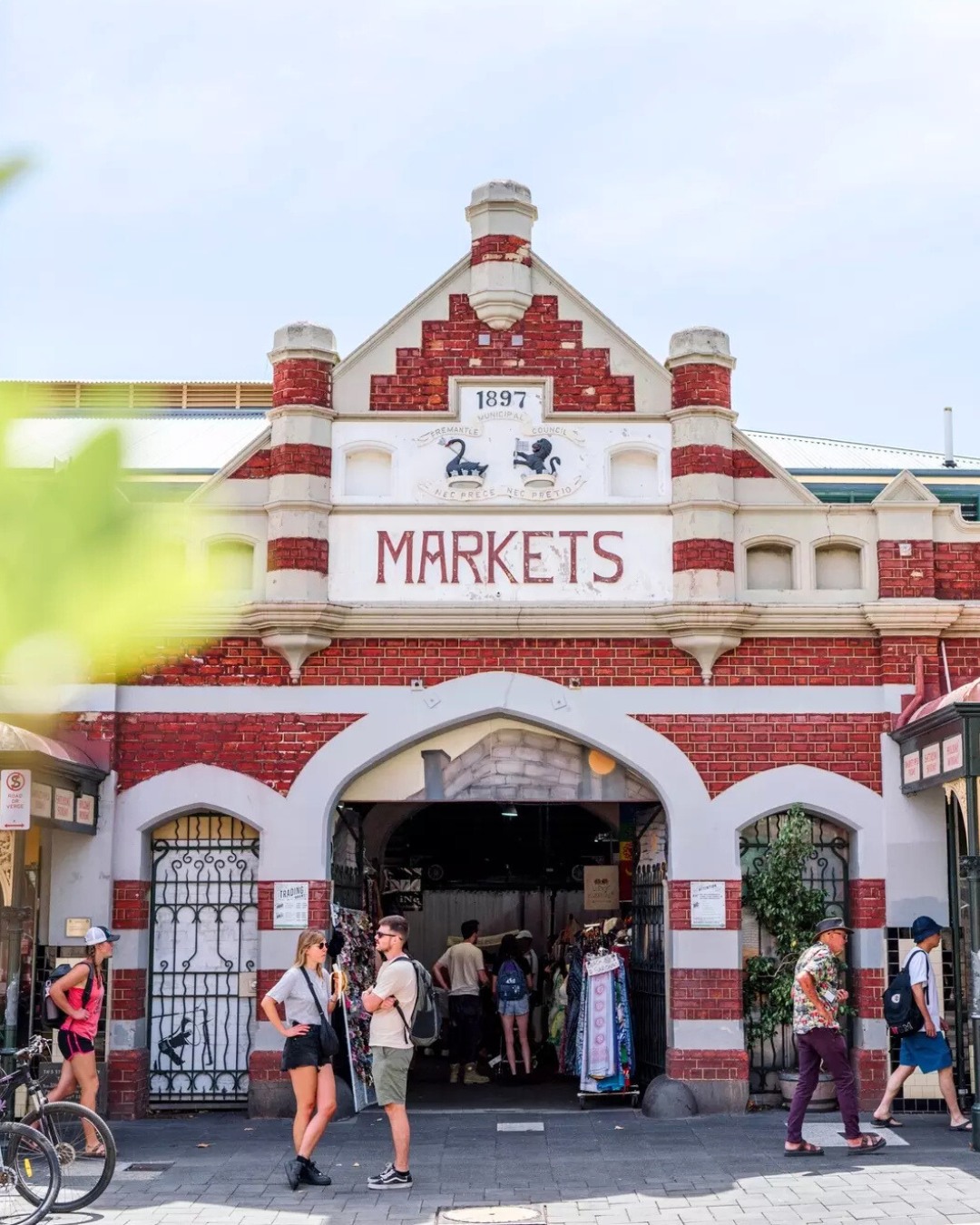
Food & Produce Markets
- Mt Claremont Farmers’ Market – local growers selling fresh WA produce
- Fremantle Markets – fresh food + crafts + art
- Subiaco Farmers Market – community-based fresh produce
These markets involve direct producer-to-customer exchange.
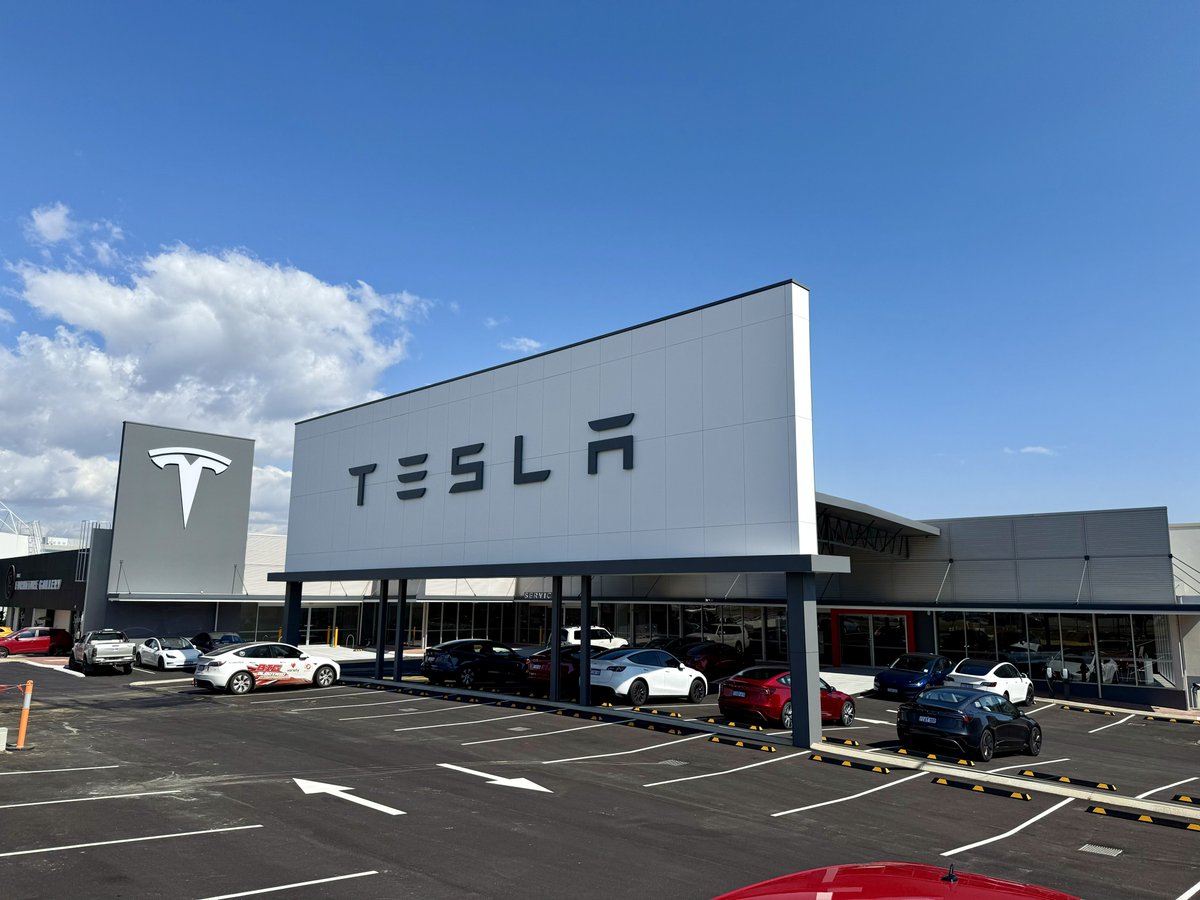
Vehicle Markets
- Melville Automotive Precinct (Leach Highway “Motoring Mile”)
- Car yards in Osborne Park
These are examples of cluster markets, where similar businesses group together so customers can compare options easily.
Property Market
The Perth property market is another major physical market, where buyers and sellers exchange homes and land through inspections, auctions and real estate agencies. It is one of Perth’s biggest markets because thousands of properties are bought and sold each year, involving large amounts of money, finance providers and professional services (agents, conveyancers and builders).
Online Markets:
These are platforms where buying and selling happen online. In WA, people commonly use:
- Gumtree Perth: One of WA’s biggest online markets for second-hand goods, cars, jobs and rental listings.
- Facebook Marketplace: Used across Perth and regional WA for buying and selling locally.
- eBay Australia: Allows WA buyers and sellers to trade nationally and internationally.
- Amazon Australia: Used by WA consumers to purchase a wide range of new products online.
- ASX (Australian Securities Exchange): An online market where investors buy and sell shares in listed companies.
The market in these examples is not a location — it's the network of buyers and sellers connected through an online platform.

Market as a Group of Customers:
In business, we often use market to mean the group of potential customers for a product. For instance, the market for vegan foods in Australia refers to all consumers who might buy plant-based products. This can be a mass market (a very large group, like all soft drink consumers) or a niche market (a small, specialized group, like consumers of sugar-free organic kombucha).


What is Marketing?
If the market is who and where the buying happens, then marketing is how businesses connect with that market and persuade consumers to choose their product or service.
Marketing is the process of planning and executing various activities — like setting the right price, promoting the product, and distributing it to the right places — in order to satisfy customer needs and achieve the company’s goals.
In other words, marketing is everything a business does to attract and retain customers in its market.
For example, JB Hi-Fi uses bold signage, in-store promotions, catalogues and online advertising to draw customers into its stores and website.

Market vs Marketing: Key Differences
To avoid confusion, remember these key distinctions between market and marketing:
Market = Who/Where: The market is the group of potential buyers or the arena in which buying and selling happen. It can be a location or a category of customers. For example, the Australian smartphone market means all the people in Australia interested in buying smartphones (and the places they buy them).
Marketing = How: Marketing is what businesses do to connect with that group. It’s the strategy and actions – from advertising campaigns and social media posts to product design and customer service – aimed at attracting customers and fulfilling their needs, thereby encouraging exchanges (sales) in the market.
WA Examples to Illustrate the Concepts
Local Example – Surf Shop (Scarborough, WA)
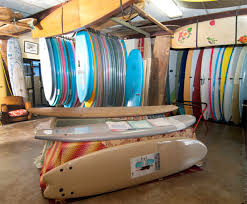
Imagine you own a surf shop on Scarborough Beach. Your market includes local surfers, beginners, and tourists visiting the foreshore — and the store itself is a physical market where customers come in to buy boards, wetsuits and accessories.
Your marketing might include:
- posting surf-condition updates on Instagram
- offering beginner weekend lessons
- running TikTok ads during summer
- selling WA-made boards and surf gear
Perth Supermarkets
The supermarket market in WA includes shoppers across Perth buying groceries each week and major competitors like Coles, Woolworths, Aldi and IGA.
Their marketing includes:
- weekly catalogues and TV ads
- Everyday Rewards & Flybuys programs
- sponsoring WA events (e.g., Coles supporting Telethon)
- digital promotions through apps and social media

🎧 Prefer listening?
If you prefer listening to the content in Podcast format:
🎥 Prefer watching?
If you prefer watching the content in video format:
Biz Fact: Bunnings is so dominant in Australia that it controls over 50% of the hardware market nationwide.