
U1.12 - Differences between Market Size and Market Share
Overview
Dotpoint 12: Differences between Market Size and Market Share
This dotpoint focuses on two closely related measures:
- Market size
- Market share
Market size tells you how big the whole market is, while market share tells you how much of that market one business controls.
A simple way to remember the difference is: market size = the whole market, while market share = one business's slice of it.

What is Market Size?
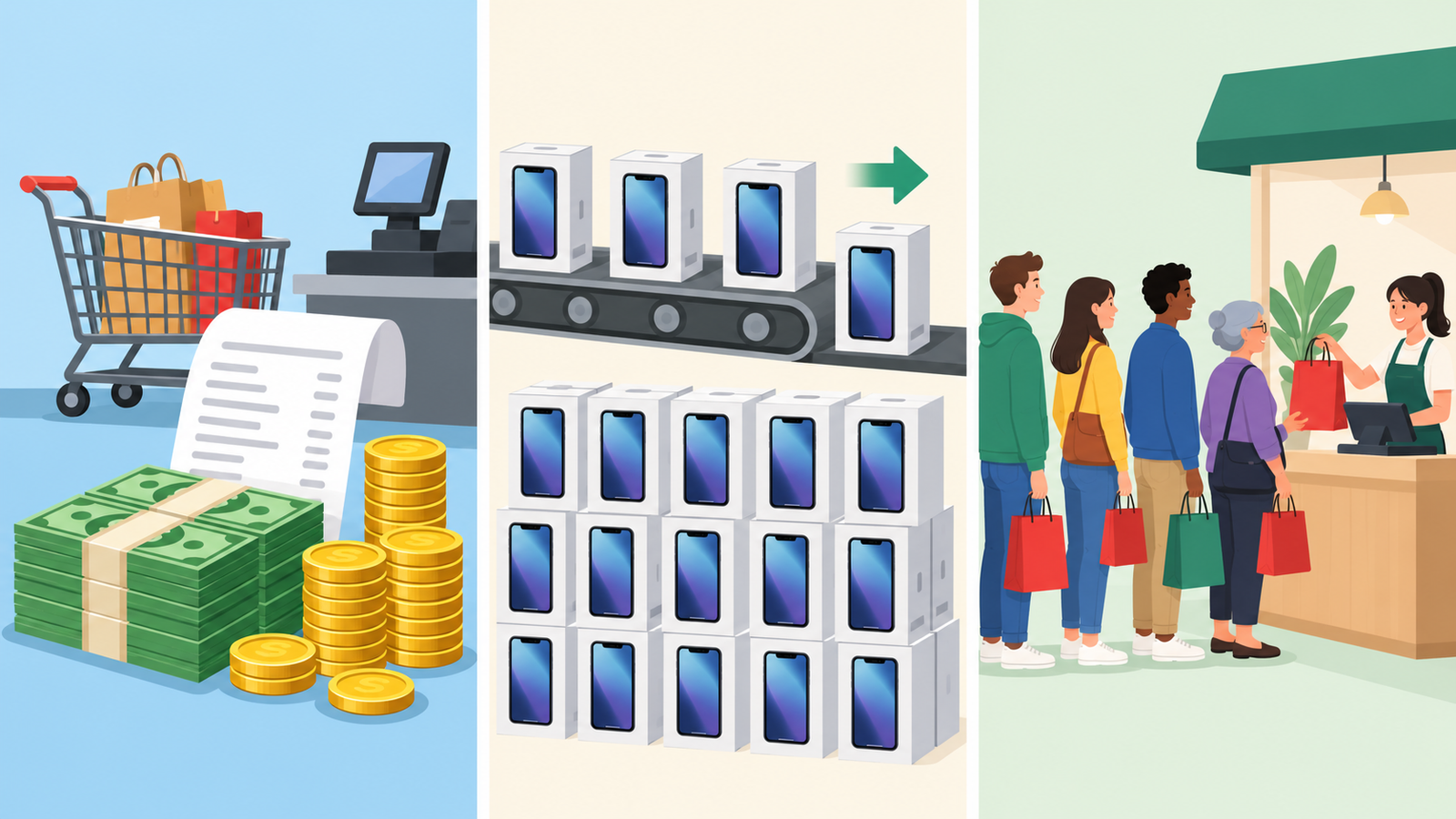
Market size is the total value or volume of sales in an entire market over a specific period of time, usually one year.
It shows how large the overall market is, rather than how much one individual business sells.
How market size can be measured
- Dollar value - the total amount of money spent in the market.
For example, the total value of sports shoe sales in Australia each year. - Units sold - the total number of products sold.
For example, the total number of smartphones sold worldwide each year. - Number of customers - the total number of people purchasing or using a product or service.
For example, the number of Australians who have a gym membership.
Markets can vary enormously in size
Some markets operate globally and generate trillions of dollars in sales, while smaller national or local markets may be worth billions or millions.
| Market size | Examples |
|---|---|
| Trillion-dollar markets | 🚗 Car industry, 🏗️ Construction industry |
| Billion-dollar markets | 📱 Smartphone industry, 💄 Cosmetics and skincare industry |
| Million-dollar markets | 🏋️ Local gym market, ☕ Local café market |
Why market size matters to businesses
Understanding market size helps a business judge the potential demand and sales opportunities available in a market.
A large or growing market may provide greater opportunities for businesses to increase sales, attract new customers and expand. However, large markets may also attract more competitors.
A small market may provide fewer potential customers but can still be attractive where a business successfully targets a specialised or niche group.
Example of how to write this in an exam
Market size is the total value or volume of sales in an entire market over a set period of time. It can be measured using the dollar value of sales, the number of units sold or the number of customers. For example, the size of the Australian smartphone market could be measured by the total number or value of smartphones sold in Australia during a year. A large or growing market may provide businesses with greater opportunities because there is more overall customer demand available.
What is Market Share?
Market share is the percentage of total sales in a market that is controlled by one business.
It shows how much of the overall market a business has compared with its competitors.
How market share is calculated
Other ways market share can be measured
- Units sold - comparing the number of units sold by one business with total units sold in the market.
- Number of customers - in some markets, comparing the number of customers using one business with the total number of customers in the market.
Simple example
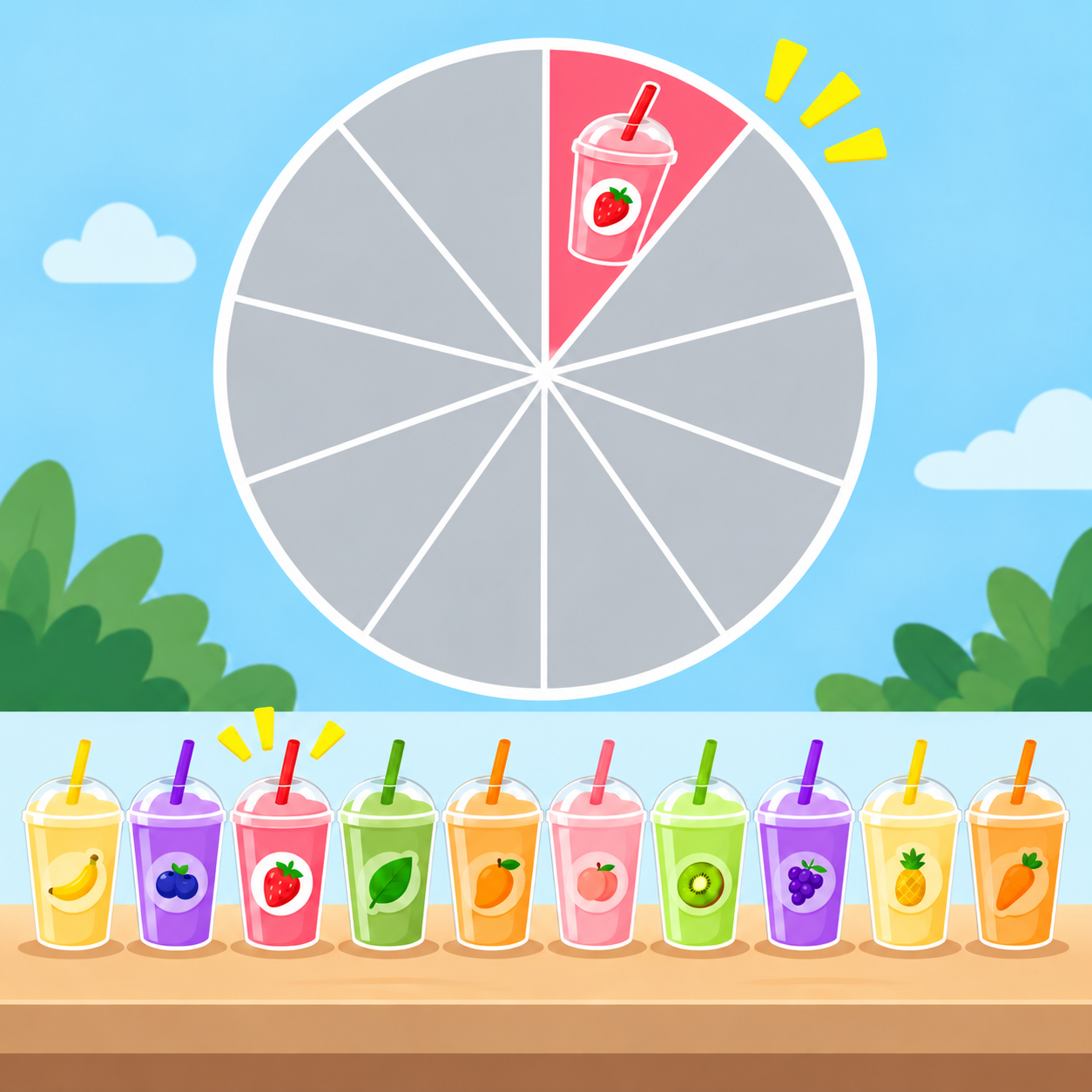
If a smoothie shop sells $200,000 worth of smoothies in a year and the total smoothie market is worth $2,000,000, then:
Market Share = ($200,000 ÷ $2,000,000) × 100
Market Share = 10%
This means the smoothie shop accounts for 10% of all sales in that market.
Businesses with large market shares
In some markets, one or a small number of businesses can control a large percentage of total sales.
| Market | Examples |
|---|---|
| Web search | |
| Desktop operating systems | Microsoft Windows |
| Card payment networks | Visa, Mastercard |
| Advanced chipmaking equipment | ASML |
Why market share matters to businesses
Market share helps a business understand its competitive position within a market.
A business with a high market share may have:
- stronger brand recognition
- a larger customer base
- greater bargaining power with suppliers
- economies of scale
- more influence over competitors and market trends.
A business with a low market share may still be successful, particularly if it operates in a specialised or niche part of the market.
Businesses often aim to increase market share by attracting customers from competitors, entering new market segments, improving products or services, changing prices or increasing promotion.
Example of how to write this in an exam
Market share is the percentage of total market sales controlled by one business. It is calculated by dividing the business's sales by total market sales and multiplying by 100. For example, if a smoothie shop sells $200,000 in a market worth $2 million, it has a 10% market share. Market share allows a business to compare its competitive position with other businesses operating in the same market.
Market Size vs Market Share
Key differences
| Market Size | Market Share | |
|---|---|---|
| What it measures | The total size of the whole market. | One business's portion of the total market. |
| What it looks at | Total sales, customers or units across the entire market. | One business compared with all competitors. |
| How it is shown | Dollars, units or number of customers. | Percentage (%). |
| Main use | Helps identify whether a market is large, small, growing or shrinking. | Helps assess how strongly a business is competing within the market. |
A simple way to remember the difference is:
Market size = How big is the whole market?
Market share = How much of that market does one business have?
How businesses use market size and market share
How businesses use market size
"Is this market worth being in?"
- Growth planning - a large or growing market may provide more opportunities for future sales.
- Risk assessment - a shrinking market may limit future growth, even for businesses that currently perform well.
- Expansion decisions - businesses can use market size information when deciding whether to launch new products, enter new regions or target new customer groups.
- Long-term potential - larger markets generally provide greater opportunities for businesses to grow over time.
How businesses use market share
"How well are we competing in this market?"
- Performance tracking - changes in market share show whether a business is gaining or losing ground against competitors.
- Competitive position - a high market share may indicate strong brand awareness, customer loyalty or sales performance.
- Goal setting - businesses can set targets such as increasing market share from 10% to 12%.
- Marketing strategy - falling market share may encourage a business to change its pricing, promotion, product or customer service.
The two measures should be considered together
Market size and market share provide different information, so businesses often analyse both.
For example, a business could have a small market share in a rapidly growing market, meaning there may still be significant opportunities for expansion.
Alternatively, a business could have a large market share in a shrinking market, meaning it performs strongly against competitors but may face limited future growth.
Example of how to write this in an exam
Market size measures the total value, units or customers in the whole market, while market share measures the percentage of that market controlled by one business. For example, the total value of supermarket sales in WA represents market size, while the percentage of those sales earned by one supermarket chain represents its market share. Therefore, market size helps a business assess the overall attractiveness and growth potential of a market, while market share helps it assess its competitive position within that market.
🎧 Prefer listening?
If you prefer listening to the content in podcast format.
🎥 Prefer watching?
If you prefer watching the content in video format.
🃏 Flashcards
Card 1 of 8
🎮 Revision Game
💰 BME Millionaire
Climb the ladder by mastering market size and market share.
Biz Fact: A business can grow sales but still lose market share if the whole market grows faster.