
U1.18 — Customer Profiling
Overview
Dotpoint 18: The use of customer profiling to determine customer needs and expectations
Customer profiling helps businesses understand who their customers are, what they value, and what standard of service they expect.
This makes marketing and service delivery more accurate, because decisions are based on real customer groups instead of guesses.
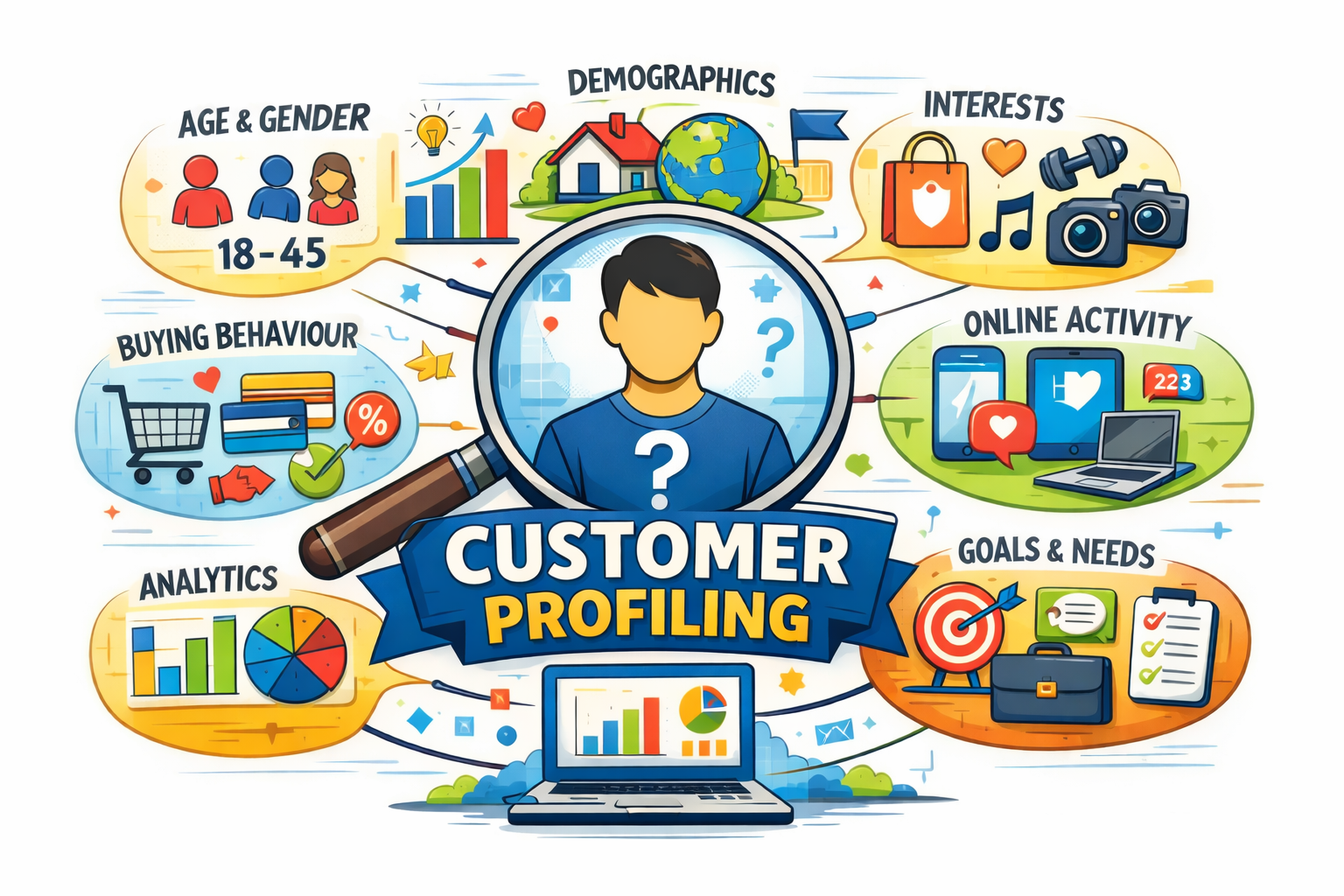
What is Customer Profiling?
Customer profiling is the process of collecting and analysing customer information to build profiles (or personas) that represent typical customer groups in a target market.
Profiling is used to work out two things:
- Needs: what customers require to solve their problem (the “must-haves”).
- Expectations: the standard they assume the business will meet (the “baseline”).
Why it matters
- More accurate marketing: messages match what the customer actually cares about.
- Better service design: the experience meets the standard customers expect.
- More repeat customers: expectations met consistently leads to loyalty.
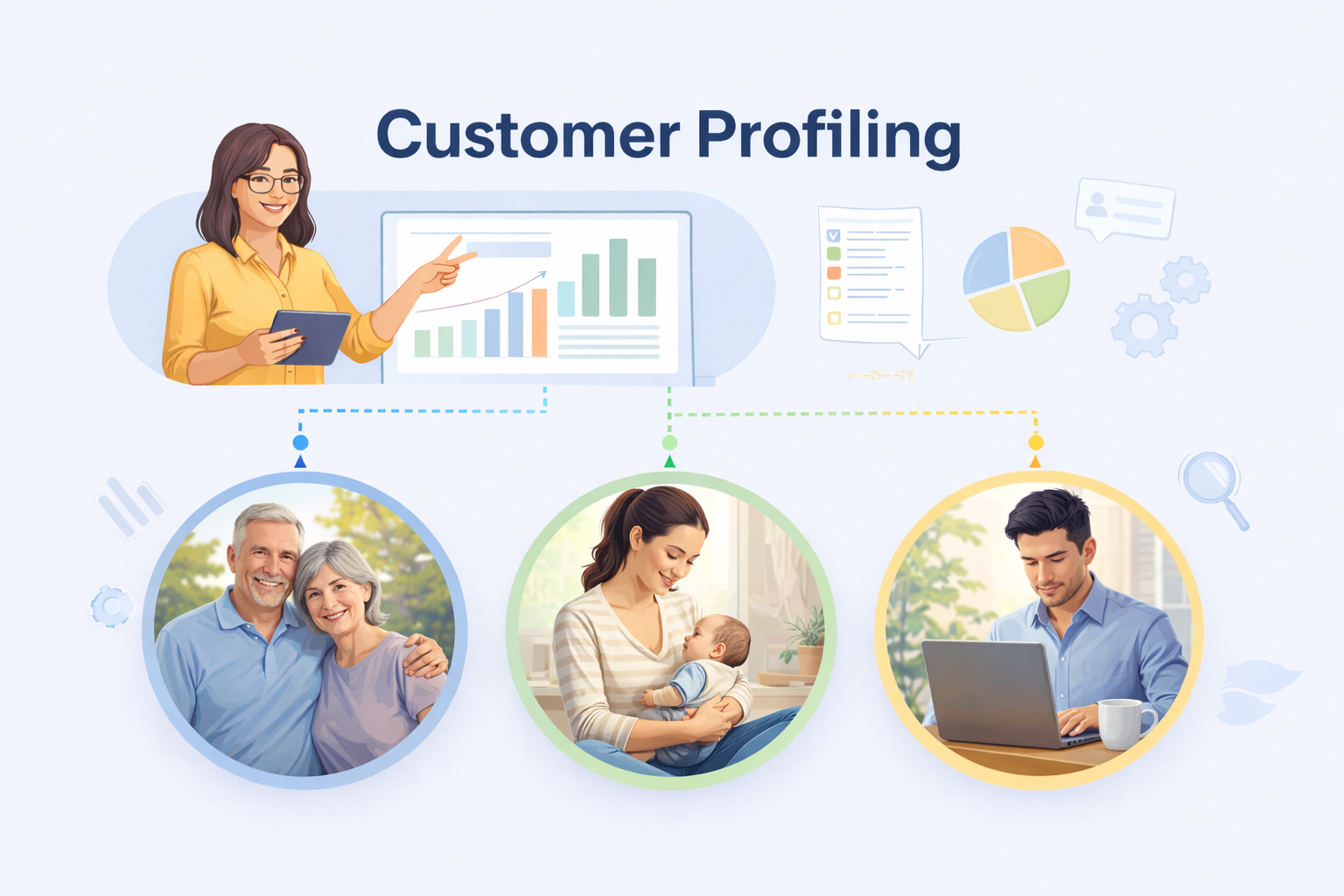
Market Segmentation vs Target Market vs Customer Profiling
These are linked, but they are not the same. A strong answer shows the difference.
Market Segmentation
- Meaning: dividing the whole market into groups.
- Output: customer segments (e.g. students, families, FIFO workers).
- Use: shows the different types of customers that exist.
- Example: a gym splits the market into students, FIFO workers, and parents.
Target Market
- Meaning: choosing which segment(s) to focus on.
- Output: the main customer group(s) the business wants.
- Use: guides where marketing money and effort goes.
- Example: the gym targets FIFO workers using flexible membership pauses.
Customer Profiling
- Meaning: building a detailed picture of the target customers.
- Output: profiles/personas (needs, expectations, habits, preferences).
- Use: helps design the product/service and customer experience.
- Example: “FIFO worker, time-poor, wants 24/7 access, hates lock-in contracts, expects fast sign-up via app.”
Memory Tip
Segmentation = divide. Target market = decide. Profiling = describe.
What Data is Used in Customer Profiling?
Customer profiling uses both quantitative (numbers) and qualitative (opinions/attitudes) data.
Common data used
- Demographic: age, income, occupation, family status
- Geographic: location, suburb, city
- Psychographic: lifestyle, values, interests
- Behavioural: buying habits, brand loyalty, frequency of purchase
What the profile helps reveal
- What customers value most (speed, quality, price, convenience, experience)
- How sensitive they are to price changes or discounts
- What standard of service they assume will happen
- How they prefer to purchase (online, in-store, bookings, delivery)
Example Customer Profile → Needs and Expectations
This example shows how customer profiling works in real life. A business builds a profile of a customer group, then uses it to predict needs and expectations.
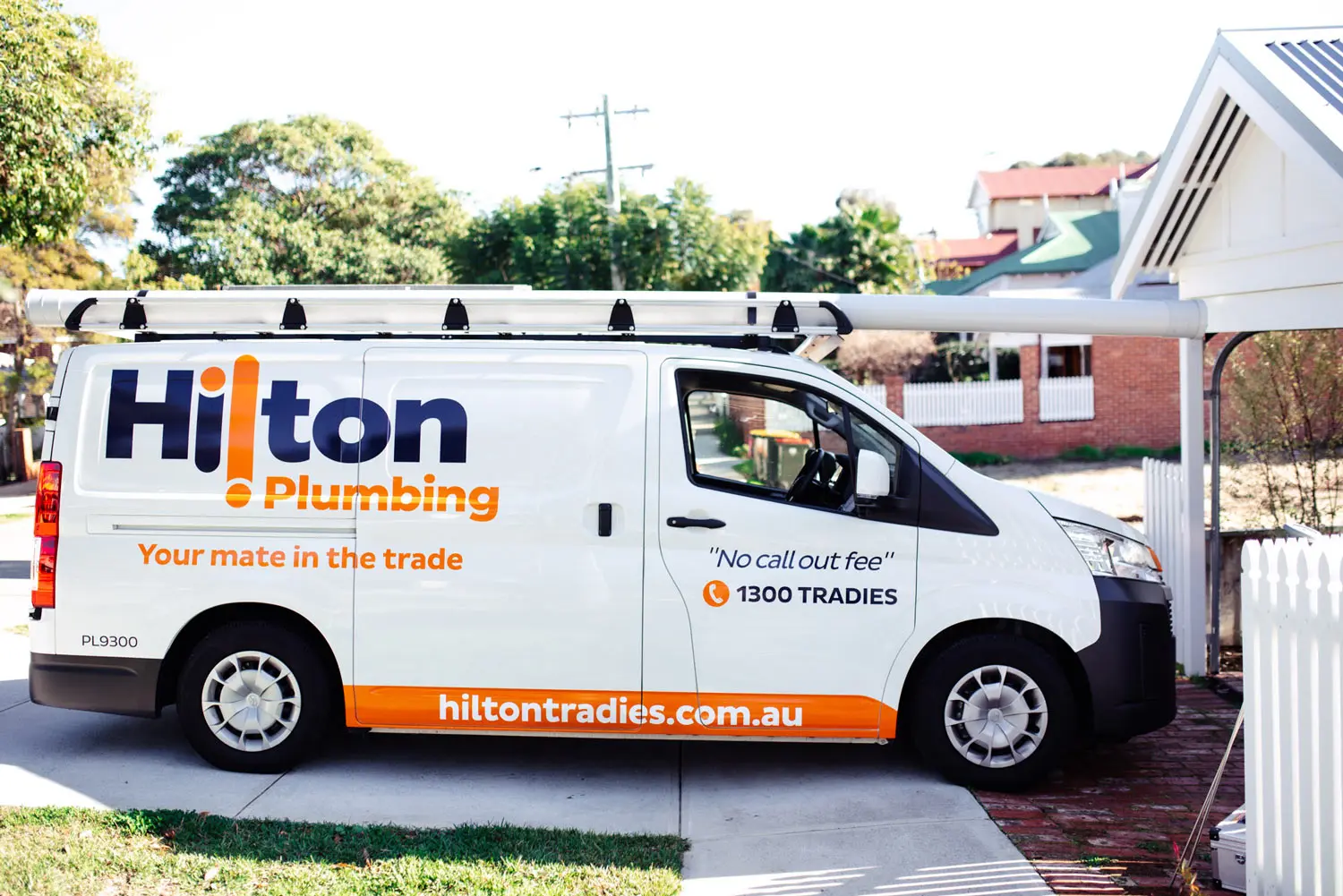
Business: Perth Residential Plumbing Service
Customer Profile: Time-poor Perth Homeowners (Aged 30–50)
- Who they are: full-time working homeowners living in Perth suburbs.
- Typical situation: plumbing problems are urgent and disruptive (blocked drain, leaking tap, burst pipe).
- How they behave: search on a phone, compare 2–3 plumbers, read Google reviews, prefer quick online contact.
- Main concern: avoiding hidden costs and unreliable tradies who don’t show up on time.
- Decision factor: chooses the plumber that seems most trustworthy and responsive, even if not the cheapest.
Customer needs (what this group requires)
- Clear pricing: upfront quotes and a clear explanation of what is included.
- Convenience: fast booking, flexible time slots, and easy contact options.
- Reliable outcome: the problem fixed properly the first time using quality parts.
Customer expectations (what they assume should happen)
- Professional communication: quick replies, clear updates, and simple explanations.
- Punctuality: arriving on time, or notifying the customer if running late.
- Trust: no hidden fees, honest advice, and a clear invoice.
How the business responds (what changes based on the profile)
- Product/service: fixed-price packages for common plumbing jobs (blocked drain, leaking tap), plus emergency call-out options.
- Price: written quotes before work begins, transparent call-out fees, and clear add-on pricing for parts.
- Promotion: focus on reviews, “no hidden costs” messaging, before/after photos, and clear service listings.
- Place/process: online booking form, SMS confirmations, arrival-time updates, and follow-up messages after the job.
Case Study
Case Study — A Perth Ice Bath / Recovery Studio
This studio profiles different customer groups so it can match sessions, pricing and service to what each group values and expects.
Profile 1 — Performance-focused
- Who: athletes, gym-goers, people training for sport.
- Motivation: recovery results (reduced soreness, faster bounce-back).
- Behaviours: books regularly, tracks routines, wants clear structure.
- Needs/Expectations: consistent temp, clean setup, sessions run on time.

Business response
- Service: structured “performance protocol” session options.
- Process: consistent timing + clear instructions each visit.
- Promotion: recovery benefits, testimonials, sport-focused messaging.
- Price: packs/memberships for frequent users.
Profile 2 — Wellbeing-focused
- Who: stress relief customers, people trying recovery for calm.
- Motivation: mood, relaxation, “reset”, mental wellbeing.
- Behaviours: may be nervous first time, wants reassurance.
- Needs/Expectations: supportive staff, clear guidance, calm environment.

Business response
- Service: beginner-friendly sessions + optional coaching.
- Environment: calmer time slots, comfort-focused setup.
- Promotion: stress relief and wellbeing messaging.
- Process: easy FAQs + “what to expect” instructions.
Profile 3 — Time-poor professionals
- Who: busy workers (CBD/office), parents, tight schedules.
- Motivation: quick recovery + convenience.
- Behaviours: books last-minute, prefers online booking.
- Needs/Expectations: fast booking, predictable times, no delays.

Business response
- Place/process: online booking + reminders + quick check-in.
- Service: “express session” option with set time blocks.
- Promotion: convenience messaging (“in and out fast”).
- Price: simple tiers (casual vs packs).

Biz Fact: Netflix groups viewers into over 2,000 taste profiles — so it knows what you’ll binge next.