
U1.21 — The Use of Technologies to Facilitate Promotional Activities
Overview
Dotpoint 21: the use of technologies to facilitate promotional activities, including: online advertising, social media, mobile applications, e-newsletters and e-commerce
Technology has transformed how businesses promote their products and services. Instead of relying only on traditional mass media, businesses now use digital tools to target specific customers, personalise messages and track results instantly.
This makes promotion more efficient, flexible and cost-effective, helping businesses reach the right audience at the right time.
The five technologies in this dotpoint are:
- Online advertising
- Social media
- Mobile applications
- E-newsletters
- E-commerce
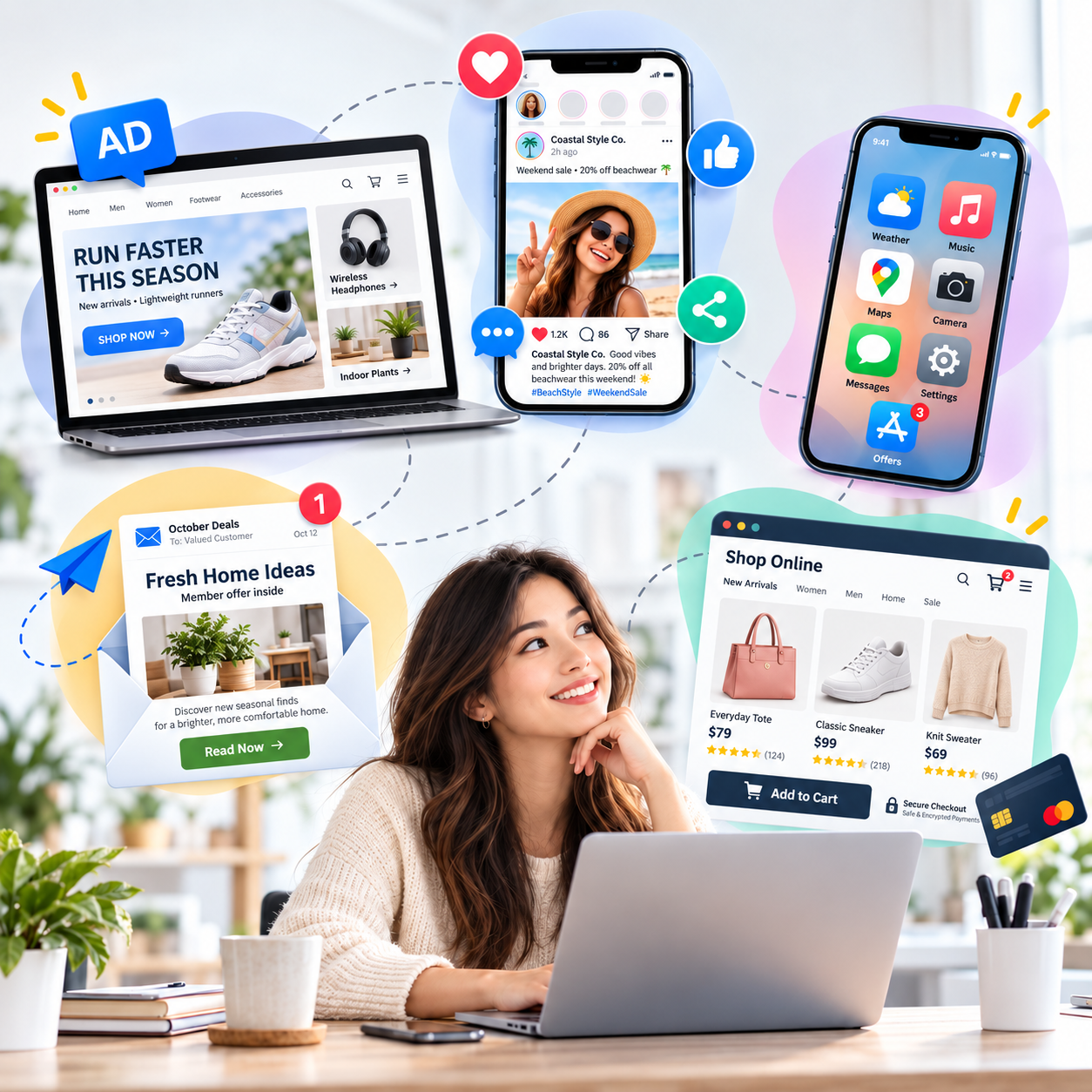
💻 Online Advertising
Online advertising involves paid promotions displayed on websites, search engines, apps and video platforms.
How online advertising works
Businesses pay to place promotional messages in front of people while they are searching, browsing websites, using apps or watching digital video. The main benefit is that the advertisement can be shown to a much more specific audience than traditional mass media.
Common forms of online advertising
- Search engine advertising: paid results that appear when customers search for particular words or services.
- Display advertising: banner or image advertisements shown across websites.
- Video advertising: promotional videos shown before or during online content.
- Retargeting: advertisements shown to users who previously visited the business's website but did not purchase.
Modern online advertising uses data, algorithms and artificial intelligence to target users according to factors such as search history, location, age, interests and previous online behaviour. This helps the business show a more relevant message to people who are more likely to be interested.
Businesses can also monitor results such as views, clicks and conversions, then change the audience, message or budget if the campaign is not performing well.
Advantages
- Highly targeted: advertisements can be directed toward particular customer groups rather than the whole market.
- Measurable: businesses can track views, clicks and customer actions to assess effectiveness.
- Flexible: advertisements, budgets and audiences can be changed quickly if results are weak.
- Potentially cost-effective: a small business can reach relevant customers without paying for a large mass-media campaign.
Limitations
- Ad avoidance: users may ignore, skip or block online advertisements.
- Competition: popular search terms and audiences can become expensive when many businesses compete for them.
- Poor targeting: money can be wasted if the business selects the wrong audience or keywords.
- Privacy concerns: customers may be uncomfortable with highly personalised advertising based on their online behaviour.
Examples
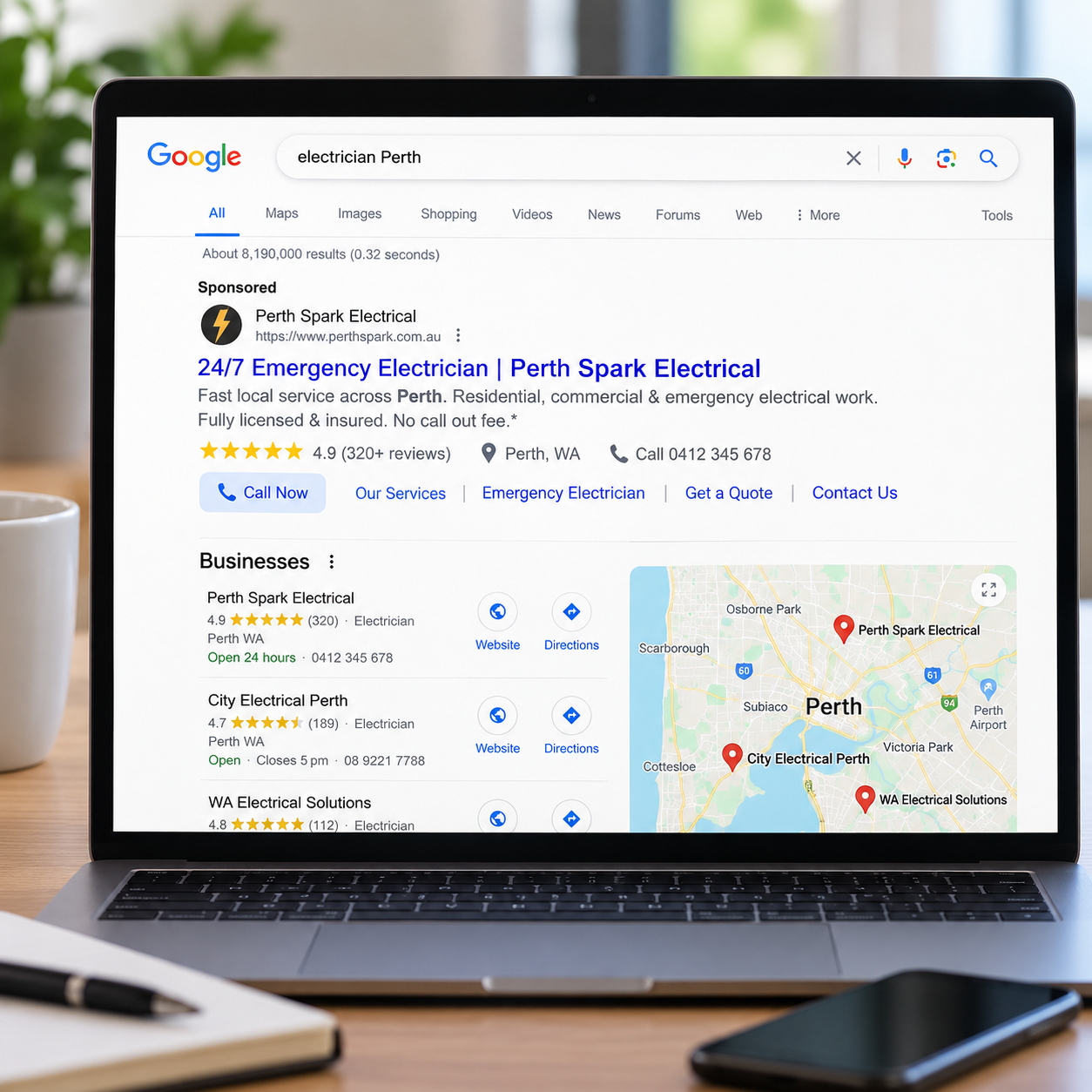
- Local services: a Perth electrician pays for Google Ads so the business appears when people search “electrician Perth”.
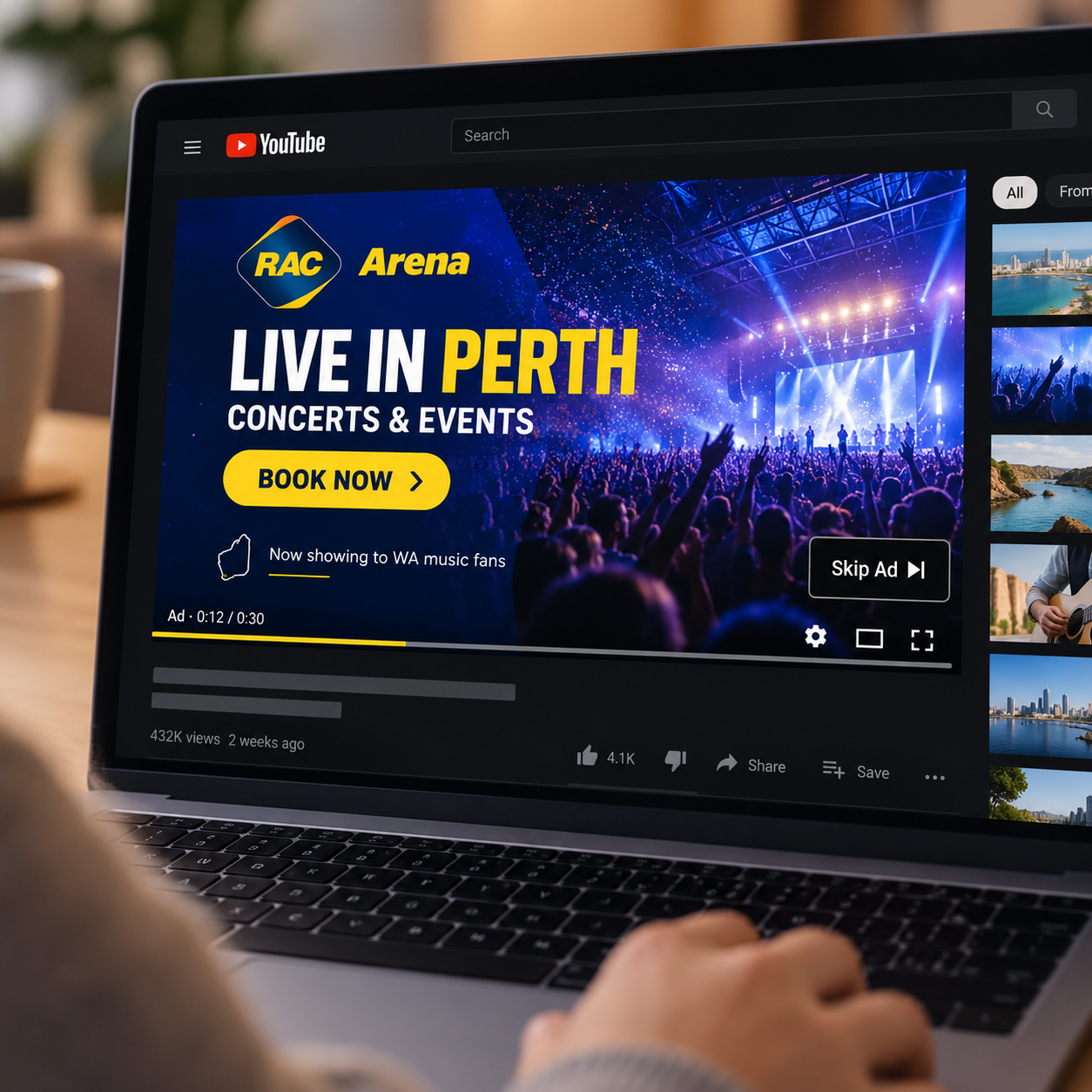
- Events: RAC Arena promotes concerts through YouTube pre-roll advertisements targeted to WA audiences.
- Tourism: Rottnest Express uses retargeting advertisements to reach people who viewed ferry times but did not book.
In each example, the technology helps the business reach customers who are already more likely to be interested, rather than promoting to everyone.
Example of how to write this in an exam
Online advertising involves paid digital promotions displayed on websites, search engines, apps and video platforms. For example, a Perth electrician may pay for a Google search advertisement so the business appears when local customers search “electrician Perth”. This allows the business to target people who are already showing an interest in the service rather than paying to advertise to a broad audience. The electrician can also measure clicks and enquiries and adjust keywords or spending if the advertisement is not generating results. Therefore, online advertising can make promotion more targeted and measurable, although popular search terms may become expensive when many competitors bid for the same customers.
📱 Social Media
Social media platforms allow businesses to promote products through both paid advertising and organic content.
How social media facilitates promotion
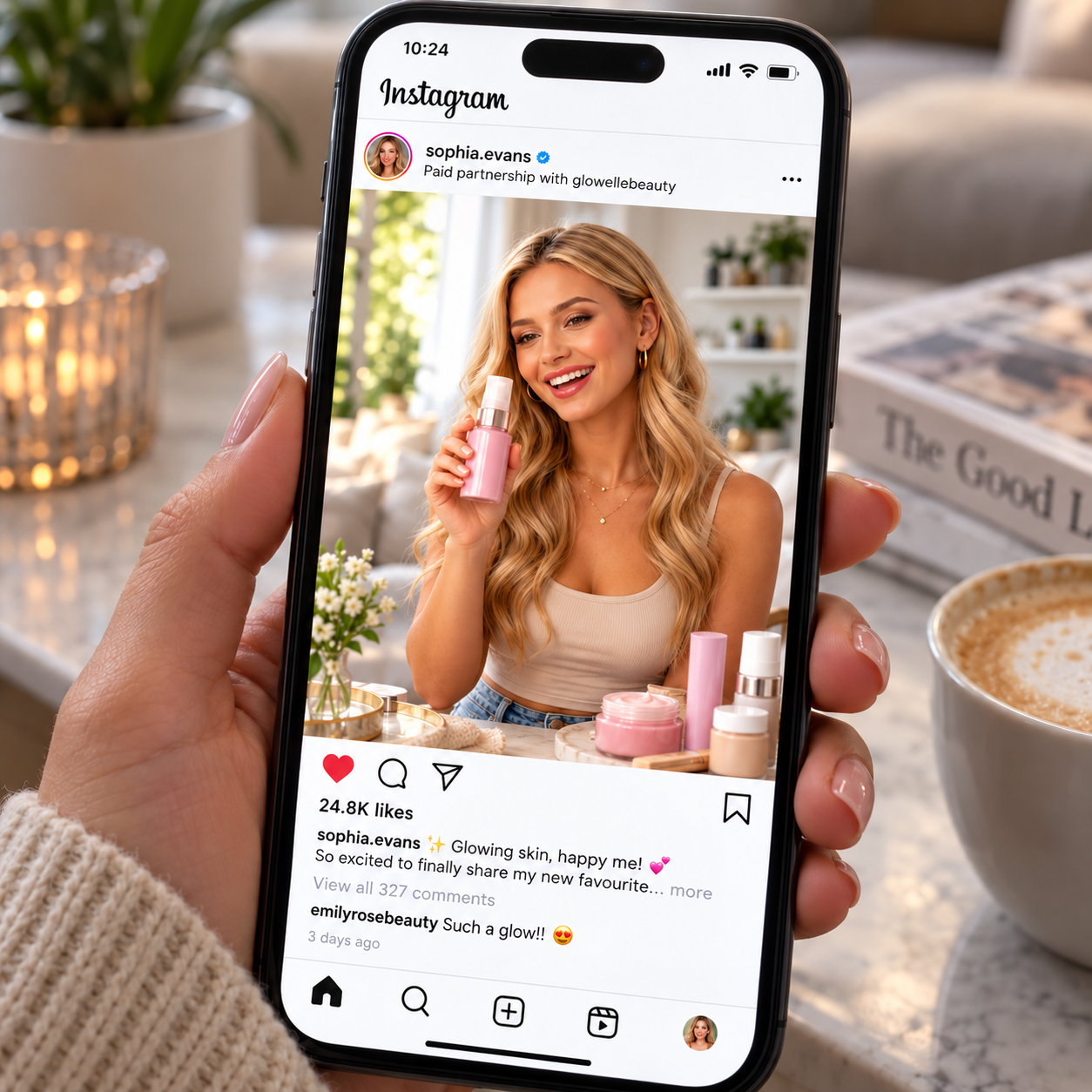
Social media allows businesses to communicate with customers in a more interactive way than traditional advertising. A business can publish its own unpaid content, pay to promote selected posts, work with influencers and encourage customers to comment, share or create their own content.
- Sponsored posts and stories: paid content targeted to selected users.
- Short-form video: reels, shorts and TikTok-style content used to gain attention quickly.
- Influencer partnerships: creators promote a business to their existing audience.
- Interactive content: polls, comments, competitions and giveaways that encourage customers to participate.
Algorithms influence which content users see. Content that receives strong engagement may be shown to more people, meaning a business can sometimes reach well beyond its existing followers. The challenge is that businesses do not fully control these algorithms, so reach can change over time.
Social media also gives businesses immediate feedback through comments, shares and engagement data. This can help marketers see which messages attract attention and adjust future content.
Advantages
- Awareness and engagement: customers can interact directly with the brand.
- Digital word-of-mouth: users can share posts with other potential customers.
- Targeting: paid social media advertisements can be directed to selected audiences.
- Relatively low entry cost: businesses can create organic content without buying traditional media space.
Limitations
- Constant content demand: businesses need a regular flow of relevant material to remain visible.
- Algorithm dependence: platform changes can suddenly reduce reach.
- Public criticism: negative comments and complaints can also spread rapidly.
- Attention competition: businesses compete with a huge amount of other content for a user's attention.
Examples
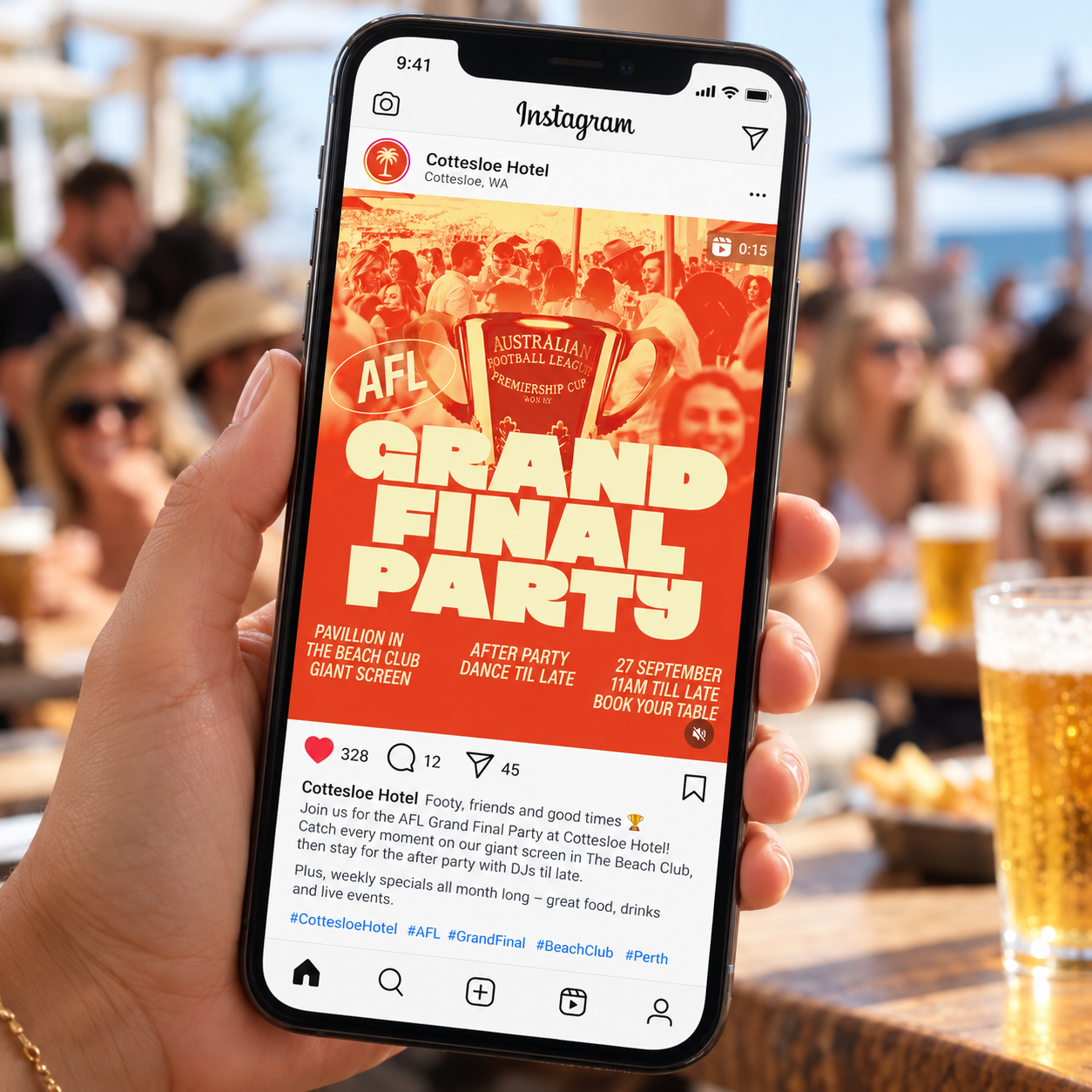
- Food and beverage: Cottesloe Hotel uses Instagram reels to promote weekly specials and events.
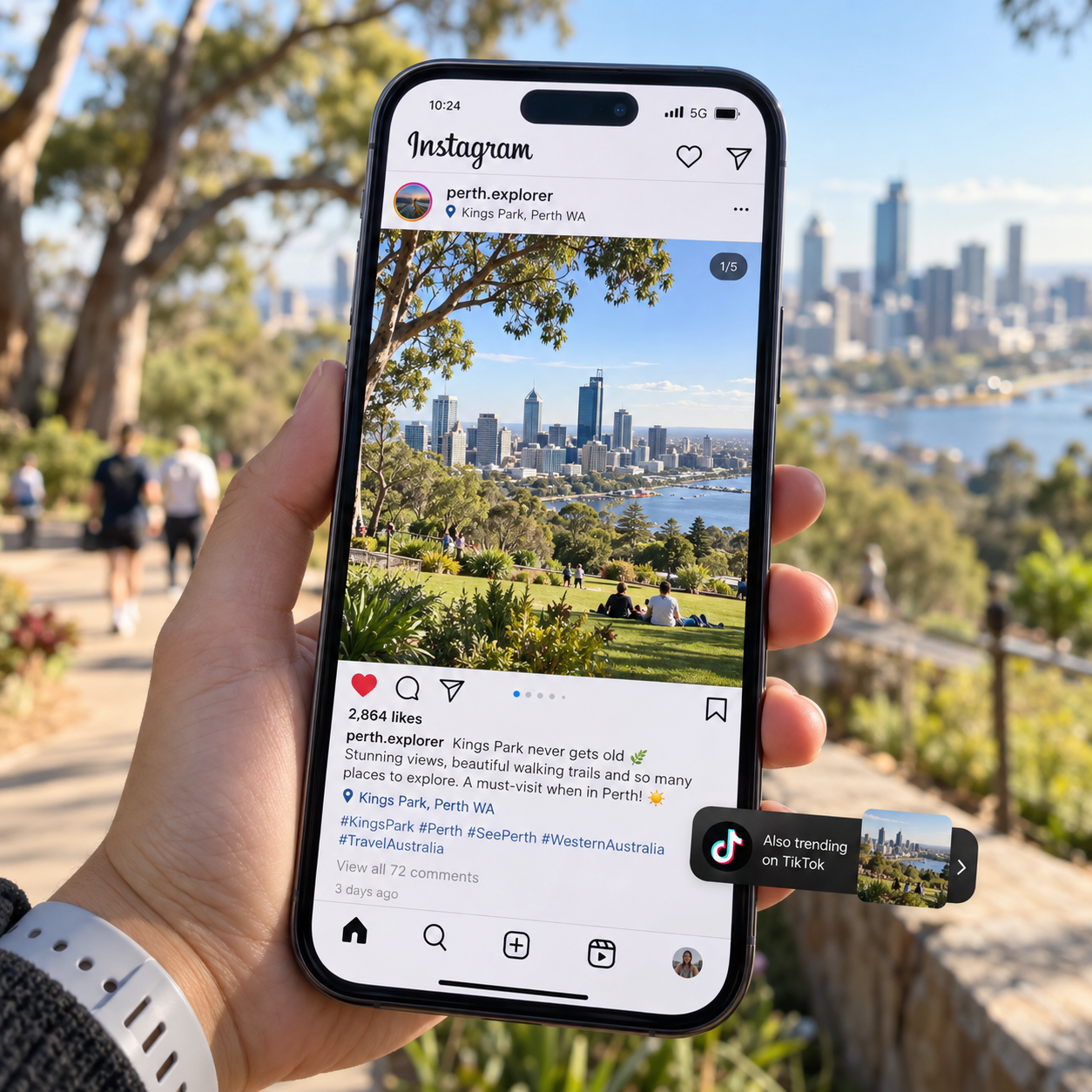
- Tourism: Elizabeth Quay and Kings Park content is shared through TikTok and Instagram location tags.
- Retail: Westfield Carousel stores can run Meta advertisements targeted to people nearby.
The technology is useful because the business can combine promotion with customer interaction rather than simply broadcasting a message.
Example of how to write this in an exam
Social media allows businesses to promote through paid advertisements and organic content such as reels, stories and posts. For example, the Cottesloe Hotel may use Instagram reels to promote weekly events and specials to people interested in Perth hospitality. Customers can then view, comment on and share the content, increasing awareness through both the original post and digital word-of-mouth. The business can also monitor engagement to identify which content performs best. However, social media requires frequent content creation and the business cannot fully control platform algorithms or negative public comments, which may reduce reach or damage the brand.
📲 Mobile Applications
Mobile applications allow businesses to promote directly to customers who have installed the business's app on their phone.
How mobile applications facilitate promotion
An app creates a direct digital connection between the business and a customer who has already shown enough interest to download it. This makes apps particularly useful for encouraging repeat engagement and personalised promotion.
- Push notifications: alerts about sales, reminders, new products or time-sensitive offers.
- In-app discounts and rewards: special offers available only to app users.
- Personalised promotions: offers based on past purchases, browsing or app behaviour.
- Loyalty tracking: digital memberships, points and rewards stored inside the app.
Apps can use customer data and AI to personalise promotions in real time. For example, a customer who repeatedly orders the same type of meal could receive a relevant app-only offer at a time they commonly purchase.
Because the message arrives on the customer's own device, mobile promotion can be very direct. However, businesses need to avoid sending too many notifications or customers may disable them or remove the app completely.
Advantages
- Direct communication: promotions can reach customers on their own phones.
- Strong personalisation: app data can support highly relevant offers.
- Repeat engagement: rewards, reminders and notifications encourage customers to return.
- Convenience: promotion can be linked directly to ordering, booking or payment.
Limitations
- Development cost: building and maintaining a useful app can be expensive.
- User resistance: customers may disable notifications or delete the app if it becomes annoying.
- Limited reach: promotion only reaches people who have installed and continue using the app.
- Data expectations: businesses need to handle customer information responsibly.
Examples
- Supermarkets: apps can send personalised specials based on previous shopping.
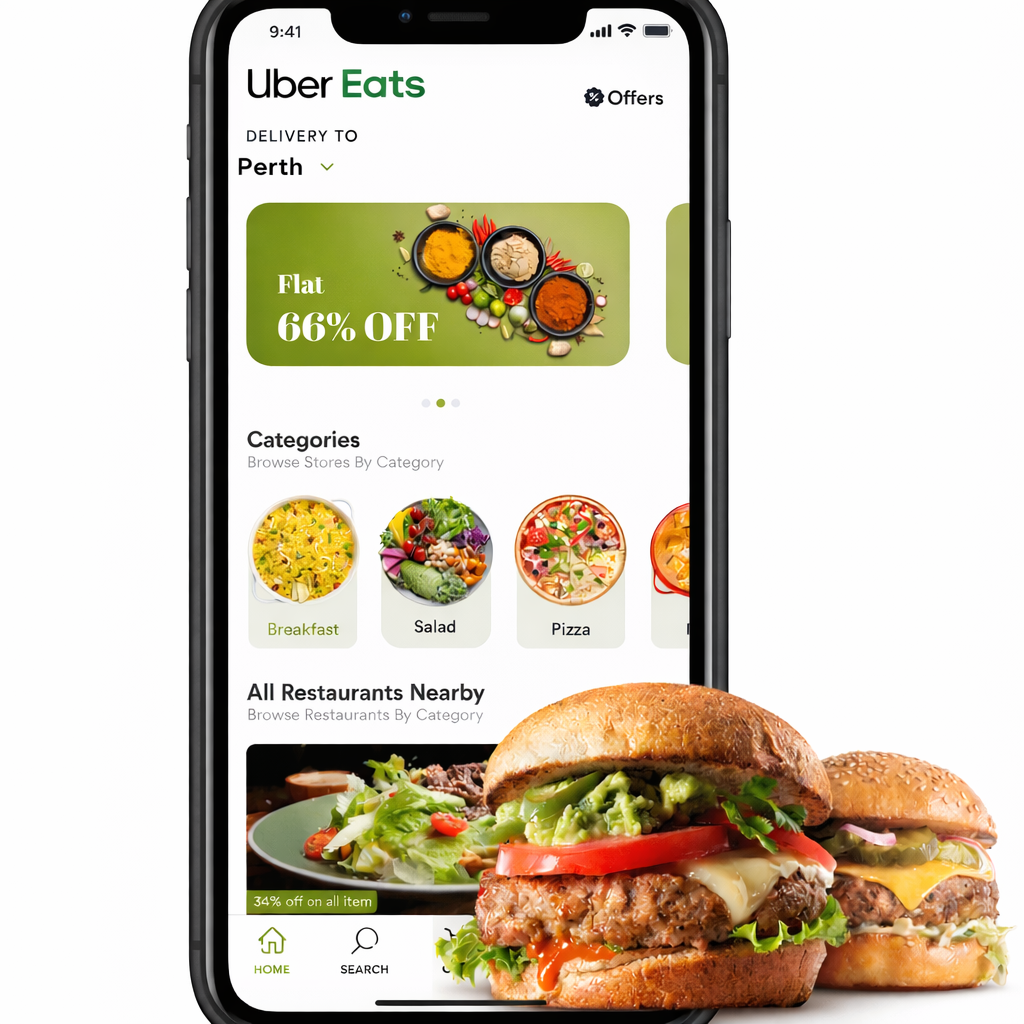
- Fast food: app-only deals and reward points encourage repeat ordering.
- Fitness: gym and studio apps promote class times, challenges and membership upgrades.
In each case, the app combines promotion with an existing customer relationship, allowing the business to communicate more personally than a general advertisement.
Example of how to write this in an exam
Mobile applications allow businesses to promote directly to customers who have installed the app. For example, a fast-food business may send an app-only lunch offer to a customer who regularly orders through the app. Customer data can help make the promotion more relevant, while the notification places the offer directly on the customer's phone and may encourage an immediate purchase. The app can also link the promotion to loyalty points or ordering, increasing convenience and repeat engagement. However, the strategy depends on customers keeping the app installed and allowing notifications, so excessive or irrelevant messages may reduce its effectiveness.
✉️ E-Newsletters
E-newsletters are promotional emails sent directly to customers who have opted in to receive them.
How e-newsletters facilitate promotion
E-newsletters allow a business to communicate directly with people who have already provided their email address and shown some interest in the business. This makes the audience more targeted than a general mass-media campaign.
- Automation: email systems can schedule campaigns or send messages automatically.
- Personalisation: emails can use the customer's name, previous purchases or interests.
- Behaviour-based triggers: emails may be sent after an abandoned cart, on a birthday or after a previous purchase.
- Analytics: businesses can track open rates and click-through rates to see whether customers engage with the message.
The business can therefore test subject lines, offers and content and use the results to improve future campaigns. E-newsletters are especially useful for staying connected with previous customers without the high cost of traditional advertising.
The main risk is overuse. If customers receive too many irrelevant messages, they may ignore the emails, unsubscribe or mark them as spam.
Advantages
- Low cost: a large number of subscribers can be reached cheaply.
- Targeted audience: subscribers have already shown some interest in the business.
- Personalisation: content can vary according to customer data and behaviour.
- Measurable: open and click-through rates show how customers respond.
Limitations
- Ignored messages: customers may never open the email.
- Spam risk: repeated or irrelevant emails can be filtered or reported.
- List quality: the strategy is only useful if the business has an engaged subscriber base.
- Overuse: too many emails can annoy customers and lead to unsubscribes.
Examples
- Tourism: Rottnest Island Authority can promote seasonal events through email sign-ups.
- Retail: Perth retailers can email new arrivals and weekend sale codes.
- Hospitality: restaurants can send booking reminders and specials to previous customers.
E-newsletters are most effective when the content is relevant to the subscriber rather than sending the same message repeatedly to everyone.

Example of how to write this in an exam
E-newsletters are promotional emails sent to customers who have opted in to receive them. For example, a Perth retailer may email previous customers a personalised weekend sale code based on their earlier purchases. This allows the business to target people who have already shown interest in the brand at a very low communication cost. The retailer can then measure open and click-through rates to assess whether customers responded and adjust future messages accordingly. However, if emails are sent too frequently or are not relevant, customers may ignore them, unsubscribe or mark them as spam.
🛒 E-Commerce
E-commerce platforms allow businesses to promote and sell products online through websites and apps.
How e-commerce facilitates promotion
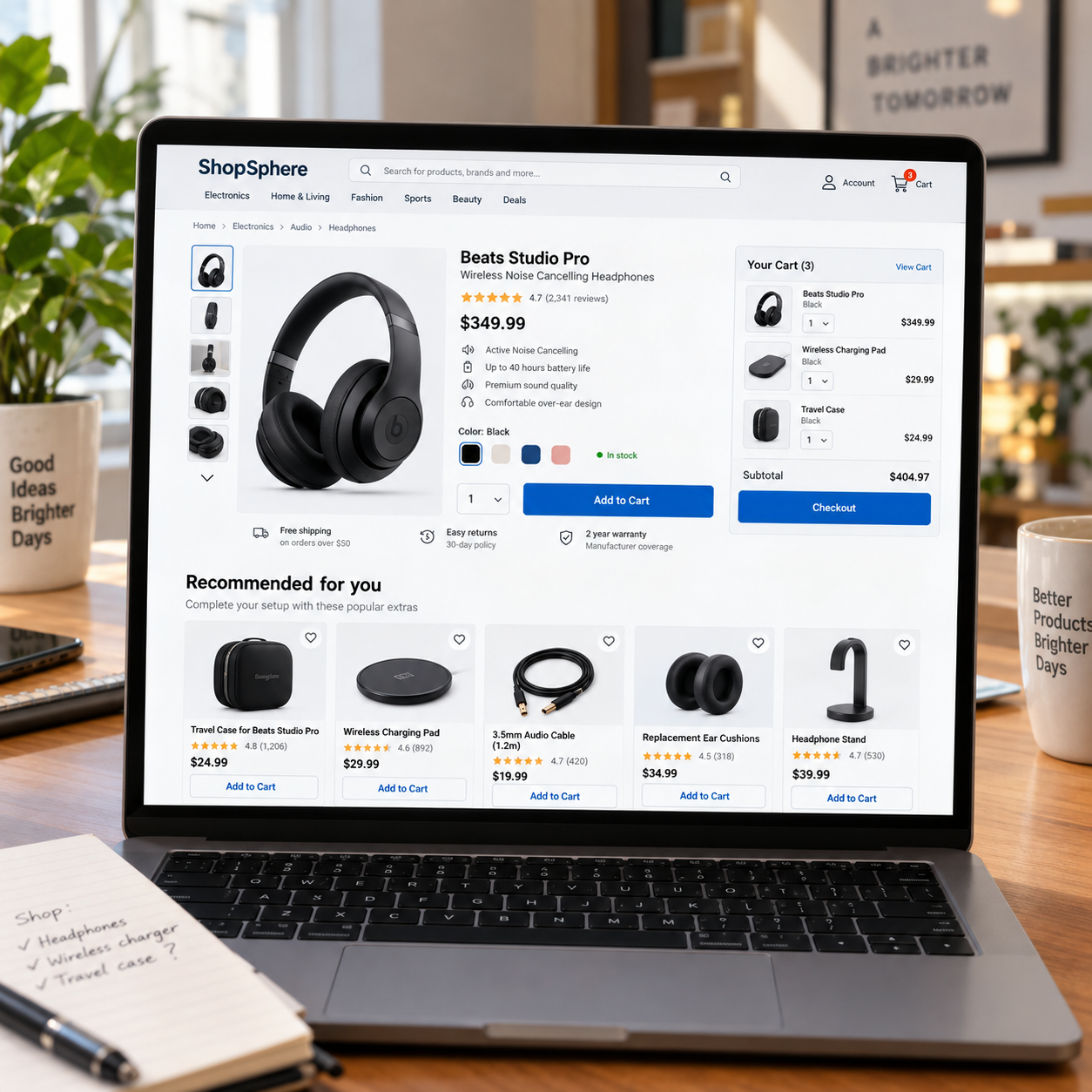
E-commerce does more than simply process an online sale. The online store itself can actively promote products while customers browse and purchase, making promotion part of the shopping experience.
- Featured products and bundles: selected items can be given greater visibility.
- Limited-time offers and countdowns: create urgency and encourage customers to buy sooner.
- Upselling: encouraging customers to buy a higher-value version of a product.
- Cross-selling: suggesting related products that complement what the customer is already buying.
- Integration: social media and online advertisements can link customers directly to product pages.
Modern e-commerce platforms can use AI-driven recommendations based on browsing and purchase history. This means two customers may see different recommended products depending on their previous behaviour.
The major advantage is that promotion and purchase can happen in the same place: a customer sees the offer and can immediately complete the transaction. The business must still provide a secure, reliable experience because poor payment systems or delivery problems can undermine the promotional effort.
Advantages
- 24/7 promotion and sales: customers can browse and purchase at any time.
- Wide reach: businesses can promote to local, national and international customers.
- Personalisation: browsing and purchase data can be used to recommend relevant products.
- Immediate conversion: customers can move directly from seeing the promotion to making a purchase.
Limitations
- High competition: customers can easily compare many online sellers.
- Delivery and logistics: late or expensive delivery can reduce satisfaction.
- Digital trust: customers need confidence in payment security, product information and the business itself.
- Technology dependence: website problems can interrupt both promotion and sales.
Examples
- Local brands: Perth businesses use Shopify or WooCommerce to run online stores and promote sales.
- Online retail: “recommended for you” suggestions can encourage customers to add additional products.
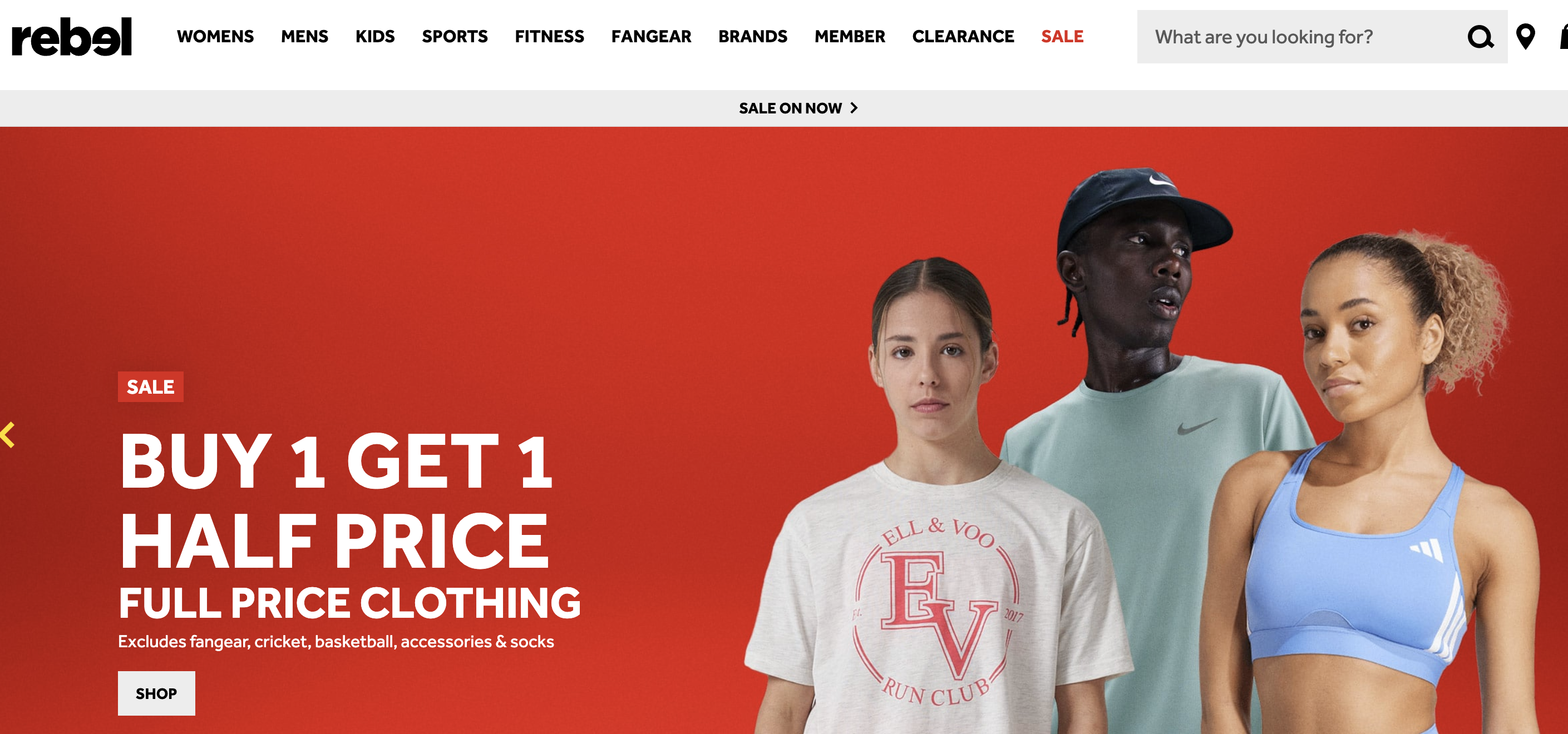
- THE ICONIC: uses website-only sales, discount codes and limited-time offers to encourage customers to purchase through its e-commerce store.
E-commerce is especially powerful because the promotional message and the purchase opportunity are connected in one digital environment.
Example of how to write this in an exam
E-commerce platforms allow businesses to promote and sell products online through websites and apps. For example, an online retailer may use a customer's browsing history to display recommended products and then add a limited-time bundle offer at checkout. This can increase the value of the sale because the customer receives relevant suggestions while they are already in the buying process, and the promotion can be converted into a purchase immediately. However, the business must maintain secure payment systems, accurate product information and reliable delivery because poor digital trust or logistics can discourage customers from completing the sale.
🎧 Prefer listening?
If you prefer listening to the content in Podcast format:
🎥 Prefer watching?
If you prefer watching the content in video format:
🃏 Flashcards
Card 1 of 17
🎮 Revision Games
💰 BME Millionaire
Climb the ladder by mastering digital promotion.
🧩 Tech Match
Match each promotional scenario to the correct technology.
⚡ 60 Second Showdown
Rapid-fire questions across all five technologies.
Biz Fact: Domino’s built one of Australia’s most successful ordering apps — with over half of all pizza orders now coming from mobile devices.