U2.01 — Factors that Influence Spending Patterns of SMEs and Consumers
Overview
Dotpoint 1: Factors that influence spending patterns of SMEs and consumers.
Spending does not happen in isolation. It is influenced by what is happening in the economy and by what the community values.
This dotpoint focuses on two main influences:
- the level of economic activity
- prevailing community social norms, including attitudes to business public image and sustainability
In simple terms, a stronger economy often affects people's ability to spend, while changing social norms often affect people's willingness and preferences when spending.

📊 The Level of Economic Activity — How the economy affects spending
The level of economic activity refers to how strong or weak the economy is at a particular time. It affects how much confidence, income and demand exist in the economy, which then influences how much consumers and SMEs spend.
When the economy is strong, businesses usually experience higher demand and consumers are often more willing to spend on both essential and non-essential items. When the economy is weak, both consumers and SMEs usually become more cautious.
Economic lingo
1) What does a strong or weak economy look like?
Stronger economic activity
- higher consumer confidence
- stronger sales and demand
- higher economic growth and stronger GDP
- lower unemployment, so more people are earning income
- businesses are more willing to hire, invest and expand
- inflation may rise because stronger demand puts upward pressure on prices
- consumers are more likely to spend on discretionary items such as takeaway, fashion, technology and entertainment
Weaker economic activity
- lower consumer confidence
- weaker sales and demand
- slower economic growth or falling GDP
- higher unemployment, meaning fewer people have income to spend
- SMEs often delay expansion, hiring and major purchases
- inflation may ease because weaker demand reduces pressure on prices
- consumers are more likely to focus on essentials and cut back on non-essential spending
2) The business cycle
A good way to visualise the economy is through the business cycle. The business cycle shows how the level of economic activity rises and falls over time, moving through periods of stronger growth and weaker conditions.
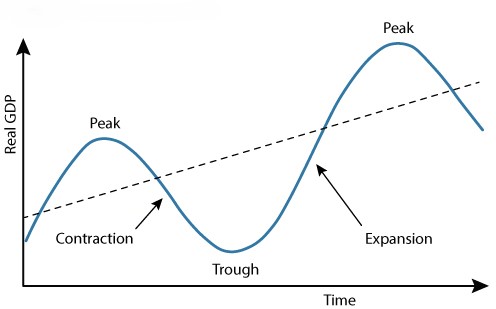
Boom / Peak
This is the high point of the cycle. Demand is strong, employment is usually high, businesses are more confident and spending is often at its strongest. Consumers are more likely to buy non-essential items and SMEs are more likely to hire, invest and expand.
Contraction
This is when economic activity starts to slow. Demand weakens, confidence drops and spending becomes more cautious. Consumers may start reducing discretionary purchases, while SMEs often begin cutting costs and delaying investment.
Trough / Recession
This is the weakest point in the cycle. Spending is often low, unemployment may rise and many businesses focus on survival rather than growth. Consumers usually prioritise essentials, while SMEs may reduce stock, staff hours or marketing spending.
Expansion
This is when the economy begins to recover and grow again. Demand starts to improve, confidence rises and spending gradually increases. Consumers become more willing to spend, and SMEs may slowly begin hiring, restocking and investing again.
Simple student idea
3) Effects on spending patterns
Effect on consumer spending
- in a strong economy, consumers usually have more confidence about their income and job security, so they are more willing to spend on non-essential goods and services
- they may eat out more often, upgrade phones or laptops, travel more, and spend more on entertainment and clothing
- in a weak economy, consumers often become cautious and delay major purchases because they are worried about rising prices, job security or reduced income
- they may switch to cheaper brands, shop less often, reduce takeaway meals, and focus on essentials such as rent, groceries and bills
Effect on SME spending
- in a strong economy, SMEs are more likely to spend on stock, equipment, technology, wages, marketing and even expansion because demand is stronger
- they may open new locations, employ more staff, extend product ranges or invest in improving customer experience
- in a weak economy, SMEs often become much more careful with cash flow and reduce spending where possible
- they may delay expansion, cut marketing budgets, reduce staff hours, hold less stock and avoid taking on major new costs until conditions improve
Why the level of economic activity matters
The economy has a major effect on spending patterns because it influences confidence, income, prices and business decision-making.
- when economic activity is strong, consumer spending usually rises and SMEs are more likely to invest, hire and grow
- when economic activity weakens, consumer spending often becomes more cautious and SMEs usually cut back or delay major spending decisions
- changes in inflation, unemployment, confidence and overall growth can all shape how much, where and why spending takes place
Example of how to write this in an exam
A weaker level of economic activity can reduce consumer spending because unemployment may rise and consumers may become less confident about their income and job security. As a result, consumers are more likely to reduce discretionary purchases such as takeaway meals, entertainment and new technology and instead focus their spending on essentials. SMEs may therefore experience weaker demand and become more cautious with their own spending by delaying expansion, reducing stock levels or cutting marketing expenditure.
🌍 Prevailing Community Social Norms — How values and attitudes affect spending
Prevailing community social norms are the values, expectations and attitudes that are widely accepted in society at a particular time. These norms influence what consumers want to buy and how businesses choose to operate.
Social norms can change over time. For example, communities may become more concerned about ethical behaviour, brand reputation, environmental impact, or how a business treats staff and customers.
This section divides community social norms into two parts
1) Attitudes to business public image
Business public image refers to how the public sees a business. This includes reputation, trust, customer service, ethical behaviour, treatment of employees, social media presence, and involvement in the community.
Many consumers prefer to buy from businesses they see as trustworthy, responsible and professional. If a business develops a poor public image, some consumers may stop spending with it.
Effect on consumer spending
- more likely to support businesses with a strong reputation
- may become loyal to brands they trust
- may avoid or boycott businesses with poor treatment of customers or staff
- often influenced by online reviews and word of mouth
Effect on SME spending
- may spend more on branding and customer service
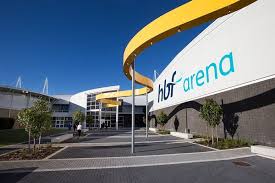
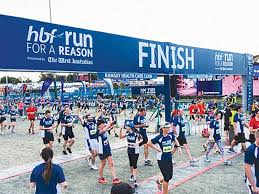
- may invest in community involvement or sponsorships
- may spend money improving websites, socials and online reputation
- may need to respond quickly to complaints or negative publicity
2) Attitudes to sustainability
Sustainability refers to operating in a way that reduces harm to the environment and supports long-term responsible use of resources.
As community concern about waste and environmental damage increases, spending patterns can change. Some consumers prefer businesses that reduce packaging, source responsibly, or use more sustainable practices.
Effect on consumer spending
- may choose businesses using reusable or compostable packaging
- may support local or ethical suppliers
- may avoid businesses seen as wasteful or environmentally irresponsible
- may be willing to pay more if sustainability matters strongly to them
Effect on SME spending
- may spend more on sustainable packaging or systems
- may change suppliers to match consumer expectations
- may promote sustainability to strengthen public image
- may face higher short-term costs while trying to build long-term reputation

Example of how to write this in an exam
Prevailing community social norms can influence spending patterns by changing what consumers value when choosing between businesses. For example, consumers who place greater importance on sustainability may prefer a café that uses compostable packaging and environmentally responsible suppliers. This may increase consumer spending at the café because its practices match community expectations. In response, the SME may spend more on sustainable packaging or change suppliers, increasing short-term costs but potentially strengthening its public image and customer loyalty.
⚖️ Quick Comparison — Economic activity vs social norms
Level of economic activity
This usually affects ability to spend.
- income
- employment
- confidence
- demand
- inflation and costs
- job security
- business confidence
- economic growth
- purchasing power
Community social norms
This usually affects willingness and preferences when spending.
- reputation
- ethics
- public image
- sustainability
- community expectations
- social values
- brand trust
- consumer attitudes
- environmental concern
Important distinction
🍽️ Case Study — Mint Catering (Leederville, Perth)
Mint Catering is a Perth business based in Leederville. It provides office, business and corporate workplace catering.
1) Level of economic activity — Consumer spending
If the economy is strong, businesses and individuals are usually more confident about spending on office lunches, events and catered functions. This can increase demand for Mint Catering because customers are more willing to spend on non-essential food services.
If the economy weakens, customers may cut back on discretionary spending and reduce how often they order catering, especially for optional meetings or staff events.
1) Level of economic activity — SME spending
If demand is strong, Mint Catering may spend more on ingredients, staff, vehicles, packaging, equipment and marketing to keep up with orders.
If the economy slows or inflation rises, the business may become more cautious and reduce unnecessary spending, delay upgrades, or review pricing and staffing.
2) Business public image
If customers see Mint Catering as professional, reliable and community-minded, they may be more likely to keep ordering from the business and recommend it to others. A strong public image can encourage repeat spending.
To maintain a strong reputation, Mint Catering may spend money on branding, customer service, presentation, social media and community engagement.
2) Sustainability
If customers value sustainability, they may prefer Mint Catering over competitors if it uses more responsible packaging and environmentally aware practices. This can influence where consumers choose to spend.
To meet these expectations, Mint Catering may spend more on compostable packaging, low-waste systems or more sustainable suppliers. While this can raise short-term costs, it may strengthen long-term reputation and customer loyalty.
🎧 Prefer listening?
If you prefer listening to the content in Podcast format:
🎥 Prefer watching?
If you prefer watching the content in video format:
🃏 Flashcards
Card 1 of 25
🎮 Revision Games
💰 BME Millionaire
Climb the ladder by mastering spending patterns.
🧩 Influence Match
Decide what is influencing each spending decision.
⚡ 60 Second Showdown
Rapid-fire questions on economic activity and social norms.

Biz Fact: Even a great product can struggle if confidence falls, prices rise, or the brand's image takes a hit.