U2.09 — Types of Intellectual Property Registrations
Overview
Dotpoint 9: types of intellectual property registrations, including copyright, patents, trade marks and designs.
Not all intellectual property is protected in the same way. Different forms of IP protection apply to different creations. Some protect creative works, some protect inventions, some protect branding, and some protect the visual appearance of a product.
This course explores the main types of intellectual property protection and registration, including:
- Copyright
- Patent
- Trade mark
- Design

©️ Copyright
Copyright protects original creative work such as writing, music, films, photographs, artwork, software, websites and other content. In Australia, it usually exists automatically once the work is created and recorded in material form.
What Copyright Protects
Copyright protects the expression of an idea, not just the idea by itself. It is commonly linked to creative and digital content that a business has made and wants to control.
- written material such as articles, reports, website copy and books
- music, lyrics and sound recordings
- films, TV programs, ads and videos
- photographs, artwork, graphics and illustrations
- software code, apps, games and digital content
- podcasts, online courses and branded media content
Key Features
- protection is generally automatic in Australia
- the main law is the Copyright Act 1968 (Cth)
- it protects original work, not copied work
- it can help stop unauthorised copying, sharing, editing or commercial use
- it is especially important for media, tech, marketing, publishing and entertainment businesses
- copyright can be licensed, sold or assigned, which means it can create income
Australian Examples
These examples combine famous Australian examples with more everyday business examples.
Famous Examples
The scripts, episodes, artwork and characters in Bluey are protected as creative works.
Their songs, videos and recordings are valuable copyright assets.
ABC programs, news videos, audio and website articles all rely on copyright protection.
Tame Impala’s songs, recordings and music releases are commercially valuable copyrighted works.
Everyday Business Examples
Original logos, brochures, posters and social media graphics are protected visual works.
Wedding, sport or real-estate photos posted online are protected creative works.
Its menu wording, website photos and promotional Instagram posts can be protected by copyright.
Books, blog posts, short stories, articles and digital publications can all be protected.

Tame Impala’s music is automatically protected by copyright law.
Why it Matters to a Business
Copyright matters because businesses often spend time and money creating content that builds attention, trust and sales. If that work is copied freely, the business can lose value, uniqueness and control. Strong copyright awareness helps a business protect its digital assets, earn income through licensing, and stop rivals from taking shortcuts with content the business created itself.
🔬 Patent
A patent protects a new invention or a new way of doing something useful. It is most relevant when a person or business develops technology, a product, a process or a method that is new and commercially valuable.
What Patents Protect
Patents protect inventions rather than creative expression or branding. They are used when a business wants legal protection over a technical solution that gives it an advantage.
- machines, devices and technical products
- manufacturing or industrial processes
- medical technologies and some pharmaceutical inventions
- engineering solutions
- software-related inventions in some circumstances
Key Features
- the main law is the Patents Act 1990 (Cth)
- a patent usually requires the invention to be new, useful and not obvious
- it can make it harder for competitors to copy an invention straight away
- it can be licensed, sold or used to attract investors
- it is especially important in technology, engineering, biotech, medical and manufacturing businesses
- patent protection is important where research and development has cost significant time and money
Types of Patents
Standard patent
This is the main patent type in Australia. It is used for inventions that are new, useful and show an inventive step.
A standard patent can last for up to 20 years from the filing date if renewal fees are paid.
Innovation patent
This was designed for inventions with a lower-level inventive threshold, but it is no longer available for new Australian filings.
Older innovation patents filed before the cut-off can still exist until expiry.
Pharmaceutical patents
These are usually standard patents linked to medicines or pharmaceutical substances.
Some eligible pharmaceutical patents can receive an extension of term, taking protection from 20 years up to 25 years.
Provisional application
This is not a granted patent by itself, but it is often the first step. It lets an inventor secure an early filing date while they develop the invention further.
It commonly gives the applicant around 12 months before deciding whether to move to a full standard patent filing.
PCT (Patent Cooperation Treaty)
The Patent Cooperation Treaty (PCT) is an international agreement run by WIPO that simplifies applying for patent protection in many countries through one international application.
It does not give one worldwide patent, but it can help inventors delay major costs and decide later which countries they want to continue with. This can be very useful for Australian businesses wanting time to test markets, attract investors or plan overseas expansion.
Australian Examples
CSIRO became famous for Wi-Fi patent licensing, showing how patents can create major commercial value from research.
Cochlear relies heavily on patent protection for implant technology and product development.
ResMed’s sleep apnoea devices show how patents support medical innovation.
Appliance businesses may use patents when a product includes a new technical feature or mechanism.
Biotech and medtech businesses often patent inventions so they can recover large research costs.
Australian mining and engineering firms may patent specialist tools, systems or processes used on mine sites.
A person who creates a safer trailer lock, water-saving device or farming attachment may look at patent protection.
If it develops a new production method or specialised machine part, a patent may help protect that advantage.
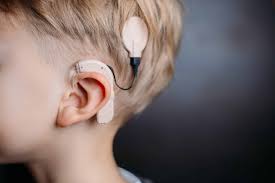
Cochlear Limited is the global leader in implantable hearing solutions and has invented and patented numerous technologies.
What cannot be patented?
- a mere discovery
- a purely abstract idea or theory
- artistic creations by themselves
- human beings
Why it Matters to a Business
Patents matter because invention can be expensive. If a business invests heavily in research and development, patent protection gives it a stronger chance to benefit from that investment instead of seeing competitors copy the result quickly. Patents can also raise business value, support licensing income and make the business more attractive to investors or buyers.
™️ Trade Mark
A trade mark protects brand identity. It can be a business name, logo, phrase, word, symbol, shape, sound or other sign that helps customers recognise one business’s goods or services and distinguish them from others.
What Trade Marks Protect
Trade marks protect the signs that identify a business in the market. They are strongly linked to customer recognition, reputation and trust.
- business names and product names
- logos and symbols
- taglines and slogans
- some sounds, colours, shapes or packaging elements
- brand signs used on goods or services
Key Features
- the main law is the Trade Marks Act 1995 (Cth)
- trade marks help customers know who a product or service comes from
- they help prevent confusion between competing businesses
- they can become one of the most valuable assets in a business
- registered trade marks in Australia generally last 10 years and can be renewed
- they matter to both large brands and small local businesses
Australian Examples
The flying kangaroo branding is a strong example of trade mark value and customer recognition.
The product name and branding help protect one of Australia’s most recognisable consumer brands.
The name, logo and branding style help customers instantly recognise the business.
The brand name and identity are major commercial assets in fashion and retail.
The name and branding are key assets as the business expands and franchises.
The brand identity helps distinguish its products in a crowded skincare market.
A small café may register its name and logo so nearby copycat businesses cannot trade off its reputation.
Its service name, website logo and slogan may become valuable once customers start recognising the brand.

Madrid Protocol
The Madrid System is an international system administered by WIPO. It allows an Australian trade mark owner to apply for protection in multiple countries through one main application pathway instead of starting separate applications in every country straight away.
This matters for businesses planning to export, franchise or expand overseas because it can save time, paperwork and administration.
Why it Matters to a Business
Trade marks matter because customers often buy based on familiarity and trust. If another business copies a name, logo or brand style, it can confuse customers and damage reputation. Trade mark protection helps businesses build long-term brand value, protect goodwill and support future growth into new markets.
🎨 Design
Design protection, protects the visual appearance of a product. This includes things like shape, configuration, pattern and ornamentation — in other words, how a product looks rather than how it works.
What Designs Protect
Design protection is about appearance. It matters when the visual style of a product helps it stand out and influences customer choice.
- product shape
- surface pattern
- visual configuration
- packaging appearance
- consumer product styling
Key Features
- the main law is the Designs Act 2003 (Cth)
- designs protect how something looks, not how it functions
- they are especially relevant in consumer goods, furniture, fashion, packaging and product styling
- a registered design can last for up to 10 years, with renewal after 5 years
- certification is important if the owner wants stronger enforcement
- they can be commercially valuable and can be licensed or sold
Australian Examples
Distinctive product appearance can matter in premium appliance markets where visual style helps sales.
The look and styling of reusable cups can be commercially valuable when design helps brand appeal.
Drinkware and bottle styling show how appearance can become part of the product’s appeal.
A unique bottle or pump design may help the product stand out on shelves.
A distinctive chair shape or table base design may be worth protecting if appearance drives buyer interest.
A distinctive product jar or bottle design may become part of the brand’s visual appeal.
The jar, lid and container styling may help the product stand out in a crowded market.
Phone stands, cases and desk accessories may matter because of their appearance as well as their use.

Frank Green’s drink bottle design is especially popular with teenagers in Australia.
Why it Matters to a Business
Design protection matters because appearance can drive sales. A product may be chosen because it looks premium, modern, unique or recognisable. If competitors copy that appearance, they may benefit from someone else’s design effort. Strong design protection helps businesses protect shelf appeal, product differentiation and commercial value.
🎧 Prefer listening?
If you prefer listening to the content in Podcast format:
🎥 Prefer watching?
If you prefer watching the content in video format:

Biz Fact: Apple and Samsung fought one of the most famous patent battles ever over iPhone design and features. In 2012, a jury found Samsung had infringed several Apple patents — showing just how valuable IP can be when technology and branding are worth billions.