
U1.04 — Legal requirements in setting up sole traders and partnerships
Overview
Before starting any business in Australia, it’s important to meet the legal and registration requirements. These rules make sure the business is recognised by law, pays the correct taxes, and protects both the owner and their customers.
Below are the main legal steps for setting up a Sole Trader and a Partnership in Australia.
Sole Trader – Legal Requirements
A sole trader is the simplest and most common business structure in Australia. Even though it’s easy to start, there are still several legal steps every owner must complete to operate lawfully.
- Australian Business Number (ABN)
- Business Name Registration
- Business Registration
- Register for taxes (ABN, TFN, GST if applicable).
- Obtain local licences or permits depending on your industry (e.g. food handling, building trade).
- Tax File Number (TFN)
- Insurance and Superannuation
- Public liability insurance and income protection.
- Super contributions to a personal super fund (since employers aren’t paying it for you).
An ABN is a unique 11-digit number that identifies your business to the government and the public.
It’s obtained for free from the Australian Business Register (abr.gov.au).
Required for tax purposes, invoicing, and to register for Goods and Services Tax (GST) if turnover exceeds $75,000.
Example: A self-employed carpenter in Perth needs an ABN to issue invoices and claim business expenses.
If you trade under a name that isn’t your personal name (e.g. “Perth Plaster Pros” instead of “Sam Lee”), you must register the business name with ASIC (Australian Securities and Investments Commission).
This ensures no one else uses the same name.
You can check availability and register at asic.gov.au.
As a sole trader, you don’t need to register as a separate company — the business is legally the same as you. However, you must:
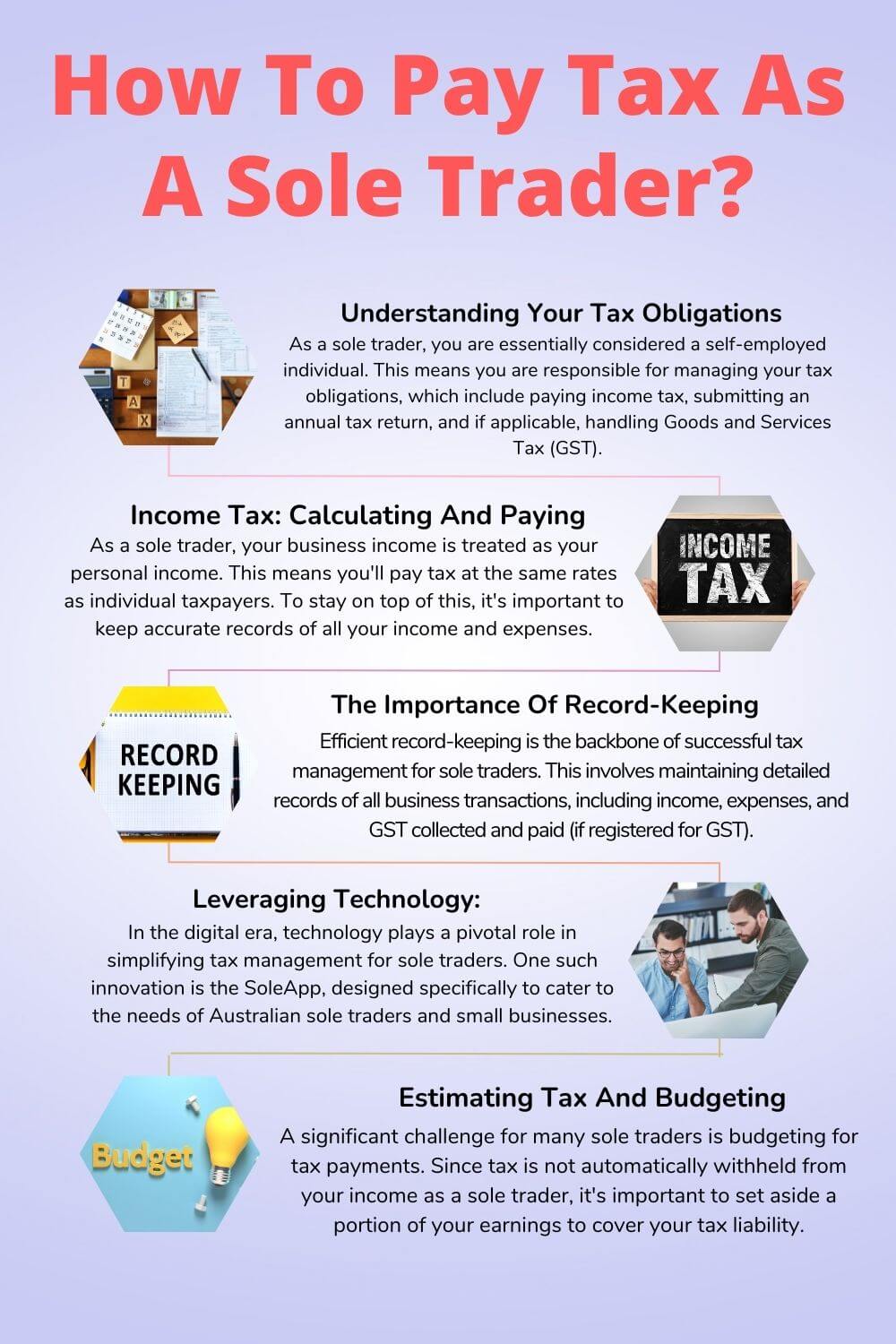
Sole traders use their personal TFN for business income. All income and expenses are reported in the individual tax return each year through the Australian Taxation Office (ATO).
While not strictly a “registration,” WA sole traders are strongly encouraged to have:
Local Example: A self-employed plumber in Joondalup registers an ABN and business name, reports income using his personal TFN, and obtains the necessary plumbing licence through the WA Department of Mines, Industry Regulation and Safety.
Partnership – Legal Requirements
A partnership is when two or more people (up to 20) own and operate a business together. In Western Australia, partnerships are common in small professional firms — like local accountants, medical clinics, or trades. Each partner shares profits, losses, and responsibilities, so the legal setup must be clear and properly documented.
- Australian Business Number (ABN)
- Business Name Registration
- Business Registration and the Partnership Act 1895 (WA)
- Partnership Agreement
- Each partner’s role, capital contribution, and share of profits.
- How decisions are made and disputes are resolved.
- What happens if a partner leaves, retires, or dies.
- Tax File Number (TFN)
- Other Obligations
- GST registration if turnover is above $75,000.
- Industry licences or permits depending on the business type (e.g. builders, café owners, or accountants).
- Insurance (public liability, workers’ compensation) is strongly advised.
The partnership itself must apply for its own ABN through the Australian Business Register. This ABN is used for invoices, tax, and GST if the annual turnover exceeds $75,000.
If the partnership trades under a name other than the partners’ names (e.g. “Bright Sparks Electrical” instead of “Jones & Lee”), it must be registered with ASIC. All partners are listed as owners when registering the name.
In WA, partnerships are governed by the Partnership Act 1895 (WA). This law sets out the rights, duties, and liabilities of partners, including how profits are shared and how the partnership can end. While you don’t register under this Act, you must follow its legal framework.
Although not legally required, a written partnership agreement is highly recommended. It outlines:
Example: A Perth café co-owned by two friends uses a written partnership agreement to avoid confusion about who manages daily operations.
The partnership must have its own TFN, separate from the partners’ individual ones. The partnership lodges an annual tax return to show total income and expenses. Profits or losses are then divided among partners and reported on each partner’s personal tax return.
Local Example: A Fremantle graphic design partnership registers a business name and ABN, follows the Partnership Act 1895 (WA), and uses a written partnership agreement to manage profit-sharing and creative responsibilities.
📘 In Summary
| Requirement | Sole Trader | Partnership |
|---|---|---|
| ABN | Required (personal) | Required (for the partnership) |
| Business Name | Needed if not trading under personal name | Needed if not using partners’ names |
| Registration | No separate entity | Governed by Partnership Act 1895 (WA) |
| TFN | Uses personal TFN | Partnership has separate TFN |
| Agreement | Not applicable | Written partnership agreement recommended |
| Licences/Permits | Required for specific industries | Required for specific industries |
| Insurance | Strongly recommended | Strongly recommended |