
U2.05 — Intent and Purpose of the Work Health and Safety Act 2020 (WA)
Overview
Dotpoint 5: intent and purpose of the Work Health and Safety Act 2020 (WA).
The Work Health and Safety Act 2020 (WA) is WA’s main workplace safety law. It is designed to protect the health and safety of people at work by requiring workplace risks to be eliminated or minimised so far as is reasonably practicable.
This dotpoint focuses on three main areas:
- the intent and purpose of the Act — why workplace safety laws exist
- business responsibilities — providing safe workplaces, systems, equipment, training and risk controls
- worker responsibilities — taking reasonable care, following safety instructions and cooperating with workplace safety procedures

⚠️ What the Act is trying to do
The Work Health and Safety Act 2020 (WA) establishes legal health and safety duties for businesses and workers in Western Australia.
1) Intent of the Act
The intent of the Act is to make workplaces safer by preventing work-related injury, illness and other harm before it occurs.
- promote safer workplaces
- protect workers and other people from workplace risks
- reduce work-related injury, illness and death
- make health and safety responsibilities legally enforceable
- encourage businesses to identify hazards and control risks
- support consultation between businesses and workers about safety
2) Purpose of the Act
The Act places responsibilities on both businesses and workers. A business must manage workplace risks and provide safe working conditions, while workers must take reasonable care and cooperate with workplace safety requirements.
The overall purpose is to prevent harm rather than simply responding after somebody has already been injured.
3) Three big ideas
Prevent harm
Workplace hazards should be identified and risks eliminated or minimised before somebody is injured or becomes ill.
Create legal duties
Businesses and workers have legal responsibilities for workplace health and safety rather than safety being optional.
Share responsibility
Businesses have the primary duty to provide safe work, but workers must also act safely and cooperate with safety requirements.
Who enforces the law?
In Western Australia, WorkSafe WA regulates and enforces workplace health and safety laws.
WorkSafe inspectors can inspect workplaces, investigate incidents and take enforcement action when workplace health and safety duties are not being met.
Example of how to write this in an exam
The intent and purpose of the Work Health and Safety Act 2020 (WA) is to protect workers and other people from work-related health and safety risks. The Act places legal duties on businesses to provide safe workplaces and manage hazards, while workers must also take reasonable care and cooperate with safety procedures. For example, a business should identify a hazardous piece of equipment and eliminate or minimise the risk before an employee is injured. Therefore, the Act encourages businesses to prevent workplace harm rather than simply responding after an accident has occurred.
🦺 Business responsibilities
Under the WHS Act, a business or employer is generally a person conducting a business or undertaking (PCBU). A PCBU has the primary duty to ensure, so far as is reasonably practicable, the health and safety of workers and other people who may be affected by the work.
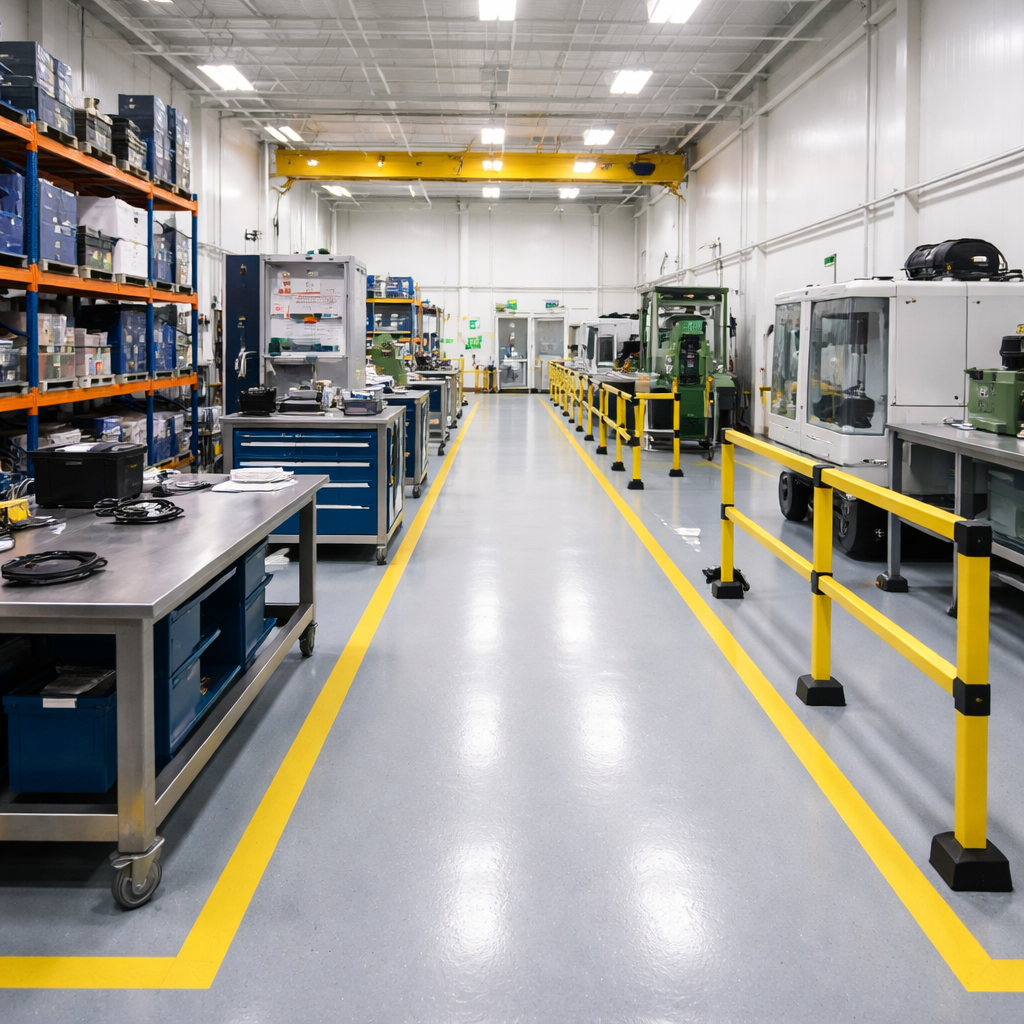
1) Provide a safe workplace
- provide and maintain a work environment without unnecessary health and safety risks
- keep access, exits and work areas safe
- identify hazards that could cause injury or illness
- eliminate risks where reasonably practicable or minimise them where elimination is not possible
Example: A warehouse keeps walkways clear, stores stock securely and cleans spills quickly to reduce slips and injuries.
2) Provide safe systems of work
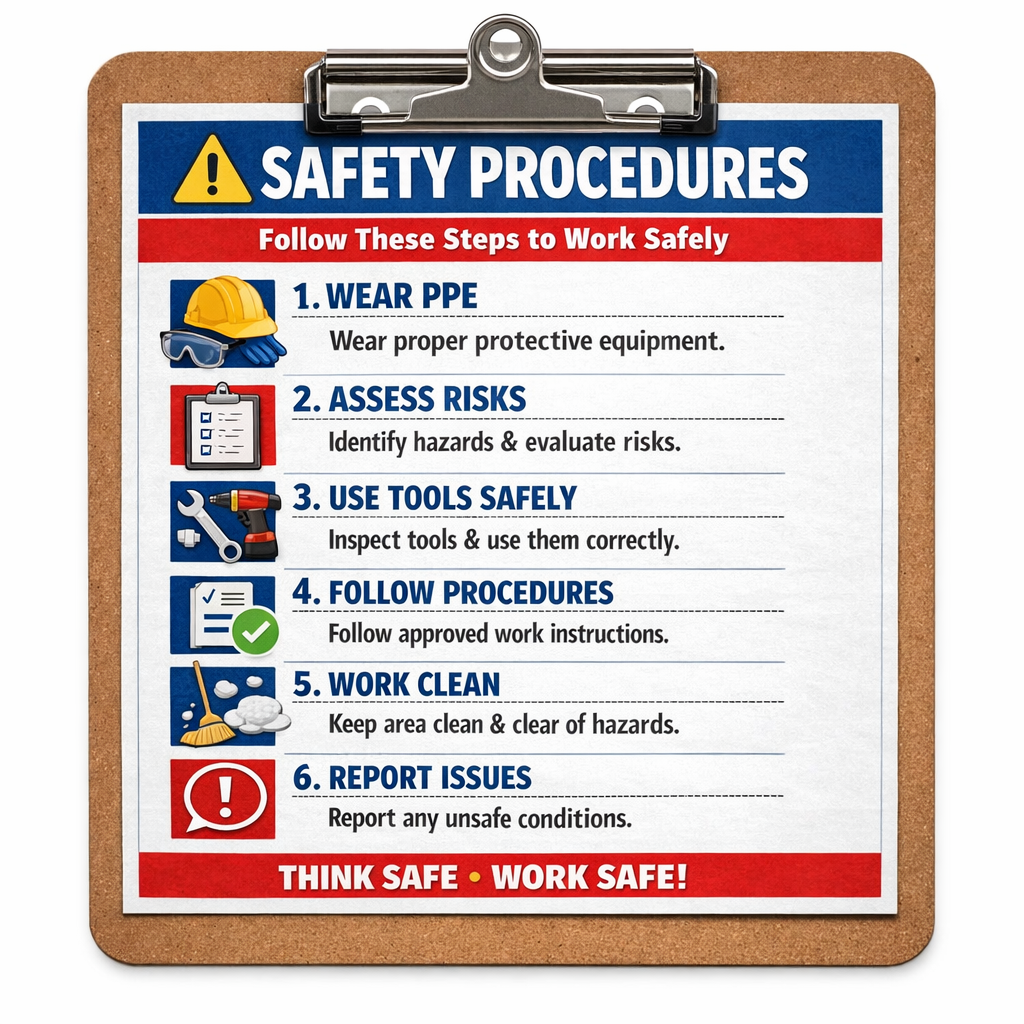
- develop safe procedures for completing tasks
- make sure machinery and work processes are used safely
- control risks associated with hazardous substances and equipment
- review procedures when the work or risks change
Example: A café establishes procedures for carrying hot drinks, cleaning wet floors and lifting stock during busy periods.
3) Training, instruction and supervision
- provide workers with safety information
- train employees in the correct way to complete tasks
- give clear safety instructions
- supervise workers where necessary, particularly inexperienced or young employees
Example: A new fast-food worker is shown how to safely use hot equipment and is supervised until they can complete the task safely.

4) Safe equipment, facilities and consultation
- provide safe equipment and protective equipment where required
- maintain workplace facilities needed for worker welfare
- monitor workplace conditions where necessary
- consult workers about health and safety matters that affect them
Example: A construction business provides helmets, gloves and other PPE, maintains equipment and asks workers about hazards they have identified on site.

What does “so far as is reasonably practicable” mean?
Businesses are expected to do what is reasonably able to be done to protect health and safety after considering the circumstances and the risk.
In simple terms, a business cannot ignore a serious workplace risk simply because controlling it is inconvenient. Hazards should be eliminated where reasonably practicable, and where they cannot be eliminated, the risk should be minimised as far as reasonably practicable.
Example of how to write this in an exam
One responsibility of a business under the Work Health and Safety Act 2020 (WA) is to provide and maintain a safe work environment so far as is reasonably practicable. This requires the business to identify workplace hazards and eliminate or minimise risks before workers are harmed. For example, a warehouse should keep walkways clear, store heavy stock securely and remove spill hazards. This reduces the likelihood of employees slipping or being struck by falling stock, helping the business meet its legal duty while also reducing injuries, lost work time and disruption.
👷 Worker responsibilities
Workers are protected by the WHS Act, but they also have legal responsibilities. A worker must take reasonable care for their own health and safety and ensure their actions do not adversely affect the health and safety of other people.
1) Take reasonable care
- take reasonable care of their own health and safety
- avoid behaviour that could create unnecessary risk
- consider how their actions or mistakes could affect other people
Example: A workshop employee takes care when handling equipment rather than rushing and creating a risk for themselves or coworkers.
2) Follow reasonable safety instructions
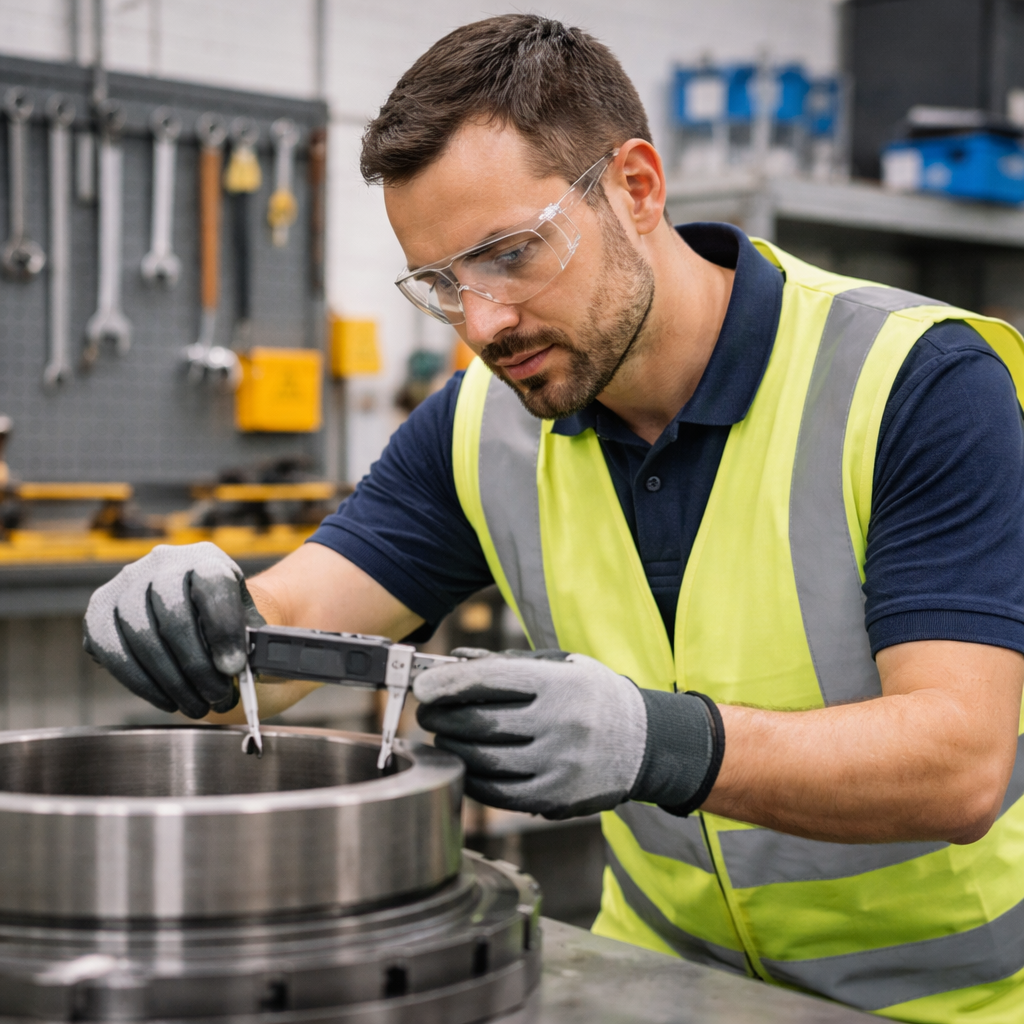
- follow safety instructions given by the business
- use tools and equipment in the correct way
- wear required personal protective equipment
- complete work using the safe method they have been trained to use
Example: An employee follows the correct electrical procedure rather than guessing or taking shortcuts.

3) Cooperate with safety procedures
- follow reasonable workplace health and safety policies
- cooperate with established safety procedures
- follow emergency procedures and safe work methods
- avoid deliberately bypassing workplace controls
Example: A worker follows PPE and sign-in procedures even when the task appears quick or familiar.

4) Report hazards and safety problems
- notify the business of hazards they identify
- report faulty or dangerous equipment
- raise unsafe behaviour or workplace conditions
- help stop small safety problems becoming serious incidents
Example: An employee reports a damaged electrical cord or slippery floor before another worker is injured.
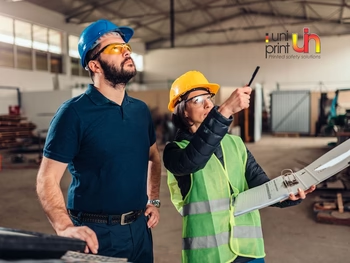
Example of how to write this in an exam
One responsibility of a worker under the Work Health and Safety Act 2020 (WA) is to take reasonable care for their own health and safety and the safety of others. This means employees should follow reasonable safety instructions, use equipment correctly and cooperate with workplace safety procedures. For example, a construction worker should wear required PPE and follow the safe method for operating machinery. Doing so reduces the chance of an accident and helps the business’s overall safety system operate effectively.
💼 Why this matters
For workers
WHS laws give workers stronger protection from workplace risks and require businesses to actively manage health and safety.
- safer working conditions — businesses must identify hazards and control risks
- better training and supervision — employees should receive information needed to complete work safely
- safer equipment and systems — machinery, work processes and facilities should not create unnecessary risks
- consultation — workers can contribute to decisions about health and safety matters that affect them
- greater protection from harm — prevention reduces the likelihood of injury or work-related illness
For businesses
Complying with WHS laws requires time and resources, but strong safety systems can also protect the business from much larger costs.
- compliance costs may include training, PPE, safer equipment and workplace modifications
- management time is needed to identify hazards, conduct training and monitor workplace safety
- fewer injuries can reduce absenteeism, workers’ compensation costs and disruption
- better workplace culture may result when workers believe management takes their safety seriously
- non-compliance creates risk because serious breaches may lead to investigation, enforcement action, penalties and reputation damage
Example of how to write this in an exam
The Work Health and Safety Act 2020 (WA) can create both costs and benefits for businesses. One disadvantage is that businesses may need to spend money on employee training, protective equipment, safer machinery and workplace modifications in order to control safety risks. This can increase operating costs in the short term. However, effective workplace safety can reduce employee injuries, absenteeism and disruption to production. It can also lower the risk of regulatory action and reputational damage. Therefore, although WHS compliance may increase some business costs, preventing workplace harm can support more reliable and productive operations over the longer term.
🎧 Prefer listening?
If you prefer listening to the content in Podcast format:
🎥 Prefer watching?
If you prefer watching the content in video format:
🃏 Flashcards
Card 1 of 12
🎮 Revision Games
💰 BME Millionaire
Climb the money ladder by mastering the WHS Act, business responsibilities and worker responsibilities.
⚡ 60 Second Showdown
Rapid-fire questions on the WHS Act, business duties, worker duties and workplace safety.
Biz Fact: WorkSafe WA inspectors have formal enforcement powers under workplace safety law — they do more than simply provide businesses with safety advice.