
U2.06 — Influence of Government Policy on Product Labelling, Trading Hours and Advertising Practices to Children
Overview
Dotpoint 6: influence of government policy on product labelling, trading hours and advertising practices to children.
Government policy influences how businesses operate by creating rules and standards they must consider when producing, selling and promoting goods and services.
This dotpoint focuses on three key areas:
- product labelling — rules about what information must appear on goods and packaging
- trading hours — rules about when different types of shops are allowed to open
- advertising practices to children — rules and standards affecting how products and services are promoted to younger audiences
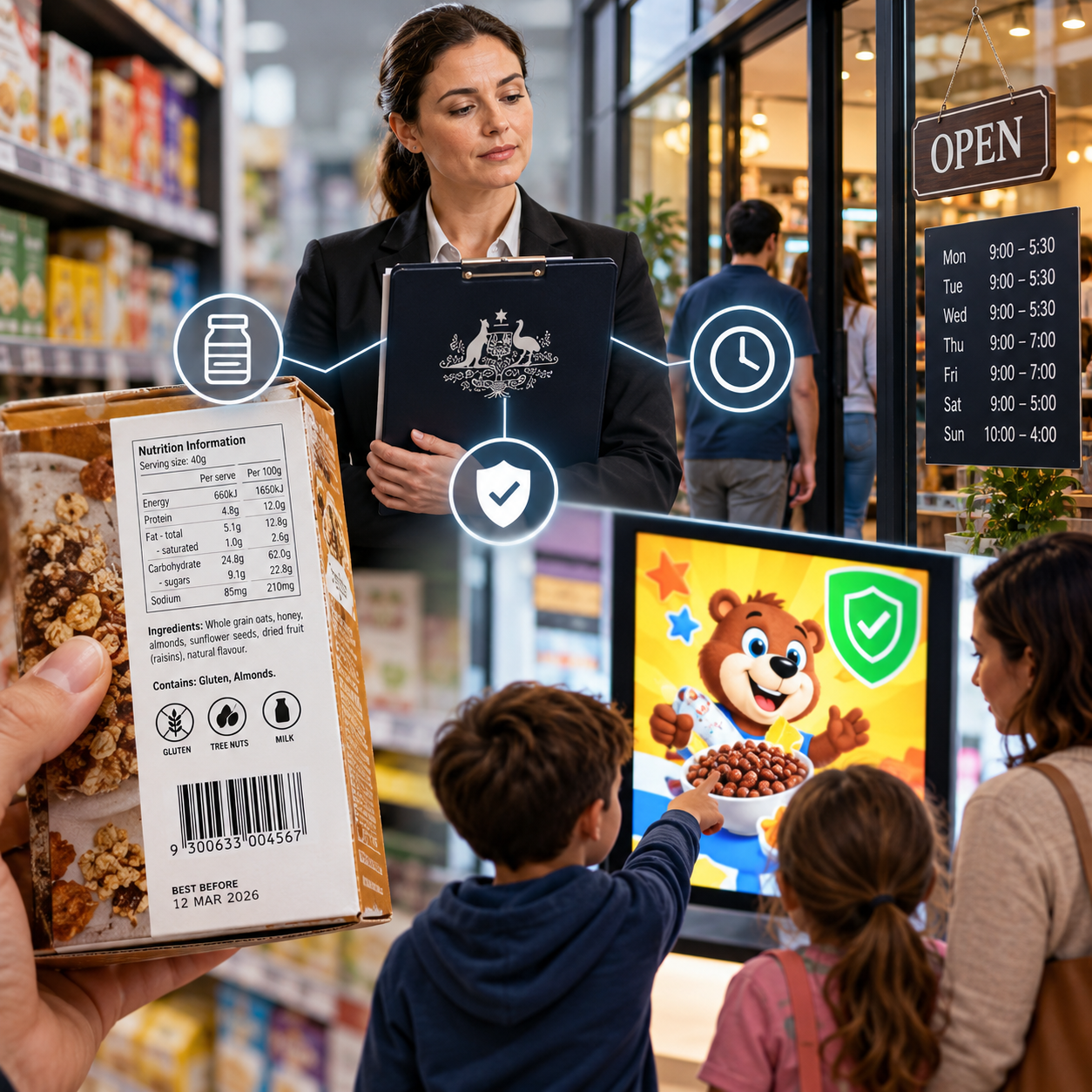
🏷️ Product labelling
Why are there rules on product labelling?
Product labelling is regulated to ensure consumers receive clear, accurate and safe information about the products they buy. This helps to:
- identify the product and its contents
- protect consumers with allergies or health concerns
- prevent false or misleading claims
- provide important safety and usage information
- help consumers make informed purchasing decisions.
Australian examples of product-labelling policy
| Type | Summary | Examples | |
|---|---|---|---|
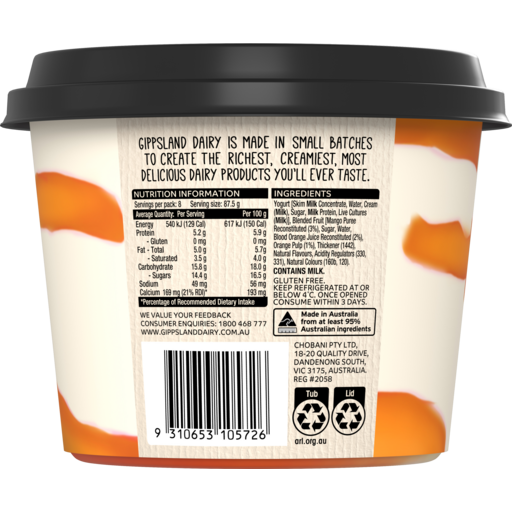
| Food labels | Packaged foods commonly need information such as ingredient lists, allergen declarations, nutrition information and date marking. | Breakfast cereal, yoghurt, muesli bars and frozen meals show ingredients and nutrition information. |
|
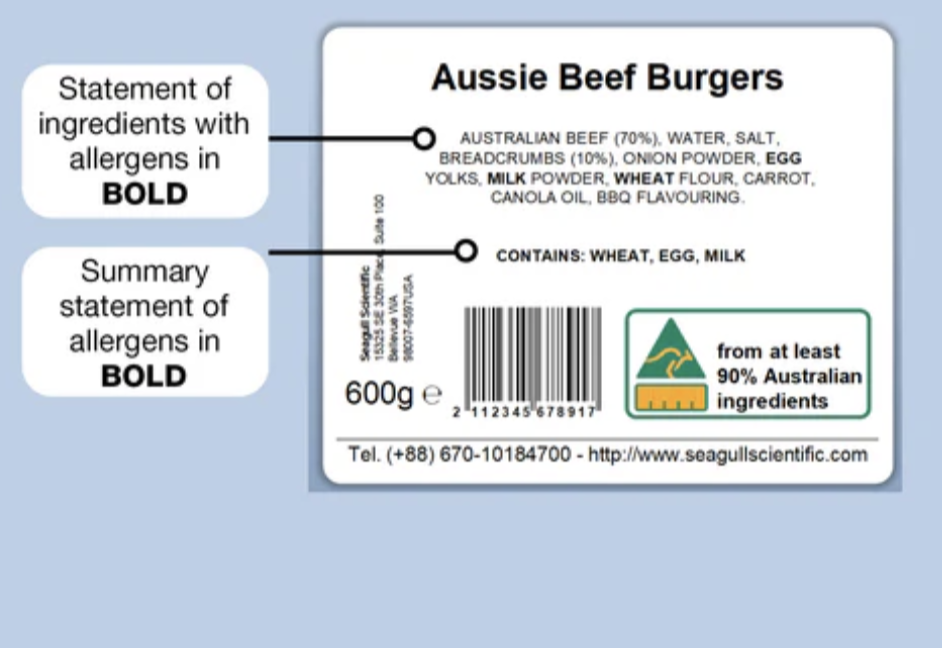
| Plain-English allergen rules | Common allergens must be declared clearly using required plain-English names so consumers can find important allergy information quickly. | A snack bar containing peanuts or milk must clearly identify the relevant allergens. |
|
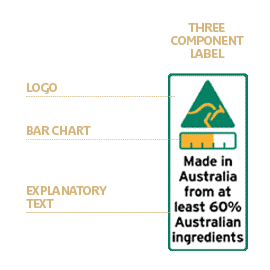
| Country-of-origin labels | Many food products sold in Australia must provide information about where the food was grown, produced, made or packed. | Honey, canned tomatoes, frozen vegetables and packaged meat may carry country-of-origin information. |
|
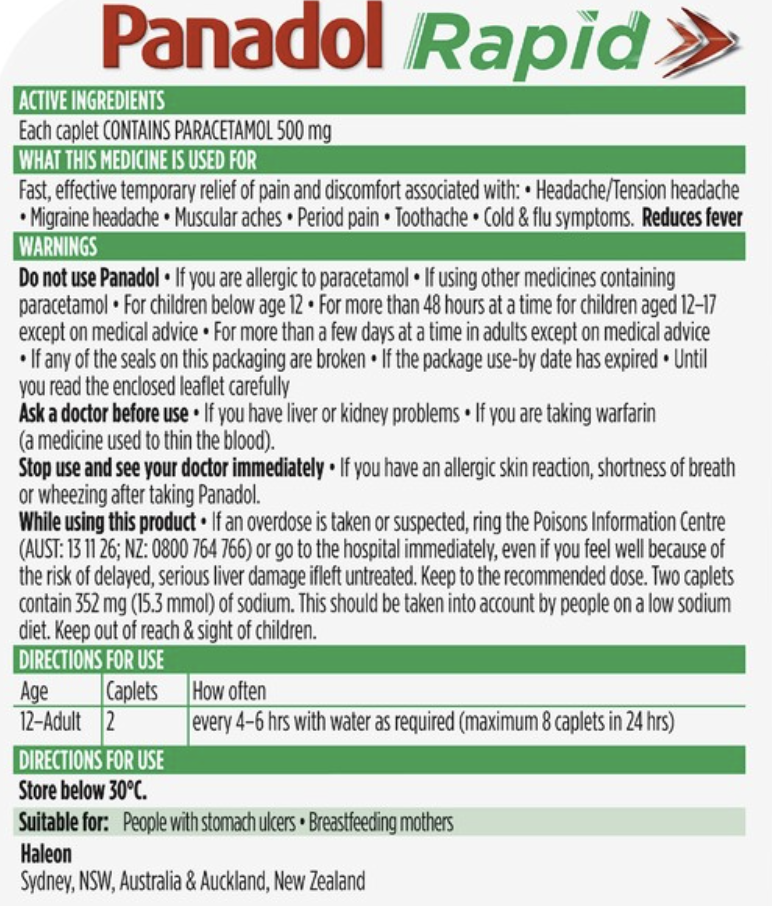
| Medicine labels | Therapeutic goods must provide important information such as ingredients, dosage instructions, warnings and safe-use details. | Panadol, Nurofen and antihistamines include dosage directions and safety warnings. |
|
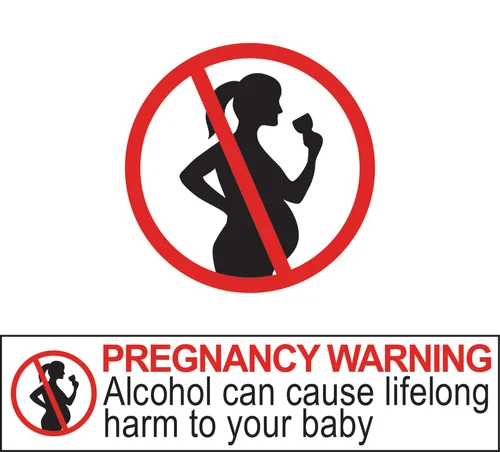
| Alcohol warning labels | Packaged alcoholic drinks must carry pregnancy warning information. | Wine bottles, RTDs and spirits commonly display pregnancy warning information. |
|
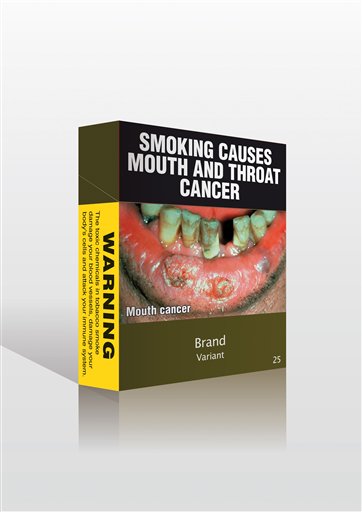
| Tobacco packaging | Tobacco products face strict packaging rules including standardised packaging and prominent health warnings. | Cigarette packets have graphic health warnings and very limited branding freedom. |
|
| Safety labels | Some products must display warnings because incorrect use could cause serious harm. | Products containing button batteries require warnings because swallowing them can cause serious injury. |

|
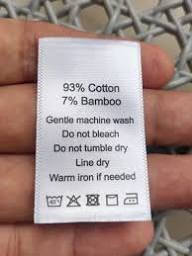
| Care labels | Clothing and textile labels can provide instructions about how products should be cleaned and maintained. | School shirts, towels and bedding commonly show washing, drying and ironing instructions. |
|
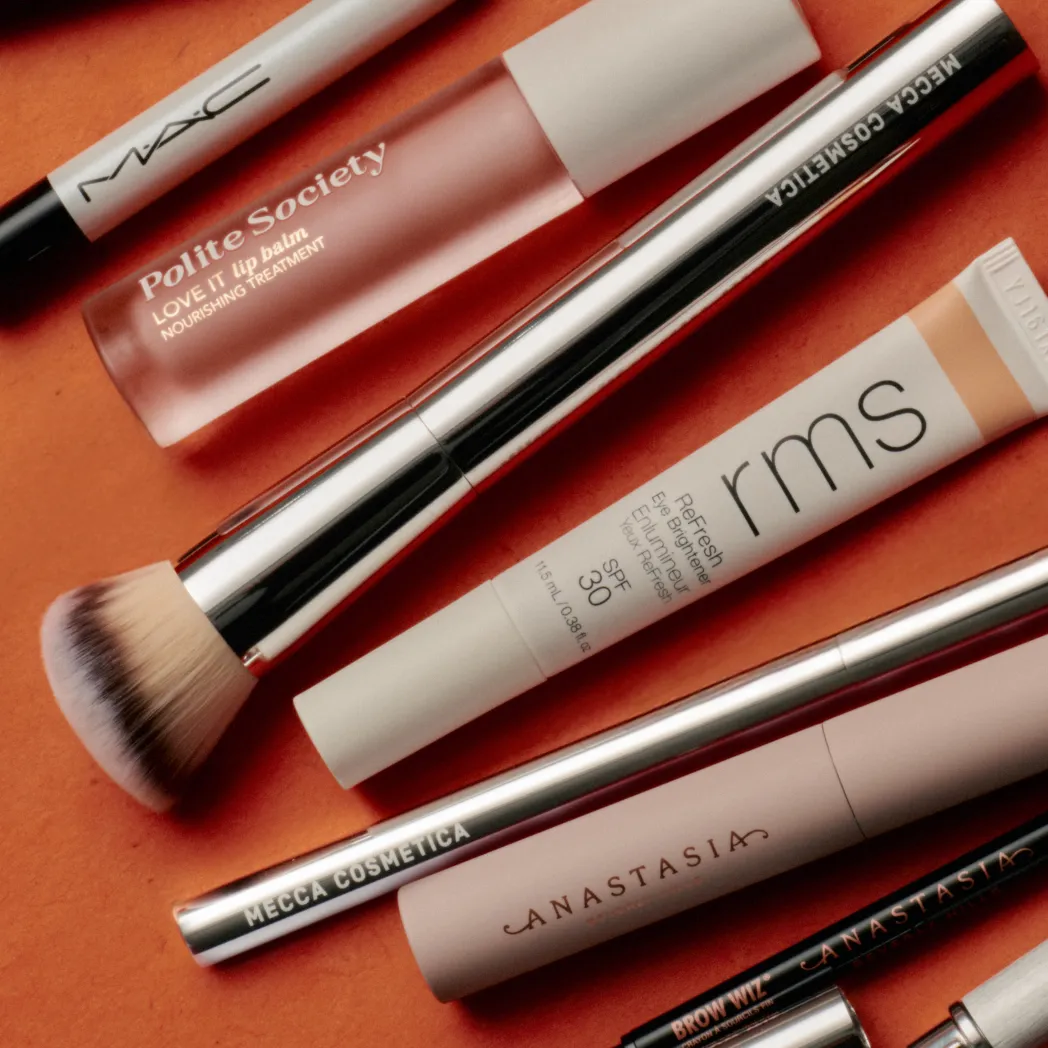
| Cosmetics | Cosmetics require clear ingredient information and claims must not mislead consumers. | Shampoo, face cream and makeup sold through retailers such as Priceline or Mecca require appropriate labelling. |
|
How labelling policy affects businesses
- packaging may need to be redesigned when rules change, increasing costs
- products must be checked carefully before being sold
- imported products may require new Australian-compliant labels
- marketing claims must be accurate and supportable
- staff in marketing, product design, quality control and compliance may all be involved
- errors may result in complaints, recalls, legal action and reputational damage
- compliance costs may be proportionally greater for smaller businesses
Example of how to write this in an exam
Government product-labelling policy influences businesses by requiring certain information and warnings to appear on products and packaging. For example, food businesses must provide required ingredient and allergen information so consumers can identify products that may be unsafe for them. This may increase packaging, design and compliance costs because businesses must check labels before products are sold. However, accurate labelling can improve consumer safety and trust while reducing the risk of complaints, recalls and legal action.
🕒 Trading hours
Why are there rules on trading hours?
Trading hours are regulated to balance consumer convenience, competition, worker conditions and community expectations. This helps to:
- balance consumer convenience with other community interests
- manage competition between different categories of shops
- influence when businesses can roster employees and operate
- create different trading arrangements for different types of retail businesses.
WA trading-hours policy
| Type | Summary | Examples | |
|---|---|---|---|
| General retail shops | In metropolitan Perth, general retail shops may normally trade 8am–9pm Monday to Friday, 8am–5pm Saturday and 11am–5pm Sunday and many public holidays. | Myer, Kmart, Big W, Target and JB Hi-Fi are examples. General retailers remain closed on Good Friday, Christmas Day and ANZAC Day unless a particular approved variation applies. |

|
| Small retail shops | Certified small retail shops can trade 24 hours a day, every day of the year. | Some independently owned suburban and family-operated shops may qualify if they meet the legal requirements. |

|
| Special retail shops | Certified special retail shops can generally trade between 6am and 11.30pm every day. | Examples include pharmacies, hardware stores, garden nurseries, newsagencies and some recreation-related retailers. |

|
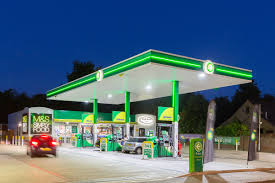
| Filling stations | Filling stations are treated differently because fuel is an essential service. | Service stations such as Ampol or BP can operate 24 hours, although rules can still affect what non-fuel goods may be sold. |
|
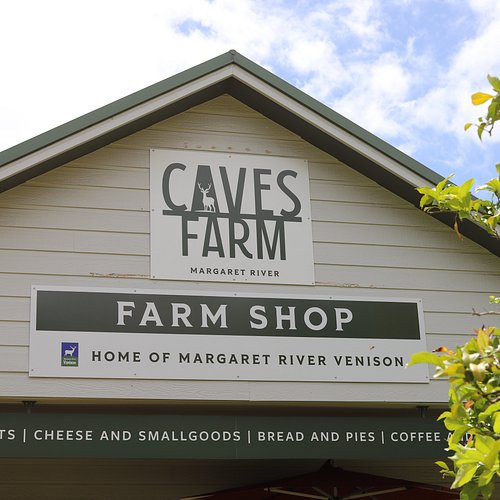
| Regional WA | Trading hours outside metropolitan Perth can differ because regional local governments may have approved variations. | The same retail chain may operate under different trading-hour arrangements in Perth and a regional WA town. |
|
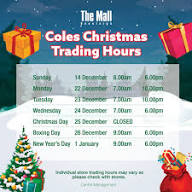
| Festive trading | The WA Government can temporarily extend trading hours during major shopping periods. | For Christmas 2026, extra Perth metropolitan trading hours were approved from 5 December, including longer weekend hours and earlier weekday opening from 14–24 December. |
|
How trading-hours policy affects businesses
- businesses cannot always open whenever customer demand is highest
- staff rosters must be organised around legal trading windows
- different shop classifications can create competitive advantages or disadvantages
- closing restrictions can reduce potential sales
- small retailers may gain a convenience advantage because they can trade longer
- regional businesses may operate under different local arrangements
- temporary extended hours can affect promotions, inventory and staffing decisions
Example of how to write this in an exam
Government trading-hours policy influences when retail businesses can operate. For example, a general retail business in metropolitan Perth normally faces set opening and closing times, while a certified small retail shop can trade 24 hours a day. This may limit the larger retailer’s ability to sell products when customer demand exists, potentially reducing sales revenue. It also affects staffing and rostering because managers must schedule employees around the permitted trading periods. Therefore, government trading-hours policy can directly influence both business revenue opportunities and operating decisions.
📺 Advertising practices to children
Why are there rules and standards?
Children can be more vulnerable to persuasive advertising because they may not understand commercial messages in the same way as adults. This can mean that:
- children may not always recognise when advertising is trying to persuade them
- advertising can influence what children want and increase pressure on parents
- some advertised products may be unsuitable or potentially harmful for younger audiences
- children may find it harder to recognise false or misleading claims
- online advertising and influencers can make paid or sponsored content harder to identify.
Important distinction
Not every rule in this area is a direct government law. Australia uses a combination of government regulation, such as ACMA rules affecting gambling advertising, and industry advertising codes, such as the AANA Children’s Advertising Code.
Australian examples
| Area | Summary | Examples | |
|---|---|---|---|
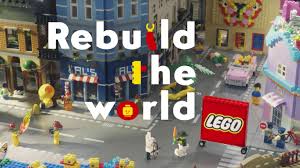
| Children’s Advertising Code | The AANA Children’s Advertising Code requires advertisers to act responsibly when advertising to children and prevents practices such as misleading children or unfairly pressuring them. | Toy, game and entertainment advertising should accurately represent products and should not tell children to pressure parents into buying them. |
|
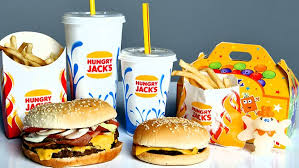
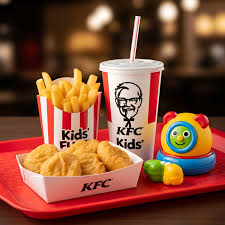
| Food and beverage advertising | Child-directed food advertising is subject to additional responsible-marketing standards, particularly for occasional or less healthy foods. | Fast-food brands need to consider how meal deals, collectables, mascots and child-focused promotions are presented. |
|
| Gambling ads during children’s programs | Broadcasting rules restrict gambling advertising during specified children’s programs and viewing periods. | Sportsbet or TAB advertisements cannot simply run without restriction during children’s programming. |
|
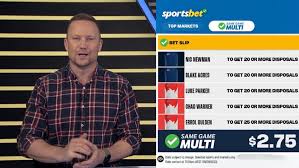
| Live sport gambling restrictions | Gambling advertising around live sport is subject to stronger restrictions during child-protection viewing periods. | AFL, NRL and cricket broadcasts have restrictions affecting when betting ads and betting-odds promotion can appear. |
|
| Therapeutic goods | Advertising of medicines and therapeutic goods faces restrictions when directed toward children. | Vitamin or medicine brands cannot market to young children in the same way that ordinary toy companies can. |

|
| Influencers and social media | Paid influencer content aimed at children should be clearly recognisable as advertising rather than disguised as ordinary entertainment. | If a YouTube or TikTok creator is paid to promote LEGO or another child-focused brand, the commercial relationship should be made clear. |

|
| Placement and timing | Advertising regulation can affect not only what an advertisement says, but also where and when it is shown. | Advertising shown around children’s content can attract greater restrictions than the same campaign shown to an adult audience. |
|
How advertising rules affect businesses
- businesses may need to change the wording, timing or placement of campaigns
- some industries such as gambling, food and therapeutic goods face additional restrictions
- marketing teams may need compliance checks before campaigns are released
- child-focused promotions may need to be redesigned
- social-media and influencer campaigns must also consider advertising standards
- businesses may lose some promotional freedom
- non-compliance can create complaints, regulatory action and reputational damage
Example of how to write this in an exam
Government policy and advertising standards influence how businesses promote products to children. For example, gambling advertising is restricted during certain children’s programs and live-sport viewing periods. This means a betting company cannot place advertisements whenever it wants and may need to alter the timing and placement of its campaign. These restrictions may reduce the size of the audience the business can reach, but they also protect children from exposure to potentially harmful advertising. Therefore, advertising policy can limit promotional freedom while encouraging businesses to market products more responsibly.
🎧 Prefer listening?
If you prefer listening to the content in Podcast format:
🎥 Prefer watching?
If you prefer watching the content in video format:
🃏 Flashcards
Card 1 of 14
🎮 Revision Games
💰 BME Millionaire
Master product labelling, trading hours and advertising to children.
🗂️ Policy Sorter
Decide whether each real-world example belongs to product labelling, trading hours or advertising to children.
⚡ 60 Second Showdown
Race the clock with quick government-policy questions.
Biz Fact: At Christmas, extra trading hours in WA often need formal government approval — businesses do not automatically get to stay open later.