
U1.03 — Australian Consumer Law: Consumer Rights and Protection
Overview
Dotpoint 3: Consumer rights and protection
Another important function of the ACL is to protect consumers and set minimum standards that all businesses must follow. This dotpoint focuses on three key features of consumer protection:
- Product safety (Australian Standards)
- Guarantees, warranties and refunds
- Repair and replacement rights
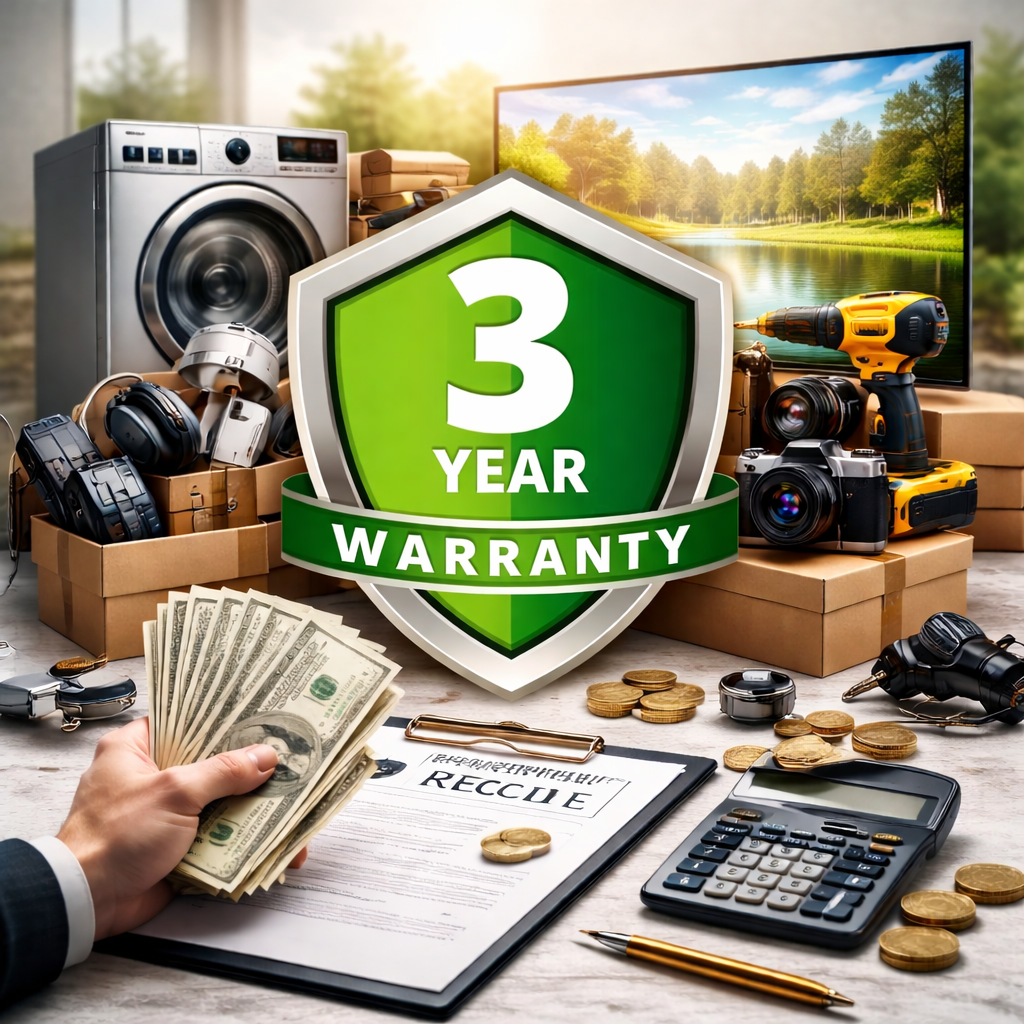
Product safety
Product safety means businesses must not supply products that are unsafe. Australia uses Australian Standards and other product safety requirements so products meet minimum safety levels — especially for high-risk items.
Key terms
Australian Standards
Minimum safety and quality requirements for certain products or industries.
- Common in high-risk products such as electrical goods and children’s products.
- Designed to reduce injuries and unsafe products entering the market.
Recall
When a business removes a product from sale and contacts customers to return it or stop using it due to a safety risk.
- Protects consumers and limits long-term reputational damage.
Examples of product safety issues
- Phone charger overheating: risk of fire → unsafe product.
- Kids toy with small parts: choking hazard → safety breach.
- E-scooter battery fault: can ignite while charging → major safety issue.
- Cosmetic product causing burns: unsafe ingredients or incorrect testing.
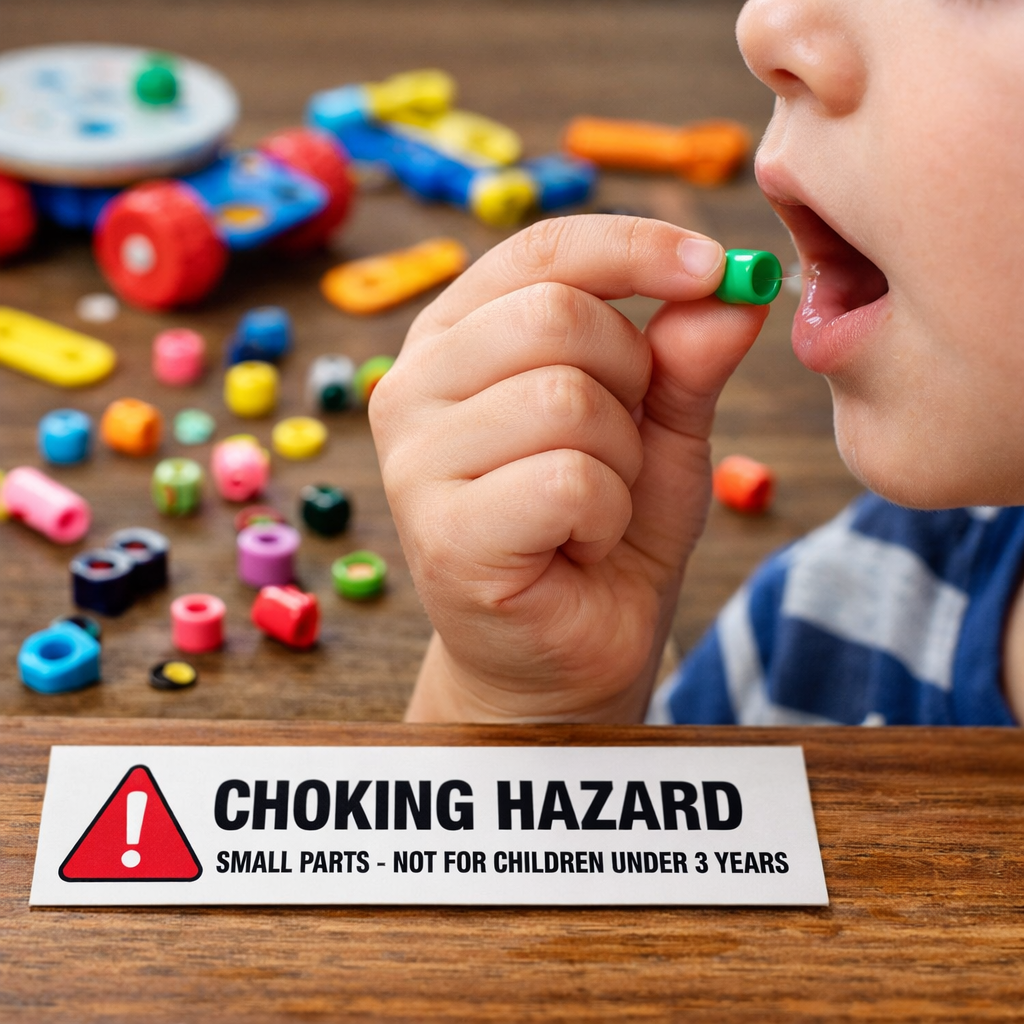
What businesses must do
- Sell safe products: comply with safety requirements and testing.
- Warn customers: clear labels and instructions for safe use.
- Act quickly: investigate complaints and stop supply if needed.
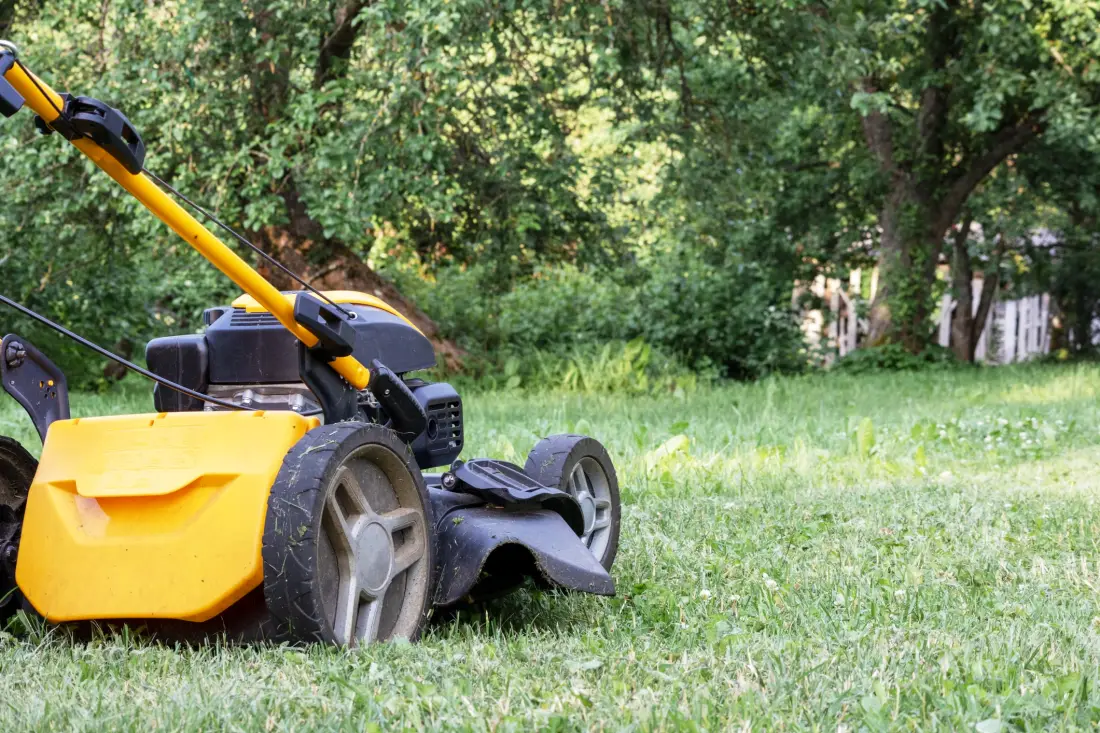
Real-life Australian recall example
DeWalt / Stanley Black & Decker recalled certain DeWalt cordless lawn mowers in Australia after reports of a fire risk linked to the battery/charging system, warning consumers to stop using affected models and follow the recall instructions.
Consumer guarantees, warranties and refunds
Under the ACL
- Consumer guarantees are automatic legal rights
- Warranties are extra promises from businesses
- Refunds are one possible remedy when a guarantee is not met
1) Consumer Guarantees – the baseline rights
Consumer guarantees are legal rights which apply automatically to most goods and services in Australia, even if no warranty exists.
The core guarantees
- Acceptable quality – safe, durable and free from defects
- Fit for purpose – does what it is meant to do (including any purpose the buyer explained)
- Matches description – advertising and labels must reflect reality
- Lasts a reasonable time – higher-priced goods should generally last longer
- Repairs/spare parts available – for a reasonable period
Examples
- A $2,000 laptop that fails after 14 months may breach acceptable quality.
- A printer sold as compatible with Mac but it cannot run on Mac → not fit for purpose.
- A phone advertised as 256GB but supplied as 128GB → does not match description.
2) Warranties – extra promises on top of ACL
A warranty is an additional promise about product quality or coverage for a set time. It may be free or paid, but it must not reduce ACL rights.
Types of warranties
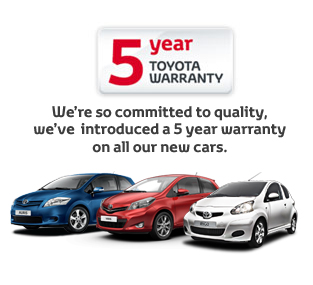
a) Manufacturer’s warranty
A written promise from the maker to repair or replace faulty goods for a set period.
- Samsung: 2-year warranty on Galaxy phones
- Toyota: 5-year unlimited km warranty
- Breville: 12-month repair or replacement
b) Express warranty
Specific claims made in advertising, packaging or by the salesperson that become part of the contract.
- Telstra: “Battery lasts up to 24 hours”
- Nike shoes: “Air sole cushioning reduces impact by 30%”
- Kmart kettle: “Boils in under 60 seconds”
- Bunnings: “5-year replacement warranty on Ozito drill”
c) Extended warranty (paid add-on)
Optional extra cover the customer can buy to extend protection beyond the standard period.
- JB Hi-Fi “JB Care”
- Harvey Norman Product Care
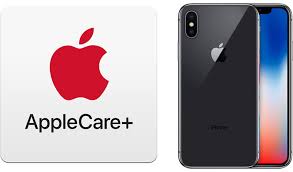
- AppleCare+ for iPhones
3) Refunds and Remedies – what the consumer can receive
When a consumer guarantee is breached, the customer is entitled to a remedy: The main 3 remedies are:
- Repair
- Replacement
- Refund
Major vs Minor failure
- Minor failure → business can usually repair first
- Major failure → consumer chooses refund or replacement
What “Refund” means
A refund means the business returns the customer’s money because a consumer guarantee was not met.
- Most likely for a major failure (the consumer can choose refund or replacement)
- The refund should be for the price paid (not “store credit only” for a major failure)
- If the product has been used, the refund may be reduced to reflect that use
- The seller (store) is responsible for providing the remedy, even if the manufacturer warranty has expired
Examples
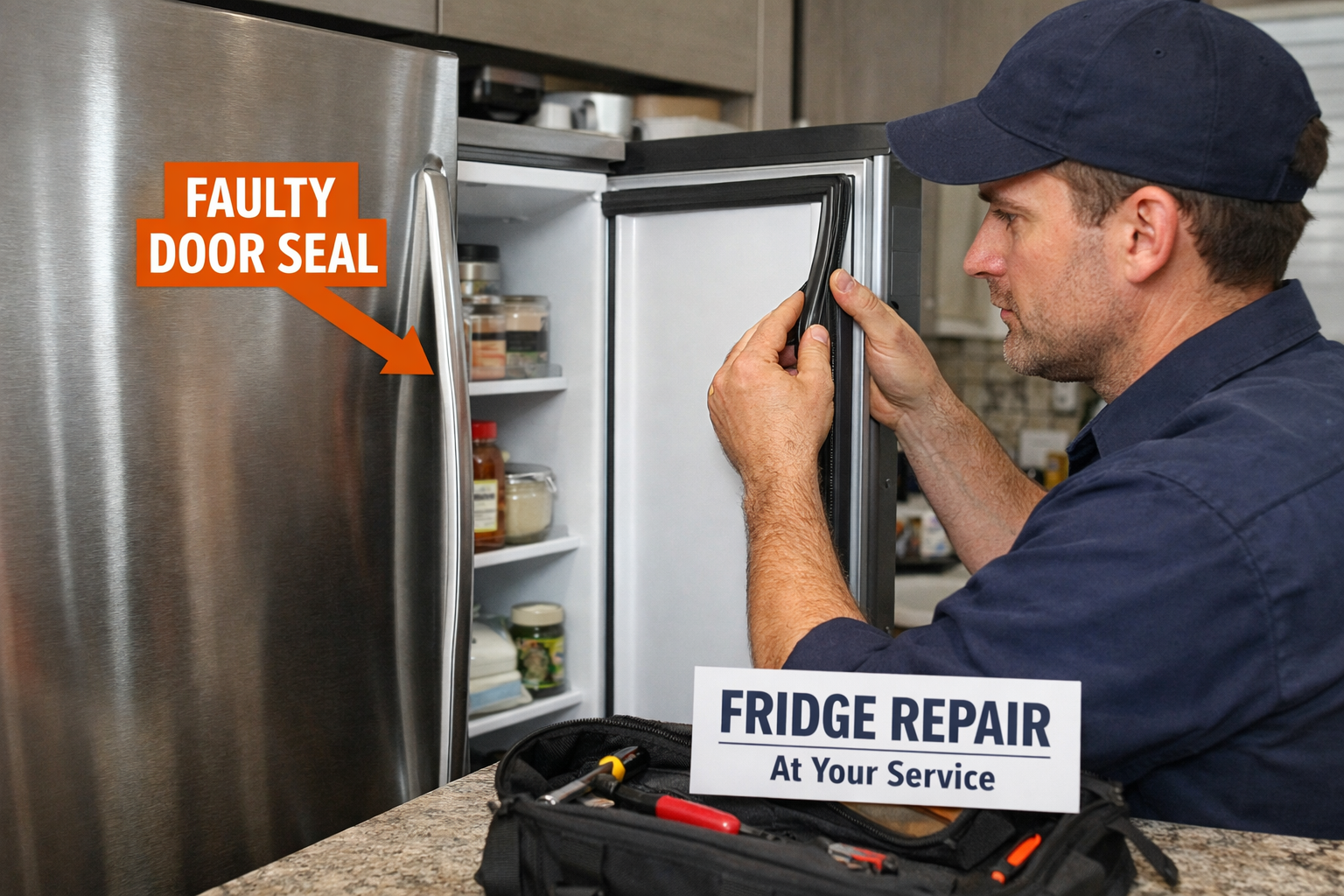
- Fridge with a small seal issue → minor failure = repair.
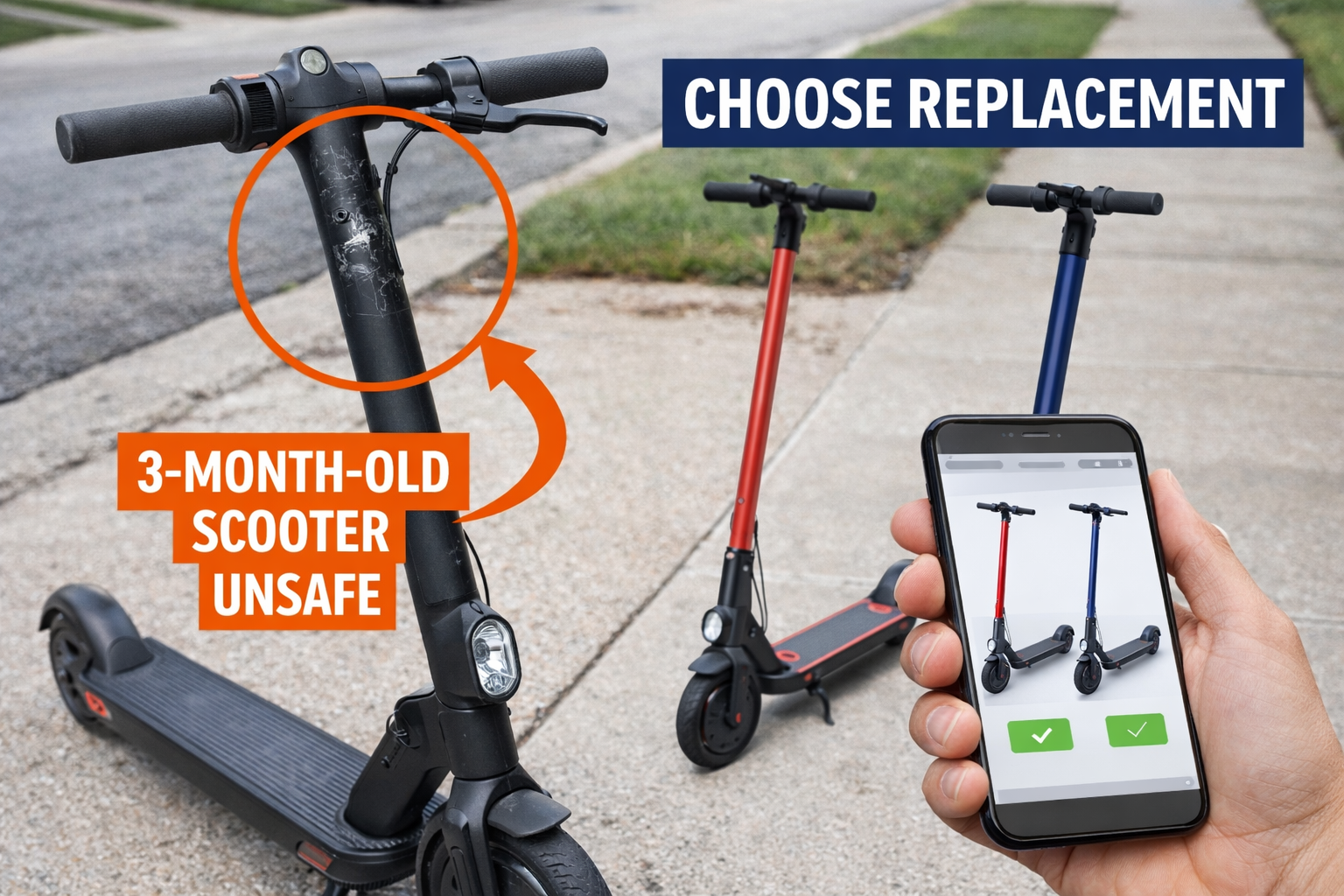
- 3-month-old e-scooter becomes unsafe → major failure = refund or replacement.
- Couch delivered in the wrong colour → major failure → refund or replacement.
Australian Scenario
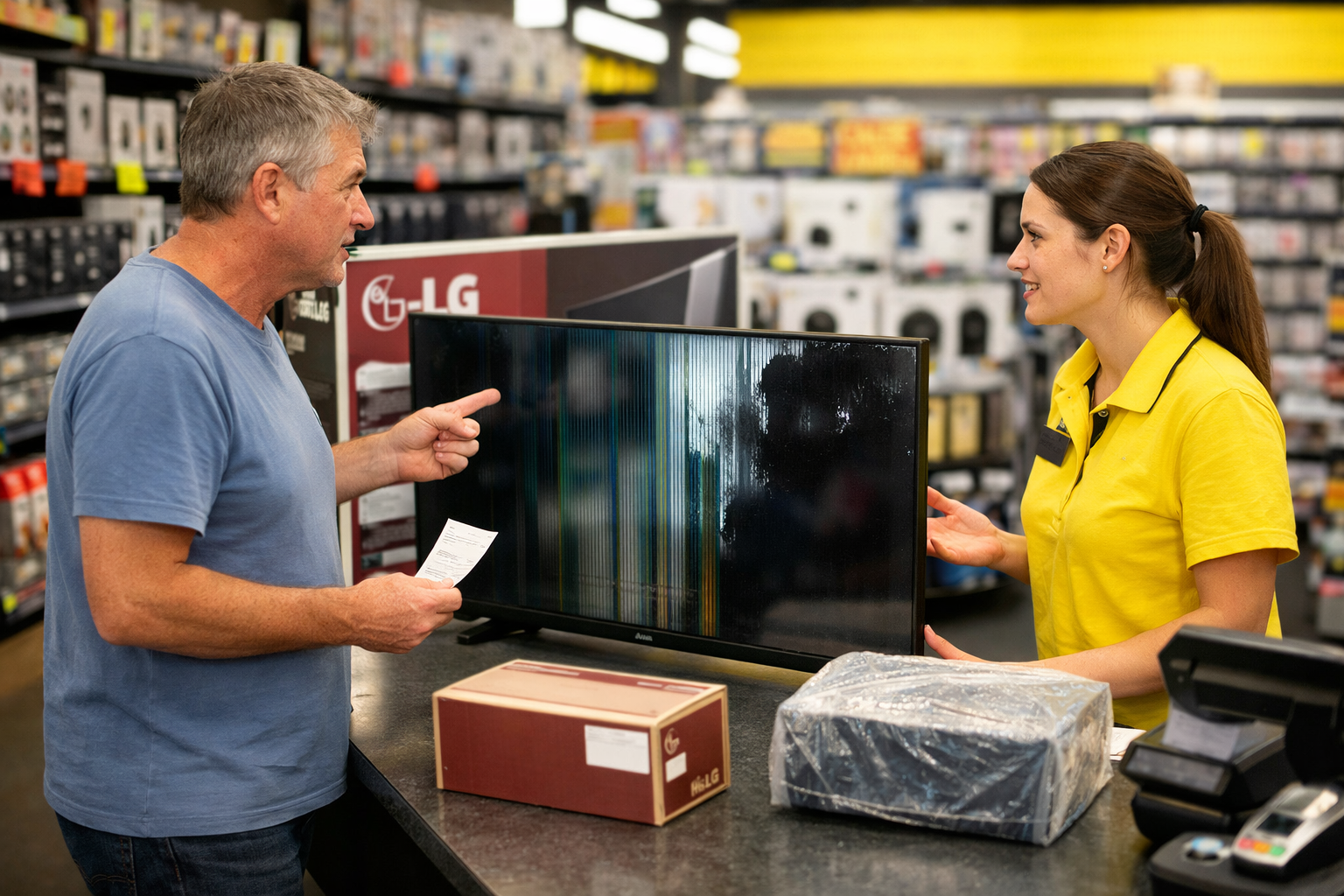
A Perth customer buys a $1,200 LG TV from JB Hi-Fi.
After 18 months the screen fails.
- Manufacturer warranty expired
- No extended warranty purchased
➡ The TV should reasonably last longer, so this is likely a major failure, and the customer can choose refund or replacement.
Repair and replacement
Repair and Replacement Rights
If a product is faulty, the consumer can return it to the seller for a remedy.
The type of remedy depends on whether the problem is a minor failure or a major failure.
- Minor failure → the business can usually repair the item
- Major failure → the consumer can choose refund or replacement
A minor failure is a small issue that can be fixed quickly (for example, a fridge door seal that needs replacing). A major failure is serious, unsafe, or makes the product not worth keeping (for example, an e-scooter that becomes unsafe to use).
1) Repair
Repair means fixing the product so it meets the consumer guarantee and works as expected.
Key points
- Most common remedy for minor failures
- Must be completed in a reasonable time
- The item must be returned in a safe and usable condition
Examples
- A new fridge has a faulty door seal → the store arranges a repair.
- A phone speaker stops working after two months → repaired under ACL.
- A washing machine has a small part failure that can be replaced → repair is appropriate.
2) Replacement
Replacement means providing a new product of the same type.
If an identical item is unavailable, a product of similar value and quality must be offered.
Key points
- Usually chosen by the consumer for major failures
- Also applies if a repair cannot be done in a reasonable time
- The replacement must be equivalent, not a downgrade
Examples
- A 3-month-old e-scooter becomes unsafe → consumer can choose replacement.
- A laptop repaired three times with the same fault → replacement is reasonable.
- A couch delivered in the wrong colour → replacement required because it doesn’t match description.
What reasonable time means
Reasonable time depends on:
- Product type – essentials like fridges or internet modems should be fixed faster
- Complexity – simple faults should not take weeks
- Parts availability – delays may be acceptable if clearly communicated
- Customer impact – greater disruption requires faster action
Common business mistakes
- Saying “it’s the manufacturer’s problem” – the seller is still responsible
- Offering store credit only for a major failure
- Taking too long to repair and still refusing replacement
- Claiming misuse without proper evidence
Exam-ready paragraph
If a fault is a minor failure, the business can usually repair the product within a reasonable time to meet the consumer guarantee. However, if the fault is a major failure because it is unsafe, serious, or the consumer would not have purchased the product if they had known, the consumer can choose a refund or replacement under ACL, even if the manufacturer warranty has expired.
🎧 Prefer listening?
If you prefer listening to the content in Podcast format:
🎥 Prefer watching?
If you prefer watching the content in video format:
Biz Fact: Hungry Jack’s recalled “Burping Garfield” toys and offered replacements after ACCC action on safety and labeling issues related to button batteries.