
U2.17 — Function of Key Performance Indicators (KPIs)
Overview
Dotpoint 17: function of key performance indicators (KPIs).
Key performance indicators (KPIs) are measures used to judge how well a business is performing. They help a business track progress, identify strengths and weaknesses, and decide whether it is meeting its goals.
KPIs can be grouped into two broad types:
- financial KPIs — such as profitability, liquidity and stability
- non-financial KPIs — such as quality and customer satisfaction
This dotpoint focuses on what KPIs do and why they matter before the next dotpoints go into different KPI types in more detail.
📌 What are KPIs?
A KPI is a measure used to check whether a business is achieving its goals. In simple terms, KPIs help show whether the business is doing well, staying the same, or getting worse.
Function and main idea
- KPIs are specific measures used to track how well a business is performing.
- They turn broad business goals into clear, measurable targets.
- KPIs help managers monitor performance in an organised way.
- They can be used to compare results against previous years, competitors or the industry average.
Why they matter
- KPIs matter because they give managers evidence, not guesswork.
- They help a business see whether a strategy is working.
- They show where performance is improving and where problems are starting to appear.
- This makes it easier for managers to decide what needs attention next, such as improving quality, speeding up service, reducing costs or increasing customer satisfaction.
💰 Financial KPIs and non-financial KPIs
There are hundreds of different KPIs a business can use. In this course, the main focus will be on the financial and non-financial indicators covered in Dotpoints 18 and 19.
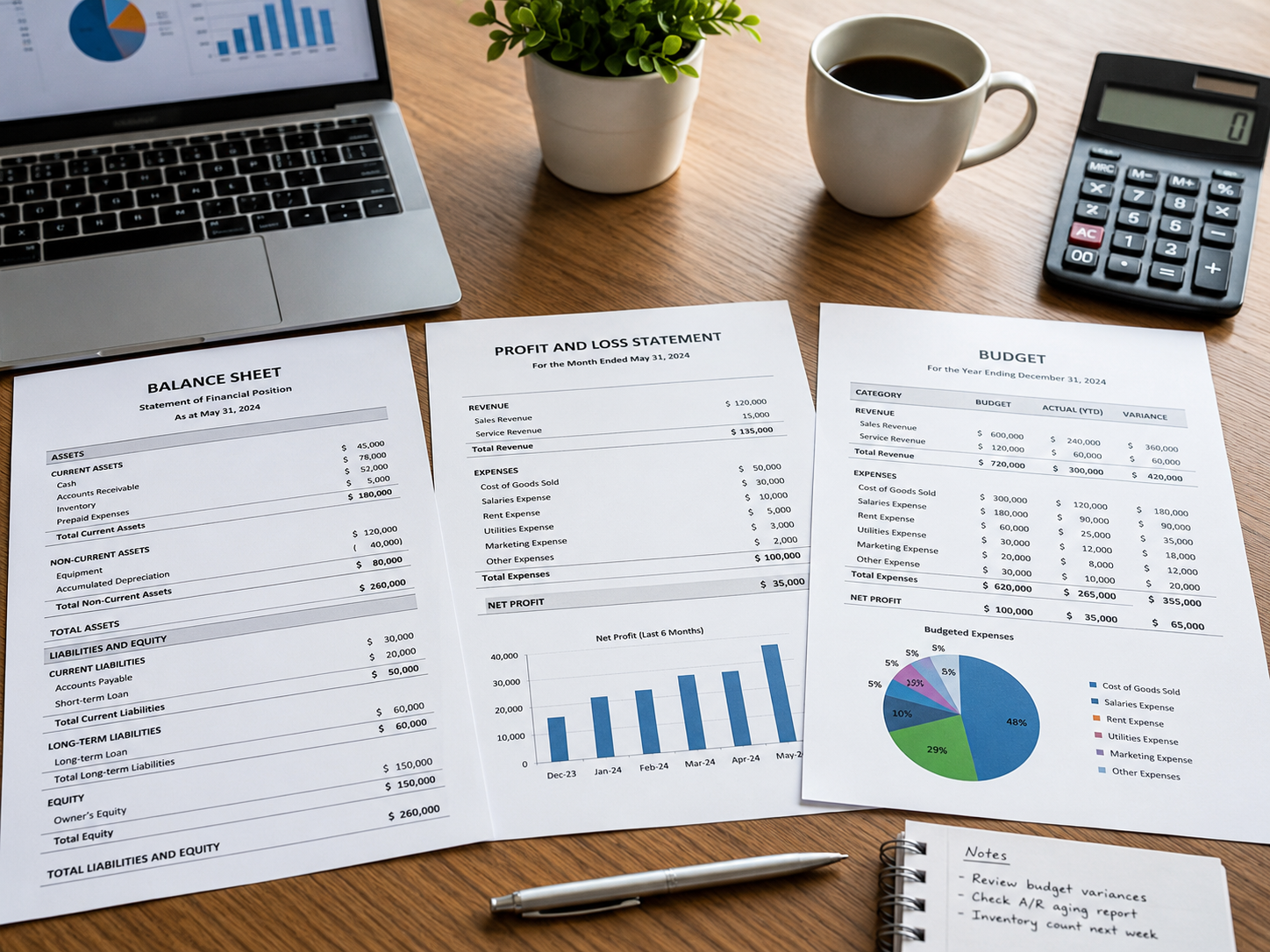
Financial KPIs
These focus on the financial side of business performance.
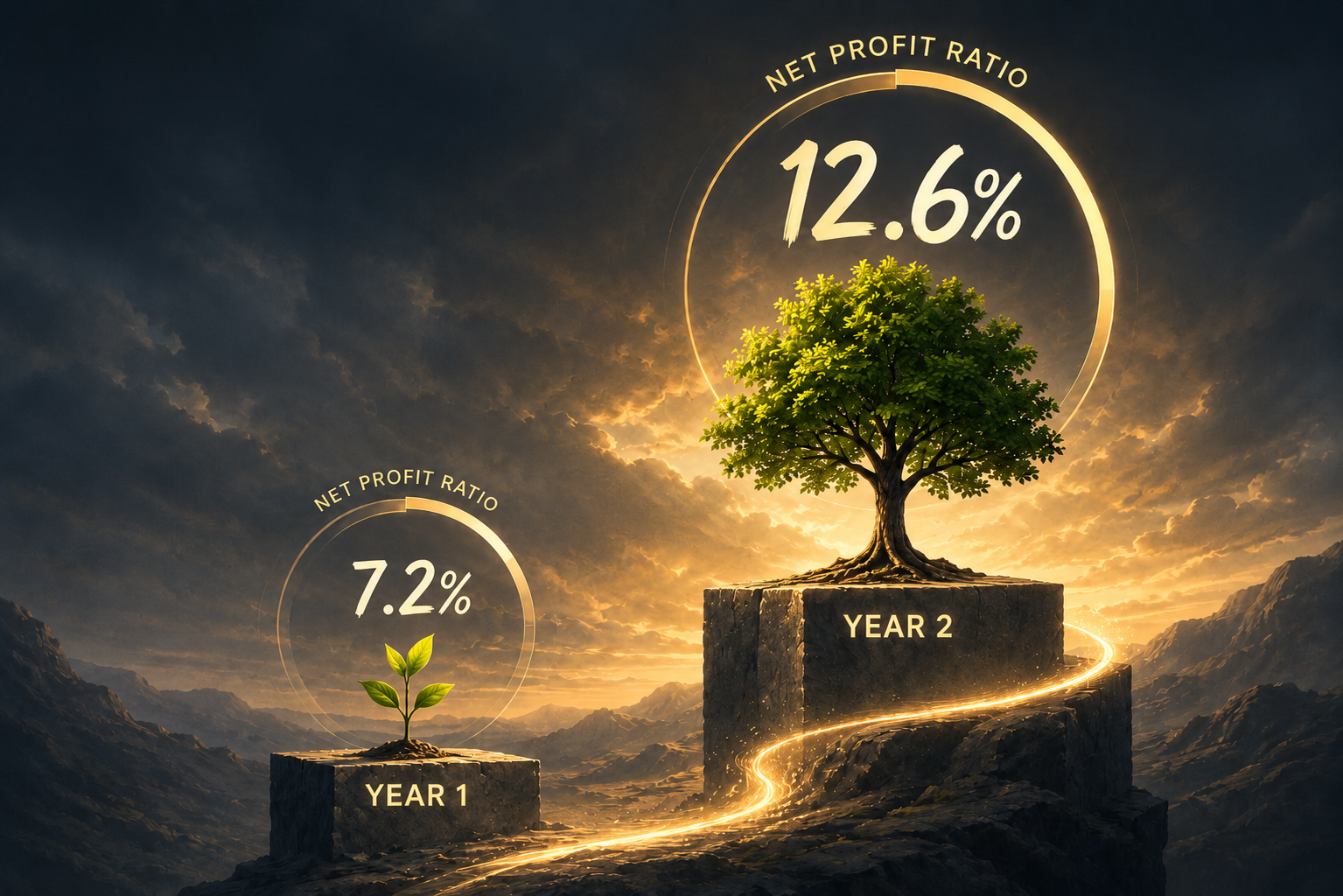
- profitability — ability to make profit
- liquidity — ability to meet short-term debts
- stability — long-term financial strength
These are often measured using ratios and figures taken from financial reports.
Dotpoint 18 will look at these in more detail.
Non-financial KPIs
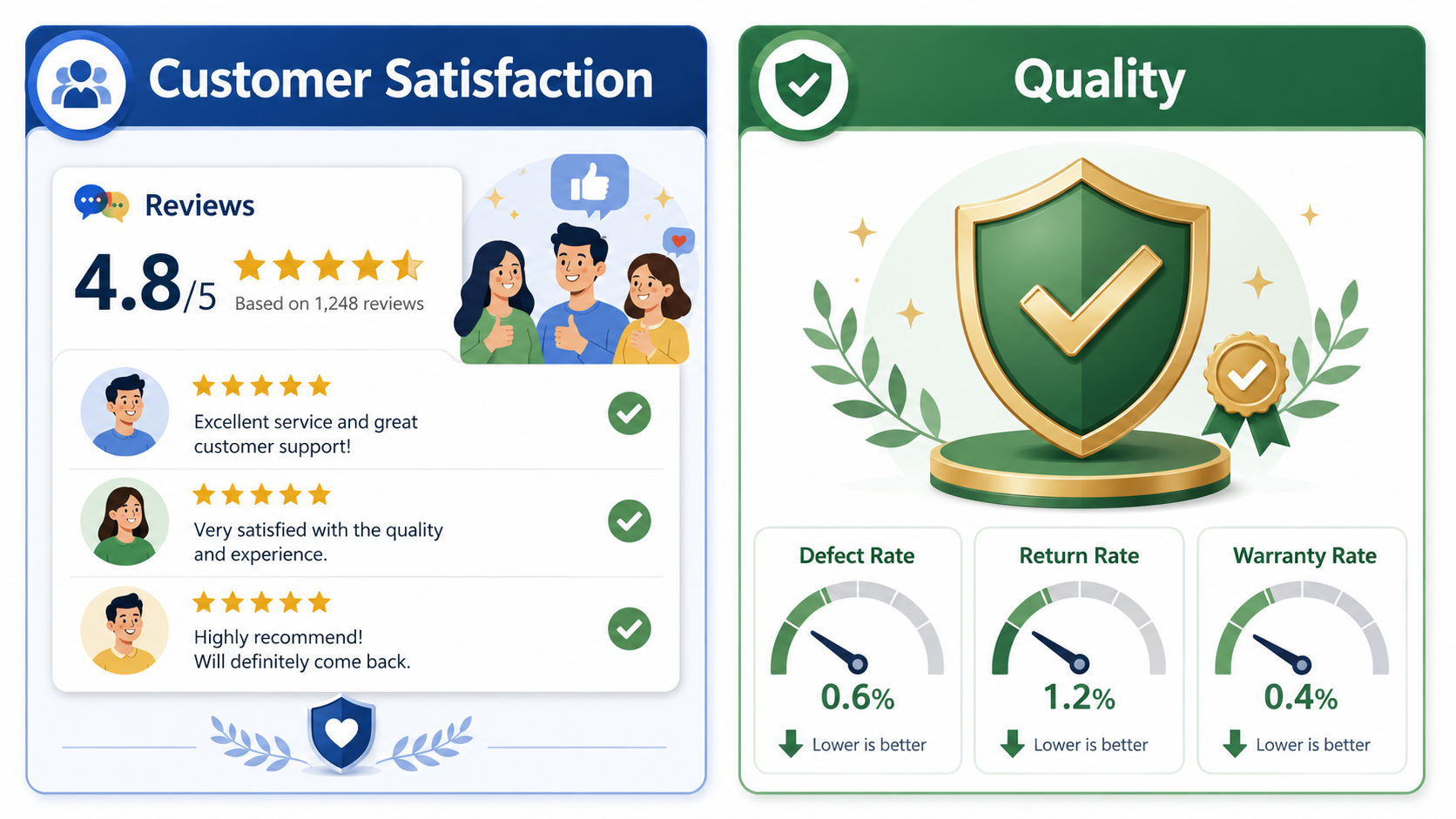
These focus on business performance that is not directly shown in dollars.
- quality — how good and reliable the product or service is
- customer satisfaction — how happy customers are with the business
These are often measured using surveys, reviews, complaints, return rates and other indicators.
Dotpoint 19 will look at these in more detail.
🏢 KPIs Across the 4 Business Functions
As already mentioned, there are hundreds of KPIs a business could use. One helpful way to think about them is through the different functions or departments of the business, because each area tends to measure performance in a different way.
Human resources (HR)
HR KPIs help show how well the business is managing its people.
- staff turnover
- absenteeism
- training completion rates
- employee satisfaction
- staff retention
- time taken to fill vacancies
If absenteeism rises or staff turnover becomes high, that may suggest problems with morale, workload or management.
Marketing
Marketing KPIs help show whether marketing activities are actually working.
As introduced earlier in U1.17 — Elements of the marketing mix, the 8th P Performance included:
- sales revenue
- sales returns
- customer satisfaction
Other marketing KPIs can include website traffic, online conversion rate, shopping cart abandonment rate, email open rate, social media engagement, reach, click-through rate and cost per lead.
Operations
Operations KPIs help show how efficiently the business is producing or delivering goods and services.
- defect rates
- output per worker
- delivery times
- waste levels
- downtime
- stock turnover speed
For example, if defect rates rise, this may suggest problems with quality control or production processes.
Finance
Finance KPIs help show the financial health and performance of the business.
- liquidity ratios such as working capital and the current ratio
- profitability ratios such as the gross profit ratio and net profit ratio
- stability ratios such as the debt to equity ratio
These help the business judge profit, short-term financial position and long-term stability.
⚖️ Why businesses use a mix of KPIs
Why a mix matters
- a business may have strong profitability but poor customer satisfaction
- a business may have good sales but weak liquidity
- a business may have strong quality but weak stability if debt is too high
Businesses usually use a mix of KPIs because no single measure gives the full picture. Financial KPIs help show what is happening in dollars, while non-financial KPIs help show what may happen next.
Real-life examples
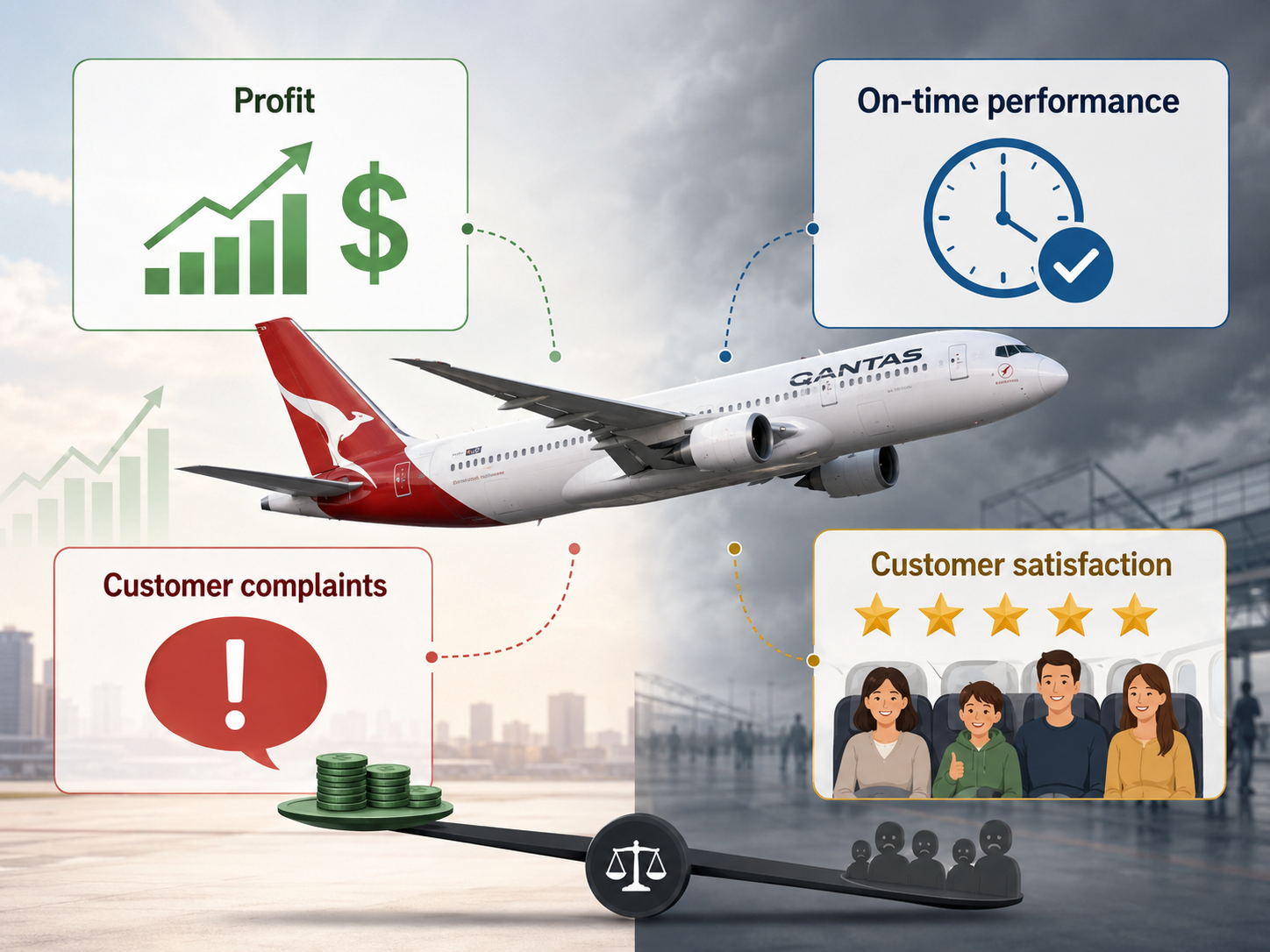
Qantas would not only track profit. It would also need to watch on-time performance, customer complaints and customer satisfaction, because strong sales mean less if passengers are unhappy.
McDonald’s may track sales and profitability, but it also needs to monitor speed of service, product consistency and customer feedback across stores.
Apple may record very strong revenue, but it would still watch product quality, return rates and customer reviews because these affect future demand and brand reputation.
Netflix may have high subscription revenue, but it also needs to watch subscriber retention and customer satisfaction because cancellations can quickly weaken future growth.
🎧 Prefer listening?
If you prefer listening to the content in podcast format:
🎥 Prefer watching?
If you prefer watching the content in video format:

Biz Fact: TikTok’s dream KPI is not views — it is how long you stay trapped scrolling.