
U1.17 — Elements of the Marketing Mix
Overview
Dotpoint 17: Elements of the Marketing Mix
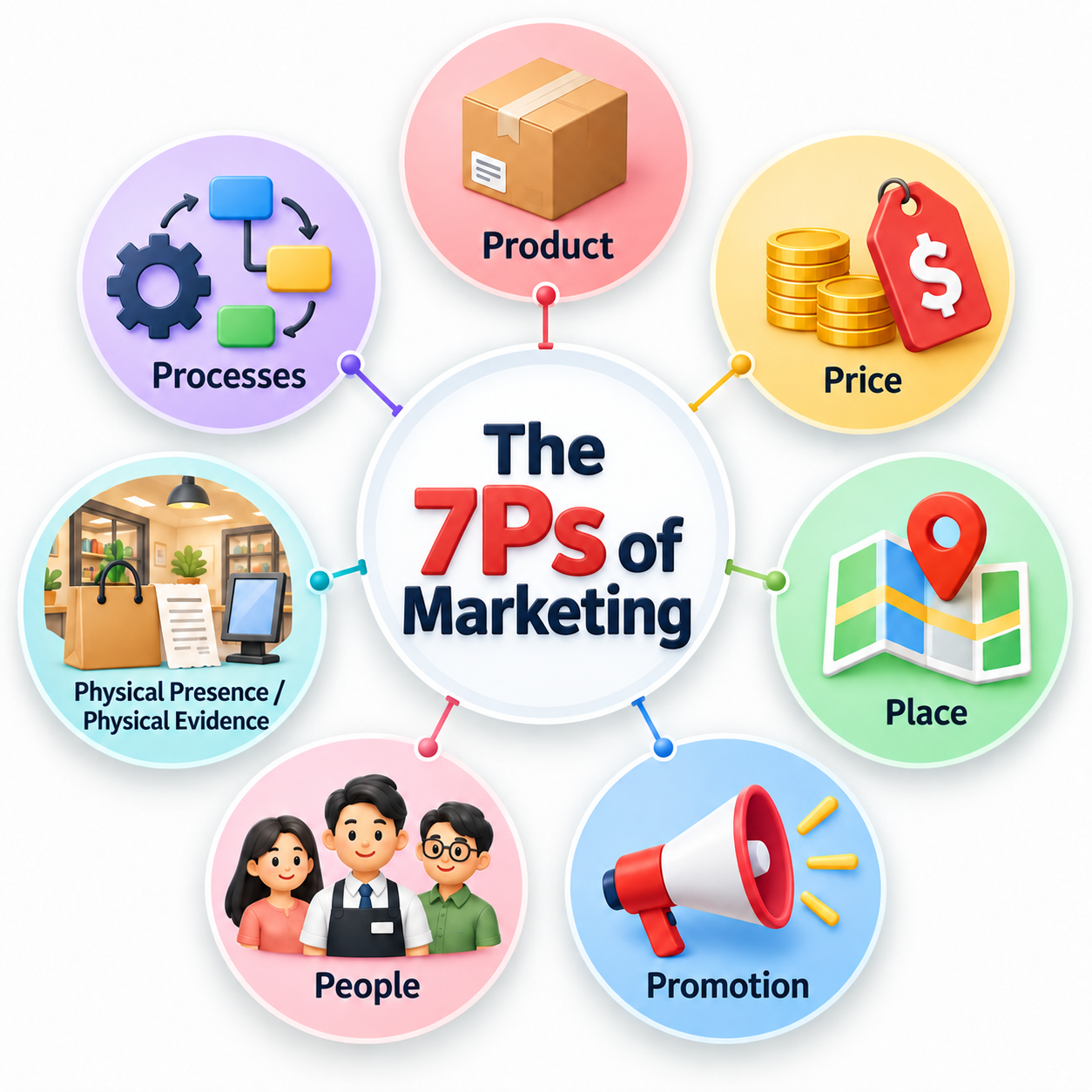
Marketing mix is the set of marketing decisions a business makes to attract customers and achieve its marketing goals.
This dotpoint focuses on eight different areas of marketing:
- Product
- Price
- Place
- Promotion
- People
- Processes
- Physical Presence / Physical Evidence
- Performance
The first four — Product, Price, Place and Promotion — are the traditional 4Ps of the marketing mix.
People, Processes and Physical Presence are commonly added for service businesses, creating the 7Ps of the marketing mix.
Performance focuses on measuring how effectively the 7Ps are helping the business achieve its marketing objectives.
Product — Positioning, Features, Branding & Packaging
Product refers to the good or service a business offers to satisfy customer needs and wants.
It includes the physical item or service itself, along with design, quality, features, branding, packaging and the overall consumer experience.
Effective product strategy ensures that customers recognise value and prefer the product over alternatives in the market.
The key elements of product strategy are positioning, features, branding and packaging.
The four key Product areas examined in this course are:
- Positioning
- Features
- Branding
- Packaging
1. Positioning
Product positioning is the strategic process of defining how a product should be perceived in the minds of target customers, relative to competitors, by emphasising its unique value and benefits.
It creates a clear and desirable brand impression that guides marketing and sales, helping customers understand, trust and choose the product.
A product may be positioned as:
- premium
- affordable/value-focused
- innovative/technology-driven
- convenient and time-saving
- luxury and exclusive
- environmentally or socially responsible
How positioning works
- Identify the target market: The business first decides which customer group it wants to serve.
- Analyse competitors: It looks at how rival products are already perceived (e.g., cheap vs premium, basic vs luxury).
- Choose a desired image: The firm decides what it wants to be known for — like quality, value, innovation, or convenience.
- Align the marketing mix: Price, promotion, product design, branding, and customer experience are all shaped to reinforce that image.
Advantages of Positioning
- Builds loyalty: customers feel connected to the brand.
- Supports higher prices: strong positioning can justify premium pricing.
- Creates difference: helps stand out in a crowded market.
- Clarifies marketing: guides ads, pricing, design and tone.
Limitations of Positioning
- Hard to change later: re-positioning can be expensive and risky.
- Needs consistency: one bad experience can weaken the image.
- Competitors respond: rivals may copy or attack your position.
- Mismatch damages trust: if the promise doesn’t match reality, customers leave.
Examples
- Gage Roads Brewing Co. → “Laid-back, coastal WA lifestyle craft beer”
- C Restaurant → “Premium, special-occasion fine dining with city views”
- IKEA Perth → “Affordable, modern furniture for everyday homes”
- JB Hi-Fi → “Low-price, high-volume electronics retailer”
2. Features
Features are the specific characteristics, attributes and functions of a product that provide value to consumers.
They influence how well the product meets customer needs and help differentiate it from competing offerings.
Features may relate to:
- performance – how well the product operates or delivers its purpose
- durability – product lifespan and reliability over time
- convenience – ease of use, practicality and accessibility
- technology – innovation, functionality and technical capability
- style and design – appearance, aesthetics and user appeal
Examples
- RAC WA Roadside Assistance → reliability, towing, emergency response
- Little Creatures Brewery (Fremantle) → craft quality, flavour innovation, venue experience
- Crown Perth Hotels → premium finishes, concierge services, integrated entertainment
- Apple iPhone → high-resolution camera system, biometric security, seamless ecosystem integration, intuitive interface
- Tesla Vehicles → long-range electric battery, autopilot capability, over-the-air software updates, large touchscreen interface

3. Branding
Branding involves creating a distinctive identity for a product or business so it can be easily recognised and remembered by customers.
Branding is created and reinforced through:
- Name – the brand or product name customers identify with
- Logo – the visual symbol representing the brand
- Colours – consistent colour schemes linked to the brand identity
- Symbols – imagery or icons associated with the business
- Slogans/Taglines – short statements expressing the brand promise
- Design Elements – packaging, typography, store layout and style

Why branding matters
- Builds customer loyalty and repeat purchasing
- Increases recognition and brand recall
- Supports premium pricing where brand value is strong
- Enables brand extensions into new product lines
- Creates long-term competitive advantage through brand equity
- Differentiates products in crowded or competitive markets
Limitations of branding
- Expensive to create, protect and maintain
- Difficult and risky to reposition once established
- Strong reliance on brand reputation — negative publicity damages trust
- Competitors may imitate branding elements
- Customer expectations rise as the brand strengthens
- Long-term investment is required before benefits are fully realised

Examples
- Varsity — multiple WA locations → bold American-sports-bar themed brand targeting youth culture
- Nike → performance-driven athletic lifestyle brand
- Qantas → national identity combining trust, heritage and reliability
- Starbucks → global coffeehouse lifestyle and familiarity brand

4. Packaging
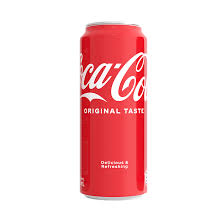
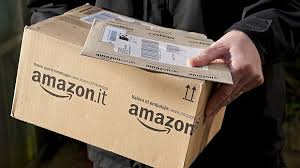
Packaging refers to the materials, structure and visual design used to protect, present and promote a product.
It is often the first physical contact consumers have with a product and plays a major role in shaping perceptions of quality and brand identity.
Packaging performs both functional and promotional roles, including:
- Safety & protection – prevents damage, contamination and spoilage
- Convenience – supports storage, transport and ease of use
- Sustainability – influences environmental impact and recyclability
- Visibility – attracts attention at the point-of-sale
- Brand communication – conveys brand identity and positioning
Why packaging matters
- Protects product quality and reduces waste
- Enhances attraction and visibility on shelves
- Reinforces branding and positioning
- Creates emotional appeal, especially for premium or gift items
- Improves customer convenience and usability
- Supports sustainability messaging through eco-friendly materials
- Encourages impulse purchasing through strong visual design
Limitations of packaging
- Increases production and retail costs
- Over-packaging raises environmental concerns
- Misleading packaging can damage trust and reputation
- Redesign and re-branding can be expensive
- Legal labelling requirements create compliance risk
- Increasing consumer scrutiny of packaging waste and plastics
Example of how to write this in an exam
Positioning example: Product positioning is the way a business wants its product to be perceived by its target market compared with competitors. For example, Crown Towers Perth positions its accommodation as premium by combining luxury rooms, high-end facilities, exclusive dining and premium customer service. These product decisions create a clear image of quality and exclusivity in the minds of customers. As a result, Crown can appeal to customers seeking a high-end experience and support higher prices because the product is perceived as offering greater value and status.
Branding example: Branding creates a distinctive identity that helps customers recognise and remember a product. Nike uses its name, swoosh logo, consistent colours and performance-focused imagery to create a strong athletic identity. This makes the brand easy to recognise and helps customers associate Nike with sport, performance and aspiration. Over time, strong branding can build loyalty and brand equity, meaning customers may repeatedly choose Nike even when competing products offer similar features.
Packaging example: Packaging protects and presents a product while also communicating the brand's positioning. Tiffany & Co.'s distinctive blue gift box is immediately recognisable and reinforces its premium and exclusive image before the jewellery is even used. This means the packaging becomes part of the customer experience rather than simply protecting the product. The result is higher perceived value and stronger brand recognition, which can support premium pricing.
Price — Skimming, Penetration, Psychological & Premium
Price refers to the amount of money a customer pays to obtain a product or service.
Businesses select pricing strategies based on their objectives — for example, market entry, profit maximisation, competitive response, brand image or long-term growth.
In this course, four key pricing strategies are examined: price skimming, penetration pricing, psychological pricing and premium / prestige pricing.
The four key pricing strategies in this course are:
- Price skimming
- Penetration pricing
- Psychological pricing
- Premium / prestige pricing
1. Price Skimming
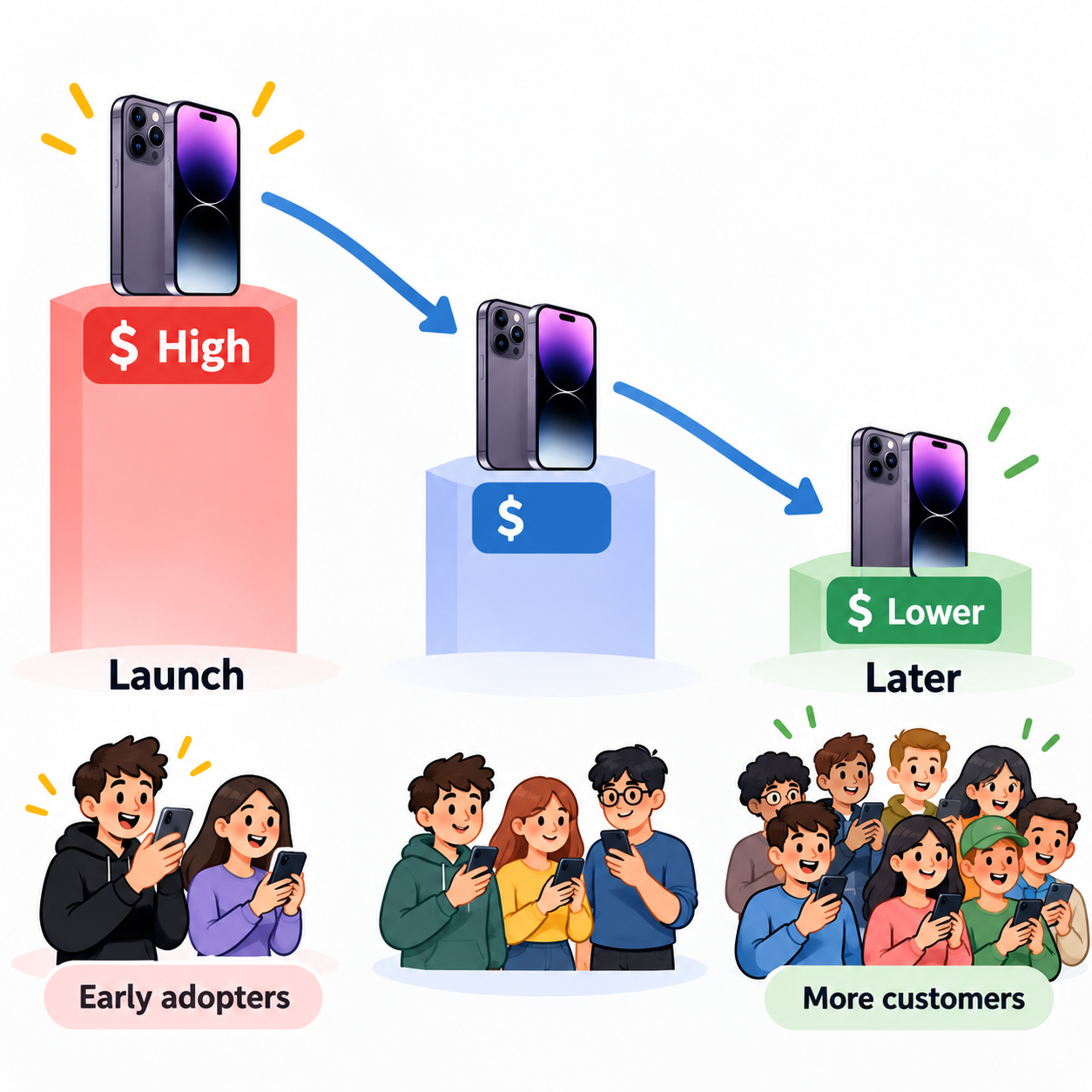
Price skimming is a strategy where a business launches a new or innovative product at a high initial price to maximise revenue from early adopters, before gradually lowering the price over time to attract broader market segments.
It is commonly used when a product is unique, technology-driven or faces limited competition at launch.
Advantages
- Maximises short-term profit and revenue generation
- Enables rapid recovery of research and development costs
- Supports a premium or innovative brand image
- Allows the business to segment the market and capture high-value buyers first
- Creates perceived exclusivity
Disadvantages
- High initial price may deter price-sensitive consumers
- Early customers may feel dissatisfied when prices drop
- Requires strong product differentiation
- Sales volume may initially be limited
Examples
- Premium fitness or wellness products launched at boutique Perth studios
- Innovative automotive or EV upgrades initially priced at a premium
- Apple iPhone launches → New iPhones start expensive, then become cheaper as promotions roll out and the next model arrives
- Sony PlayStation consoles → premium launch price which reduces over time
2. Penetration Pricing
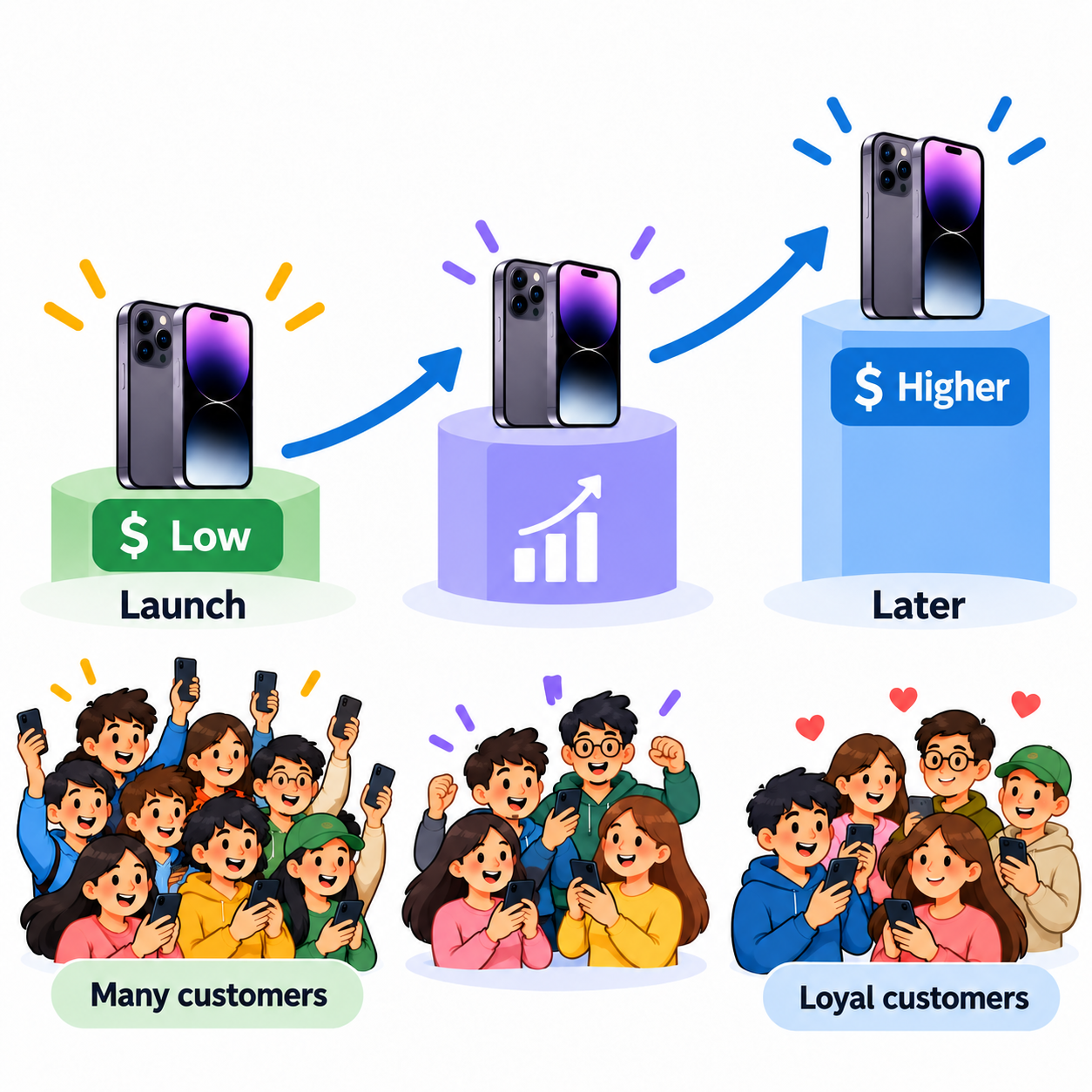
Penetration pricing involves setting a low initial price when launching a product in order to rapidly attract customers, increase market share and discourage competitors.
Once demand and loyalty grow, the business may gradually increase prices.
Advantages
- Rapidly increases sales volume and market share
- Encourages customers to trial a new product
- Discourages competitor entry due to low price levels
- Can build strong brand awareness quickly
- Useful when demand is price-sensitive
Disadvantages
- Profit margins are initially reduced
- Customers may associate the product with “cheap” quality
- Price increases later may cause dissatisfaction
- Competitors may still retaliate with price competition
- Not sustainable long-term unless costs are tightly controlled
Examples
- New food delivery platforms entering a city → offering discounted delivery fees or first-order specials to quickly attract users
- Budget airlines launching new routes → setting very low introductory airfares to build passenger numbers before increasing prices
- New telecommunications providers → offering heavily discounted mobile or data plans to win customers from established competitors
- Streaming platforms such as Disney+ at launch → entering the market at a lower monthly price than existing services to build rapid subscriber growth
3. Psychological Pricing
Psychological pricing refers to pricing techniques designed to influence customer perception rather than simply reflect cost or value.
The aim is to make the price appear more attractive or affordable, even where the difference is minimal.
Common techniques include:
- “Charm pricing” — e.g., $9.99 instead of $10.00
- Price anchoring — showing a higher price first so the next price feels cheaper (e.g., “Was $199, now $129”).
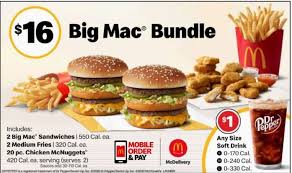
- Bundling — combining products for perceived savings
Advantages
- Encourages impulse purchasing
- Makes prices appear more affordable
- Enhances perceived value without reducing revenue significantly
- Widely understood and accepted by consumers
Disadvantages
- Some consumers recognise the technique and ignore it
- May create a perception of low quality in premium markets
- Ethical concerns if pricing is manipulative
- Less effective in business-to-business or high-involvement purchases
- Does not change actual product value or cost

Examples
- Supermarkets pricing products at $4.99 instead of $5.00 → making the price appear noticeably cheaper even though the difference is minimal
- McDonald’s and Hungry Jack’s bundle deals → to signal affordability and value
- Retail fashion stores promoting “Was $129 — Now $89” → anchoring the higher price so the discount feels more significant
- Cinema combo deals (e.g., popcorn + drink package) → customers perceive bundled value rather than evaluating each item separately
- Apple pricing apps at $1.49 or $9.99 in app stores → keeping the price just below a whole-dollar threshold to encourage impulse spending
- Furniture and appliance stores promoting ‘interest-free for 24 months’ → shifting focus away from total price toward small repayments
4. Premium / Prestige Pricing
Premium or prestige pricing sets prices deliberately higher than competitors to reinforce an image of exclusivity, luxury, status or superior quality.
Consumers pay more because they value brand reputation, craftsmanship, status signalling or perceived excellence.
Advantages
- Reinforces luxury or high-quality brand positioning
- Supports high profit margins
- Attracts status-conscious consumers
- Creates exclusivity and brand aspiration
- Builds strong brand loyalty in niche segments
Disadvantages
- Limits the size of the target market
- Highly price-sensitive consumers may avoid the brand
- Vulnerable during economic downturns
- Requires consistently high quality and brand experience
- Competitors may imitate premium branding

Examples
- Fine-dining venues such as upscale Perth CBD restaurants
- Luxury fashion boutiques in Claremont Quarter and Perth city
- High-end hotel accommodation at Crown Towers Perth
Example of how to write this in an exam
Price skimming example: Price skimming involves setting a high initial price for a new or innovative product and reducing it over time. For example, a new smartphone may launch at a premium price to target early adopters who value having the latest technology and are less sensitive to price. The high launch price allows the business to earn strong margins and recover research and development costs more quickly. However, the strategy may reduce initial sales volume because more price-sensitive customers may delay purchasing until the price falls.
Penetration pricing example: Penetration pricing involves setting a low initial price to quickly attract customers and build market share. A new streaming service, for example, may enter the market below the price of established competitors to encourage customers to trial the service. This can rapidly increase subscriber numbers and brand awareness because the financial risk for customers is lower. The disadvantage is that profit margins are initially reduced and customers may react negatively if prices rise once the introductory period ends.
Psychological pricing example: Psychological pricing is designed to influence customer perception rather than simply reflect cost. A retailer may price an item at $9.99 rather than $10.00 so the price appears noticeably cheaper even though the difference is only one cent. This can encourage impulse purchases and improve perceived value because customers focus on the lower left-hand digit. However, the strategy may be less effective for high-involvement or premium purchases where customers focus more heavily on quality and total value.
Place — Direct, Indirect & Location
Place refers to the methods and channels used to make a product available to customers.
It concerns how, where and through which intermediaries a business delivers goods and services to the market. Effective distribution ensures products are accessible, convenient to purchase and available where the target market shops or operates.
The key Place decisions in this course are:
- Direct distribution
- Indirect distribution
- Location (including online “virtual location”)
1. Direct Distribution
Direct distribution occurs when a business sells its products or services straight to consumers, without using intermediaries such as wholesalers, distributors or retailers.
Direct channels may include:
- online stores – customers purchase directly through the business website or app
- company-owned retail stores or showrooms – the business operates its own outlets
- factory outlets – products sold directly from the manufacturer
- direct service delivery – services provided straight to the customer (e.g., trades, consulting, hospitality)
Advantages
- Greater control over pricing, branding and customer experience
- Higher profit margins as no intermediary mark-ups apply
- Closer customer relationships and direct feedback
- Faster adjustments to market demand or promotion strategies
- Reduced risk of channel conflict
Disadvantages
- Higher operating and marketing costs for the business
- Limited market reach compared to retailer networks
- Requires investment in logistics, delivery and customer service
- Time-intensive to manage sales directly
- May lack the convenience of multiple retail outlets
Examples
- Cafés, restaurants and service businesses selling directly to customers
- Businesses selling through their own websites or apps
- Local producers selling through markets and pop-ups

2. Indirect Distribution
Indirect distribution involves using intermediaries—such as wholesalers or retailers—to deliver products from the producer to the final consumer.
This approach is common for mass-market, convenience and consumer goods.
Advantages
- Wider market coverage and customer access
- Lower distribution and logistics costs for the producer
- Retailers handle stock management, merchandising and sales
- Customers benefit from shopping convenience
- Allows businesses to scale more rapidly
Disadvantages
- Lower profit margins due to intermediary mark-ups
- Reduced control over pricing, presentation and service quality
- Risk of channel conflict between intermediaries
- Difficult to maintain consistent brand experience
- Reliance on retailer performance and cooperation
Examples
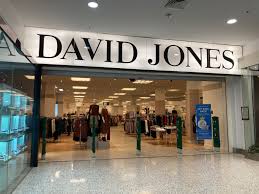
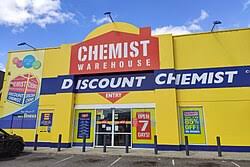
- Consumer goods sold through Woolworths, Coles, Chemist Warehouse, David Jones or Myer
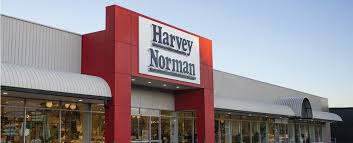
- Electronics brands such as Samsung and Sony → sold through JB Hi-Fi, Harvey Norman and The Good Guys
- Clothing and footwear brands such as Nike and Adidas → stocked through department stores and sports retailers such as JD Sports
3. Location
Location refers to the physical or online site where a business operates or sells its products.
Traditionally this meant retail stores, offices or service premises. However, online platforms now function as a “virtual location,” allowing customers to access products digitally rather than through a physical store.
Advantages of a well-chosen location
- Greater customer traffic and accessibility
- Supports brand positioning (e.g., premium vs value-focused areas)
- Enhances convenience and service speed
- Strengthens market presence and recognition
- May improve employee attraction and logistics efficiency
- Online locations expand reach beyond geographic limits
Disadvantages of poor or inappropriate location
- Reduced customer reach and sales performance
- Mismatch with target market demographics
- Exposure to heavy competition in saturated areas
- Relocation or re-platforming can be costly and disruptive
- Poor website design or online visibility can restrict customer access
Examples
- Retail outlets in major shopping centres such as Westfield Carousel or Lakeside Joondalup
- Hospitality and tourism venues based in Fremantle, Elizabeth Quay or Scarborough to capture visitor traffic
- Industrial operations in Welshpool, Kwinana or Malaga to access transport and distribution networks
- Businesses trading primarily through e-commerce where the website acts as the main customer access point

Example of how to write this in an exam
Direct distribution example: Direct distribution occurs when a business sells straight to the customer without using an intermediary such as a wholesaler or retailer. For example, a clothing brand selling through its own website controls the price, branding, product presentation and customer service. This can increase profit margins because no retailer takes a share of the sale and it gives the business direct access to customer feedback. However, the business must manage its own delivery, online systems and customer service, increasing operating responsibility and cost.
Indirect distribution example: Indirect distribution uses intermediaries to move products from the producer to customers. For example, Samsung may sell televisions through JB Hi-Fi rather than relying only on company-owned outlets. This gives Samsung access to JB Hi-Fi's established customer base, store network and sales staff, increasing convenience and market coverage. The trade-off is that Samsung gives up some control over presentation and pricing and receives a lower margin because the retailer also needs to earn a profit.
Location example: Location is the physical or online place where a business operates and customers access its products. A hospitality venue at Elizabeth Quay may benefit from high pedestrian traffic, tourists and strong visibility. This can increase sales opportunities because the business is located where its target customers already spend time. However, a premium location can also involve higher rent and stronger nearby competition, so the benefits need to outweigh the additional operating costs.
Promotion — Advertising, Publicity, Sales Promotion, Personal Selling & Viral
Promotion refers to the communication strategies a business uses to inform, persuade and remind customers about its products and brand.
Its purpose is to increase awareness, shape customer attitudes and encourage purchasing behaviour, while reinforcing the business’s desired brand image.
The five promotional methods in this course are:
- Advertising
- Publicity
- Sales promotion
- Personal selling
- Viral marketing
1. Advertising
Advertising is paid, non-personal communication through mass or targeted media, designed to inform and persuade consumers about a product, service or brand.
Common forms of advertising include:
- television advertising
- radio advertising
- print media (newspapers and magazines)
- online and digital advertising (websites, apps, search engines)
- social media advertising (paid sponsored content)
- outdoor advertising (billboards, bus shelters, transit ads)
- cinema advertising

Advantages
- Reaches large audiences efficiently
- Builds strong brand awareness and recognition
- Allows creative and visually impactful messaging
- Supports long-term brand positioning
- Messages can be repeated to reinforce recall
Disadvantages
- High cost, especially for mass-media campaigns
- Limited interaction or personalisation
- Consumers may ignore or skip advertisements
- Effectiveness can be difficult to measure precisely
Examples
- Perth Zoo digital and billboard advertising → encouraging family visits and seasonal events
- HBF health insurance radio and online ads → targeting WA members with healthcare messaging
- Mineral Resources and BHP recruitment advertising → promoting careers in WA mining
- Perth Festival promotional trailers and social media ads → building awareness for cultural events
- UWA and Curtin advertising during Open Day periods → attracting new students
- McDonald’s nationwide advertising → promoting limited-time deals and brand themes


2. Publicity
Publicity refers to unpaid media coverage or public exposure gained through news stories, community events, PR activity or social discussion.
Unlike advertising, publicity is not directly paid for and is often perceived as more credible.
Advantages
- Low-cost or no-cost exposure
- Perceived as more trustworthy than advertising
- Can reach broad audiences rapidly
- Enhances brand reputation and public goodwill
- Useful for event promotion and corporate image building
Disadvantages
- Difficult to control timing and content of coverage
- Negative publicity can damage reputation
- Media interest is not guaranteed
- Impact may be short-term
- Misinterpretation of messages is possible

Examples
- A new café featured in a lifestyle article → unpaid exposure drives curiosity
- Fremantle Markets on a TV travel segment → boosts tourism
- A WA start-up winning an innovation award → credibility rises through independent coverage
- A winery reviewed positively → attracts visitors without paid advertising
- Big brands gaining media attention through major announcements → free exposure driven by interest
3. Sales Promotion
Sales promotion refers to short-term incentives designed to stimulate immediate purchasing or trial of a product or service.
These promotions add temporary value or urgency, encouraging customers to buy sooner than they otherwise might.
Common forms include:
- discounts and specials
- coupons and vouchers
- buy-one-get-one offers (BOGO deals)
- loyalty and reward programs
- free samples and demonstrations
- competitions and prize draws
- limited-time offers and flash sales

Advantages
- Stimulates immediate sales and trial purchases
- Attracts price-conscious consumers
- Helps clear excess or seasonal stock
- Can support new product introductions
- Encourages repeat purchasing through loyalty programs
Disadvantages
- Reduces profit margins during the promotion period
- May create consumer expectation of ongoing discounts
- Risk of weakening brand perception if overused
- Sales may decline once the promotion ends
- Does not necessarily build long-term loyalty
Examples
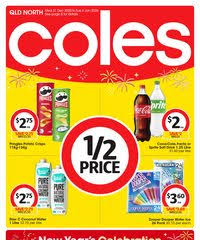
- Coles and Woolworths weekly catalogue specials → “½ price this week only”
- Boost Juice loyalty programs → points toward free drinks
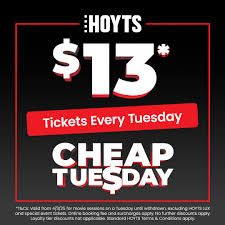
- Hoyts “cheap day” tickets → fills quieter sessions
- Early-bird pricing for events → rewards buying early
- Gym trial deals → limited-time offers to attract new members
4. Personal Selling
Personal selling involves direct, one-to-one communication between a sales representative and a potential customer.
It is commonly used for high-value, technical or customised products.
Advantages
- Allows tailored communication to suit customer needs
- Enables negotiation and relationship building
- Provides immediate feedback and clarification
- Highly persuasive for complex purchases
- Supports after-sales service and loyalty
Disadvantages
- Labour-intensive and costly
- Requires high-level training and skill
- Limited number of customers reached at one time
- Risk of inconsistent salesperson performance
- Pressure selling may damage brand perception
Examples
- Real estate agents → tailored advice, negotiations, and private follow-ups
- Car dealerships → test drives, feature explanations, and pricing discussions
- Travel agents → customised packages and one-to-one planning
- School enrolment officers → tours and individual family meetings

5. Viral Marketing
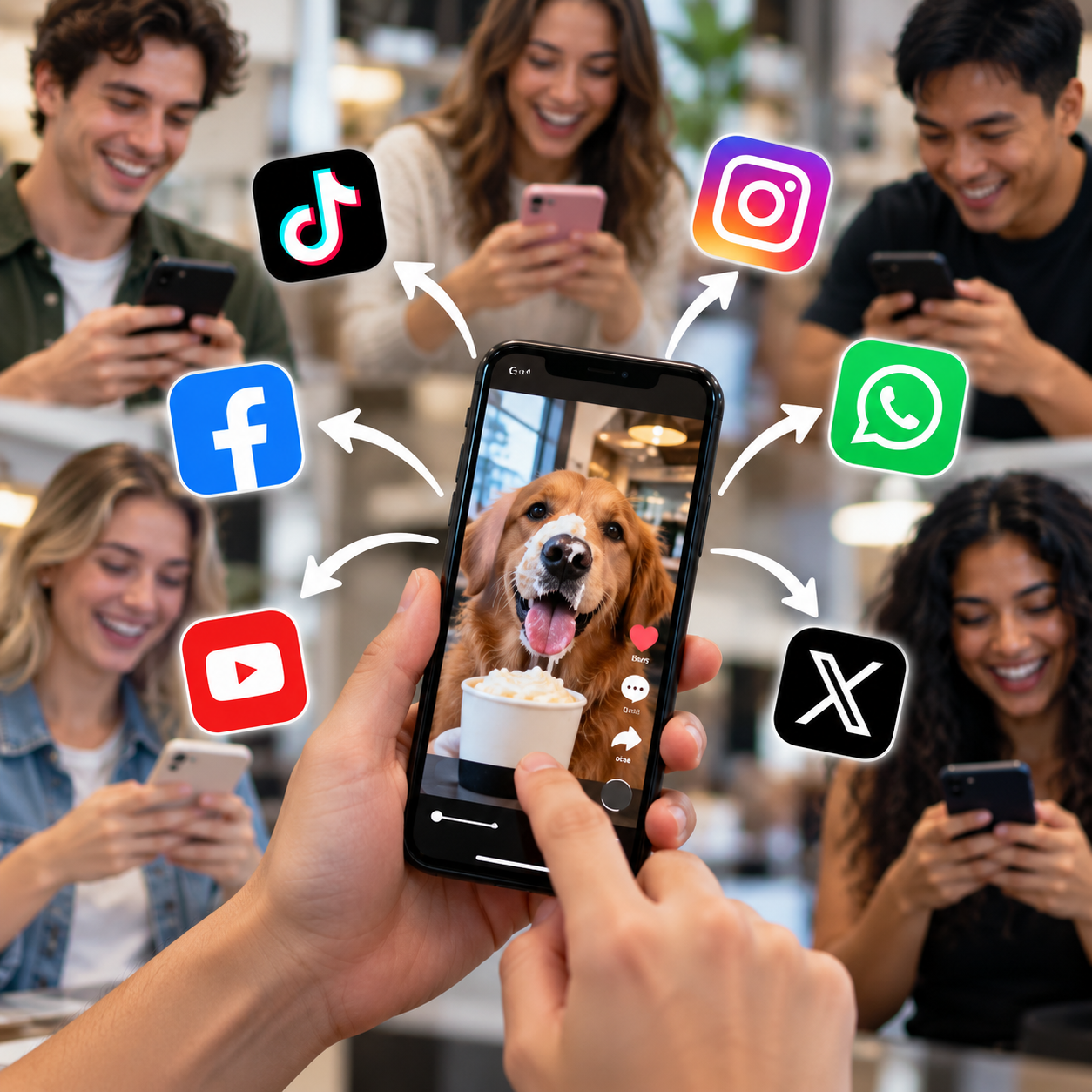
Viral marketing involves creating content or campaigns that are rapidly shared across digital platforms through consumer networks, generating exponential exposure.
Advantages
- Extremely high reach at relatively low cost
- Sharing is consumer-driven, enhancing credibility
- Strengthens engagement and brand awareness
- Effective for younger and digitally-active audiences
- Can generate rapid brand momentum
Disadvantages
- Outcomes are unpredictable and difficult to control
- Negative reactions can also spread rapidly
- Requires ongoing creative input and monitoring
- Impact may be short-term
- Success depends on consumer willingness to share
Examples
- Local cafés and venues gaining attention through TikTok trends
- WA small businesses using Instagram reels to promote unique products
- Tourism and hospitality content shared widely by Perth influencers
Example of how to write this in an exam
Advertising example: Advertising is paid, non-personal communication used to inform and persuade customers. HBF, for example, may use radio, social media and online advertising to promote health insurance to WA consumers. Repeated exposure can increase brand awareness and help customers remember HBF when comparing health insurers. However, advertising can be expensive and there is no guarantee that customers will pay attention or respond to the message, so the business needs to ensure the target audience and media channel are well matched.
Sales promotion example: Sales promotion uses a short-term incentive to encourage customers to purchase sooner. Hoyts may offer discounted tickets on a quiet weekday to increase attendance during periods when cinema capacity would otherwise be unused. This can lift short-term sales and attract price-sensitive customers because the lower price creates urgency and extra value. However, if promotions are used too often, customers may wait for discounts rather than paying the normal price, reducing long-term profit margins.
Personal selling example: Personal selling involves direct one-to-one communication between a salesperson and a potential customer. A car salesperson can explain vehicle features, answer questions, arrange a test drive and negotiate a final price based on the customer's needs. This makes personal selling effective for expensive or complex products because the sales message can be adapted to the individual customer. The disadvantage is that it is labour-intensive and costly because one salesperson can only deal with a limited number of customers at a time.
People — Training, Customer Service & CRM
People refers to the employees and staff who interact with customers and help deliver the product or service.
In service-based industries especially, staff performance has a direct impact on customer experience, brand image and loyalty. Friendly, capable staff make customers feel valued — while poor service can quickly damage reputation.
A key element of People strategy is training and customer service within Customer Relationship Management (CRM) — the systems and processes used to build long-term relationships with customers.
Training and Customer Service as Part of CRM
Training prepares employees for real customer interactions, not just basic tasks. It teaches staff how to handle enquiries, complaints, refunds and service problems, while ensuring they follow consistent service standards. This means customers receive the same level of service regardless of which staff member is on duty.
Customer Relationship Management (CRM) systems support this training by storing customer information such as purchase history, preferences, past issues and follow-up notes. This allows staff to respond quickly and accurately without asking customers to repeat information.
When training and CRM work together, customer service becomes faster, more personal and more reliable. For example, a medical clinic can follow up after appointments, a gym can track membership issues and renewals, and a hotel can record guest preferences. This improves customer satisfaction, reduces repeated problems and increases the likelihood of repeat business.

Important Attributes of Effective Staff
- professionalism and reliability
- strong communication skills
- empathy and emotional intelligence
- product and service knowledge
- problem-solving ability
- positive attitude and presentation
- consistency in service delivery
- ethical and customer-focused behaviour

Advantages of good customer service
- Improves customer satisfaction and experience
- Builds loyalty and long-term relationships
- Encourages repeat business and referrals
- Supports strong, positive brand reputation
- Helps differentiate the business from competitors
- Reduces complaints, misunderstandings and service failures
- CRM insights allow more tailored, personalised service
Limitations
- Training and CRM systems can be costly to implement and maintain
- High staff turnover reduces the return on investment in training
- Service quality depends on staff motivation and attitude
- Poorly used CRM systems may feel impersonal or intrusive
- Maintaining consistent service across all staff and locations can be difficult
- Service failures or negative interactions can damage brand trust
Examples
- Local cafés building relationships with regulars through friendly service
- Medical and dental clinics using CRM for appointment reminders and follow-up
- Perth CBD hotels training staff in premium guest experience standards
- Apple Stores → trained specialists focused on education and service
- Singapore Airlines → recognised globally for customer care and professionalism

Example of how to write this in an exam
People example: People refers to employees who interact with customers and contribute to the delivery of a product or service. For example, a Perth hotel can train its reception staff in product knowledge, professional communication and complaint handling, while using Customer Relationship Management (CRM) records to identify returning guests’ preferences and previous requests. Training helps employees provide a consistent standard of service, and CRM information allows them to personalise the guest experience without requiring customers to repeat information. Together, these practices can improve customer satisfaction and strengthen loyalty because guests receive reliable, attentive service tailored to their needs. However, the hotel must invest in ongoing training and keep its CRM information accurate to maintain these benefits.
Processes — Procedures to Deliver a Service or Product
Processes refer to the systems, procedures and flows of activity that a business uses to deliver its product or service to customers.
They determine how the service is produced, delivered and experienced — from the first enquiry through to after-sales support.
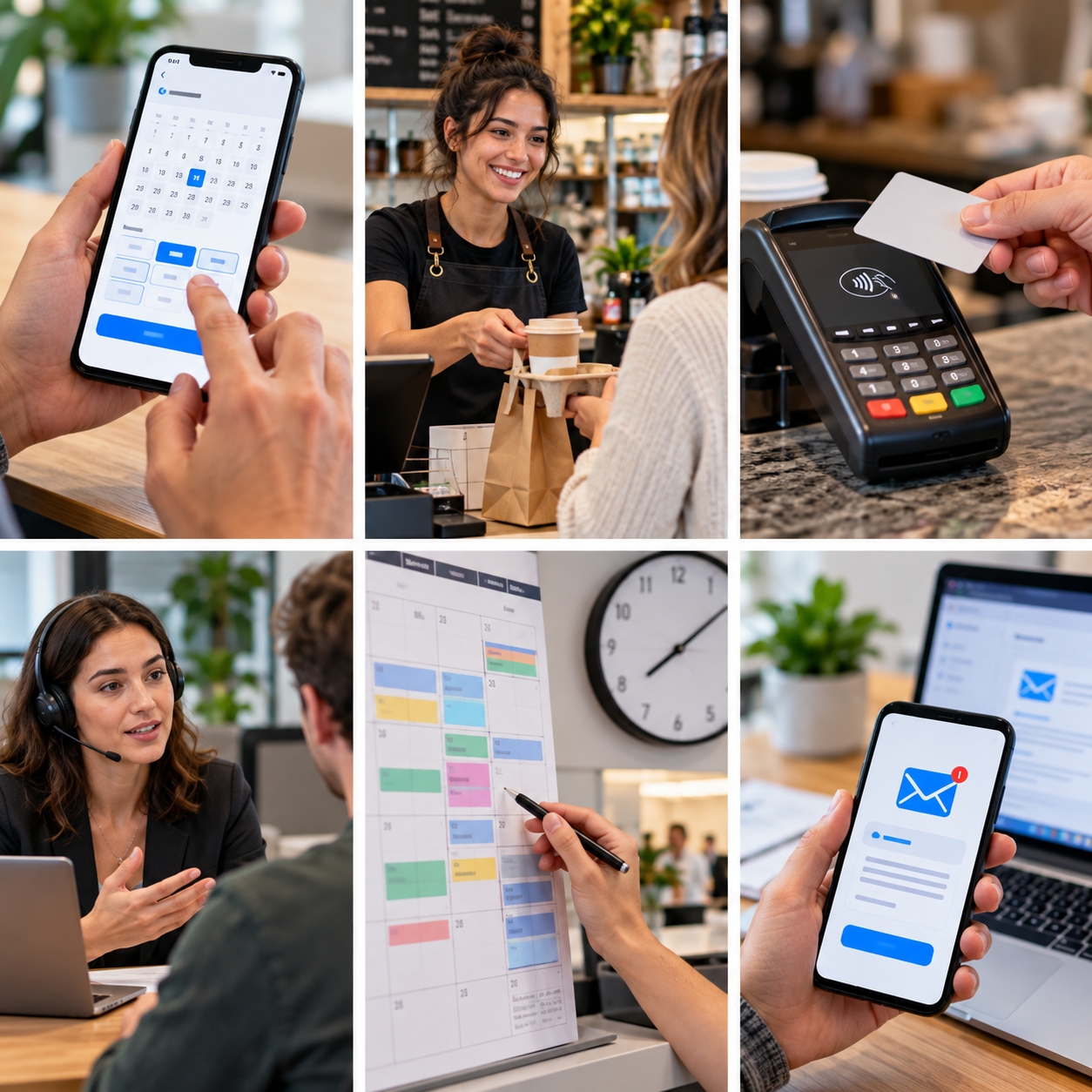
Processes include things like:
- booking systems – how customers make appointments or reservations
- ordering steps – how customers place an order or request a service
- payment processes – how payments are made (online, card, invoicing etc.)
- complaint handling procedures – how issues are resolved
- service timing and scheduling – when and how fast service is delivered
- communication methods – emails, reminders, updates and follow-ups
Advantages of efficient processes
- Ensures consistent and reliable service delivery
- Improves speed and efficiency, reducing delays
- Enhances customer satisfaction and trust
- Supports quality control and legal compliance
- Makes staff training easier and clearer
- Allows performance to be measured and improved
- Strengthens brand reputation through predictable standards
Limitations
- Poorly designed processes can frustrate customers
- Over-rigid systems may reduce flexibility and personalisation
- Technology and system upgrades can be expensive
- Staff may resist change or new processes
- System or website failures can disrupt service delivery
- Processes require regular review and updating
Examples
- Restaurant online booking platforms such as OpenTable or NowBookIt
→ customers book tables online and receive confirmation reminders - UberEats / Menulog ordering systems in Perth
→ streamlined ordering, payment and delivery tracking - Banks using online ID verification and digital loan applications
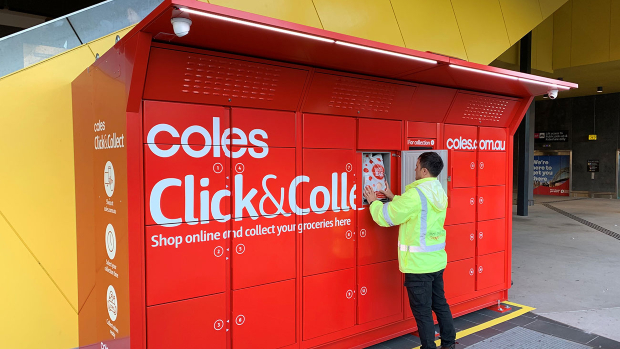
→ customers complete applications without visiting a branch - Retail stores using click-and-collect systems (e.g., Kmart, Big W, Coles)
→ order online, collect in-store for convenience - Airlines such as Qantas or Virgin
→ online check-in, seat selection and mobile boarding passes - Apple and Samsung product warranty and repair processes
→ structured systems for returns, repair bookings and customer updates
Example of how to write this in an exam
Process example: Processes are the systems and procedures a business uses to deliver its product or service to customers. For example, a restaurant may provide an online booking process that shows available times, confirms a reservation immediately and sends an automatic reminder. This makes the service more convenient because customers can book at any time and receive reliable information without contacting staff. It can also reduce booking errors and missed reservations, improving operational efficiency and creating a more consistent customer experience. If the system is confusing or fails, however, customers may become frustrated, which can reduce satisfaction and damage the restaurant’s reputation.
Physical Presence — Signage, Webpage & Uniform
Physical Presence (or Physical Evidence) is the tangible and visible cues that shape how customers perceive a business and its brand, including the appearance and atmosphere of the premises such as layout, décor, cleanliness, lighting, ambience, and customer facilities.
These elements influence confidence, trust, professionalism and brand positioning, especially in service-based industries where the product is less tangible.
The three Physical Evidence areas in this course are:
- Signage
- Webpage / online presence
- Staff uniform
1. Signage
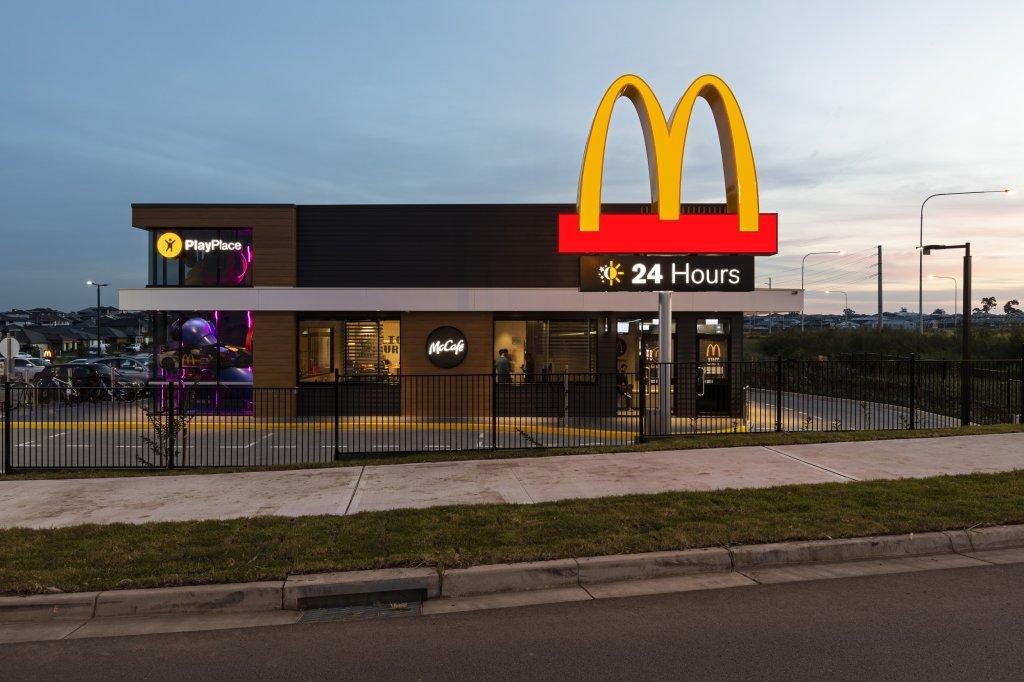
Signage includes all branded visual displays, such as shopfront signs, internal signs, menus, digital screens, vehicle signage and way-finding displays.
It supports recognition, communication and navigation.
Advantages of Effective Signage
- Improves visibility and brand recall
- Attracts passing customers
- Communicates key information quickly and clearly
- Reinforces brand identity
Limitations
- Design and installation may be expensive
- Outdated or poorly maintained signage harms brand image
- Regulatory restrictions may apply
Examples
- Betty’s Burgers (Perth CBD) — bright retro signage reinforces playful brand style
- IGA supermarkets in WA — consistent brand imagery across stores supports recognition
- JB Hi-Fi nationally — bold yellow-and-black design reinforces value-oriented identity
2. Webpage / Online Presence
A business webpage functions as the digital storefront — often forming the primary customer experience.
Website layout, usability, content, branding and functionality strongly influence credibility and perception of professionalism.
Advantages of a Strong Web Presence
- Provides 24/7 access to information and purchasing
- Reaches customers beyond physical location
- Supports branding and CRM integration
- Enables online booking, sales and communication
Limitations
- Requires ongoing updates, security and maintenance
- Poor design reduces trust and usability
- Website outages disrupt service
Examples
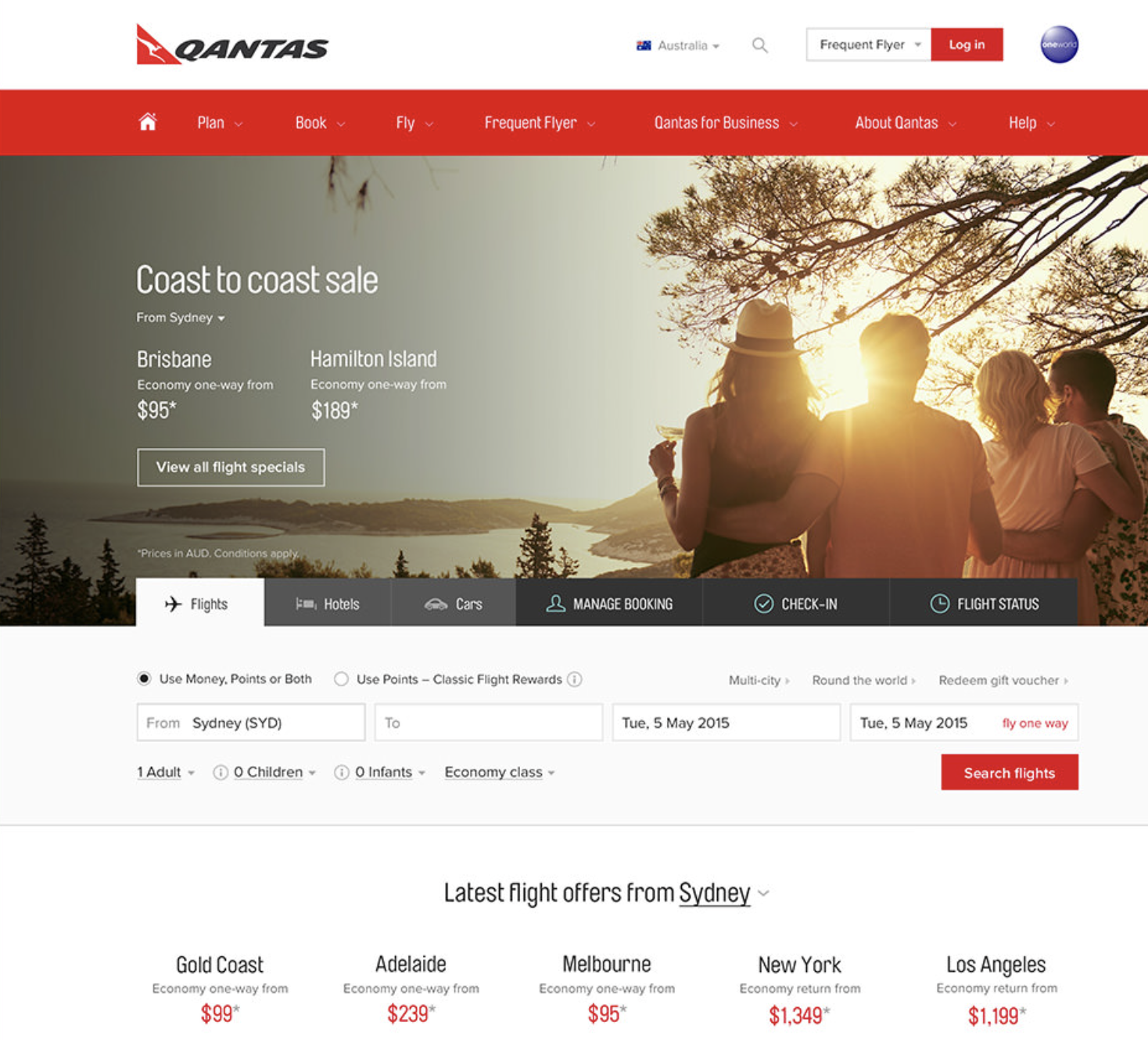
- Qantas website — integrated booking, account management and customer service
- Local Perth restaurants using online menus and bookings
- ASOS e-commerce site — seamless global purchasing experience
3. Staff Uniform
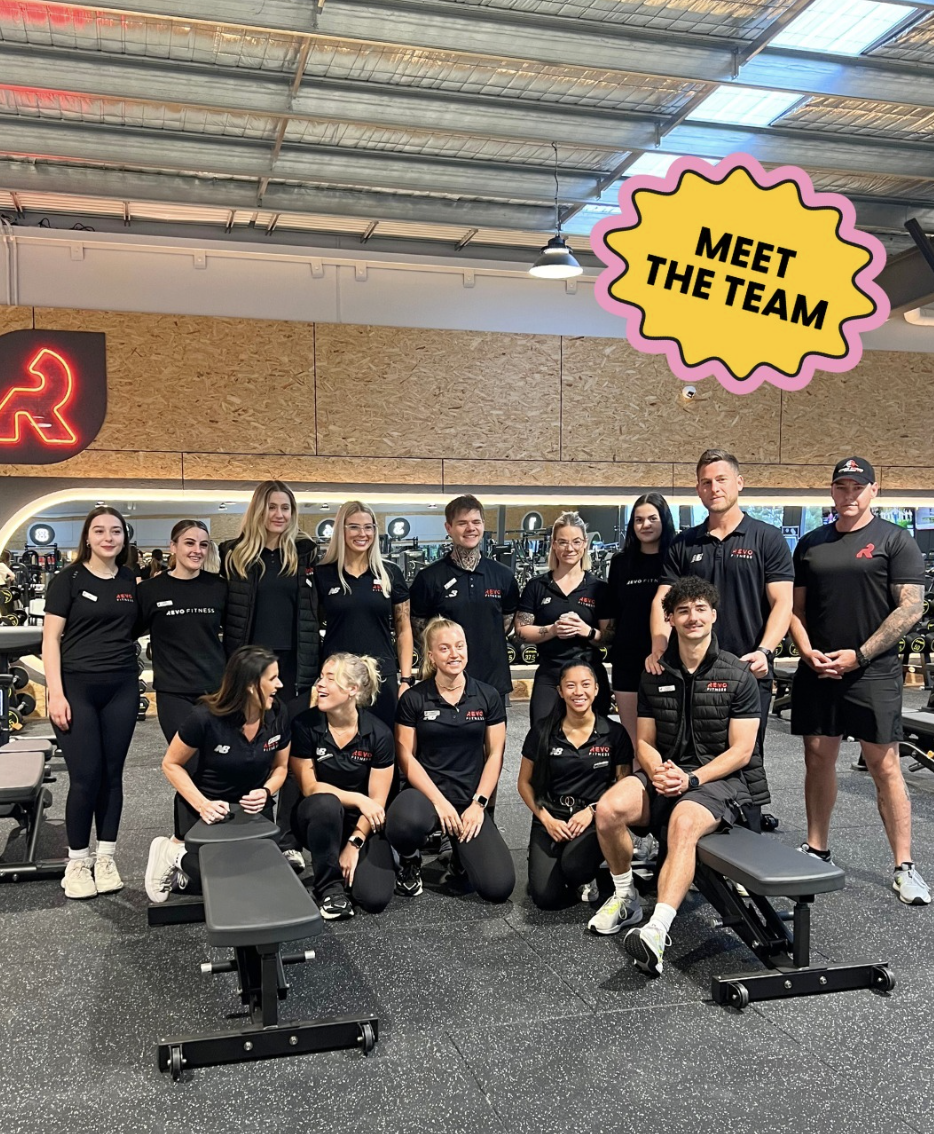
Uniforms are a visible element of physical evidence that communicate professionalism, role clarity and brand cohesion.
They help customers easily identify staff and contribute to brand presentation.
Advantages of Staff Uniforms
- Enhances brand recognition and consistency
- Signals professionalism and reliability
- Improves staff identification for customers
- Supports hygiene and safety in some industries
Limitations
- Uniform programs involve ongoing cost
- Poor design or fit may reduce staff morale
- Strict policies may limit individuality
Examples
- Perth hospital and healthcare uniforms — reinforce professionalism and hygiene
- Flight attendants on Singapore Airlines — uniforms symbolise premium service culture
- Bunnings Warehouse staff uniforms — highly recognisable and practical
Example of how to write this in an exam
Signage example: Physical Presence or Physical Evidence refers to the visible and tangible cues customers use to judge a business. Professional signage can make a store easier to locate while also communicating the brand's colours, style and positioning. For example, consistent signage across a retail chain helps customers immediately recognise the business and understand where to enter or find information. This can increase trust and convenience because the business appears organised, professional and familiar.
Website example: A business website acts as a digital storefront and is often the first physical evidence customers experience online. Qantas uses its website to display professional branding while allowing customers to search flights, make bookings and manage existing travel. A reliable and easy-to-use website can strengthen customer confidence because it signals professionalism and makes the service more convenient. In contrast, a slow or poorly designed website can reduce trust and may cause customers to switch to competitors.
Uniform example: Staff uniforms are a visible part of the customer experience and can communicate professionalism and brand consistency. A gym using the same branded uniform across its staff makes employees easy for customers to identify and creates a consistent appearance throughout the venue. This can increase customer confidence because staff roles are clear and the business presents a coordinated brand image. However, uniforms also create ongoing costs and need to be practical and comfortable for employees.
Performance — KPIs and Measuring Marketing Objectives
Performance refers to the evaluation of how effectively a business’s marketing strategies achieve its marketing objectives.
It is not an additional element of the marketing mix, but rather the measurement and review process used to assess outcomes and guide improvements.
Performance is assessed using Key Performance Indicators (KPIs) — measurable data that show whether marketing objectives such as growth, loyalty, profitability and brand strength are being achieved.
This ensures that marketing decisions are evidence-based rather than assumption-driven.
Evaluation of Marketing Objectives Using KPIs
Common marketing objectives include:
- increasing sales and revenue
- improving customer loyalty and retention
- expanding market share
- strengthening brand perception
- enhancing customer relationships
KPIs provide quantifiable evidence of progress toward these objectives.
The three key marketing KPIs in this course are:
1. Sales Revenue
Sales revenue measures the total income generated from sales over a set period.
It indicates demand, market response and the financial effectiveness of marketing strategies.
2. Sales Returns
Sales returns measure the number or value of products returned by customers.
High return rates may indicate dissatisfaction, product issues, misleading expectations or poor product-market fit.
3. Customer Satisfaction
Customer satisfaction measures how well customer expectations are met or exceeded.
It is commonly assessed through surveys, reviews, ratings and CRM data and is strongly linked to loyalty and repeat business.
Why Performance Measurement Matters
Evaluating marketing performance allows businesses to:
- determine whether marketing objectives are being achieved
- justify marketing expenditure
- respond to market and competitor changes
- continuously improve strategies
- support data-driven decision-making
Examples
- Retail chains tracking monthly sales revenue to assess seasonal promotions
- Perth cafés and restaurants monitoring online customer reviews and ratings
- WA tourism operators analysing booking numbers and feedback trends
Example of how to write this in an exam
Performance example: Performance is the process of evaluating how effectively a business’s marketing strategies are achieving its marketing objectives. For example, a Perth retailer could measure its sales revenue, sales returns and customer satisfaction before and after launching a new advertising campaign. An increase in revenue may suggest that the campaign has generated extra purchases, but the retailer must also check whether returns have increased and whether customers remain satisfied. If revenue rises while returns remain low and customer satisfaction improves, the results provide stronger evidence that the marketing mix is achieving its objectives. The business can use these KPIs to decide whether to continue the campaign, refine its product or adjust its promotional approach.
🎧 Prefer listening?
If you prefer listening to the content in podcast format:
🎥 Prefer watching?
If you prefer watching the content in video format:
🃏 Flashcards
Card 1 of 72
🎮 Revision Games
💰 BME Millionaire
Climb the ladder by mastering the marketing mix.
🧩 8P Sorter
Match each business decision to the correct area.
⚡ 60 Second Showdown
Rapid-fire questions across the entire dotpoint.
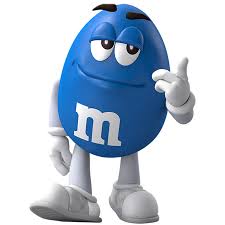
Biz Fact: In 1995, M&Ms let customers vote on a new colour. 40 million people took part - and Blue M&M was born. The real win? Massive publicity with minimal cost.