
U4.14 — Features of Product Development
Overview
Dotpoint 14: features of product development.
Product development is the creative and systematic process used to take a new or improved good or service from an initial idea through research, design, planning, testing, commercialisation and post-launch evaluation.
Product development is a process rather than a single event. Businesses move through a series of connected stages to turn an idea into a product that can be produced, sold and improved.
The main focus of this dotpoint is understanding:
- what product development is
- the main stages of product development
- the key features of product development
- the effect of good product development on a business
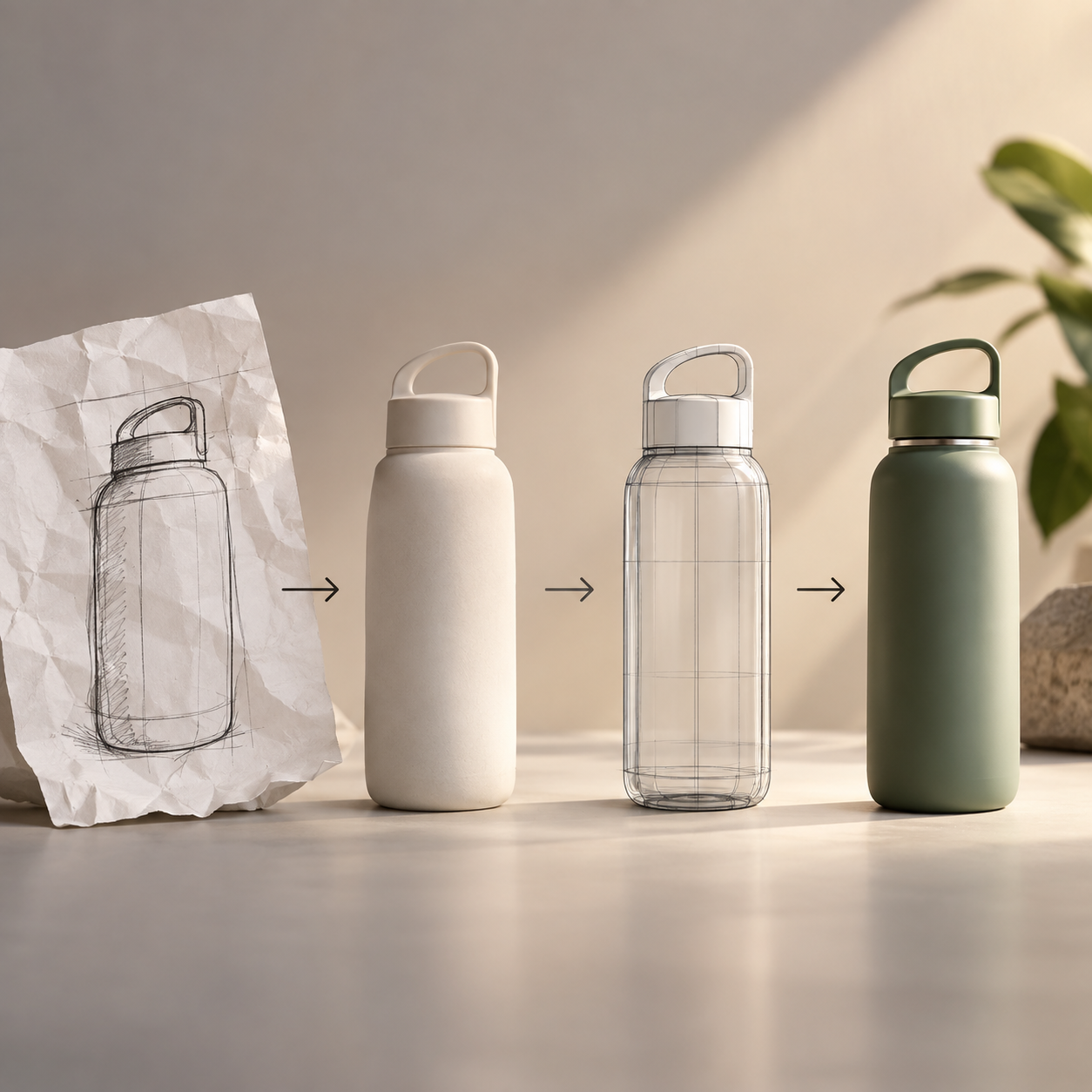
💡 Features of product development
What is product development?
Product development is the creative and systematic process used to take a new or improved good or service from an initial idea through research, design, testing, commercialisation and post-launch evaluation.
It is not a single activity. It combines a sequence of stages with a number of important features that shape how the process is managed.
Stages of product development
The stages of product development are the sequence a business moves through to turn an idea into a product that can be offered to customers.
Idea generation
The business generates possible product ideas from sources such as customers, employees, market research, competitors, technology and changing trends.
Idea screening
Ideas are assessed against customer needs, business objectives, resources, cost, risk and capability so unsuitable ideas can be rejected early.
Research and concept development
The business develops a clearer concept by identifying the target customer, product purpose, features, quality, design and value proposition.
Planning, sourcing and costing
The business determines the materials, suppliers, production methods, staffing, technology, expected costs and selling price required.
Prototype development
A model, sample or trial version is created so the design can be examined and improved before full production.
Prototype and market testing
The product is tested for performance, quality, safety, usability and customer acceptance before the business commits to launch.
Commercialisation and launch
The business moves into full production, distribution, promotion and sale to the target market.
Post-launch evaluation
The business reviews sales, costs, quality, customer feedback and product performance to decide what should be improved or changed.
The stages may overlap
Product development is not always perfectly linear. Testing may reveal a problem that sends the business back to an earlier stage, while post-launch feedback may lead to a redesigned or improved version of the product.
Key features of product development
The key features of product development are the main characteristics of the process itself. They describe what effective product development is like, rather than the order of the stages.
Customer-focused
Products are developed around identified customer needs, preferences and problems. Customer feedback can influence the concept, design, features and future improvements.
Research-based
Businesses use market research, competitor information, technical research and product testing before committing major resources.
Innovative
Product development may involve improving an existing product or creating something significantly new through changes in design, features, materials or technology.
Resource-intensive
It requires finance, time, employees, technology, suppliers, information and expertise. More complex products can require substantial investment before any sales are made.
Risky
A product may fail because it is technically unworkable, too expensive, poorly timed or rejected by customers. Strong product development reduces risk but cannot eliminate it.
Testing and evaluation
Ideas, prototypes and market responses are tested before launch and evaluated after launch so problems can be identified and improvements can be made.
Effect of good product development
- Better customer fit — products are more likely to meet customer needs and preferences.
- Lower risk — problems can be identified before major resources are committed.
- Stronger competitiveness — innovative products can help differentiate the business from competitors.
- Higher sales and market share — successful products can increase demand and revenue.
- Better use of resources — finance, staff and technology can be directed toward stronger product opportunities.
- Improved reputation — reliable and well-designed products can strengthen customer trust in the brand.

Frank Green — hypothetical product development example
Imagine Frank Green is developing a new Filter Bottle for commuters and travellers. The bottle includes a replaceable filter inside the lid to improve the taste of tap water while keeping the reusable design associated with the brand.
Effect: good product development would reduce the risk of Frank Green launching an expensive product that leaks, filters poorly or fails to satisfy customers. It would also increase the chance of stronger customer fit, greater competitiveness, higher sales and market share, better use of resources and a stronger brand reputation.

How to write this in an exam
Outline
Product development is a creative and systematic process used to turn an idea into a product that can be launched and evaluated. Key features include being customer-focused, research-based, innovative, resource-intensive, risky and involving testing and evaluation.
Explain
Product development is the creative and systematic process of turning an idea for a new or improved good or service into a product that can be offered to customers. It is customer-focused, research-based, innovative and involves testing and evaluation, but can also be resource-intensive and risky. Effective product development can better satisfy customer needs, reduce risk, improve competitiveness, increase sales and market share, and strengthen the business’s reputation.
🎧 Prefer listening?
If you prefer listening to the content in podcast format:
🎥 Prefer watching?
If you prefer watching the content in video format:
🃏 Flashcards
Card 1 of 5
🎮 Revision Games
💰 BME Millionaire
Climb the prize ladder. Use your lifelines wisely.
👔 Business Boss
Make 10 product-development decisions. Every choice changes your KPIs — sometimes for better and worse.
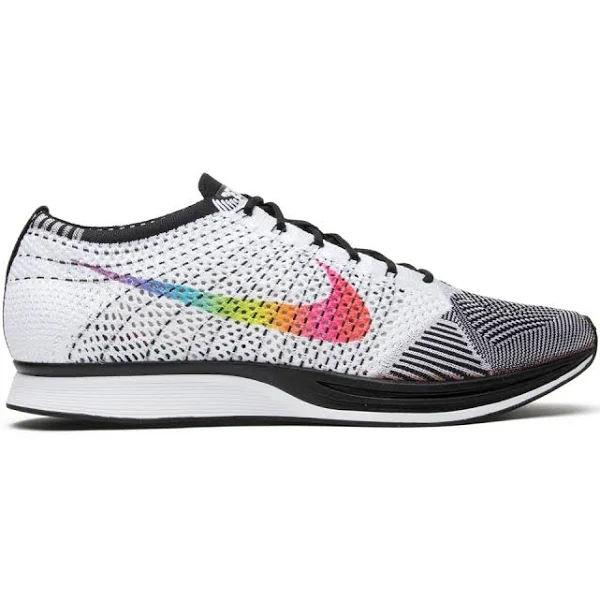
Biz Fact: Nike spent more than 10 years researching Flyknit before launching the technology in its footwear.
Past Exam Questions
Use these past exam questions to see how this dotpoint has been assessed. Pay close attention to the command term, the number of marks and whether the question is Section 1 or Section 2.
Section 1 Questions
2019 — Section 1 — Question 3(b) — 2 marks
Context
The process of creating a product is just as important as the final product itself.
3(b): Outline the features of product development. (2 marks)
Command term focus: Outline
Outline: state the main point and briefly clarify the key idea.
See the full command term guide here: Command Terms.
3(b) Sample answer
3(b) Product development is a creative and systematic process that is customer-focused, research-based and innovative. It can also be resource-intensive and risky, with testing and evaluation used to improve the product before and after launch.
2022 — Section 1 — Question 5(a) — 3 marks
Context
The process a product takes from ideation to it being available in retail stores can be very complex and is affected by a variety of environmental factors.
5(a): Explain the features of product development. (3 marks)
Command term focus: Explain
Explain: show cause and effect by explaining why or how something happens and the result.
See the full command term guide here: Command Terms.
5(a) Sample answer
5(a) Product development is the creative and systematic process of turning an idea for a new or improved good or service into a product that can be offered to customers. It is customer-focused, research-based, innovative and involves testing and evaluation, but can also be resource-intensive and risky. Effective product development can better satisfy customer needs, reduce risk, improve competitiveness, increase sales and market share, and strengthen the business’s reputation.