
U1.03 — Australian Consumer Law: Consumer Rights and Protection
Overview
Dotpoint 3: consumer rights and protection.
Consumer rights are the legal protections given to customers when they buy goods and services. Under Australian Consumer Law (ACL), businesses must meet minimum standards for product safety, quality and remedies when something goes wrong.
These protections apply automatically and cannot simply be removed by a store policy or an expired manufacturer warranty. They are designed to make sure consumers receive products that are safe, work as expected and match what was promised.
This dotpoint focuses on three key areas of consumer protection:
- Product safety and Australian Standards
- Consumer guarantees, warranties and refunds
- Repair and replacement rights
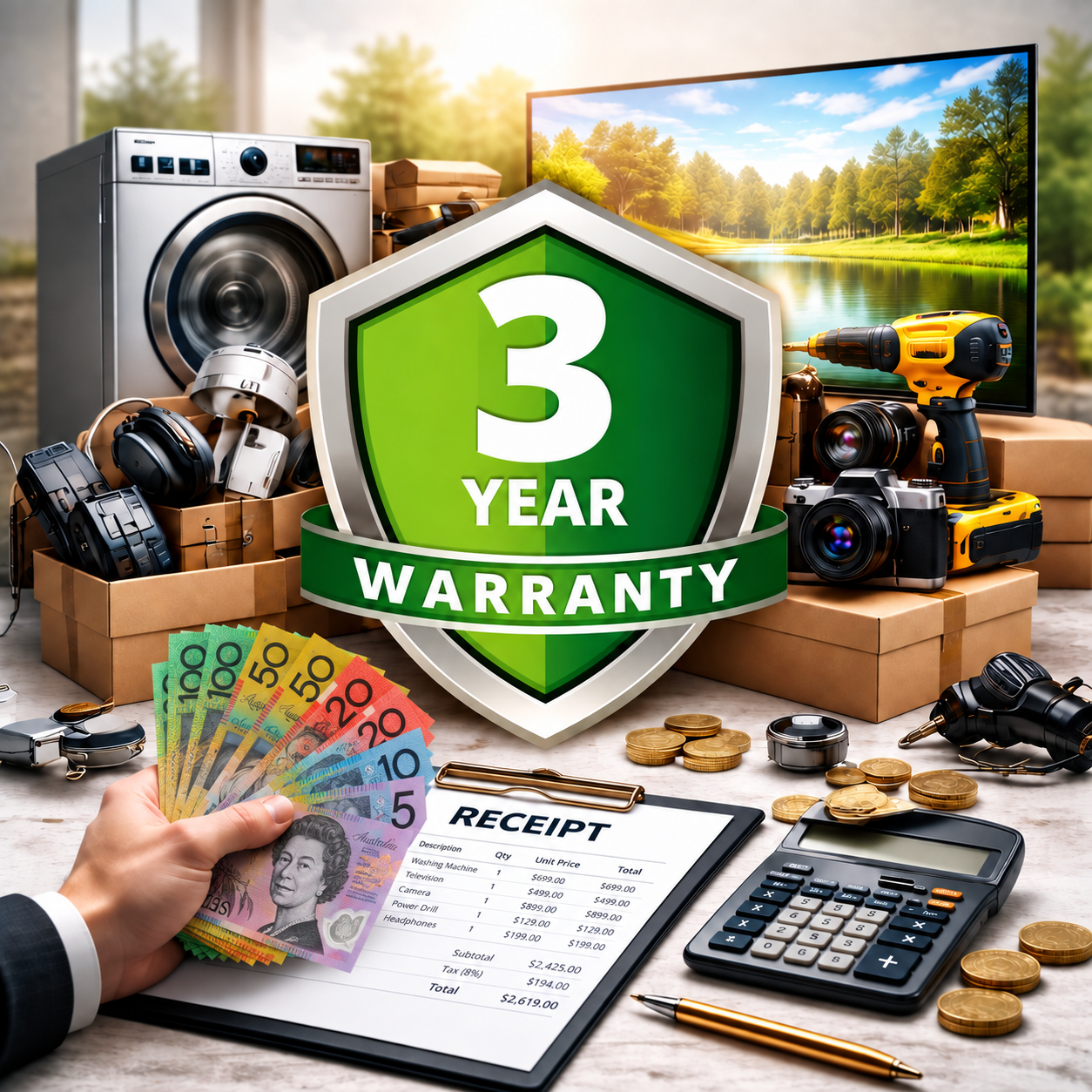
Product safety
Product safety refers to the laws and requirements that protect consumers from products that may cause injury, illness or other harm.
Under the Australian Consumer Law (ACL), businesses must comply with relevant product safety laws and any mandatory safety requirements that apply to the products they sell.
Product safety and Australian Standards
Australian Standards
Australian Standards set recognised requirements for how products should be designed, manufactured, tested and labelled to improve safety and reliability.
They may cover areas such as:
- product design and construction
- materials used
- safety testing
- performance requirements
- warning labels and instructions.
Not all Australian Standards are compulsory. However, some are made mandatory, meaning businesses must comply with them before supplying the product in Australia.

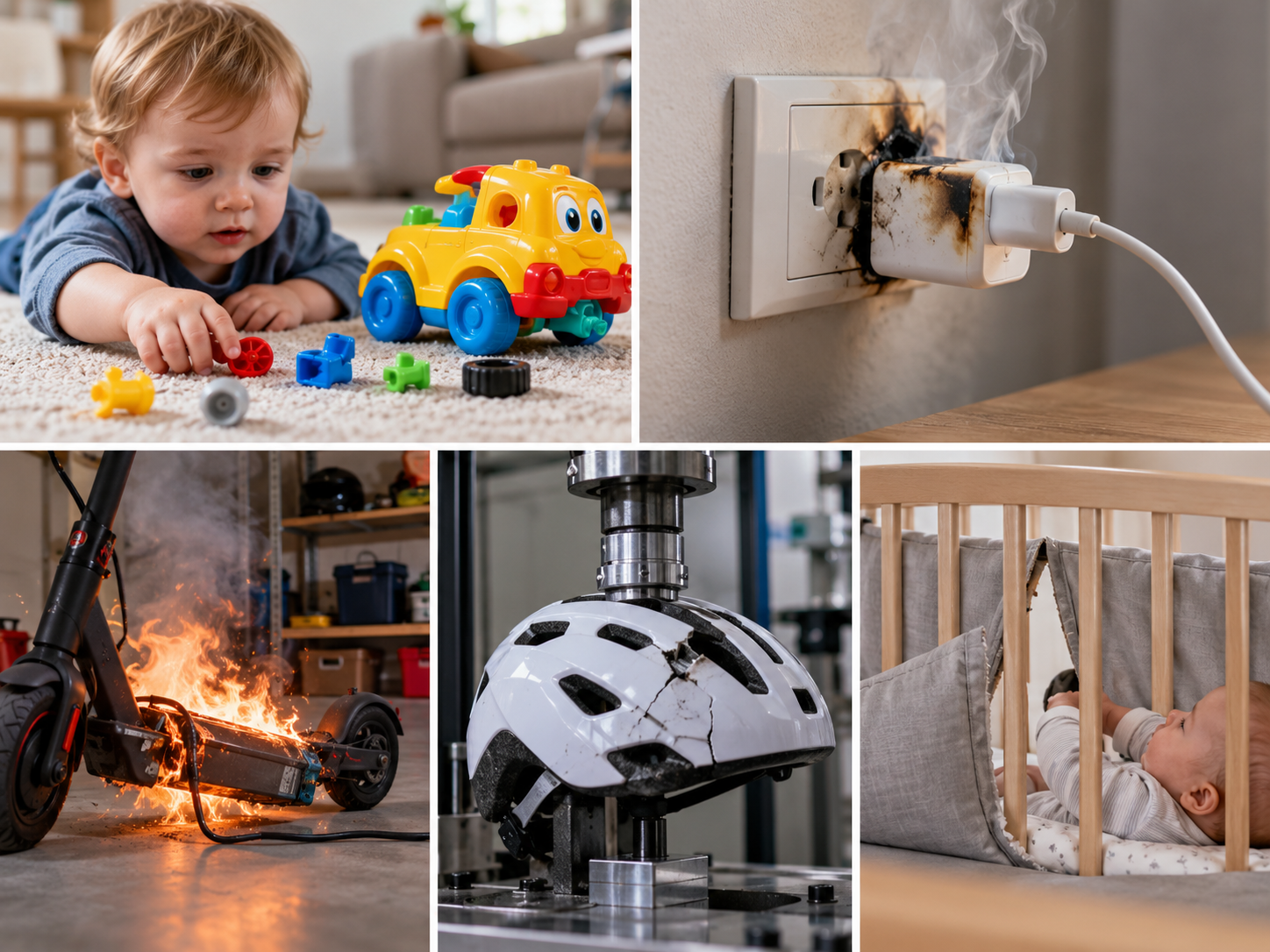
Examples of product safety issues
- Children’s toy with small detachable parts → choking hazard.
- Phone charger overheating → fire or electric shock risk.
- Faulty e-scooter battery → may ignite while charging.
- Bicycle helmet failing impact testing → may not adequately protect the user.
- Baby product with unsafe construction → risk of entrapment or suffocation.
What businesses can do
Businesses can reduce product safety risks by:
- checking which Australian Standards and mandatory requirements apply
- testing products before sale
- using quality assurance and quality control
- choosing reliable manufacturers and suppliers
- checking imported products meet Australian requirements
- providing clear warning labels and instructions
- monitoring customer complaints and product faults
- stopping sales where a serious problem is identified
- organising a product recall where necessary.
These actions help reduce the risk of consumer injury, recalls, legal action, financial loss and damage to reputation.

Product recalls
A product recall occurs when a product is removed from sale or consumers are asked to stop using or return it because of a safety issue.
A recall may involve stopping sales, contacting customers and providing a repair, replacement or refund.
Real-life Australian recall example
In 2022, DeWalt recalled certain DHS780 and DWS780-XE mitre saws sold across Australia after discovering that the plastic rear guard could break or detach and come into contact with the rotating saw blade. This could cause pieces of the guard to be thrown towards the operator or bystanders, creating a serious risk of injury. Consumers were told to stop using affected saws immediately and contact DeWalt, which provided a free repair kit containing a replacement guard and other components.
The recall shows how a product safety fault can lead to repair costs, operational disruption and reputational damage, while also requiring the business to act quickly to protect consumers.
Example of how to write this in an exam
Product safety refers to laws and requirements that protect consumers from goods that may cause injury, illness or other harm. Under Australian Consumer Law, businesses must comply with relevant mandatory safety requirements and should test products, monitor faults and provide clear warnings. For example, if a children’s toy has small detachable parts that create a choking hazard, the business may need to stop selling the product and organise a recall. This protects consumers from harm and can also reduce legal action, financial loss and reputational damage for the business.
Consumer guarantees, warranties and refunds
Under the Australian Consumer Law (ACL), consumers have automatic legal rights when they buy goods or services.
These rights are called consumer guarantees. They apply automatically and cannot be removed by a business, even if a product has no warranty or the manufacturer's warranty has expired.
A warranty is an extra promise made by a seller or manufacturer, while a refund is one possible remedy when a consumer guarantee is not met.
Consumer guarantees
1. Consumer guarantees – automatic legal rights
Consumer guarantees are minimum standards that goods and services must meet under the ACL.
For products, consumers can expect goods to:
- be of acceptable quality – safe, durable and free from defects
- be fit for purpose
- match their description, sample or demonstration model
- meet any specific promises made about performance or quality
- have spare parts and repair facilities available for a reasonable period where appropriate.
There is no fixed legal lifespan for every product. What is considered a reasonable time depends on factors such as the product's price, quality, type and expected use.
Examples
- A $2,000 laptop that develops a serious fault after only 14 months may fail the guarantee of acceptable quality, even if its one-year warranty has expired.
- A printer sold as compatible with a Mac, but which cannot operate with that system, may not be fit for purpose.
- A phone advertised as having 256GB of storage but supplied with only 128GB does not match its description.

Warranties
Warranties – extra promises
A warranty is an additional promise made by a manufacturer or seller about a product, its performance or what the business will do if something goes wrong.
Warranties operate in addition to consumer guarantees. They cannot replace or reduce a consumer's rights under the ACL.
1. Manufacturer's warranty
A manufacturer's warranty is usually a written promise that the manufacturer will cover certain faults for a set period.
For example, a product may come with a 12-month or two-year warranty.
However, once that warranty period ends, the consumer may still have rights under the ACL if the product has not lasted for a reasonable time.

2. Express warranty
An express warranty is a specific promise made about a product's quality, performance or characteristics.
It may appear in:
- advertising
- packaging
- written information
- statements made by a salesperson.
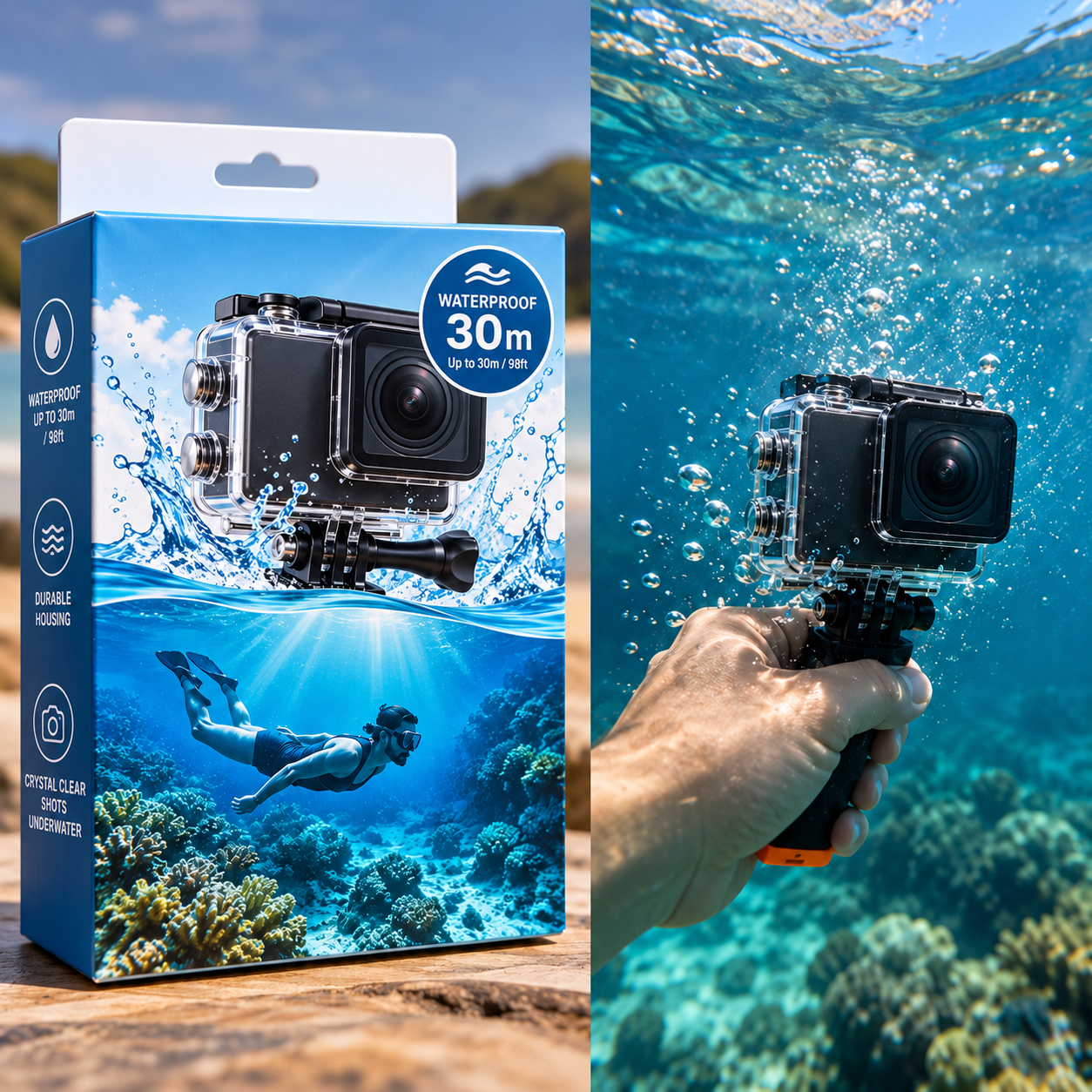
For example, if a business states that a product is waterproof to a particular depth, it must be able to meet that promise.
3. Extended warranty
An extended warranty is optional extra cover, usually purchased for an additional cost.
Businesses must not suggest that consumers need to buy an extended warranty to receive rights they already have automatically under the ACL.

Refunds
Refunds
A refund means the business returns the customer's money because a product has failed to meet a consumer guarantee.
A refund is most relevant where there is a major failure.
A major failure can include situations where a product:
- is unsafe
- is significantly different from its description
- has a serious defect that would have stopped a reasonable consumer buying it
- cannot perform its normal or agreed purpose and cannot easily be fixed.
Where a major failure occurs, the consumer can generally choose a refund rather than being forced to accept store credit.
A refund should generally be for the full amount paid.
Important refund rules
Businesses cannot:
- display a “No Refunds” sign to remove legal rights
- refuse a legitimate refund simply because the manufacturer's warranty has expired
- force a customer to accept store credit instead of a refund where the consumer is legally entitled to one
- automatically send the customer away to deal with the manufacturer.
However, consumers are generally not entitled to a refund simply because they changed their mind, unless the business has its own change-of-mind policy.
What businesses should do
- understand when a consumer is legally entitled to a refund
- train staff so they do not incorrectly reject valid claims
- clearly explain refund and change-of-mind policies
- process legitimate refunds promptly
- keep records of complaints and refunds
- avoid misleading statements such as “no refunds under any circumstances.”
Handling refund claims properly can reduce disputes and help protect consumer trust and business reputation.
Australian scenario
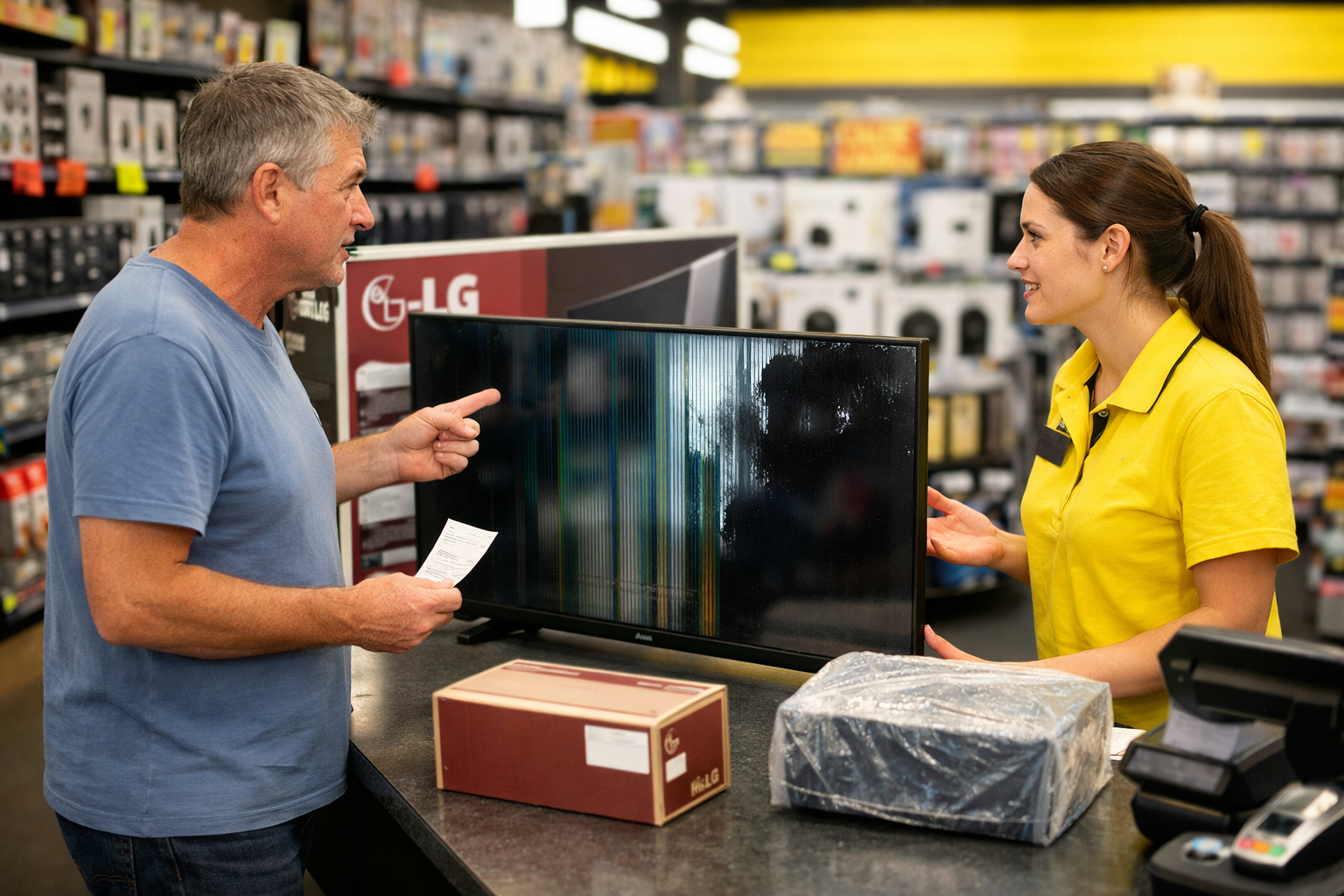
A Perth customer buys a $1,200 television from an electronics retailer.
After 18 months, the screen develops a serious fault and the television becomes unusable. The manufacturer's 12-month warranty has expired and the customer did not buy an extended warranty.
The retailer cannot simply reject the claim because the warranty has expired. Under the ACL, the television should last for a reasonable period considering its price, quality and expected lifespan.
If the problem is serious enough to be classified as a major failure, the customer may choose a refund. The retailer cannot insist on store credit or rely only on the expired manufacturer's warranty to deny the claim.
Example of how to write this in an exam
Consumer guarantees are automatic legal rights under Australian Consumer Law that require goods to meet minimum standards such as acceptable quality, fitness for purpose and matching their description. These rights are separate from a manufacturer or extended warranty and can continue after the warranty period has expired. For example, if a $1,200 television becomes unusable after only 18 months, the retailer cannot automatically reject the claim because the 12-month warranty has ended. If the fault is a major failure, the consumer may choose a refund, and the retailer cannot force the customer to accept store credit instead.
Repair and replacement
Under the Australian Consumer Law (ACL), consumers may be entitled to a repair or replacement when a product fails to meet a consumer guarantee.
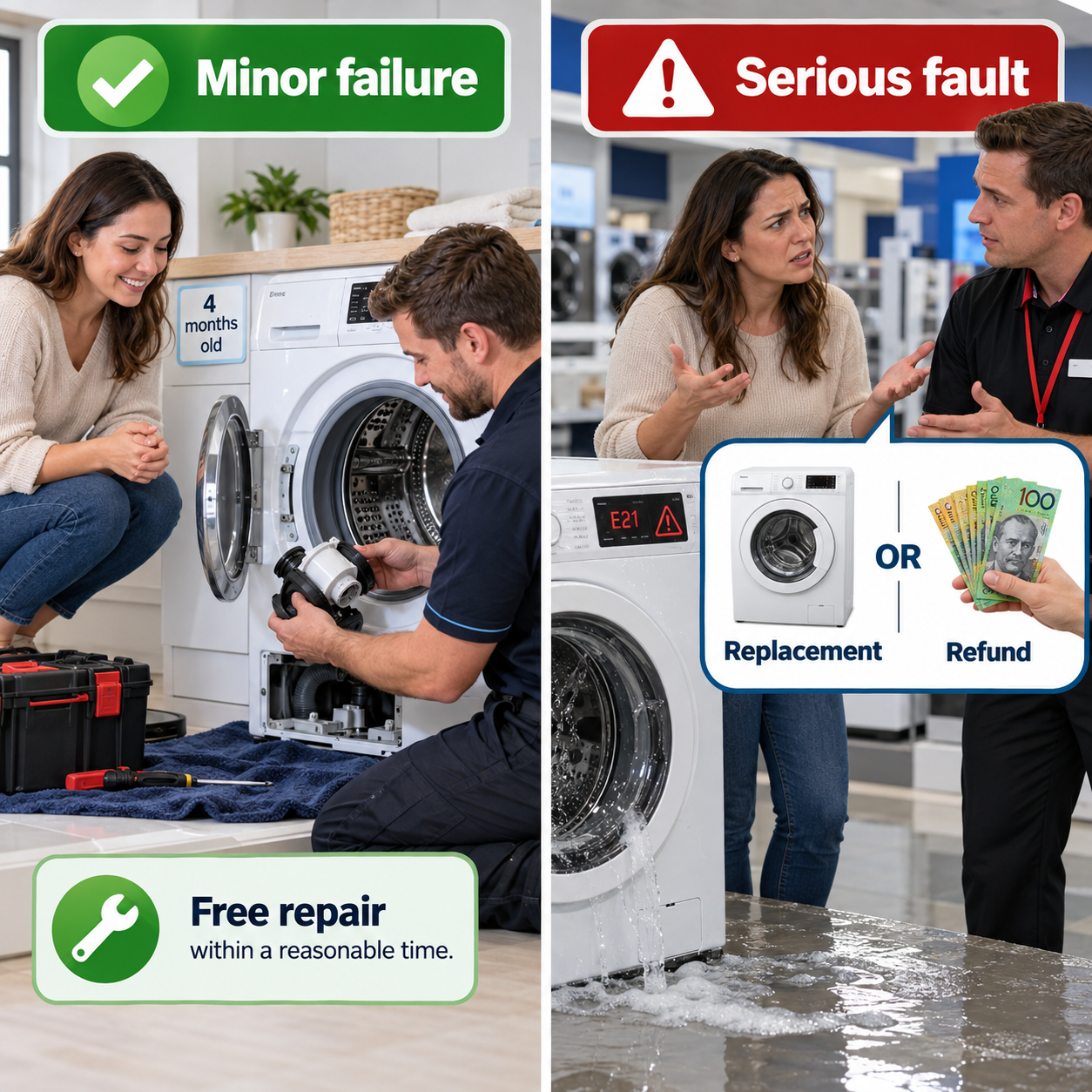
The remedy usually depends on whether the problem is a minor failure or a major failure.
Minor failure → the business can usually choose to repair the product first.
Major failure → the consumer can generally choose a replacement or refund.
Repair and replacement rights
Minor vs major failure
A minor failure is a problem that can be fixed within a reasonable time.
A major failure occurs when the product:
- is unsafe
- is significantly different from its description or sample
- has a serious problem that would have stopped a reasonable consumer buying it
- cannot perform its normal or agreed purpose and cannot easily be fixed within a reasonable time.
1. Repair
A repair means fixing the product so it meets the consumer guarantee and works as it should.
For a minor failure:
- the business can usually choose to repair the product
- the repair must be provided free of charge
- it must be completed within a reasonable time
- the consumer does not automatically have the right to demand a replacement instead.
If the business cannot or will not fix the problem within a reasonable time, the consumer can seek another remedy, including a replacement or refund.
Repair examples
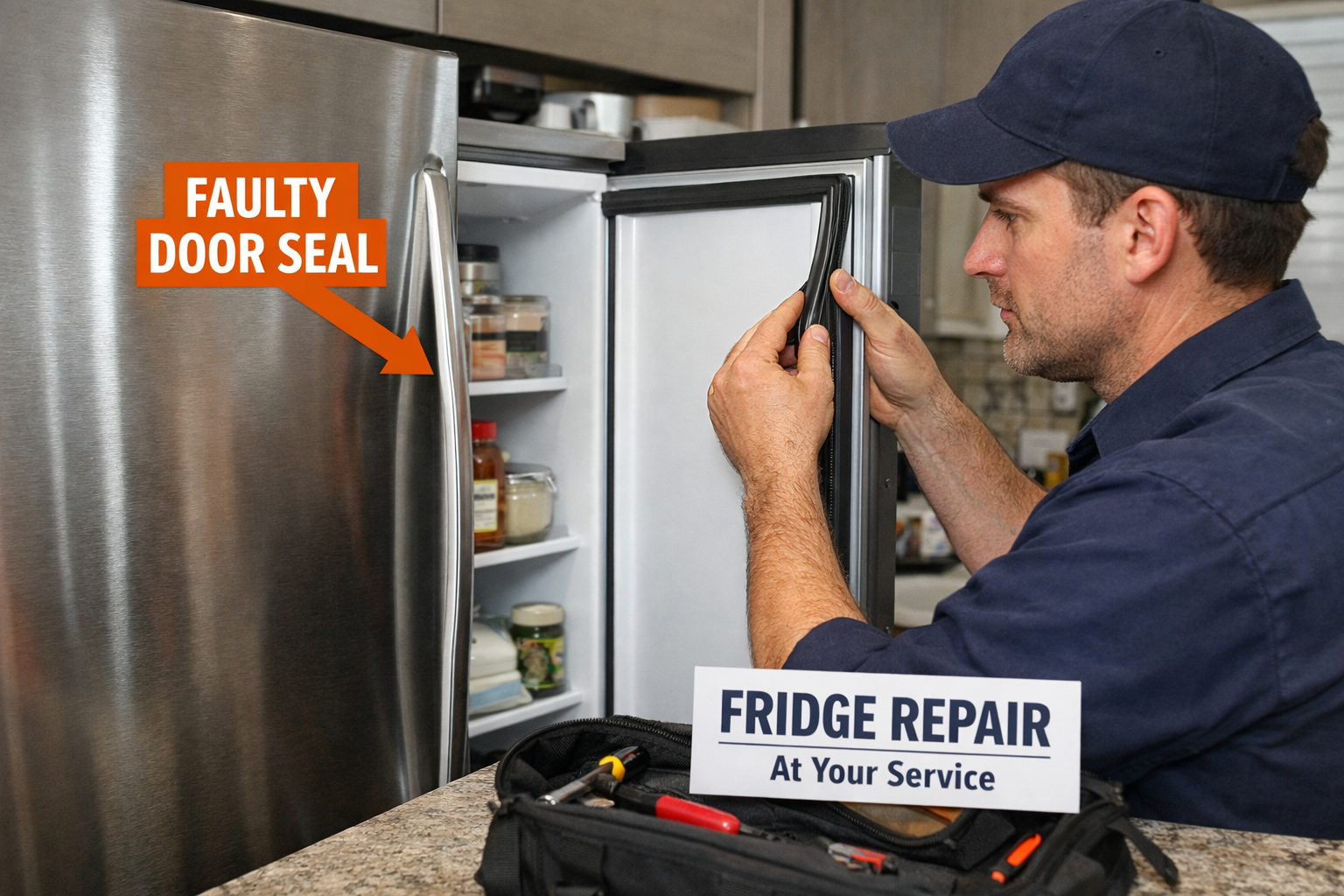
- A new fridge develops a faulty door seal → the business arranges a repair.
- A phone speaker stops working after two months → the faulty component can be replaced.
- A washing machine develops a small pump fault → repair is appropriate if it can be completed quickly.
2. Replacement
A replacement means providing another product of the same type when the original product fails to meet a consumer guarantee.
For a major failure, the consumer can choose a replacement instead of a refund.
A replacement may also become appropriate when a minor fault cannot be repaired within a reasonable time.
Replacement examples
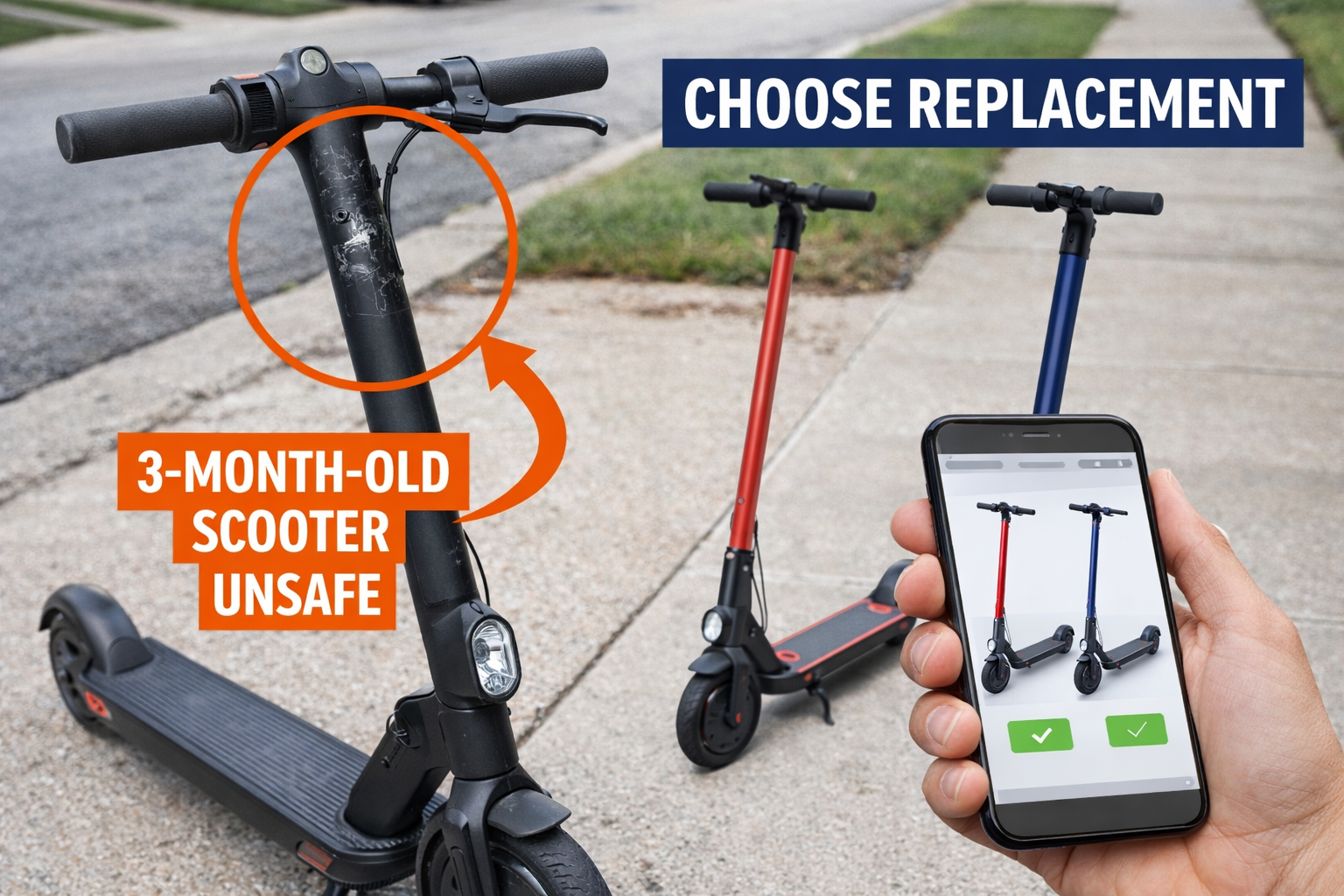
- A 3-month-old e-scooter develops a serious battery fault that makes it unsafe → the consumer can choose a replacement.
- A laptop repeatedly develops the same serious fault despite previous repairs → the problem may amount to a major failure.
- A couch arrives substantially different from the colour and model ordered → the consumer may be entitled to a replacement because it does not match its description.
What does “reasonable time” mean?
There is no single fixed period.
What is reasonable depends on factors such as:
- the type of product
- how serious the fault is
- how difficult the repair is
- availability of parts
- how much inconvenience the delay causes the consumer.
For example, a faulty fridge may need to be dealt with more quickly than a non-essential product because the consumer relies on it every day.
What businesses should do
- assess whether the fault is minor or major
- provide repairs free of charge where required
- complete repairs within a reasonable time
- keep customers informed about delays
- provide a replacement where the consumer is entitled to one
- avoid automatically sending customers to the manufacturer.
Under the ACL, the seller is responsible for dealing with the consumer, even where the problem was caused by the manufacturer.
Common business mistakes
Businesses should avoid:
- saying “it’s the manufacturer’s problem”
- refusing to deal with a product because its warranty has expired
- repeatedly attempting repairs when the product has a major failure
- taking an unreasonable amount of time to fix a minor fault
- refusing a replacement when the consumer is legally entitled to choose one
- blaming the consumer for misuse without properly assessing the fault.
Australian scenario
A customer buys a $900 washing machine from an appliance retailer.
After four months, a small internal component fails and the machine stops draining properly. The fault can be fixed easily, so it is likely to be a minor failure. The retailer can arrange a free repair within a reasonable time.
However, if the business repeatedly attempts repairs and the washing machine continues to develop serious faults, or cannot be fixed within a reasonable time, the consumer may become entitled to a replacement or refund under the ACL.
Example of how to write this in an exam
Repair and replacement rights depend on whether a product has a minor or major failure under Australian Consumer Law. A minor failure is a problem that can be fixed within a reasonable time, so the business can usually choose to repair the product free of charge. For example, a washing machine with a small pump fault may be repaired if the problem can be fixed quickly. However, if the fault becomes serious, repeated repairs fail or the product cannot be fixed within a reasonable time, the consumer may become entitled to a replacement or refund. The seller is responsible for dealing with the consumer and cannot simply send them to the manufacturer.
🎧 Prefer listening?
If you prefer listening to the content in Podcast format:
🎥 Prefer watching?
If you prefer watching the content in video format:
🃏 Flashcards
Card 1 of 17
🎮 Revision Games
💰 BME Millionaire
Climb the prize ladder by mastering consumer rights, product safety and remedies.
🛠️ Remedy Rescue
Work through six customer problems and choose the most appropriate consumer remedy or protection.
⚡ 60 Second Showdown
A varied 60-second challenge covering product safety, guarantees, warranties, refunds, repairs and replacements.

Biz Fact: Hungry Jack’s recalled “Burping Garfield” toys and offered replacements after ACCC action on safety and labeling issues related to button batteries.