
General U1.07 - Introduction to Ethical Practice for Business
Overview
Dotpoint 7: introduction to the concept of ethical practice for business, particularly in relation to the external environment.
Ethical practice means making business decisions that are considered fair, honest and responsible, including when a business could legally choose a less responsible option.
This dotpoint looks at four key areas of ethical practice, particularly in relation to the external environment:
1. Environmental responsibility
2. Honest and fair treatment of customers
3. Ethical treatment of suppliers and supply-chain workers
4. Community and social responsibility

What ethical practice means
Ethical practice means making decisions and behaving in ways that are considered fair, honest and responsible.
Ethical behaviour may require a business to go beyond the minimum required by law. A decision can be legal but still raise ethical concerns if it causes unnecessary harm, hides important information or treats stakeholders unfairly.
Questions an ethical business should ask
Simple example
A business may legally choose the cheapest supplier available. However, if it knows the supplier uses unsafe working conditions, continuing to buy from that supplier may be considered unethical even if the business has not broken a law itself.

Environmental responsibility
Environmental responsibility means considering how business decisions affect the natural environment and taking reasonable steps to reduce unnecessary harm.
This can involve reducing waste, emissions and pollution, using resources more efficiently, choosing more sustainable materials and protecting ecosystems.
Examples of environmental responsibility
Example: a takeaway shop replaces single-use cutlery with an opt-in system and separates food waste for composting.
Example: a small supermarket installs LED lighting and more efficient refrigeration.
Example: a clothing brand uses recycled fibres and reusable delivery packaging.
Example: a landscaping business avoids disposing of chemicals into stormwater drains.
Benefits of the ethical decision
- Can strengthen reputation with environmentally conscious customers.
- May reduce waste and resource costs over time.
- Can lower the risk of community criticism or environmental harm.
Trade-offs and limitations
- Sustainable materials or technology may cost more initially.
- Small businesses may have limited finance to make major changes quickly.
- Some environmental improvements may provide only gradual financial returns.
Example: Who Gives A Crap
Australian-founded Who Gives A Crap sells toilet paper and other paper products while promoting lower-impact materials and donating 50% of its profits to water, sanitation and hygiene projects. Its model shows how environmental and social responsibility can be built into the way a business creates value.

Fair and honest treatment of customers
Ethical businesses treat customers honestly and fairly. This includes giving accurate information, avoiding misleading advertising, pricing products transparently and taking reasonable care with product quality and safety.
Examples of fair and honest customer treatment
Benefits of the ethical decision
- Can strengthen customer trust and loyalty.
- May reduce complaints and reputational damage.
- Can differentiate the business through honesty and reliability.
Trade-offs and limitations
- Clearer disclosure may make a product appear less attractive than a competitor’s exaggerated claim.
- Improving safety, privacy or product quality may increase costs.
- More cautious advertising can reduce the impact of short-term promotions.
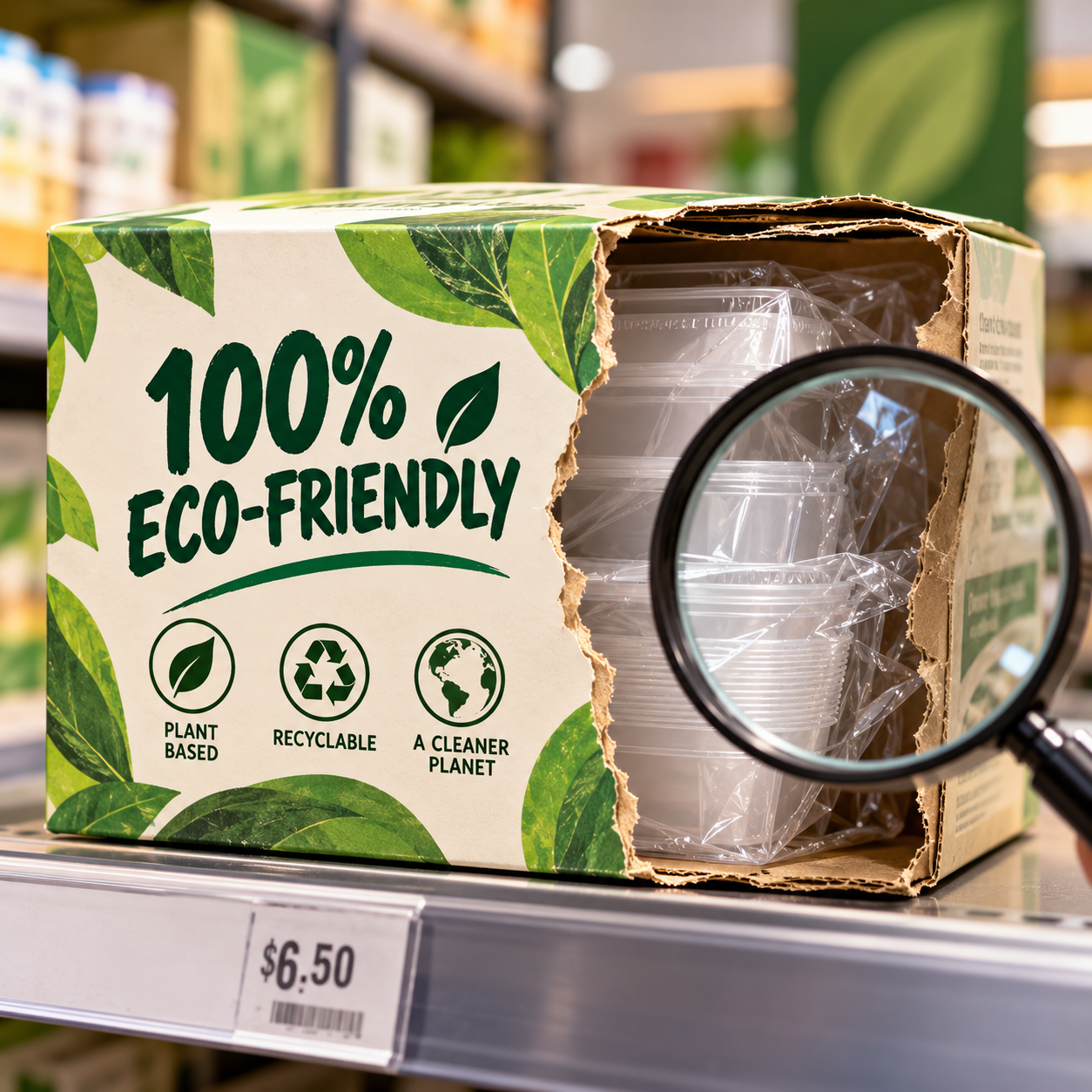
Example: greenwashing
Greenwashing occurs when a business makes a product, service or organisation appear more environmentally beneficial than it really is. A vague claim such as “100% eco-friendly” may create an ethical problem if the business cannot support the claim with clear evidence.
The ACCC advises Australian businesses that environmental and sustainability claims should be truthful, accurate and based on reasonable grounds.
Ethical suppliers and supply chains
Businesses have ethical responsibilities when choosing and managing suppliers. A low purchase price may hide poor labour conditions, unsafe workplaces, environmental damage or exploitation elsewhere in the supply chain.
Ethical sourcing means considering how products are made, where materials come from and how workers and communities are treated.
Examples of ethical supply-chain practice
External-environment link
Suppliers are part of the operating environment. The business does not completely control them, but it can influence behaviour by choosing who it buys from, setting supplier standards and ending relationships when serious problems are not corrected.
Benefits of the ethical decision
- Can reduce the risk of worker exploitation or unsafe production.
- May strengthen reputation and customer confidence.
- Can create more reliable long-term supplier relationships.
Trade-offs and limitations
- Audits, traceability and ethical suppliers may increase costs.
- Replacing a supplier can interrupt supply or delay products.
- Businesses cannot monitor every supplier action perfectly.
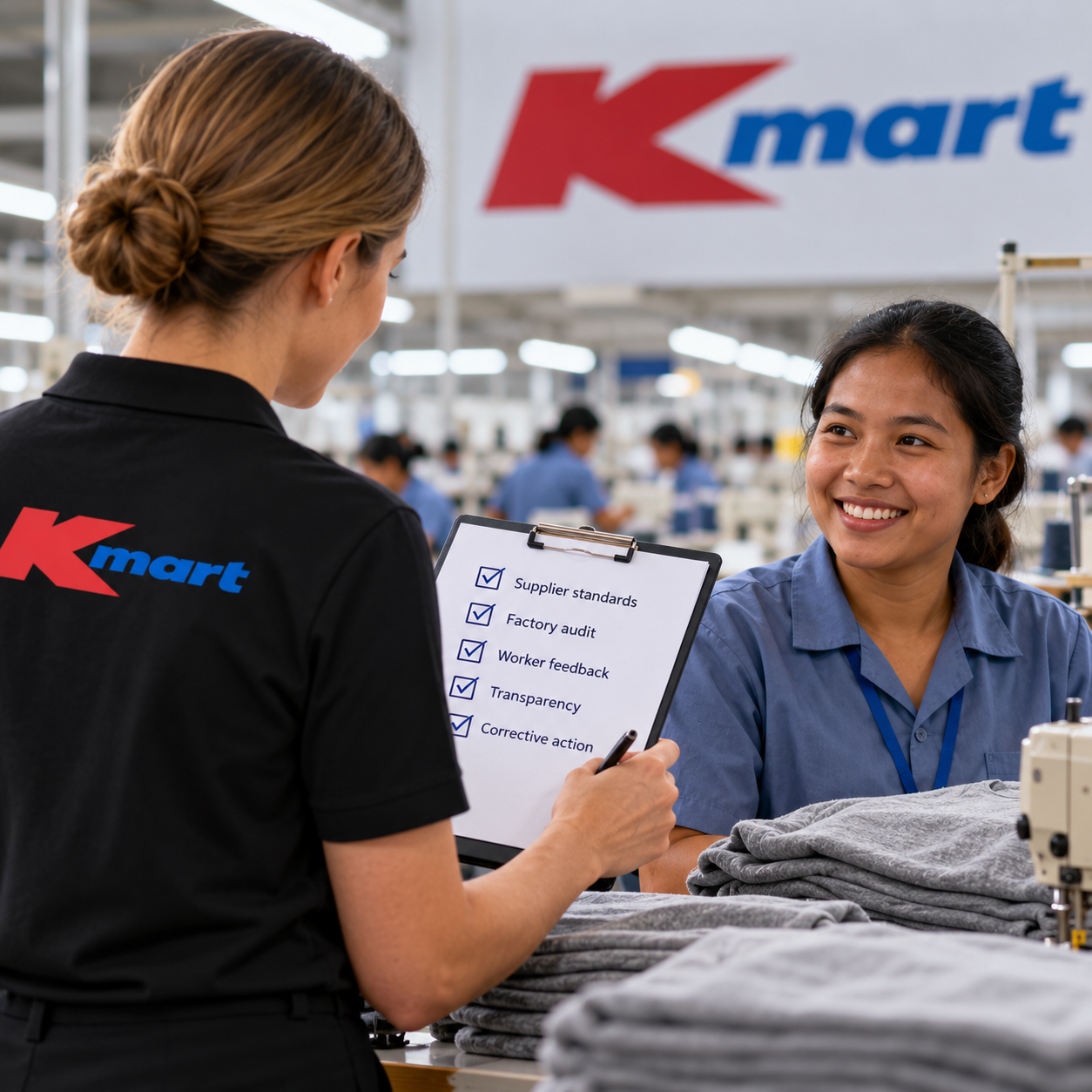
Example: Kmart ethical sourcing
Kmart Australia states that its ethical sourcing program includes supplier standards, factory onboarding, audits, worker grievance mechanisms, supplier transparency and processes for dealing with critical non-compliance. This shows how a large retailer can use its purchasing power to influence the behaviour of external suppliers.
Community and social responsibility
Community and social responsibility involves considering how business decisions affect the wider community rather than focusing only on short-term profit.
This can include supporting local employment, contributing to community projects, respecting cultural groups and using the business model to address a social problem.
Examples of community and social responsibility
Benefits of the ethical decision
- Can strengthen relationships with the local community.
- May improve reputation and local customer loyalty.
- Can reduce conflict when business activities affect nearby residents or groups.
Trade-offs and limitations
- Community programs require time, money and staff involvement.
- Different community groups may want different outcomes.
- Support can appear insincere if it is mainly used for publicity.
Example: Bunnings community sausage sizzles
Bunnings stores regularly provide community groups with opportunities to run sausage sizzles and local fundraising activities. The community group keeps the money it raises, while Bunnings provides a high-traffic location and support for the event. This is a simple example of a business using its resources and customer traffic to support local clubs, schools, charities and community organisations.

🎧 Prefer listening?
If you prefer listening to the content in podcast format:
🎥 Prefer watching?
If you prefer watching the content in video format:
🧑🏫 Class Activities
Hands-on activities
These activities are designed to help you apply the full content to real businesses through research, decision-making and practical classroom tasks.
How this section could be used: teachers could place students into small groups and allocate different activities, ask students to complete one or two activities each week, or use the activities at the end of each syllabus point so groups can take turns completing and presenting one task to the class. Activities can also be used as extension work, revision, or as a starting point for short class discussions.

1. Legal or Ethical?
Your group receives eight business decisions. Decide whether each issue is mainly legal, ethical, both, or neither.
- A business uses vague “eco-friendly” claims without evidence.
- A café legally pays the minimum wage but changes rosters with almost no notice.
- A clothing retailer discovers unsafe conditions at a supplier factory.
- A company collects more customer data than it needs.
- A business donates to a local charity but exaggerates the size of the donation in advertising.
- A supplier offers a lower price because it ignores environmental standards.
- A store clearly displays all fees before customers buy.
- A business replaces plastic packaging with a more expensive recycled option.
Output: create an A3 four-quadrant poster labelled Legal, Ethical, Both and Neither. Place each scenario in one quadrant and add a one-sentence justification underneath.
2. Greenwashing Detective
Choose three real environmental claims from product packaging, advertisements or business websites.
- Record the exact claim.
- Identify what evidence the business provides.
- Explain what important information may be missing.
- Decide whether the claim appears clear and trustworthy or potentially misleading.
Output: design a single-slide “Greenwashing Detective” report comparing the three claims. Present your strongest example to the class in 60 seconds.
3. Supplier Ethics Decision
A small Australian clothing brand can buy T-shirts from Supplier A for $8 each or Supplier B for $10.50 each. Supplier A is cheaper but has poor information about working conditions. Supplier B provides audited labour standards and traceability information.
- Identify the ethical issue.
- Explain the possible advantages and disadvantages of each supplier.
- Consider the impact on customers, workers, costs and reputation.
- Recommend which supplier the business should choose.
Output: prepare a one-page management recommendation and give a two-minute oral pitch defending your decision.
4. Bunnings Community Support Audit
Research how Bunnings supports local community groups through sausage sizzles and other community activities.
- Identify how the activity supports local groups.
- Explain which external stakeholders benefit.
- Identify one commercial benefit Bunnings may receive.
- Identify one cost or limitation of providing community support.
- Judge whether the activity appears to create genuine community value.
Output: create a one-page infographic titled “Community Responsibility in Action” and include a final judgement supported by evidence.
5. Community Backlash Scenario
A small events company plans a large outdoor festival next to a residential area. The event is legal, but nearby residents are concerned about noise, rubbish and traffic.
- Identify the external stakeholders.
- Explain the ethical concerns.
- Develop three actions the business could take before the event.
- Explain how each action could reduce conflict or protect reputation.
Output: create a one-page action plan with three headings: Stakeholder Concern, Business Response and Expected Result. Complete at least three rows, then deliver a 90-second team briefing explaining how the event can remain commercially viable while treating the community fairly.
6. Ethics Committee
Your group is the ethics committee for a growing retailer. Management proposes using cheaper packaging that is legal but creates significantly more waste.
- Identify the ethical issue.
- Identify the external stakeholders affected.
- Develop two possible courses of action.
- Explain one advantage and one disadvantage of each.
- Make a final recommendation.
Output: prepare a one-slide board recommendation and give a two-minute presentation. Your final slide must include the decision, stakeholder impact, cost implication and expected reputational effect.
✍️ Short Answer Questions
Practice questions
Answer each question before opening the sample answer. Marks are based on the command term and the number of separate points requested.
Show sample answer
Ethical practice means making business decisions that are considered fair, honest and responsible.
Show sample answer
Legal compliance means meeting the minimum requirements of the law. Ethical practice goes further by considering whether a decision is also fair, responsible and respectful of stakeholders, even where the law allows several choices.
Show sample answer
Ethical sourcing involves choosing and monitoring suppliers to reduce the risk of unsafe working conditions, exploitation or serious environmental harm. Environmental responsibility involves reducing unnecessary waste, pollution or resource use so the business limits harm to the natural environment and surrounding communities.
Show sample answer
A retailer can require suppliers to meet standards for worker safety, human rights and environmental conduct. This can reassure customers that the products are not being produced through serious exploitation or irresponsible practices. As a result, trust in the retailer may increase, strengthening its reputation and potentially supporting customer loyalty.
Show sample answer
Greenwashing creates an exaggerated or misleading impression that a product or business is environmentally responsible. This can influence customers to make purchasing decisions based on environmental benefits that may not genuinely exist. As a result, customers can be misled and genuinely sustainable competitors may be placed at an unfair disadvantage.
Show sample answer
If a supplier is exposed for unsafe working conditions, customers may associate those practices with the clothing business that purchased the products. This can reduce trust and cause customers to switch to competitors, lowering sales. The business may then need to replace the supplier, investigate its supply chain and communicate with customers. These actions can increase costs and interrupt supply, meaning the original ethical problem can create both reputational and financial consequences.
Show sample answer
A business could support a local fundraiser, sporting club or community event. This can create positive relationships with local residents and demonstrate that the business is contributing to the community rather than only seeking profit. As a result, local reputation and customer loyalty may improve, which can support future sales and community support for the business.
Show sample answer
Advantages: First, ethical sourcing can reduce the risk that the business is connected to worker exploitation or serious environmental harm. Second, it can strengthen customer trust and reputation when the business can demonstrate responsible supply-chain practices.
Disadvantages: First, ethical suppliers, audits and traceability systems may increase costs. Second, refusing to use a low-cost supplier can reduce short-term profit or create supply disruptions while alternatives are found.
Show sample answer
I recommend that the business immediately investigate the supplier and require corrective action, while preparing an alternative supplier if serious problems are not fixed. This approach recognises that the business may not directly control the supplier but can influence it through purchasing decisions and supplier standards. In this case, continuing to buy without action could expose workers to harm and damage the business’s reputation. As a result, clear corrective requirements combined with a willingness to end the relationship provides a stronger ethical response.
Show sample answer
Advantage: choosing the more ethical option can reduce harm to stakeholders and may strengthen trust, reputation and customer loyalty. It may also reduce the risk of future backlash if unethical practices are exposed.
Disadvantage: a small business may have limited financial resources, so a significantly more expensive ethical option could raise prices, reduce profit or make the business less competitive.
Judgement: the business should consider both the seriousness of the ethical issue and the size of the cost difference. If the cheaper option involves substantial harm, exploitation or deception, the more ethical option is usually justified. Where the difference is minor, the business should still seek practical improvements that balance stakeholder impact with financial survival.
🃏 Flashcards
Card 1 of 12
🎮 Revision Games
💰 BME Millionaire
Climb the prize ladder by ethical practice, external stakeholders, sourcing, environmental responsibility and transparency.
🧪 Ethics Tribunal
Judge twelve realistic business decisions and decide whether the strongest ethical response is responsible, questionable or unethical.
⚡ 60 Second Showdown
A rapid-fire sprint through ethics, external stakeholders, sourcing, greenwashing and realistic business decisions.
Biz Fact: Australian-founded Who Gives A Crap donates 50% of its profits to water, sanitation and hygiene projects. It reports that more than A$20 million has now been raised for impact, showing that social purpose can be built directly into a commercial business model.