
U2.02 — Issues Related to the Marketing and Promotion of Alcohol, Tobacco and Fast Food
Overview
Dotpoint 2: Issues related to the marketing and promotion of alcohol, tobacco and fast food.
Businesses use promotion to increase sales, market share and brand awareness, but governments and communities may see these products as harmful, especially when children and young people are exposed.
This dotpoint focuses on three controversial product groups:
- alcohol
- tobacco
- fast food
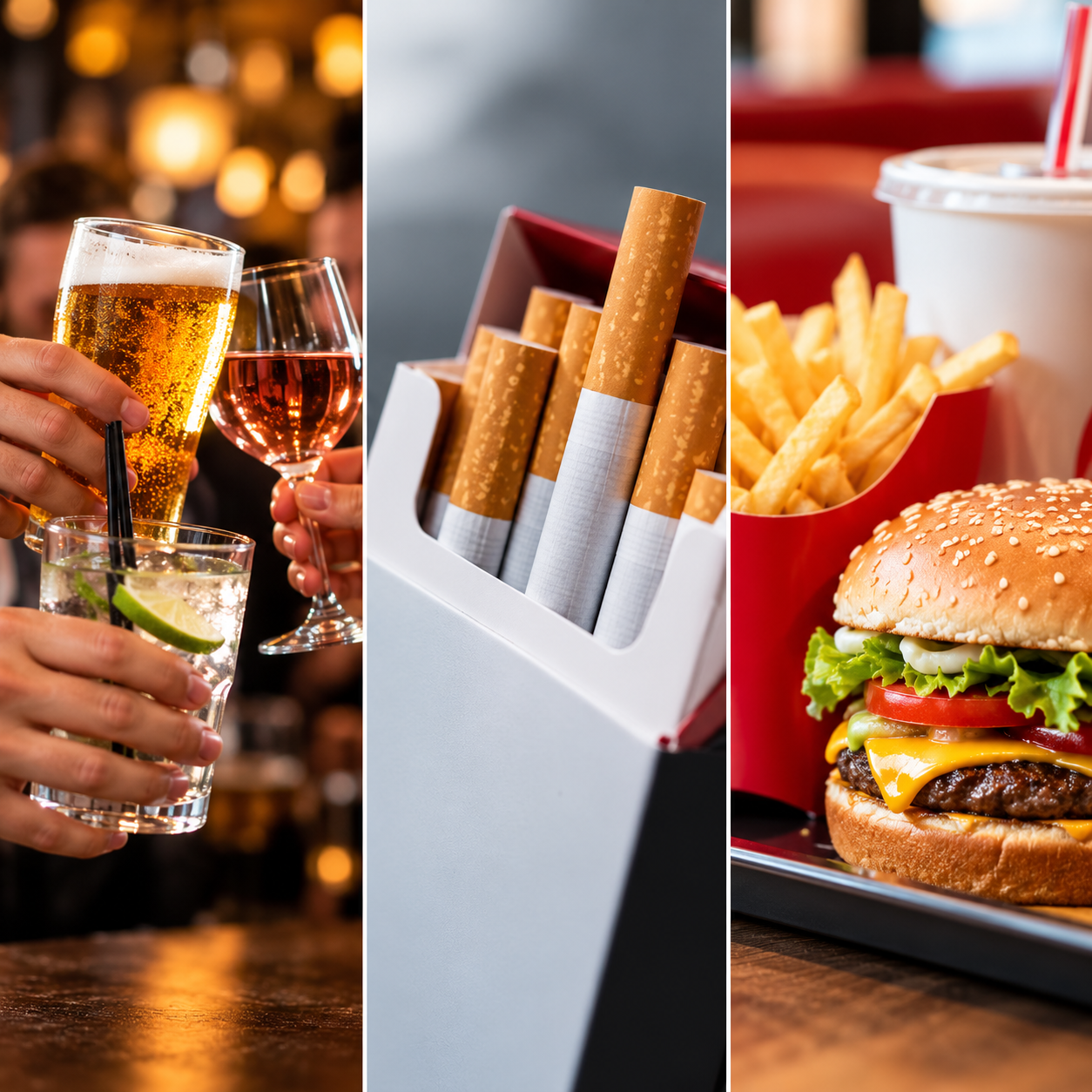
🍺 Alcohol — Promotion, youth exposure and sport
Alcohol marketing and promotion includes advertising, sponsorship, discounts, packaging, event promotion, influencer content, social media campaigns and retail promotion used to increase alcohol sales and brand visibility.
1) What the issue is
The main issue is that alcohol promotion can make drinking look normal, fun and strongly connected to sport, celebration and social success. This becomes controversial when children and teenagers are exposed to that messaging, or when alcohol harms are downplayed.
- it can normalise drinking as part of everyday life
- it can increase youth exposure to alcohol brands
- it can make alcohol seem more harmless than it really is
- sport and event sponsorship can strengthen the alcohol = lifestyle connection
VB promotion like above would not be acceptable today.
2) What the Australian government has done
What are the actual restrictions?
Alcohol advertising is not completely banned in Australia. Alcohol businesses are still allowed to advertise, but there are restrictions designed to reduce inappropriate exposure, particularly to children.
This means students should remember that alcohol can still be promoted, but businesses have less freedom over when, where and how the product is advertised than businesses selling ordinary products.
Government and industry responses
- ACMA oversees broadcasting rules that affect when alcohol advertising can appear on television.
- the Free TV Code contains restrictions on the timing and placement of alcohol advertisements on commercial television.
- the ABAC Responsible Alcohol Marketing Code sets standards for the content and placement of alcohol marketing, including protecting minors from inappropriate targeting.
- the National Alcohol Strategy 2019–2028 provides a broader national approach to reducing alcohol-related harm.
- in WA, licensed venues and alcohol retailers must also meet liquor licensing requirements and responsible service obligations.
Campaigns encourage Australians to say no to underage drinking.
3) Impact on businesses
Alcohol businesses can still market their products, but the restrictions reduce the freedom they have compared with businesses selling ordinary consumer products.
- fewer advertising times — television campaigns cannot simply be shown at any time of day
- limits on audience targeting — campaigns must avoid strongly appealing to children and teenagers
- greater scrutiny — advertisements and sponsorships can attract complaints from regulators, health organisations and the public
- campaigns may need to be changed if their placement or message is considered irresponsible
- sport sponsorship remains valuable because it gives brands access to large audiences, although it can also attract criticism because children may be watching
For the business, the key issue is therefore a trade-off: promotion can increase sales and brand awareness, but the business must operate within tighter rules and protect its public image.
4) Real-life examples of effects
- Dan Murphy’s has faced criticism over alcohol advertising that was seen as too visible to children, showing how even large retailers can attract complaints.
- Bundaberg Rum has long been a classic example in alcohol marketing debates because strong branding and mascots can make alcohol more memorable and appealing.
- Great Northern, VB and other beer brands have been heavily promoted around Australian sport and outdoor culture, helping build huge brand awareness.
- The Australian Open has often been criticised by health groups because alcohol promotion remains visible around a major family-friendly sporting event.
- Cricket Australia previously had the long-running VB sponsorship, which ended in 2017, showing that alcohol and sport links can be challenged and changed.
- After the end of the VB cricket deal, health groups argued sport should move further away from alcohol-linked branding.
- Baseball Australia announced a booze sponsorship ban across national and junior levels in 2019, showing that some sports have actively moved away from alcohol promotion.
- NRL and other codes have been criticised for heavy alcohol ad exposure during major broadcasts, especially when children are part of the viewing audience.
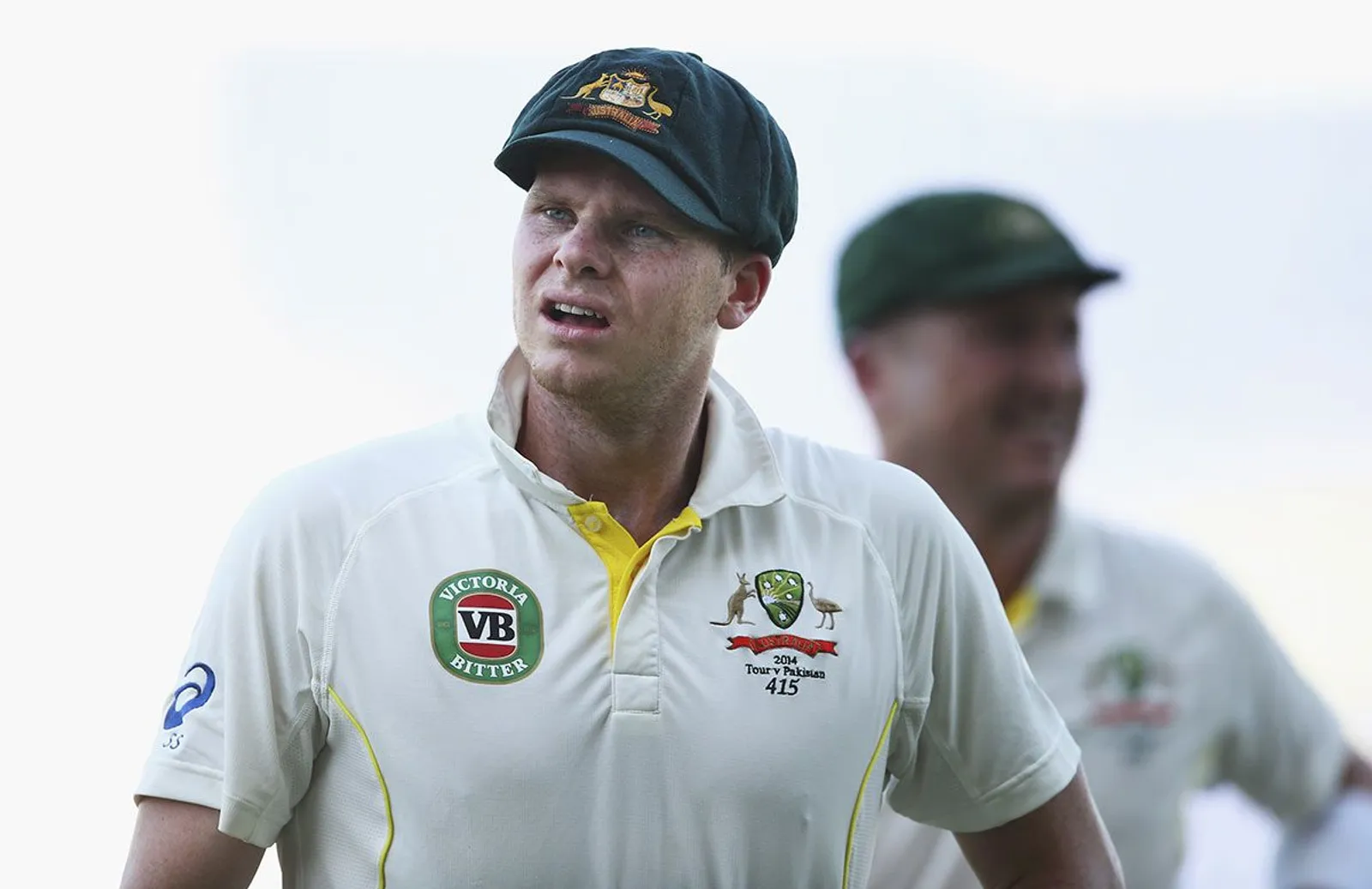
Cricket Australia ended their partnership with VB in 2017.
Example of how to write this in an exam
One issue associated with alcohol marketing is the exposure of children and teenagers to alcohol brands. Alcohol advertising and sport sponsorship can link drinking with fun, social success and sporting culture, which may normalise alcohol consumption for younger audiences. In response, alcohol advertising is restricted through rules relating to when advertisements can appear and how minors can be targeted. This reduces marketing freedom for alcohol businesses because they cannot advertise in the same way or at the same times as ordinary products. However, businesses can still promote alcohol within the rules, allowing them to increase sales and brand awareness.
🚭 Tobacco — Advertising bans and plain packaging
Tobacco marketing and promotion refers to any attempt to increase tobacco sales or brand visibility through advertising, sponsorship, packaging, display, design or other promotional methods.
1) What the issue is
Tobacco is one of the clearest examples of why product marketing becomes a public issue. The product is strongly linked to addiction and long-term harm, so many people believe it should not be promoted in the same way as ordinary consumer products.
- tobacco use causes serious health harm
- promotion may encourage experimentation and uptake
- branding can make a harmful product appear more attractive
- youth exposure is a major concern
2) What the Australian government has done
What are the actual restrictions?
Australia has much stronger restrictions on tobacco than on alcohol or fast food. Under current federal law, tobacco advertising and sponsorship are prohibited with only limited exceptions.
The important point for students is that the government has removed most of the normal promotional tools that businesses use to differentiate their products.
Major government action
- the Public Health (Tobacco and Other Products) Act 2023 now contains Australia's major federal tobacco advertising, sponsorship and packaging controls
- the Act came into operation from 1 April 2024 and replaced the earlier Tobacco Advertising Prohibition Act and Tobacco Plain Packaging Act
- the law continues the prohibition on tobacco advertising and sponsorship
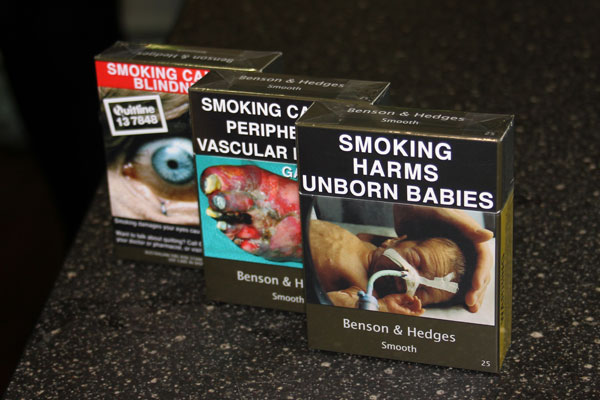
- it also maintains and strengthens standardised packaging and health-warning requirements
- similar restrictions also apply to the promotion of e-cigarettes and vaping products
3) Impact on businesses
Tobacco businesses have the least marketing freedom of the three product categories in this dotpoint.
- traditional advertising is largely unavailable, making it difficult to build awareness through television, print, outdoor or online promotion
- sport and event sponsorship cannot be used as a normal method of creating positive brand associations
- packaging cannot operate as a mini advertisement because logos, brand imagery and promotional design are restricted
- health warnings reduce the promotional appeal of packaging by emphasising the risks of smoking
- retailers face compliance costs and legal responsibilities when selling tobacco products
This makes it much harder for tobacco companies to differentiate brands, attract new customers or use promotion to increase demand.
4) Real-life examples of effects
- Philip Morris and British American Tobacco cannot market cigarettes in Australia like normal consumer brands.
- their cigarette packs must follow plain packaging rules, meaning logos, colours and branding power are stripped back.
- this means tobacco firms cannot rely on packaging as a mini advertisement in the way soft drink, chocolate or fast-food brands can.
- retailers such as supermarkets, convenience stores and tobacconists face strict display and compliance rules when selling tobacco products.
- unlike alcohol or fast food, tobacco companies cannot use mainstream sport sponsorship to build positive brand associations.
- tobacco advertising bans have made it much harder for tobacco businesses to build brand awareness through TV, print and outdoor ads.
- Australia’s plain packaging laws became globally famous, showing how government can directly weaken a business’s branding strategy.
- the same tougher direction has now extended to vapes, which means businesses in the nicotine space face even tighter control.
- this makes tobacco the clearest example of a product where public health concerns have overridden normal marketing freedom.
Anti Vaping Campaigns are on the rise.
Example of how to write this in an exam
One issue associated with tobacco promotion is that advertising and branding may encourage consumers to experiment with a product that is addictive and causes serious health harm. In response, the Australian Government prohibits tobacco advertising and sponsorship and requires tobacco products to use standardised plain packaging with health warnings. This prevents tobacco firms from using normal promotional tools such as television advertisements, sport sponsorship and colourful branded packaging. As a result, tobacco businesses find it much more difficult to build brand awareness and differentiate their products from competitors.
🍔 Fast Food — Child targeting and unhealthy eating
Fast food marketing and promotion includes television ads, app promotions, loyalty rewards, meal deals, outdoor advertising, sponsorships, children’s offers and digital campaigns designed to increase visits and repeat purchases.
1) What the issue is
The issue with fast food marketing is not that the product is illegal. The issue is that heavy promotion can normalise unhealthy eating, especially when children are targeted through characters, toys, offers, sport, apps and frequent public exposure.
- children may be influenced by branding and promotions
- unhealthy food can be normalised as an everyday choice
- convenience and value may be promoted over nutrition
- constant advertising can shape long-term eating habits
This 2000 Ad would be controversial today.
2) What the Australian government has done
What are the actual restrictions?
Fast-food advertising is still legal in Australia. Unlike tobacco, there is no blanket government ban on advertising fast food. However, advertising aimed at children is subject to important industry advertising rules.
So, unlike tobacco, fast-food businesses still have considerable marketing freedom. The main restriction is that unhealthy or “occasional” foods cannot be deliberately marketed to children in the same way as ordinary products.
Government and industry responses
- the AANA Food & Beverages Advertising Code contains specific rules restricting advertising of occasional foods to children
- the AANA Children's Advertising Code, effective from 1 December 2023, provides broader protections for advertising directed at children
- the National Obesity Strategy 2022–2032 identifies reducing children's exposure to unhealthy food and drink marketing as a public-health priority
- the Australian Government has also investigated possible stronger restrictions on unhealthy food marketing to children
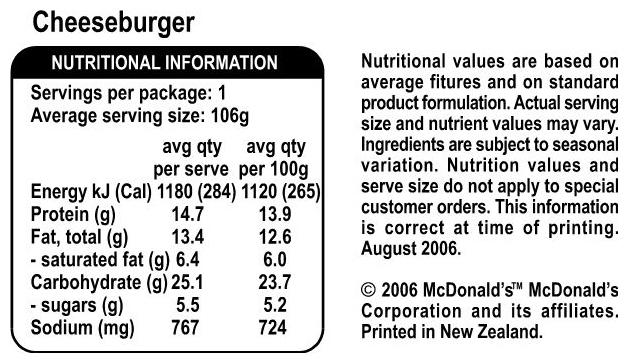
- Mandatory kilojoule menu labelling is required by law in New South Wales, Victoria, Queensland, South Australia, and the Australian Capital Territory.
3) Impact on businesses
Fast-food businesses still have far more freedom to promote their products than tobacco businesses, but they must be particularly careful when advertisements are likely to appeal to children.
- advertising remains a major source of sales through television, apps, meal deals, social media and outdoor promotion
- campaigns aimed at children face tighter rules, particularly where unhealthy or occasional foods are being promoted
- promotional offers may need to be redesigned so they do not pressure children to buy excessive quantities
- sport sponsorship remains possible, but exposure of children to unhealthy food brands can generate public criticism
- future government regulation remains a risk as pressure grows to reduce unhealthy food marketing to children
For businesses such as McDonald's, KFC and Hungry Jack's, promotion can still strongly increase traffic, sales and repeat purchases, but businesses must balance these benefits against advertising rules and concerns about their public image.
4) Real-life examples of effects
- McDonald’s is a clear example of a fast-food business that benefits from massive brand awareness through advertising, apps, promotions and sport-linked exposure.
- KFC is strongly linked with the Big Bash League, making it one of the most discussed examples of junk-food sponsorship in Australian sport.
- Hungry Jack’s uses heavy price promotions, meal deals and app-based offers to drive repeat purchases and store traffic.
- Domino’s uses constant digital promotion, value deals and app offers, showing how fast-food brands keep demand high through ongoing promotion.
- McDonald’s sponsorship of junior sport has been criticised by health advocates who argue that sport should not be used to normalise unhealthy food to children.
- the AFL’s McDonald’s sponsorship has triggered backlash from parent groups who see the partnership as socially irresponsible.
- KFC branding in cricket has been heavily criticised because children watching the BBL are repeatedly exposed to junk-food logos and messaging.
- Cancer Council WA has publicly pushed back against unhealthy food sponsorship in sport, especially where children are involved.
- fast-food advertising on buses, train stations, billboards and digital spaces means brands can reach huge audiences, but this also increases criticism when children are heavily exposed.
- for businesses like McDonald’s, KFC and Hungry Jack’s, promotion is highly effective for sales and market share, but it also keeps them at the centre of public debate about obesity and child-targeted marketing.
Example of how to write this in an exam
One issue associated with fast-food marketing is that children may be influenced by branding, sport sponsorships, toys, meal deals and digital advertising. Repeated exposure can normalise unhealthy food as an everyday choice and may influence long-term eating habits. Advertising rules therefore restrict occasional food advertisements from targeting children. This may require fast-food businesses to alter the audience, content or promotional offers used in campaigns. However, fast-food businesses still have substantial marketing freedom and can continue using advertising, apps and promotions to increase sales.
⚖️ Quick Comparison — The spectrum of marketing control
Alcohol
- Main issue: normalising drinking and youth exposure
- Government response: restrictions on when, where and how alcohol can be advertised
- Business impact: still promotable, but campaigns face greater restrictions and scrutiny
Tobacco
- Main issue: addiction and serious health harm
- Government response: advertising and sponsorship bans, plain packaging and health warnings
- Business impact: least marketing freedom of the three
Fast food
- Main issue: child targeting and unhealthy eating patterns
- Government response: advertising codes restrict unhealthy food marketing targeted at children
- Business impact: still widely promoted, but businesses must be careful when marketing to children
Conclusion
🎧 Prefer listening?
If you prefer listening to the content in Podcast format:
🎥 Prefer watching?
If you prefer watching the content in video format:
🃏 Flashcards
Card 1 of 21
🎮 Revision Games
💰 BME Millionaire
Climb the ladder by mastering alcohol, tobacco and fast-food marketing rules.
🧩 Product Match
Match each restriction, issue or example to alcohol, tobacco or fast food.
⚡ 60 Second Showdown
Rapid-fire questions on the actual marketing restrictions.
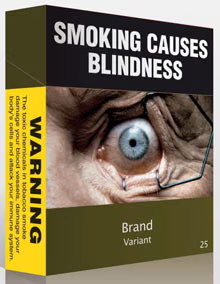
Biz Fact: Australia was the first country in the world to force cigarettes into plain packaging.