
U3.02 — The Impact of Globalisation
Overview
Dotpoint 2: the impact of globalisation.
Globalisation is the increasing connection between countries through trade, investment, technology, labour movement, communication and business activity. It allows businesses to operate across borders, but it also creates major impacts on workers, technology, cooperation, domestic markets and taxation.
This dotpoint focuses on the impact of globalisation on:
- employment levels in developing countries and in developed countries
- global spread of skills and technology
- international cooperation
- domestic market
- tax minimisation – tax havens and transfer pricing

👷 Employment levels in developing and developed countries
Globalisation impacts employment levels because businesses can move production, services, investment and jobs across borders. This can create employment in some countries and industries, while reducing employment in others.
How globalisation impacts employment levels
Developing countries
What is a developing country?
A developing country is a country with lower average incomes and a lower level of industrialisation or economic development than a developed country. These countries are often growing quickly and may attract outsourcing, manufacturing and foreign investment.
Examples: Vietnam, Indonesia, India, Bangladesh and the Philippines.
Job creation through outsourcing and foreign investment
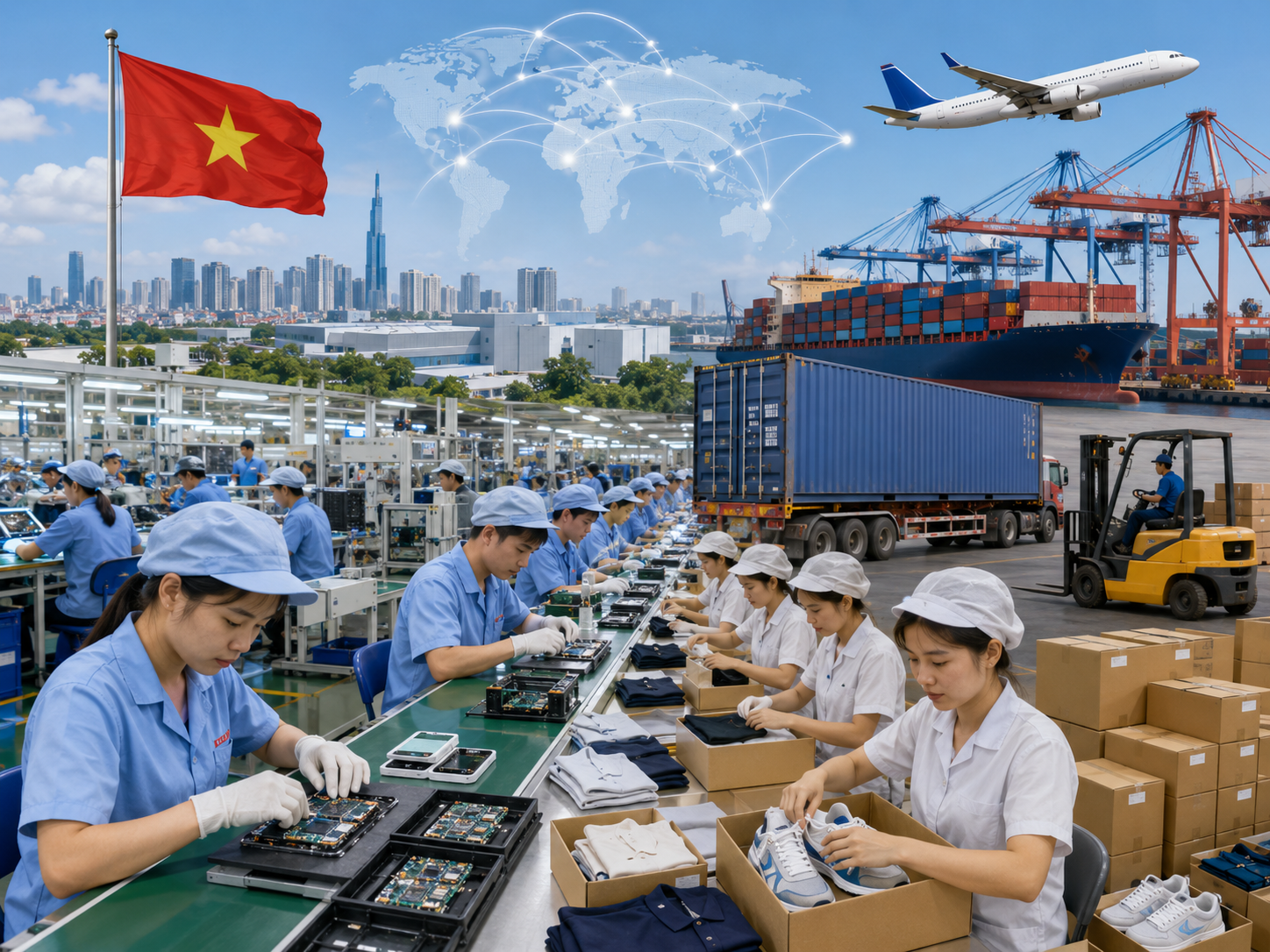
Developing countries often gain jobs when multinational businesses move production, call centres, processing, manufacturing or technology support into lower-cost locations. This can increase employment, incomes and training opportunities.
Real-world example: Vietnam has attracted global manufacturing from companies such as Samsung, Nike suppliers and electronics producers, creating jobs in factories and export industries.
Low wages and poor working conditions
Although globalisation can create jobs, some workers in developing countries may receive low wages, long hours or unsafe conditions. This creates ethical and reputational risks for businesses that outsource production.
Real-world example: Global fashion supply chains have been criticised for relying on low-cost garment production in countries such as Bangladesh and Cambodia, where worker safety and wages have been major concerns.
Brain drain
Brain drain occurs when highly skilled or educated workers leave a developing country to work in richer countries where wages and opportunities are better. This can reduce the supply of skilled labour in the home country and slow long-term development.
Example: Doctors, engineers and IT workers from countries such as India or the Philippines may move overseas for higher salaries and better career opportunities.

Developed countries
What is a developed country?
A developed country is a country with high average incomes, strong infrastructure, a more advanced economy and a higher standard of living. These countries often specialise in high-skill industries, services, innovation and exports.
Examples: Australia, New Zealand, Japan, South Korea and Singapore.
Export job growth
Developed countries can gain employment in industries that successfully export to global markets. Businesses that sell into larger overseas markets may need more workers in production, marketing, logistics, finance and management.
Australian example: Australia’s mining sector supports employment because iron ore, LNG and other resources are sold into global markets, especially across Asia.
Loss of jobs through outsourcing
Globalisation can reduce employment in developed countries if businesses outsource low-wage or lower-skilled work to developing countries. This happens when firms move production or support services offshore to reduce costs.
Australian example: Some Australian banks, telecommunications businesses and service firms have moved call centre, IT support or back-office roles to countries such as India and the Philippines, reducing some local employment opportunities.
Brain gain
Brain gain occurs when a developed country attracts skilled workers from overseas. This can strengthen innovation, productivity and expertise in the domestic economy.
Australian example: Australia benefits when skilled migrants enter sectors such as health, engineering, ICT and university research, helping businesses and institutions fill labour shortages.

Structural unemployment
Structural unemployment can occur when workers lose jobs because their industry shrinks or disappears and their skills no longer match the jobs being created. Globalisation can accelerate this in developed economies when lower-cost overseas production replaces local jobs.
Australian example: The closure of large-scale car manufacturing in Australia, including Holden, Toyota and Ford production, reflected the pressure on local manufacturing from global competition and lower-cost overseas production.
Another example: Textile, clothing and footwear manufacturing in Australia has also declined over time because cheaper imports and offshore production made it difficult for local producers to compete.

Example of how to write this impact in an exam
Globalisation can increase employment in developing countries because multinational businesses often move manufacturing and service work to lower-cost countries such as Vietnam or India. This can create jobs, income and training opportunities, although some workers may face lower wages or poor conditions.
In developed countries such as Australia, globalisation can reduce employment in industries that are outsourced overseas, creating structural unemployment. However, it can also create jobs in export industries and contribute to brain gain when skilled migrants move into growing sectors of the economy.
💡 Global spread of skills and technology
The global spread of skills and technology occurs when knowledge, expertise, production methods, digital systems, machinery, software and innovation move across borders through trade, investment, migration, education and multinational business activity.
How globalisation spreads skills and technology
Movement of skilled workers
Globalisation allows skilled workers to move between countries or work remotely for international businesses. Open borders, online communication and remote work mean many skilled workers can now work for businesses in other countries without permanently relocating.
Example: This is common in industries such as software development, engineering, finance, design, consulting, marketing, health and education, where skilled workers can collaborate across borders or move to countries with stronger career opportunities.
Training and management knowledge
When multinational businesses expand into a new country, they often train local employees and transfer management systems, quality standards and technical knowledge. This can improve productivity and business performance.
Real-world example: McDonald’s trains workers around the world in standardised food preparation, service and operations systems, while hotel groups such as Marriott and Hilton train local staff in global customer service and management standards.
International education and student mobility
Globalisation has made it easier for students to study overseas and gain knowledge, qualifications and skills from universities around the world. This spreads ideas and expertise because students may return home with new skills or stay in the host country and contribute to its workforce.
Australian example: Australia attracts many international students from countries such as China, India, Vietnam, Indonesia and Malaysia. These students build skills in areas such as business, technology, health and engineering, while also contributing to Australia’s universities and labour force.

Technology transfer
Globalisation spreads technology because businesses sell, license, install or adapt technology across borders. This can include e-commerce systems, cloud storage, robotics, artificial intelligence, automation, logistics software and advanced manufacturing equipment.
World example: Tesla’s electric vehicle and battery technology has influenced car makers around the world, pushing companies such as Toyota, Hyundai, BYD, Volkswagen and Ford to invest more heavily in electric vehicles, battery systems and advanced manufacturing.

Risks of technology spread
The spread of technology can also increase risks such as cybercrime, identity theft, intellectual property theft and greater competition. Businesses may need stronger cybersecurity, patents, trademarks and data protection.
Real-world example: Cloud-based businesses such as Microsoft, Google and Amazon Web Services operate globally, but they must manage cybersecurity and data privacy risks across different countries.
WA example in a global context
Rio Tinto’s AutoHaul technology in the Pilbara is one of the clearest WA examples of globalisation spreading skills and technology. Rio Tinto developed and pioneered AutoHaul as an autonomous heavy-haul rail system that moves iron ore across the Pilbara without drivers on board, with trains monitored through remote operations and advanced data systems.
This technology has helped build skills in automation, remote operations, sensors, data analytics and mining engineering. The broader spread of autonomous mining technology is now seen across global mining businesses, with companies such as BHP, Fortescue and other resource firms using remote operations and automation to improve safety, productivity and efficiency.

Example of how to write this impact in an exam
Globalisation spreads skills and technology because businesses, workers and investors operate across borders. This means advanced technology, management systems and specialist knowledge can be transferred from one country to another. As a result, businesses may become more productive, reduce costs and improve innovation.
🤝 International cooperation
International cooperation refers to countries working together through agreements, organisations, trade rules, climate agreements, health responses and economic forums. Globalisation increases the need for cooperation because businesses and economies are more connected across borders.
How globalisation impacts international cooperation
World Trade Organisation rules
Globalisation increases the need for common trade rules. The WTO helps countries cooperate by reducing trade barriers, encouraging fair competition and providing a process for resolving trade disputes.
Australian example: Australian exporters benefit when trade rules are predictable because they can enter global markets with more certainty about tariffs, quotas and market access.
Free trade agreements
Free trade agreements encourage cooperation by reducing barriers between countries. This can make it easier for businesses to export, import, invest and build supply chains across borders.
Australian example: Australia has trade agreements with countries and regions including New Zealand, the United States, Japan, Korea, China and ASEAN, supporting exporters in industries such as agriculture, mining, education and services.
More on this later: Dotpoints 6 and 7 look more closely at two of Australia’s most important free trade agreements: AANZFTA and ANZCERTA.

Cooperation on global problems
Globalisation means problems such as climate change, pandemics, cybercrime, financial instability, tax avoidance, supply chain disruption and food security can affect many countries at once. This encourages governments and businesses to cooperate through global organisations, agreements and forums.
Examples of international cooperation include:
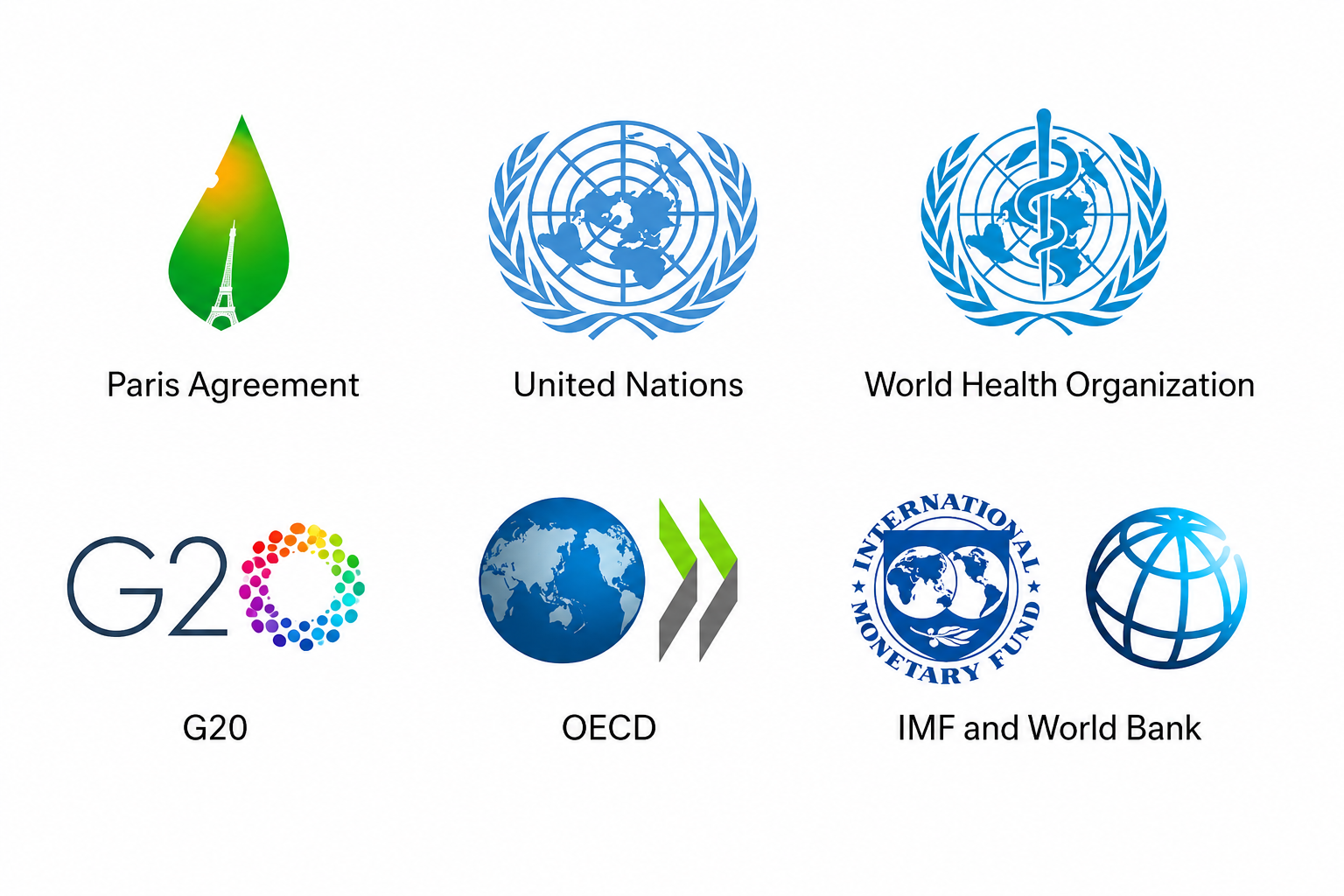
- Paris Agreement and Kyoto Protocol for climate change and emissions reduction
- United Nations for global security, development and cooperation
- World Health Organization for health issues and pandemic responses
- G20 and G7 for economic cooperation between major economies
- OECD for cooperation on tax, economic policy and multinational business rules
- IMF and World Bank for financial stability and development support
Business impact: These agreements and organisations can influence business decisions about emissions, supply chains, reporting, tax, labour standards and crisis management.
More rules and compliance
International cooperation can also create more obligations for businesses. Businesses may need to follow international trade rules, environmental standards, labour standards, data laws or ethical sourcing expectations.
Business impact: This can increase costs, but it can also improve trust, reduce risk and make global operations more sustainable.
WA example in a global context
China’s trade restrictions on Australian barley directly affected many WA grain growers because Western Australia is a major barley-producing state. The dispute showed how globalisation can expose local businesses to political and trade tensions in overseas markets.
International cooperation became important because Australia used trade rules and formal dispute processes to challenge restrictions and restore better market access. This shows how WA businesses can be affected by global trade disputes, but also benefit when countries cooperate through rules-based systems.

Example of how to write this impact in an exam
Globalisation has increased international cooperation because countries are more connected through trade, investment and supply chains. This encourages governments to develop WTO rules, free trade agreements and shared standards. This can benefit businesses by reducing trade barriers and improving market access, but it can also increase compliance requirements for global operations.
🏪 Domestic market
The domestic market refers to the market within a business’s home country. Globalisation impacts domestic markets by increasing competition, changing consumer choice, creating export opportunities and forcing local businesses to become more efficient and innovative.
How globalisation impacts the domestic market
Positive impacts
More export opportunities
Globalisation can help domestic businesses sell into overseas markets. This can increase sales, profit, employment and economic growth in the home country.
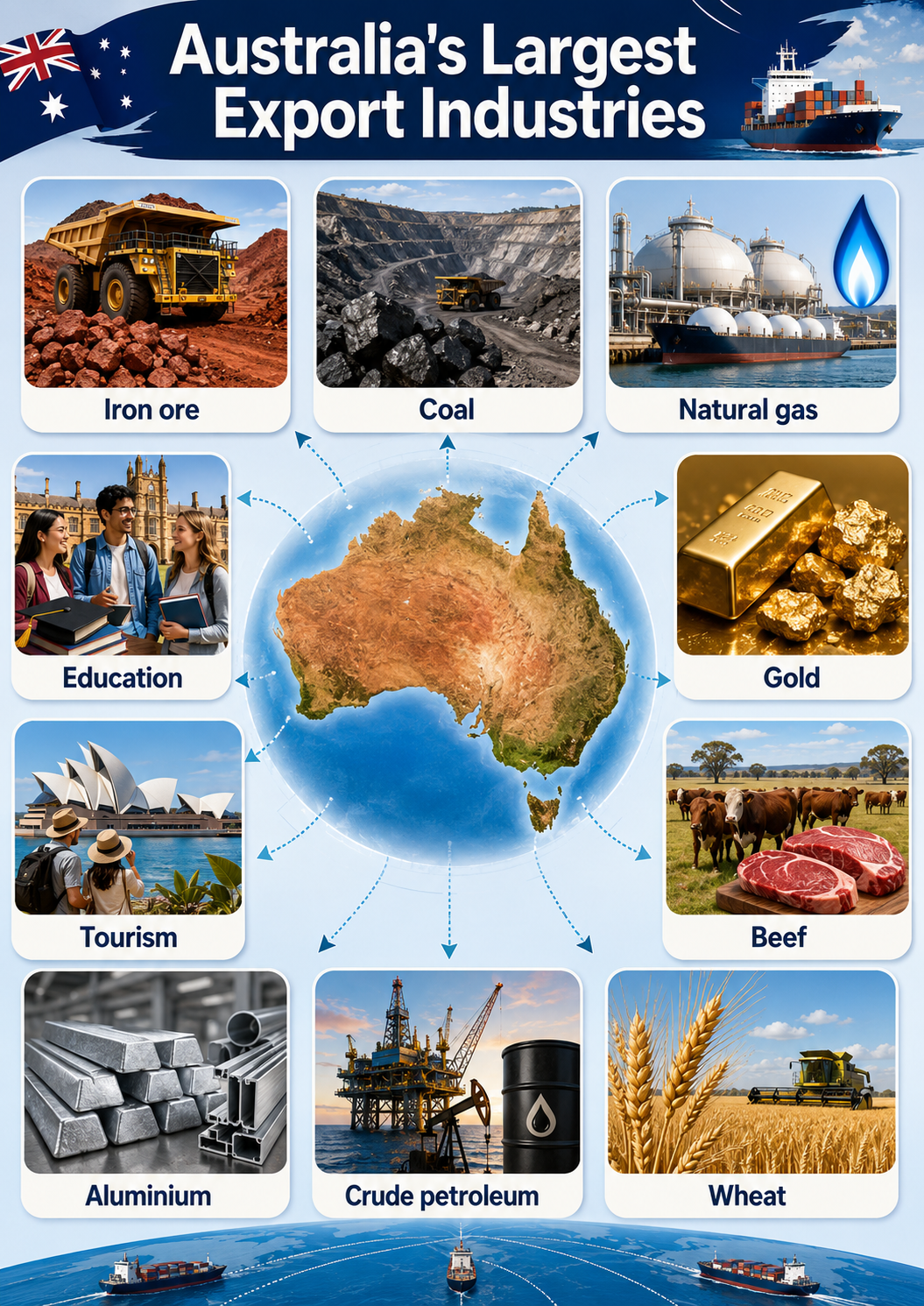
WA example: WA mining, grain, wine, education and tourism businesses can access customers beyond Australia, creating revenue that would not exist if they only served the domestic market.
More choice for consumers
Consumers in the domestic market gain access to a wider range of imported goods and services. This can improve choice, quality and price competition.
Australian example: Australian consumers can buy products from global businesses such as Amazon, Apple, Nike, Shein and Temu, increasing choice and price competition in the domestic market.
Pressure to improve productivity
Global competition forces domestic businesses to become more efficient, innovative and customer-focused. Businesses that adapt may improve quality, reduce costs and become stronger.
Australian example: Australian retailers such as JB Hi-Fi, Kmart and Woolworths have had to improve online shopping, logistics, pricing and customer experience due to global and digital competition.
Increased access to overseas technology
Globalisation allows domestic businesses to access technology developed overseas, including software, machinery, automation, artificial intelligence, payment systems and logistics platforms. This can improve efficiency, reduce costs and help local businesses compete with international rivals.
Australian example: Australian retailers, banks, farms and mining businesses often use overseas-developed technology such as cloud platforms, robotics, automated ordering systems and advanced data analytics to improve productivity.
Negative impacts
Loss of market share and jobs
Domestic businesses may lose sales if cheaper or better foreign products enter the market. This can reduce profits and employment in industries that cannot compete globally.
Australian example: Australian manufacturing has faced pressure from cheaper imported goods, contributing to job losses in some industries over time.
Environmental and social impacts
Greater production, transport and consumption can increase environmental pressure. Domestic markets may also face concerns about sustainability, ethical sourcing and waste.
Business impact: Businesses may need to improve sustainability practices and supply chain transparency to protect their reputation.
Example of how to write this impact in an exam
Globalisation impacts the domestic market by increasing competition from overseas businesses. This can benefit consumers through lower prices and more choice, but it can reduce sales and market share for domestic businesses that cannot compete. As a result, local businesses may need to innovate, reduce costs or improve quality to remain competitive.
🧾 Tax minimisation – tax havens and transfer pricing
Tax minimisation occurs when a business legally structures its operations to reduce the amount of tax it pays. Globalisation makes tax minimisation easier because multinational businesses can operate across several countries, compare tax systems, set up subsidiaries and move payments between different parts of the same business group.
Key tax minimisation terms
In this course, the two main tax minimisation terms are tax havens and transfer pricing. They are closely linked because both can be used by multinational businesses to reduce the amount of tax paid in higher-tax countries such as Australia.
However, they are not the same thing. A tax haven is usually the low-tax country or location where a business may try to record more profit. Transfer pricing is the internal pricing system used when different parts of the same multinational business charge each other for goods, services, loans, royalties or fees.
A simple way to remember the difference is:
Tax havens are about where profit is recorded.
Transfer pricing is about how profit may be shifted.
1. Tax havens — where profit may be recorded
What is a tax haven?
A tax haven is a country or territory with very low tax rates, favourable tax rules, strong privacy protections or special arrangements that make it attractive for businesses to record profits there.
A tax haven does not automatically mean illegal activity. A business may legally operate in a low-tax country if it has real operations there. However, it becomes a concern if the business is mainly using that location to avoid paying tax in the country where the real sales, resources, employees or customers are located.
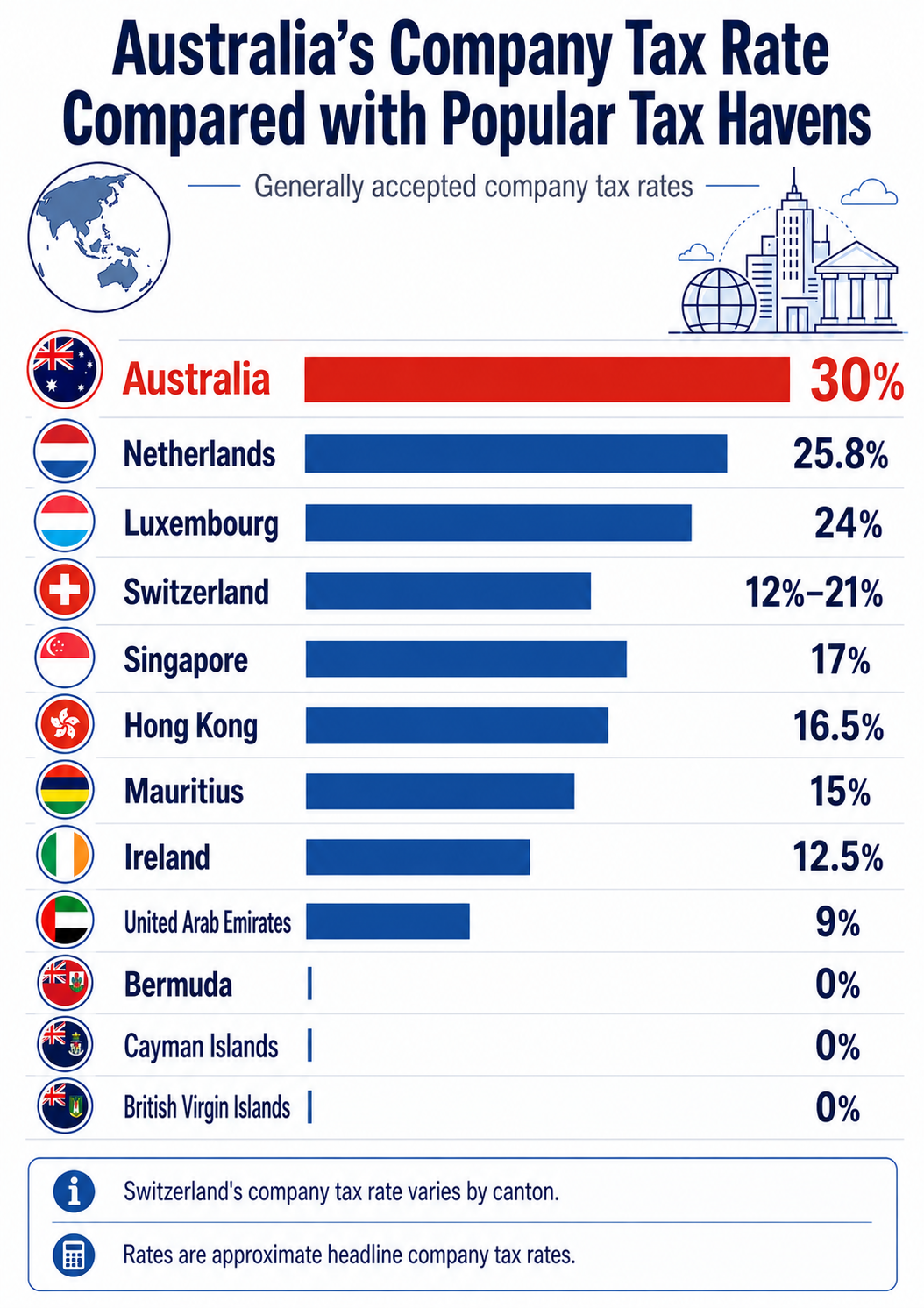
Common low-tax or tax-haven locations used by multinational businesses include: Singapore, Hong Kong, Ireland, the Netherlands, Luxembourg, Switzerland, Bermuda, the Cayman Islands, the British Virgin Islands, Mauritius and the United Arab Emirates.
How businesses use tax havens
A multinational business may set up part of its business in a low-tax country. This may be a real office, a regional head office, or a company that owns important business assets.
Regional headquarters means an office that manages a business’s operations across a region, such as Asia-Pacific.
Marketing hub means a company that helps sell or market products for the wider business group. For example, a mining company may sell Australian resources through a marketing business in Singapore.
Finance company means a company that manages loans or funding for other parts of the multinational business.
Intellectual property company means a company that owns valuable ideas, brands, software, patents or trademarks.
Holding company means a company that owns shares in other companies within the business group.
The tax minimisation issue is that the business may try to have more profit recorded in the low-tax country and less profit recorded in a higher-tax country such as Australia.
Australian case study: BHP and Singapore
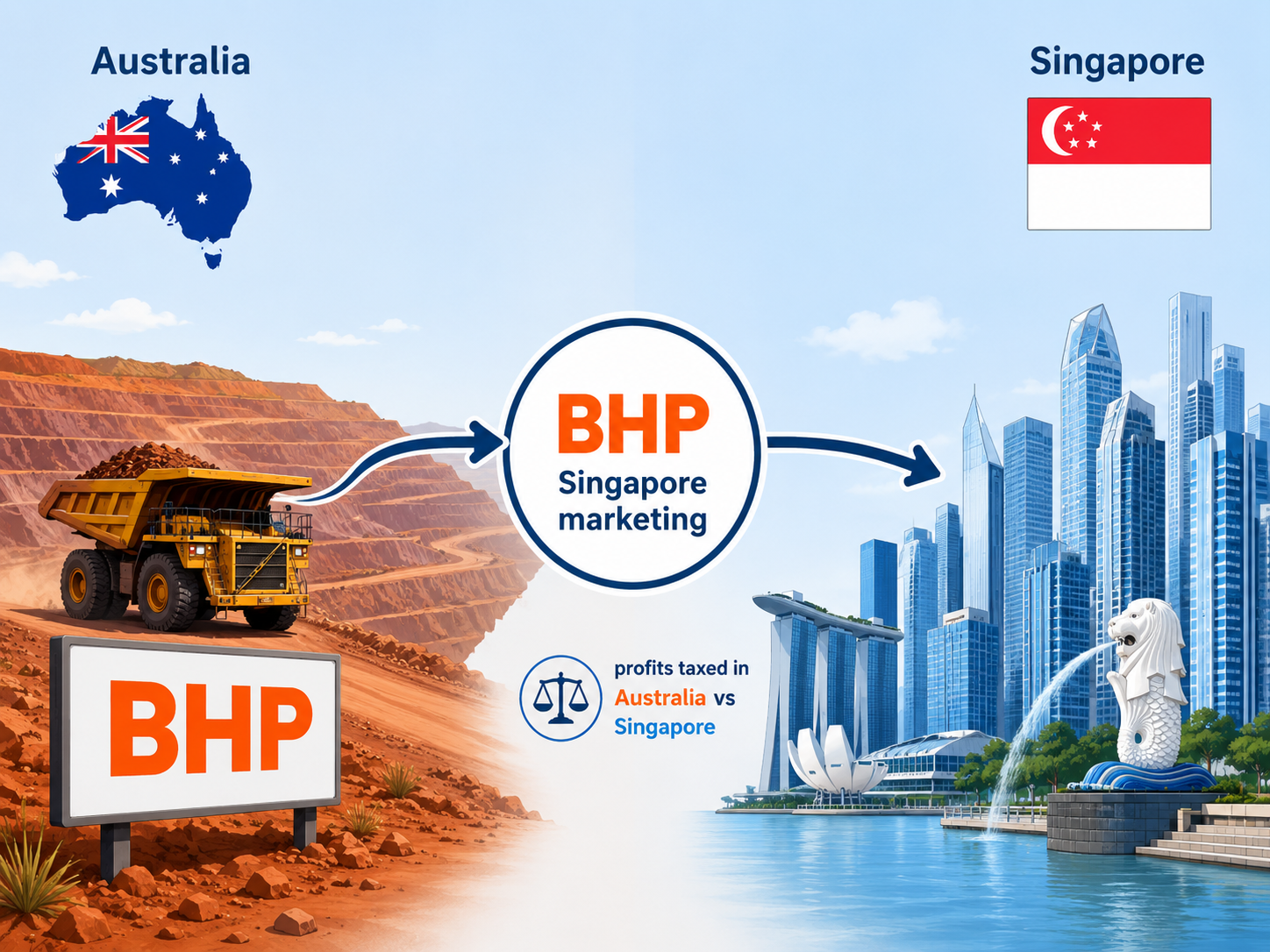
BHP was involved in a long-running dispute with the Australian Taxation Office about profits connected to its Singapore marketing operations. BHP sold Australian commodities through a Singapore marketing business, and the issue was how much profit should be taxed in Australia compared with Singapore.
What happened? BHP reached a settlement with the ATO in 2018. The settlement resolved the dispute for prior years from 2003 to 2018. BHP stated there was no admission of tax avoidance, and the settlement provided certainty about the future tax treatment of its Singapore marketing operations.
Impact: This shows how globalisation can affect tax minimisation because a business can earn money from Australian resources but use an overseas location as part of its global business structure. This can raise concerns about how much tax is paid in Australia, whether the arrangement is fair, and whether the ATO needs to investigate.
A tax haven is the low-tax place where profit may be recorded. The next question is: how does the profit get there? One common method is transfer pricing. This is where related parts of the same multinational business charge each other internal prices for things such as goods, services, loans, royalties or intellectual property.
2. Transfer pricing — how profit may be shifted
What is transfer pricing?
Transfer pricing occurs when different parts of the same multinational business charge each other for goods, services, loans, royalties, management fees or intellectual property. The price they charge each other is called the transfer price.
Students often find this confusing because the two businesses may look separate, but they are actually connected. For example, a multinational business might have one company in Australia, another company in Singapore and another company in the United States. These companies may all be owned or controlled by the same parent company. This means they are related companies within the same multinational group.
Transfer pricing is not automatically illegal. Multinational businesses need internal prices when one part of the business sells to, lends to or provides services to another part of the business. The issue occurs when the internal price is unrealistic and mainly used to shift profit from a high-tax country to a low-tax country.
How transfer pricing works
Transfer pricing works by changing the prices charged between related companies inside the same multinational business group.
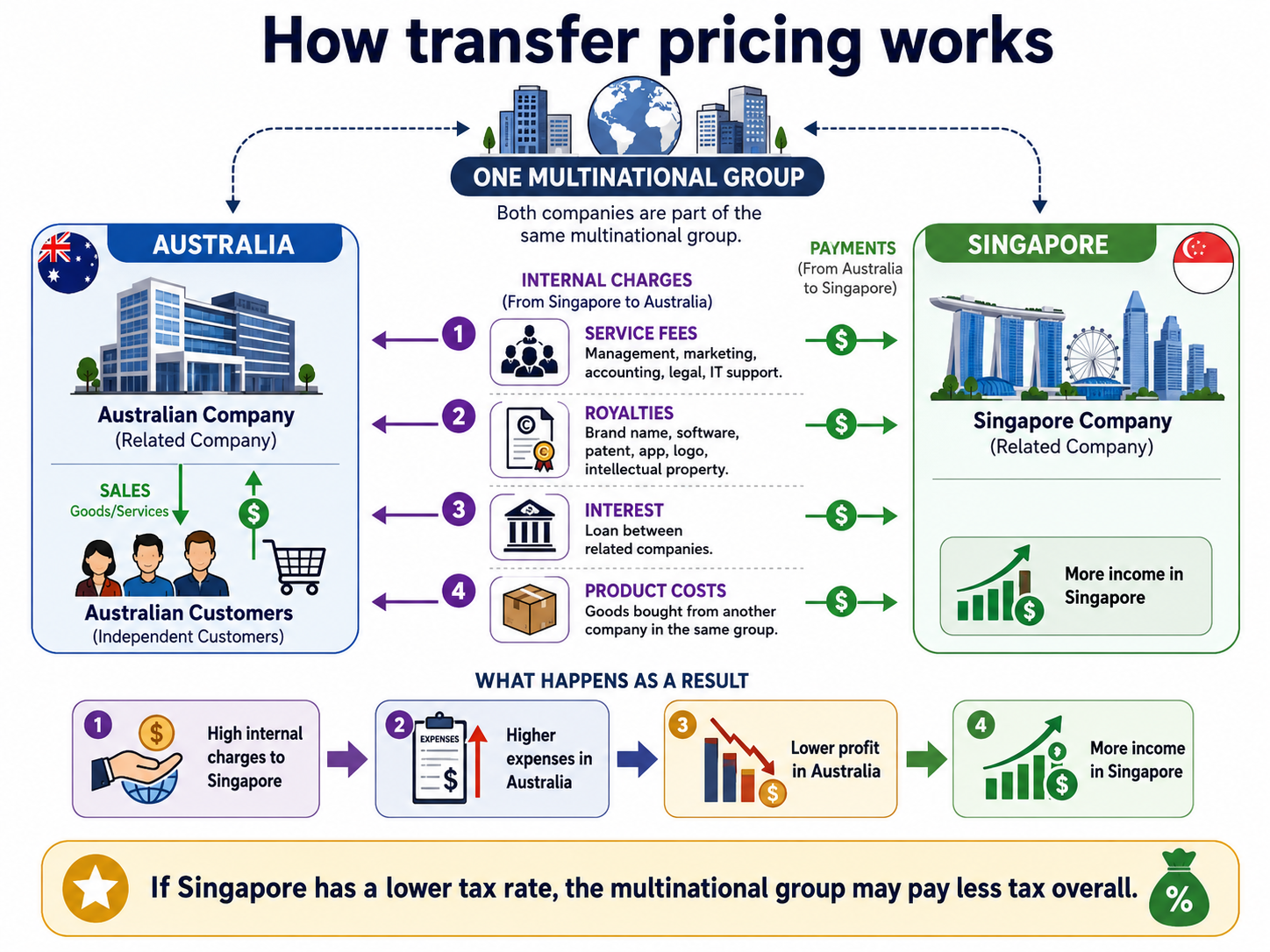
Simple example: imagine a global technology business has an Australian company and a Singapore company. The Australian company makes sales to Australian customers. The Singapore company is owned by the same multinational group.
The Singapore company might charge the Australian company for different things:
- Service fees: money paid for services such as management, marketing, accounting, legal work or IT support.
- Royalties: money paid for using a brand name, software, patent, app, logo or other intellectual property owned by another part of the business.
- Interest: money paid on a loan from one part of the multinational business to another.
- Product costs: money paid when one part of the business buys goods from another part of the same group.
If the Australian company pays very high internal charges to the Singapore company, those payments become expenses in Australia. This reduces profit in Australia. The Singapore company then records more income, and if Singapore has a lower tax rate, the multinational group may pay less tax overall.
Why tax authorities care
Tax authorities care because transfer pricing can reduce the tax paid in the country where the real sales, resources, customers or business activity are located.
This may lead to:
- lower government tax revenue, reducing money available for public services
- unfair competition, because smaller domestic businesses may not be able to use the same global structures
- reputation damage, because customers may believe the business is not paying a fair level of tax
- legal action or ATO scrutiny, if internal prices do not reflect fair market value
Australian case study: Chevron Australia
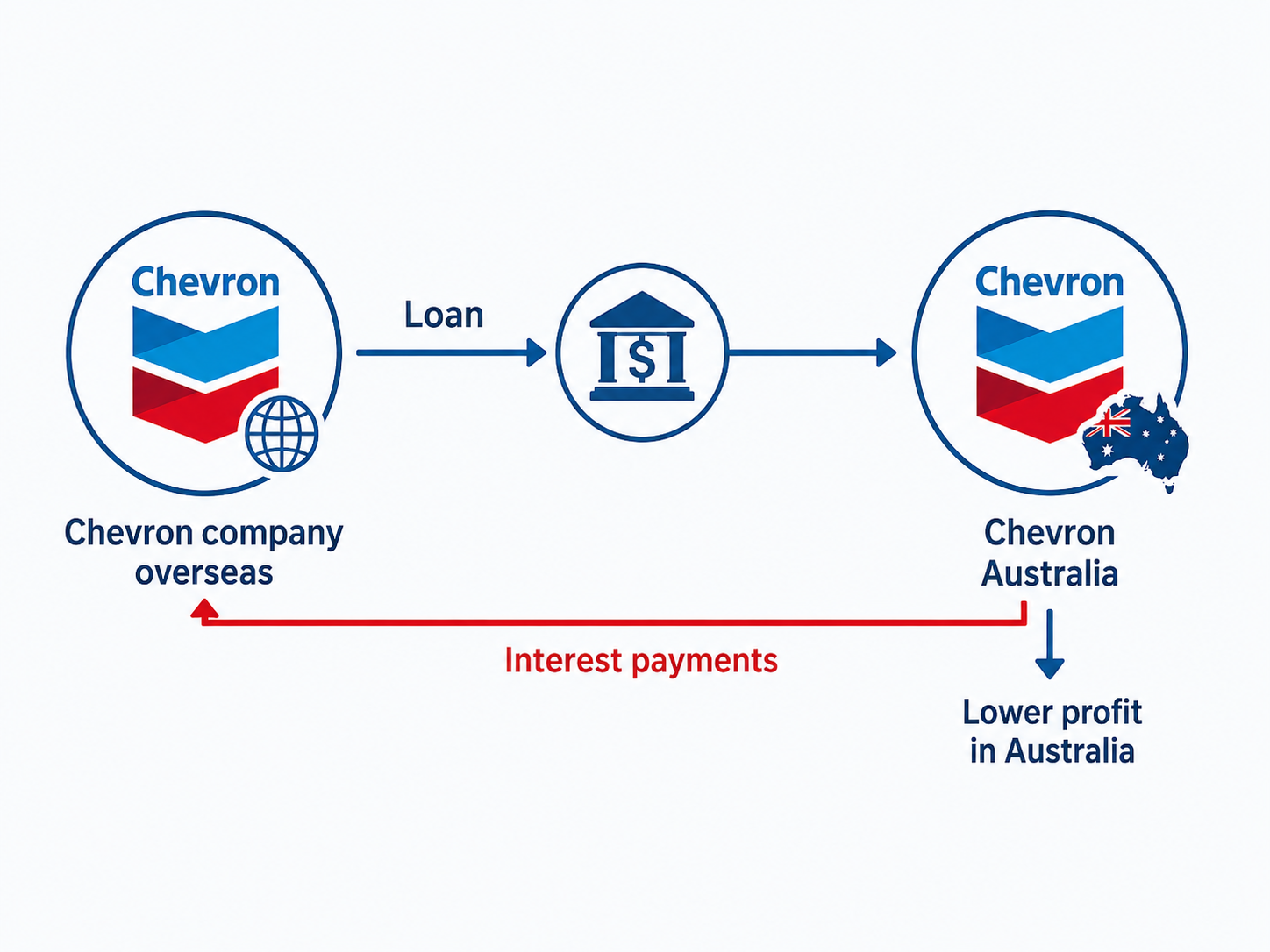
Chevron Australia was involved in a major transfer pricing dispute with the Australian Taxation Office involving a loan between related Chevron companies.
Simple version: one Chevron company overseas lent money to a Chevron company in Australia. The Australian company then paid interest on that loan. Interest is an expense, so the more interest the Australian company paid, the lower its Australian profit became.
The ATO argued that the interest rate was too high and did not reflect what independent businesses would have agreed to in the same situation. In other words, the ATO believed the internal loan arrangement reduced taxable profit in Australia.
What happened? The Full Federal Court dismissed Chevron’s appeal in 2017, meaning the ATO won a major transfer pricing case. This strengthened the ATO’s ability to challenge profit shifting through loans between related companies.
Impact: This shows that transfer pricing can involve loans and interest payments, not just buying and selling physical goods. It also shows that transfer pricing may become a legal issue if the ATO believes the internal price, fee or interest rate is not commercially realistic.
Example of how to write this factor in an exam
Globalisation impacts tax minimisation because multinational businesses can operate in several countries and take advantage of different tax systems. A tax haven is the low-tax location where a business may try to record more profit. This means a business may reduce the amount of profit recorded in a high-tax country such as Australia, which may lead to lower government tax revenue and criticism from the public or the ATO.
Globalisation also allows transfer pricing, which is the internal pricing method used between related parts of the same multinational business. For example, an Australian subsidiary may pay service fees, royalties or interest to an overseas related company. If these internal prices are too high, Australian expenses increase, Australian profit falls and more income may be recorded in a lower-tax country. Therefore, transfer pricing may reduce tax costs for the business, but it may also create ethical concerns, reputation damage and legal scrutiny if the prices do not reflect fair market value.
🎧 Prefer listening?
If you prefer listening to the content in podcast format:
🎥 Prefer watching?
If you prefer watching the content in video format:
🃏 Flashcards
Card 1 of 18
🎮 Revision Games
💰 BME Millionaire
Climb the prize ladder. Use your lifelines wisely.
👔 Business Boss
Make 10 global decisions. Balance jobs, technology, cooperation, competition and tax risk.
⚡ 60 Second Showdown
A varied 60-second challenge covering employment, technology, cooperation, domestic markets and tax minimisation.

Biz Fact: Singapore is a popular low-tax hub because its company tax rate is lower than Australia’s.
Past Exam Questions
Use these past exam questions to see how this dotpoint has been assessed. Pay close attention to the command term, the number of marks and whether the question is Section 1 or Section 2.
Section 1 Questions
2018 — Section 1 — Question 5(b) — 2 marks
Context
David’s Electric Boards and Blades has gained increased recognition for its newly-designed and produced electric skateboards for the Asian market. Recently, David has decided to relocate his manufacturing plant from Australia to Taiwan to capitalise on opportunities to expand his market share.
5(b): Describe a tax minimisation strategy that a global business might adopt. (2 marks)
Command term focus: Describe
Describe: give the main characteristics or features of the tax minimisation strategy.
See the full command term guide here: Command Terms.
5(b) Sample answer
A global business might use transfer pricing. This occurs when different parts of the same multinational business charge each other internal prices for goods, services, loans, royalties or intellectual property. If these prices are set in a way that shifts profit from a high-tax country to a low-tax country, the business may reduce the total amount of tax it pays.
2018 — Section 1 — Question 5(c) — 6 marks
Context
David’s Electric Boards and Blades has gained increased recognition for its newly-designed and produced electric skateboards for the Asian market. Recently, David has decided to relocate his manufacturing plant from Australia to Taiwan to capitalise on opportunities to expand his market share.
5(c): Explain two impacts of globalisation, other than tax minimisation, that might affect David’s operations in Taiwan. (6 marks)
One:
Two:
Command term focus: Explain
Explain: show cause and effect by explaining how two impacts change David’s Taiwan operations and the result.
See the full command term guide here: Command Terms.
5(c) Sample answer
One: Globalisation may impact employment levels because David’s business is relocating manufacturing from Australia to Taiwan. This means the business may create jobs in Taiwan because it will need local workers for production, supervision and logistics. This may lead to lower operating costs for David and higher output for the Asian market.
Two: Globalisation may also impact the global spread of skills and technology. By operating in Taiwan, David’s business may gain access to advanced manufacturing skills, suppliers and production technology. This means the quality and efficiency of electric skateboard production may improve, helping the business compete more effectively in Asia.
2020 — Section 1 — Question 3(a) — 4 marks
Context
Globalisation can be described as the spread of products, technology, information and jobs across borders and cultures.
3(a): Describe two impacts of globalisation. (4 marks)
One:
Two:
Command term focus: Describe
Describe: give the main characteristics or features of two impacts of globalisation.
See the full command term guide here: Command Terms.
3(a) Sample answer
One: Globalisation can impact employment levels because businesses can move production and services across borders. This can create jobs in developing countries where production is outsourced, but may reduce jobs in developed countries if local workers are replaced by overseas labour.
Two: Globalisation can spread skills and technology because businesses, workers and ideas move between countries. This allows new production methods, software, machinery and management knowledge to be transferred across global markets.
2021 — Section 1 — Question 1(b) — 4 marks
Context
The past decade has seen an expansion of business into the global marketplace.
1(b): Analyse the impact globalisation has had on international cooperation. (4 marks)
Command term focus: Analyse
Analyse: identify the variables, explain linked relationships and draw out the implication for international cooperation.
See the full command term guide here: Command Terms.
1(b) Sample answer
Globalisation has increased international cooperation because countries are more connected through trade, investment, supply chains and technology. This means problems in one country can affect businesses and consumers in other countries, so governments need shared rules to reduce uncertainty. Therefore, organisations such as the WTO and free trade agreements have become more important because they help countries cooperate on trade barriers, disputes and market access.
A second relationship is that globalisation has made issues such as climate change, pandemics, cybercrime and tax avoidance harder for one country to manage alone. This means countries are more likely to cooperate through agreements and organisations such as the Paris Agreement, the United Nations, the G20 and the OECD. The implication for businesses is that international cooperation can create clearer rules and greater market access, but it can also increase compliance requirements around labour standards, environmental rules, tax and data protection.
2023 — Section 1 — Question 2(c) — 6 marks
2(c): Explain an impact of globalisation on each of the following. (6 marks)
- Employment levels in developing and developed countries:
- The global spread of skills and technology:
Command term focus: Explain
Explain: show cause and effect for employment and for the spread of skills and technology, including the result.
See the full command term guide here: Command Terms.
2(c) Sample answer
Employment levels in developing and developed countries: Globalisation can increase employment in developing countries because multinational businesses may outsource manufacturing or support services to lower-cost locations. This can create jobs and income in developing economies. However, it can reduce employment in developed countries if production moves offshore, creating structural unemployment for workers whose skills are no longer needed.
The global spread of skills and technology: Globalisation spreads skills and technology because businesses, workers and knowledge move across borders. Multinational businesses may train local workers, introduce new production methods and transfer technology into new markets. This can improve productivity, reduce costs and increase innovation in both developing and developed countries.
2025 — Section 1 — Question 1(b) — 6 marks
Context
Global business development involves expanding a business’ market presence and operations internationally to boost growth and competitive advantage.
1(b): Explain the following two impacts of globalisation. (6 marks)
- Changes in a domestic market:
- International cooperation:
Command term focus: Explain
Explain: show cause and effect for domestic market changes and international cooperation, including the result.
See the full command term guide here: Command Terms.
1(b) Sample answer
Changes in a domestic market: Globalisation can change a domestic market by increasing competition from overseas businesses. This happens because foreign businesses can sell products into the local market through imports, online platforms or international expansion. This may lead to lower prices and more choice for consumers, but can reduce sales and market share for domestic businesses that cannot compete.
International cooperation: Globalisation increases international cooperation because countries become more connected through trade, investment and supply chains. This encourages governments to create trade agreements, WTO rules and shared standards. This can lead to greater market access and more certainty for businesses operating internationally.
Section 2 Questions
2016 — Section 2 — Question 9 — 6 marks
Case study / context
Trepang (also known as sea cucumber) has been fished and traded in northern Australian waters since the 1700s. An Aboriginal and Torres Strait Islander business located in the Northern Territory has demonstrated its sustainability in this market over the past decade. It is now considering business development opportunities in the Asian market due to increased demand for trepang as a gourmet seafood.
In the last few months, the business has improved its understanding of factors affecting business growth and development. The business now needs to conduct a PEST analysis to determine whether to venture into the Asian market. This analysis will address contemporary issues facing a globalised world, including factors driving global business and the resultant impacts.
9: Analyse two possible impacts of globalisation that would impact directly the business’ proposed operations. (6 marks)
Command term focus: Analyse
Analyse: identify the variables, explain linked relationships and draw out the implication. Section 2 requires application to the trepang business.
See the full command term guide here: Command Terms.
9 Sample answer
One possible impact is a change in the domestic market. Globalisation may create stronger demand for trepang in Asia because consumers in overseas markets are more connected to global food trends and premium seafood products. This means the business may have an opportunity to expand beyond the Northern Territory and sell into a larger market. Therefore, revenue may increase, but the business may also need to increase production and manage sustainability carefully.
A second possible impact is international cooperation. If the trepang business enters Asia, it may benefit from trade agreements, clearer export rules and cooperation between Australia and Asian markets. This directly impacts the proposed operations because international cooperation can reduce uncertainty around tariffs, quarantine requirements and market access. However, the business would also need to comply with export regulations and food safety requirements in the Asian market.
2019 — Section 2 — Question 8(b) — 6 marks
Case study / context
Utterly Uggalicious is an Australian business that sells sheepskin boots. Currently the wool for the boots is sourced from Australia and New Zealand to ensure the highest-quality materials are used. The boots are manufactured in Australia and sold locally.
Utterly Uggalicious has been operating for five years and has experienced a huge increase in the demand for its products. It believes this is due to their high quality and ethical production policies.
As the business has become more and more popular, Utterly Uggalicious has had to significantly increase production, employ more staff and look for a bigger manufacturing location. While the business is keen to continue to use Australian and New Zealand materials, it is considering the advantages of moving its production offshore. Hence, the business has started to research the benefits of moving its wool processing and manufacturing to Asia.
In making this strategic decision, the business must also consider the negative human and environmental factors that may impact Utterly Uggalicious. Currently, the business has a corporate social responsibility strategy in place; however, a move to Asia could hinder the business’ ability to follow this strategy.
8(b): Globalisation has impacted international cooperation and domestic markets. Analyse how these might impact Utterly Uggalicious’ decision to move its operations to Asia. (6 marks)
Command term focus: Analyse
Analyse: explain linked relationships and the implication for Utterly Uggalicious’ offshore decision. Section 2 requires application.
See the full command term guide here: Command Terms.
8(b) Sample answer
International cooperation may support Utterly Uggalicious’ decision to move operations to Asia because trade agreements and stronger links between countries can make offshore manufacturing easier. This means the business may be able to process wool and manufacture boots at a lower cost if Australia and Asian countries have clearer trade rules, lower barriers and more reliable supply chain arrangements. However, international cooperation can also create expectations around labour standards, environmental rules and ethical sourcing, which matters because Utterly Uggalicious has built its brand around high quality and ethical production.
Domestic market changes may also affect the decision because globalisation increases competition in Australia. If cheaper imported footwear is available in the domestic market, Utterly Uggalicious may feel pressure to reduce costs by moving production to Asia. This could help the business remain price competitive and meet higher demand. However, moving production offshore could weaken its Australian-made brand image and damage customer trust if consumers believe the business has moved away from its ethical production policies.
2024 — Section 2 — Question 7(b) — 6 marks
Case study / context
Jessica and Lexi, who are based in Western Australia, own a start-up technology company called Jesi Technical Solutions (JTS). The business specialises in cloud storage, and the owners are planning to expand overseas. To facilitate this plan, Jessica has analysed consumer spending and tax considerations across many regions. She has selected Southeast Asia as their initial foreign market due to its strong demand for cloud storage, particularly within the rapidly growing online shopping sector. Jessica and Lexi are also aware of the generous home and host government incentives for foreign trade. They have discovered that Vietnam, one of the next-generation Asian high-growth economies, is offering a significant grant of up to USD 700 000 for new technology businesses. Jessica and Lexi are thinking of using this grant to establish their first Southeast Asian branch.
As a start-up, Jessica and Lexi are analysing the impacts of globalisation carefully. By opening offices in emerging markets and hiring local talent, they plan to make a contribution to global prosperity. To ensure a positive global image, the business adheres to the World Trade Organisation’s international trade regulations. Jessica and Lexi encourage both their employees and consumers to share information and work together to spread new technologies around the world. Their commitment to cross-border collaboration enhances technological progress beyond their business mission.
When making global business decisions, Jessica and Lexi place a strong emphasis on ethical considerations. Central to their approach is a commitment to environmental sustainability, driving them to constantly explore and adopt eco-friendly practices within their operations. Moreover, they meticulously assess the ethical implications of outsourcing and employing workers from different countries and strive to uphold fairness and integrity across their entire supply chain. This dedication to ethical conduct not only aligns with their values, but also fosters trust and transparency in their business practices on a global scale.
7(b): Explain the impact of globalisation on tax minimisation for JTS, in relation to tax havens and transfer pricing. (6 marks)
Command term focus: Explain
Explain: show cause and effect for tax havens and transfer pricing, including the result for JTS. Section 2 requires application.
See the full command term guide here: Command Terms.
7(b) Sample answer
Globalisation may impact tax minimisation for JTS because operating across borders gives the business more options to use different tax systems. A tax haven is the low-tax destination where JTS may want profit to be recorded. For example, JTS could theoretically locate some intellectual property, cloud storage services or related business activity in a lower-tax country rather than recording all profit in Australia or Vietnam. This may reduce tax costs, but it may also create ethical and reputational risks because JTS is trying to maintain trust, fairness and integrity.
Globalisation may also allow transfer pricing, which is the pathway used to move profit between related parts of the same multinational business. If JTS operates an Australian head office and a Southeast Asian branch, it could charge internal fees for cloud storage technology, software licensing, management services or intellectual property. If these internal prices were manipulated, profits could be shifted to a lower-tax country. This may reduce tax costs, but it may also attract scrutiny from tax authorities and conflict with JTS’s ethical approach to global business.