
U4.19 — Leadership Traits Needed in a Cross-Cultural Setting
Overview
Dotpoint 19: leadership traits needed in a cross-cultural setting.
Leadership traits are personal qualities and capabilities that help a leader guide, influence and support others effectively.
In a cross-cultural setting, leaders work with people who may have different languages, values, expectations, communication styles and attitudes to authority. The seven traits in this dotpoint help leaders respond to those differences more effectively.
The seven traits to focus on are:
- skilled communicator
- socially aware
- skilled decision maker
- future thinker
- self-discipline
- responsible
- motivational

💬 Skilled communicator
What is the trait?
A skilled communicator exchanges information clearly and accurately through speaking, writing, listening and appropriate non-verbal communication.
How is it used cross-culturally?
The leader adapts communication to different languages and cultural expectations by using plain language, listening carefully, checking understanding, adjusting tone and body language, and using interpreters or translated material when needed.
What does this look like in practice?
An Australian manager leading a team in Japan may send key information before a meeting, avoid slang and idioms, explain expectations clearly, allow employees time to respond, and follow up important decisions in writing to confirm everyone has the same understanding.
Effect on the business
Clearer communication reduces misunderstandings and conflict, builds trust and improves coordination, helping employees and other stakeholders work more effectively toward business objectives.
Skilled communicator — real-life example
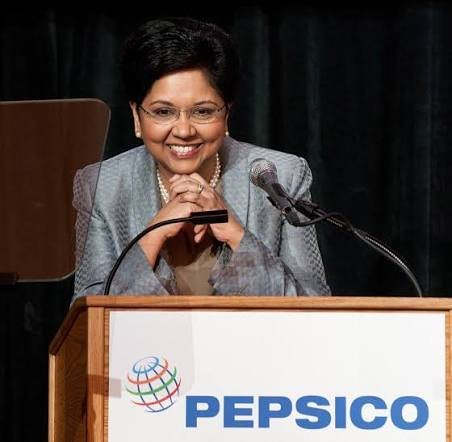
Real-life example — Indra Nooyi: As PepsiCo CEO, Nooyi led a major multinational business operating across many cultures. She was widely known for careful listening, clear communication and explaining long-term strategic change to employees and stakeholders.
This makes her a useful example of how communication helps a global leader align diverse people behind a common direction.
How to write this in an exam
A skilled communicator exchanges information clearly and accurately through speaking, writing, listening and appropriate non-verbal communication. In a cross-cultural setting, the leader should adapt language, tone and communication methods to suit different cultural expectations and check that messages have been understood. For example, an Australian manager leading employees in Japan could avoid slang, provide key information before meetings and confirm important decisions in writing. This reduces misunderstandings, builds trust and improves coordination across the international team.
🌍 Socially aware
What is the trait?
A socially aware leader recognises and understands the feelings, needs, relationships and expectations of other people.
How is it used cross-culturally?
The leader researches cultural norms, listens to local employees, observes behaviour and recognises that expectations about hierarchy, relationships, humour, feedback and acceptable behaviour may differ between cultures.
What does this look like in practice?
An Australian manager negotiating in Indonesia may spend more time building relationships before discussing the deal, seek advice from local employees about appropriate business etiquette, and avoid assuming that Australian communication norms will be interpreted in the same way.
Effect on the business
Greater social awareness reduces offence and misunderstanding, strengthens trust and helps the leader build more effective relationships with employees, customers and business partners.
Socially aware — real-life example
Real-life example — Satya Nadella: Microsoft’s CEO is often associated with empathy and listening as leadership strengths. In a global business, that mindset helps leaders understand different employee and customer perspectives rather than assuming one approach will suit everyone.

How to write this in an exam
A socially aware leader recognises and understands the feelings, needs, relationships and expectations of other people. In a cross-cultural setting, the leader should research local norms, listen to local employees and avoid assuming that behaviour acceptable in Australia will be interpreted the same way overseas. For example, an Australian manager entering Indonesia could seek advice about relationship-building and business etiquette before negotiating with local partners. This can reduce offence, strengthen trust and improve long-term stakeholder relationships.
🧠 Skilled decision maker
What is the trait?
A skilled decision maker identifies the problem, gathers relevant information, evaluates alternatives, selects an appropriate course of action and reviews the outcome.
How is it used cross-culturally?
The leader considers different laws, values, customer expectations and stakeholder priorities, gathers local information and decides whether consultation or rapid direction is most appropriate in the situation.
What does this look like in practice?
Before choosing between two Asian locations for a new branch, an Australian leader may compare labour costs, local regulations, customer demand and advice from local managers rather than making the decision using Australian information alone.
Effect on the business
Better decision-making reduces risk, improves the quality and acceptance of decisions and increases the likelihood that decisions will be implemented successfully.
Skilled decision maker — real-life example
Real-life example — Alan Joyce during Qantas international operations: Leading a global airline requires decisions that consider regulation, safety, customers, employees and operations across many countries. The example illustrates why global decisions need reliable information, clear priorities and an understanding of different stakeholder expectations.

How to write this in an exam
A skilled decision maker gathers relevant information, compares alternatives and selects an appropriate course of action. In a cross-cultural setting, the leader should consider local laws, stakeholder expectations and cultural values rather than relying only on information from the home country. For example, before choosing an overseas location, the leader could compare regulation, labour conditions, customer demand and advice from local managers. This reduces risk and increases the likelihood that the final decision will be accepted and implemented successfully.
🔭 Future thinker
What is the trait?
A future thinker anticipates change, identifies emerging opportunities and risks, and prepares the business for long-term success.
How is it used cross-culturally?
The leader considers how global markets, technology, customer preferences, demographics, regulation and cultural expectations may change over time in different countries.
What does this look like in practice?
An Australian retailer planning expansion into Asia may monitor changing digital shopping habits, population trends and local consumer preferences, then invest early in technology, employee skills and products that are likely to be important in the future.
Effect on the business
Future thinking encourages proactive action, supports innovation and helps the business remain competitive and relevant as international markets change.
Future thinker — real-life example
Real-life example — Jensen Huang: NVIDIA’s long-term investment in accelerated computing and AI is a useful example of future-focused leadership. The broader lesson is that global leaders need to anticipate where technology and markets may move before competitors do.

How to write this in an exam
A future thinker anticipates change and prepares the business for future opportunities and risks. In a cross-cultural setting, the leader should consider how technology, regulation, customer preferences and demographics may change differently across global markets. For example, an Australian retailer entering Asia could monitor changing digital-shopping habits and invest early in relevant technology and staff capabilities. This helps the business respond proactively, innovate and maintain long-term international competitiveness.
🎯 Self-discipline
What is the trait?
Self-discipline is the ability to control emotions and behaviour, remain organised and act consistently even under pressure.
How is it used cross-culturally?
The leader remains calm when communication is difficult, avoids impulsive reactions, shows patience, maintains professional standards and responds consistently and respectfully across different cultural situations.
What does this look like in practice?
During a tense negotiation with an overseas supplier, an Australian leader may listen without interrupting, avoid reacting emotionally to criticism, take time to consider the other party’s position and respond calmly with evidence rather than frustration.
Effect on the business
Self-discipline reduces emotional conflict, gives stakeholders confidence in the leader and supports more rational and consistent decisions.
Self-discipline — real-life example
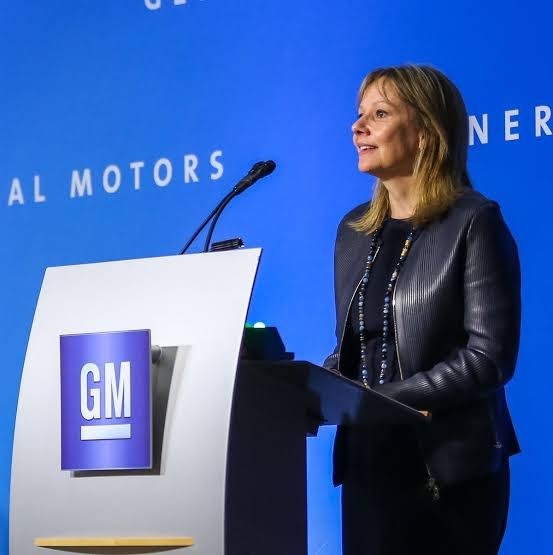
Real-life example — Mary Barra: General Motors Chair and CEO Mary Barra leads a complex global automotive business and is widely associated with disciplined, methodical leadership under pressure. Her role requires consistent decision-making across manufacturing, technology, regulation and international markets.
How to write this in an exam
Self-discipline is the ability to control emotions and behaviour and remain consistent under pressure. In a cross-cultural setting, the leader should remain calm when communication is difficult, avoid impulsive reactions and show patience when unfamiliar behaviour creates frustration. For example, during a difficult international negotiation, the leader could listen carefully and respond with evidence rather than reacting emotionally. This reduces conflict, builds confidence and supports more rational business decisions.
🛡️ Responsible
What is the trait?
A responsible leader accepts accountability for decisions and considers the effects of those decisions on employees, customers, communities and other stakeholders.
How is it used cross-culturally?
The leader respects local laws and standards, protects human rights, considers environmental and social impacts, takes ownership of mistakes and avoids unethical behaviour even where local practices differ.
What does this look like in practice?
An Australian fashion business sourcing from overseas may require suppliers to meet workplace safety and labour standards, investigate breaches and change suppliers if minimum ethical standards are not met.
Effect on the business
Responsible leadership reduces ethical and legal risk, protects trust and reputation and supports more sustainable long-term relationships.
Responsible — real-life example
Real-life example — Paul Polman: As Unilever CEO, Polman became closely associated with sustainability and stakeholder responsibility. His leadership is a useful example of considering long-term social and environmental consequences alongside commercial performance.

How to write this in an exam
A responsible leader accepts accountability and considers the effects of decisions on different stakeholders. In a cross-cultural setting, the leader should respect local laws while also maintaining appropriate ethical, environmental and human-rights standards. For example, an Australian business sourcing overseas could investigate unsafe labour practices and require suppliers to meet minimum workplace standards. This reduces legal and reputation risk and helps the business build sustainable long-term stakeholder relationships.
🚀 Motivational
What is the trait?
A motivational leader inspires and encourages employees to commit effort, persist and perform in support of the business vision and objectives.
How is it used cross-culturally?
The leader recognises that public praise, private recognition, autonomy, teamwork, job security, career opportunities and financial rewards may have different value for different employees and cultures.
What does this look like in practice?
A manager leading employees in several countries may ask local teams what forms of recognition they value, then use a combination of career development, team recognition, individual praise and financial rewards rather than applying one incentive system everywhere.
Effect on the business
When motivation is culturally and individually appropriate, employee effort, morale, cooperation, productivity and retention are more likely to improve.
Motivational — real-life example
Real-life example — Richard Branson: Virgin is a global group and Branson is often associated with enthusiasm, recognition and employee-focused leadership. He is a useful example of how leaders can create energy and commitment around a shared business purpose.

How to write this in an exam
A motivational leader inspires employees to commit effort toward the business vision and objectives. In a cross-cultural setting, the leader should recognise that employees may value different forms of recognition, autonomy, job security or financial reward. For example, a global manager could ask local teams what they value and use a mix of career development, team recognition and incentives rather than one reward system everywhere. This can improve morale, productivity, commitment and employee retention.
🎧 Prefer listening?
If you prefer listening to the content in podcast format:
🎥 Prefer watching?
If you prefer watching the content in video format:
🃏 Flashcards
Card 1 of 10
🎮 Revision Games
💰 BME Millionaire
Climb the prize ladder. Use your lifelines wisely.
👔 Business Boss
Make 10 real management decisions. Every choice changes your KPIs — sometimes for better and worse.
⚡ 60 Second Showdown
A fast-paced 60-second challenge testing key BME knowledge under pressure.

Biz Fact: Sundar Pichai at Google leads teams spread across many countries, making clear communication and calm decision-making especially important.
Past Exam Questions
Use these past exam questions to see how this dotpoint has been assessed. Pay close attention to the command term, the number of marks and whether the question is Section 1 or Section 2.
Section 1 Questions
2016 — Section 1 — Question 6(b) — 6 marks
Context
‘The management of any workforce requires effective leadership and the ability to continuously change and adapt. To operate in an international setting, organisations need human resource and management strategies that value and recognise their demographically and culturally diverse workforces.’
6(b): Justify two leadership traits that are the most effective in assisting leaders in a cross-cultural setting. (6 marks)
Command term focus: Justify
Justify: make a claim, support it with balanced reasons and show why the conclusion is appropriate.
See the full command term guide here: Command Terms.
6(b) Sample answer
Skilled communicator: This is one of the most effective traits because a global leader must communicate across possible language differences and different expectations about tone, feedback and non-verbal behaviour. A skilled communicator can use plain language, listen actively and check understanding, reducing the risk that instructions or negotiations are misunderstood. This can improve trust, coordination and decision implementation. However, communication alone is not enough if the leader does not understand the cultural context of the people receiving the message.
Socially aware: This is also highly effective because the leader needs to recognise different cultural expectations, relationships and social norms before choosing how to behave. Social awareness helps the leader avoid offence, adapt interactions and understand why employees or business partners may respond differently. This can strengthen trust and long-term relationships. However, the leader must avoid turning cultural knowledge into stereotypes and should still respond to the actual individuals involved.
2017 — Section 1 — Question 3(b) — 3 marks
Context
The board of MIXT Enterprises is looking to expand operations internationally and employ a new management team.
3(b): Explain one leadership trait needed in a cross-cultural setting. (3 marks)
Command term focus: Explain
Explain: show cause and effect by explaining why or how something happens and the result.
See the full command term guide here: Command Terms.
3(b) Sample answer
One important trait is being a skilled communicator, which means exchanging information clearly and accurately through speaking, writing and active listening. In a cross-cultural setting, MIXT’s managers may need to adapt language, tone and communication methods because employees and stakeholders may interpret words, gestures or feedback differently. In practice, a manager could use plain language, avoid slang, listen carefully and confirm important decisions in writing. This reduces misunderstanding and will lead to better coordination and stronger trust as MIXT expands internationally.
2018 — Section 1 — Question 1(a) — 6 marks
Context
Great leaders have vision and integrity and can be described as being outstanding strategic planners. However, these leadership qualities are sometimes not enough for successful business decision-making in a global environment. It is equally important for leaders to be ethical to ensure long-term management success in their businesses.
1(a): Describe three leadership traits that are beneficial for successful management in a cross-cultural setting. (6 marks)
Command term focus: Describe
Describe: give the main characteristics or features with enough detail to show what it is like.
See the full command term guide here: Command Terms.
1(a) Sample answer
Skilled communicator: communicates clearly through speaking, writing and active listening, adapting language and checking understanding when working with culturally diverse employees.
Socially aware: recognises cultural expectations, relationships and different social norms, helping the leader avoid inappropriate behaviour and build trust.
Responsible: accepts accountability and considers legal, ethical, social and stakeholder consequences when making decisions in different countries.
2019 — Section 1 — Question 5(d) — 4 marks
Context
Sersee Designs is an interior design business operating in a global market. It is undergoing organisational change, including a recent leadership restructure, and is experiencing some resistance to change from its employees.
5(d): Select one leadership trait and justify its need in a cross-cultural setting. (4 marks)
Command term focus: Justify
Justify: make a claim, support it with balanced reasons and show why the conclusion is appropriate.
See the full command term guide here: Command Terms.
5(d) Sample answer
Sersee Designs would benefit from a skilled communicator. During organisational change, employees need clear information about the restructure and opportunities to ask questions. In a cross-cultural workforce, language differences and different expectations about feedback or authority can increase misunderstanding, so the leader should use plain language, listen actively and check understanding. This can reduce uncertainty and resistance while building trust in the change process. However, communication must be supported by genuine consultation and appropriate action; clear messages alone will not remove resistance if employee concerns are ignored.
2022 — Section 1 — Question 4(a) — 6 marks
Context
International business competitiveness involves using technologies effectively while also being able to mobilise and lead global teams.
4(a): Explain two leadership traits that are required in a cross-cultural setting. (6 marks)
Command term focus: Explain
Explain: show cause and effect by explaining why or how something happens and the result.
See the full command term guide here: Command Terms.
4(a) Sample answer
Socially aware: A socially aware leader recognises and understands the feelings, needs, relationships and cultural expectations of other people. This is required in a cross-cultural setting because behaviour that is considered appropriate in one culture may be interpreted differently in another. In practice, the leader could research local norms, listen to local employees and seek advice before important meetings or negotiations. As a result, unnecessary offence is reduced and trust and cooperation within the global team can improve.
Motivational: A motivational leader inspires and encourages employees to commit effort toward the organisation’s goals. This is required cross-culturally because employees may value different forms of recognition, autonomy, teamwork, security or financial reward. In practice, the leader could ask local teams what they value and use a mix of career opportunities, recognition and incentives rather than applying one reward system everywhere. As a result, morale, productivity and commitment can increase.
2024 — Section 1 — Question 5(a) — 6 marks
Context
A culturally-aware leader who performs well in cross-cultural settings requires certain leadership styles and traits.
5(a): Outline why the following leadership traits are needed for a cross-cultural setting. (6 marks)
Socially aware:
Future thinker:
Self-discipline:
Command term focus: Outline
Outline: state the main point and briefly clarify the key idea.
See the full command term guide here: Command Terms.
5(a) Sample answer
Socially aware: needed because leaders must recognise different cultural expectations, behaviours and relationship norms. In practice, they can research local norms and listen to local employees, helping avoid offence and build trust.
Future thinker: needed because global leaders must anticipate changes in overseas markets, technology, regulation and customer preferences. This allows the business to prepare early rather than react after competitors or market conditions have already changed.
Self-discipline: needed because cross-cultural communication and negotiation can create uncertainty or frustration. Remaining calm, professional and consistent reduces conflict and supports more rational decisions.
Section 2 Questions
2021 — Section 2 — Question 6(a) — 4 marks
Case study / context
Laffitaya is an Australian business that produces high-end hiking and camping clothing. The clothing offers protection from all weather elements that hikers may encounter. It offers insulation, breathable technology, waterproof performance and is lightweight for all hiking and camping conditions. The manufacturing process of the clothing is labour intensive to ensure the garments meet the quality controls of Laffitaya’s management.
The Chief Executive Officer (CEO) of Laffitaya, Quinn, is looking to expand into the Asian market by merging with a Singaporean outdoor supplies business, ExDex Outdoors. The news of the merger has caused many employees in both businesses to be nervous, as they have heard rumours about potential job losses, leadership restructuring and changes to policy in relation to leave entitlements and daily procedures. There has also been talk of increased financial costs associated with the merger, which is creating concern among employees.
Harrison, the operations manager at Laffitaya, is travelling to Singapore to meet with the team at ExDex Outdoors to implement the processes that are used in Australia to ensure the highest standards are maintained in the production of the clothing. Harrison is very efficient and always meets quality control targets. He is also known for his direct nature and tends to talk down to staff, making decisions alone rather than having open communication with his team.
Laffitaya’s CEO, Quinn, is concerned that Harrison may not be aware of cultural considerations required to conduct successful business negotiations in Singapore. Quinn has therefore organised a meeting with Harrison to discuss potential communication strategies to ensure that the best outcome for Laffitaya is achieved.
6(a): Describe two leadership traits that Harrison or Quinn should implement in a cross-cultural setting. (4 marks)
Command term focus: Describe
Describe: give the main characteristics or features with enough detail to show what it is like.
See the full command term guide here: Command Terms.
6(a) Sample answer
Skilled communicator: Harrison should communicate clearly, listen actively and check understanding when meeting ExDex employees. Rather than talking down to staff, he should use respectful language, allow questions and explain Laffitaya’s quality procedures carefully so the Singaporean employees understand the changes.
Socially aware: Harrison or Quinn should recognise different cultural expectations about communication, hierarchy and relationships. They should observe local practices, seek advice from ExDex employees and avoid assuming that the Australian way of communicating will automatically be accepted in Singapore.
2023 — Section 2 — Question 7(d) — 12 marks
Case study / context
Giacomo and Chris own a number of wellness centres around Australia. The centres’ philosophy and corporate slogan is ‘Commit to a healthy lifestyle’. The centres include spaces for Pilates, yoga and personal training, as well as a dedicated nutrition area, where clients can complete educational courses on food and participate in cooking classes. They have found having a one-stop location for their clients has led to success in their businesses across Australia.
After successfully expanding throughout Australia, Giacomo and Chris have decided it is time to enter the South-East Asian market. They have sourced locations to open their wellness centres and are in the final decision-making process for staffing and branding. They are also keen to replicate the same experiences that their Australian customers receive.
Chris and Giacomo believe the South-East Asian market has great growth potential; they have chosen places to which many Australians have relocated. With the right marketing strategies, Chris and Giacomo believe this planned expansion will be very successful.
They think the demand in South-East Asia for the wellness centres will be very high as two out of every five adults are classified as overweight, with the need for diet and exercise interventions becoming higher by the day. As a result of their research on South-East Asia, they believe they have found a gap in the market, as their closest competitors are wellness resorts and not separate wellness centres.
It was decided that Giacomo would relocate to South-East Asia to implement the policy and procedures of the Australian branches. Giacomo is very assertive in his instructions; however, he maintains a motivational approach with his employees, gathering their opinions on minor decisions to help them feel a part of the business. Giacomo is very self-disciplined and wants to learn additional skills in his leadership journey to ensure the centres will succeed in the South-East Asian locations.
7(d): Advise Giacomo of three other leadership traits he needs to adopt for the wellness centres to be successful in this cross-cultural setting. (12 marks)
Command term focus: Advise
Advise: recommend what should be done, briefly explain why and state the likely effect.
See the full command term guide here: Command Terms.
7(d) Sample answer
1. Giacomo should become a skilled communicator. He will need to explain Australian policies and procedures to employees in South-East Asia while also listening carefully to local staff. He should use clear language, avoid ambiguous expressions and check understanding rather than assuming that a direct Australian communication style will always be interpreted as intended. The effect of this recommendation is fewer misunderstandings, stronger trust and more consistent implementation of the wellness centres’ procedures.
2. Giacomo should develop stronger social awareness. Before replicating the Australian customer experience, he should learn about local expectations around health, relationships, communication and customer service and seek advice from local employees. This will help him recognise where Australian practices may need adjustment. The effect of this recommendation is a more culturally appropriate service, stronger employee and customer relationships and a lower risk of causing offence or misunderstanding.
3. Giacomo should become a future thinker. He should look beyond the initial launch and consider future changes in South-East Asian customer preferences, health trends, competition, regulation and technology. He can then adapt services, training and marketing before problems emerge. The effect of this recommendation is stronger long-term competitiveness and a greater chance that the centres remain relevant as the market develops.