
U1.20 — Strategies for Managing Customer Relationships
Overview
Dotpoint 20: Strategies for managing customer relationships, including customer loyalty and early adopter incentive
Managing customer relationships focuses on building long-term connections with customers so they continue purchasing from the business over time.
This dotpoint focuses on two strategies:
- Customer loyalty — keeping customers coming back.
- Early adopter incentives — encouraging customers to try something new early.
The strategies can work together: a business may first attract customers with an early incentive and then use loyalty strategies to retain them over time.
🔁 Customer Loyalty
Customer loyalty refers to a customer’s willingness to repeatedly purchase from the same business over time, even when competitors exist.
Businesses build loyalty by rewarding repeat behaviour and making customers feel valued. The goal is repeat purchasing, not one-off sales. A strong loyalty strategy gives customers a reason to keep choosing the business again and again, helping the relationship continue beyond the first transaction.
How businesses build loyalty
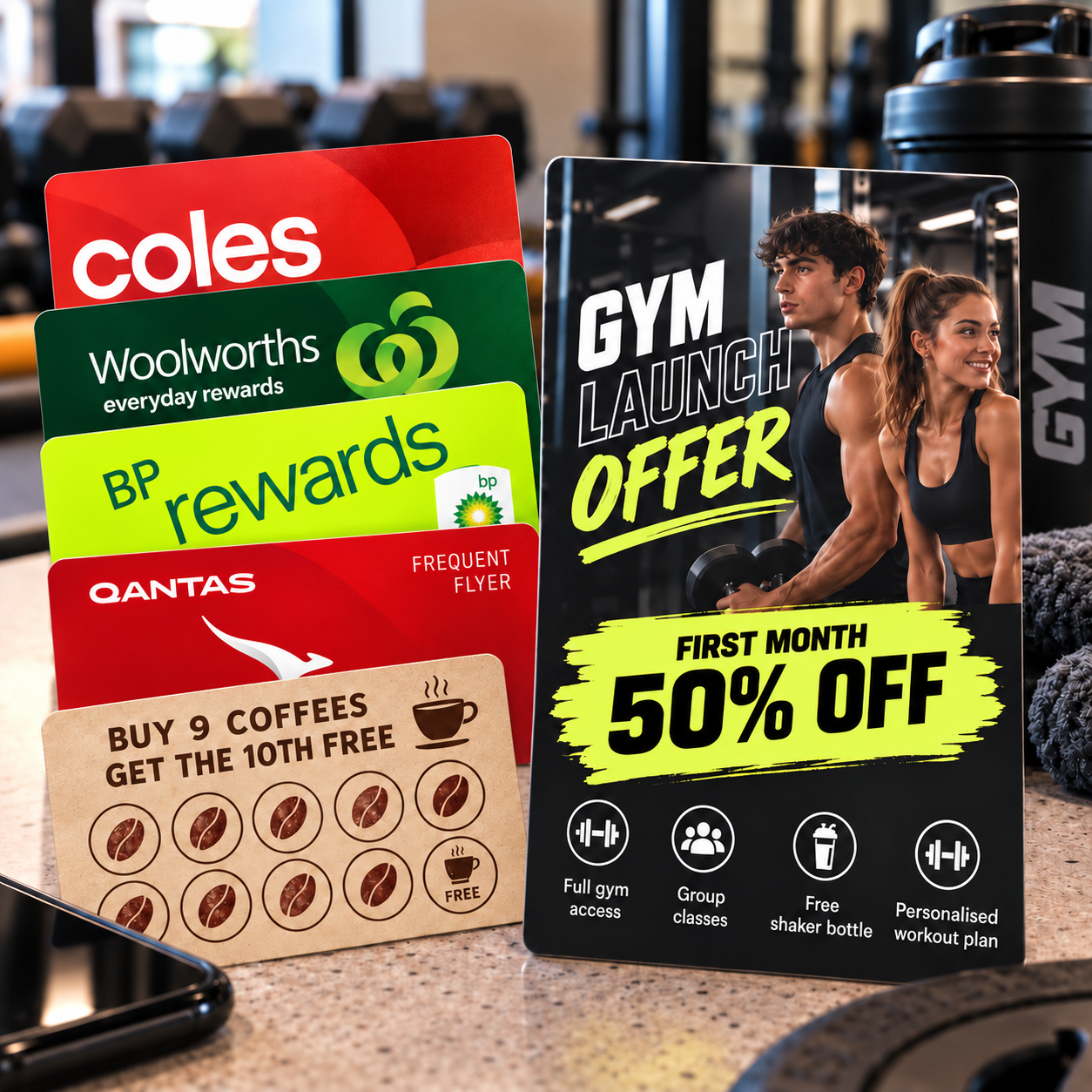
- Loyalty programs: points, rewards, vouchers and freebies that give customers a reason to return.
- Memberships / subscriptions: weekly or monthly plans that encourage repeat use and ongoing commitment.
- Exclusive offers: members-only deals or early access to specials that make customers feel rewarded.
- Consistency: providing the same quality and service standard each time so customers know what to expect.
- Personalisation: tailored offers based on past purchases or preferences, which can make the customer feel recognised and understood.
These strategies aim to strengthen the customer relationship over time so the business is not relying only on constantly attracting new buyers.
Why businesses use loyalty strategies
- Encourages repeat purchases and steadier revenue, which can make sales less unpredictable.
- Reduces reliance on constantly finding new customers, which is often more expensive than retaining existing ones.
- Increases customer lifetime value — how much one customer spends over time — which can improve long-term profitability.
Limitations
- Lower profits: rewards and discounts can reduce margins if they are too generous.
- Incentive-only loyalty: some customers stay only for deals rather than genuine brand attachment.
- Hard to stand out: many competitors use similar programs, so the strategy may not feel unique.
- Cost and complexity: systems, apps and administration can be difficult for small businesses to manage effectively.
Examples
- Coles: Flybuys rewards customers with points that can be redeemed for discounts and other rewards.
- Woolworths: Everyday Rewards gives customers points, member prices and personalised offers to encourage repeat shopping.
- McDonald’s: MyMacca’s Rewards allows customers to earn points through the app and redeem them for free food and drinks.
- 7-Eleven: the My 7-Eleven app offers fuel price lock and promotional offers to encourage customers to return.
- BP: BP Rewards allows customers to earn rewards when purchasing fuel and other eligible products.
- Caltex: Caltex Rewards offers points and member promotions to encourage repeat fuel and convenience-store purchases.
- Boost Juice: the Vibe Club rewards repeat customers with offers and rewards through its app.
- Local cafés: many cafés use “buy 9 coffees, get the 10th free” loyalty cards to encourage customers to return regularly.
- Goodlife Health Clubs: memberships encourage customers to remain with the gym over a longer period rather than paying for individual visits.
- Hoyts: Hoyts Rewards provides members with discounts, offers and rewards to encourage repeat cinema visits.

Example of how to write this in an exam
Customer loyalty is a customer’s willingness to repeatedly purchase from the same business over time. For example, Woolworths uses Everyday Rewards to give customers points, member prices and personalised offers. This encourages shoppers to continue returning to Woolworths because they receive ongoing value each time they shop. As a result, the business may increase repeat purchases and customer lifetime value. However, Woolworths must ensure the program remains financially worthwhile because rewards and discounts can reduce profit margins if they are too costly.
🚀 Early Adopter Incentives
Early adopter incentives are rewards offered to customers who are among the first to try a new product, service or business.
Early adopters take a risk because the product or service is new. Businesses therefore use incentives to reduce hesitation and build momentum quickly. These incentives make the new offer feel more appealing and can help a business attract customers at a time when awareness, trust and reviews may still be limited.
Common early adopter incentives
- Discounted launch pricing: a cheaper price for the first customers, which lowers the cost of trying something new.
- Founding member deals: limited offers for the first 50 or 100 customers, helping create urgency.
- Free upgrades / bonus features: extras included for early users, making the first offer feel more valuable.
- Free trials: customers can try the product or service before paying, reducing perceived risk.
- Priority access: early booking, early stock access or VIP treatment that rewards customers for joining early.
Because the offer is new, these incentives are often used to quickly generate attention, trust and a first group of customers.
Why businesses use early adopter incentives
- Builds a customer base quickly during launch, helping the business gain traction.
- Creates word-of-mouth and social media attention, which can spread awareness beyond the initial customers.
- Generates early reviews, feedback and credibility, which can make later customers more confident about buying.
Limitations
- Lower early revenue: discounts reduce income when costs may still be high.
- Pricing expectations: customers may resist price rises later if they become attached to the launch price.
- Deal-seekers: some customers join only for incentives and then leave once the offer ends.
- Change risk: early customers may be disappointed if the product, price or offer later changes.
Examples
- New gyms and studios: discounted founding memberships for the first customers.
- New cafés and restaurants: opening-week specials to attract first-time customers quickly.
- Start-ups: free trials or discounted subscriptions for early users to build reviews and feedback.
- New product launches: early access and bonus extras for the first buyers.


Example of how to write this in an exam
Early adopter incentives are rewards offered to customers who are among the first to try a new product, service or business. For example, a new gym may offer discounted founding memberships to its first 100 customers. This lowers the risk of joining an unfamiliar business and helps the gym quickly build members, reviews and word-of-mouth during launch. However, the business may earn less revenue at the start and may also create price expectations that are difficult to change later.
🔗 How the Two Strategies Work Together
Early adopter incentives help a business attract customers at the start. Customer loyalty strategies help the business retain those customers long-term.
Example — New Gym
A new gym may initially offer a discounted founding membership to its first 100 customers. This helps the business attract members during launch and build awareness. Once customers have joined, the gym can use reliable service, member-only offers and ongoing membership benefits to encourage customers to remain long-term.
The key is balance: incentives can grow the customer base quickly, but they must not damage long-term profitability.
Example of how to write this in an exam
A business can combine early adopter incentives with customer loyalty strategies. For example, a new gym may first use a discounted founding membership to encourage customers to join during launch. After attracting these customers, it can use memberships, consistent service and exclusive member offers to encourage them to remain with the gym. The early incentive therefore supports customer acquisition, while loyalty strategies support retention and repeat revenue over time.
🎧 Prefer listening?
If you prefer listening to the content in podcast format:
🎥 Prefer watching?
If you prefer watching the content in video format:
🃏 Flashcards
Card 1 of 14
🎮 Revision Games
💰 BME Millionaire
Climb the ladder by mastering customer relationship strategies.
🔄 Attract or Retain?
Classify each scenario as customer loyalty or an early adopter incentive.
⚡ 60 Second Showdown
Rapid-fire questions on customer loyalty and early adopter incentives.

Biz Fact: Buy 9 get 1 free? That’s psychology, not generosity.