
Year 11 BME ATAR + Year 12 BME General
How to use this page
- This page is designed for both Year 11 BME ATAR and Year 12 BME General.
- Each dotpoint links to its own page with clear notes, audio, visuals, flashcards, and revision games.
- After the online content, use the workbook to practise and consolidate the key skills and questions for that topic.

Semester 1 — Unit 1
Environments (PEST)
10 dotpoints
Dotpoint
1
types of business ownership in SMEs
- sole traders
- partnerships
- small proprietary companies
- not-for-profit organisations
- franchises

Dotpoint
2
Australian consumer law in relation to misleading and deceptive conduct in business marketing activity
- bait advertising
- scientific claims
- country of origin

Dotpoint
3
consumer rights and protection
- product safety (Australian Standards)
- guarantees, warranties and refunds
- repair and replace

Dotpoint
4
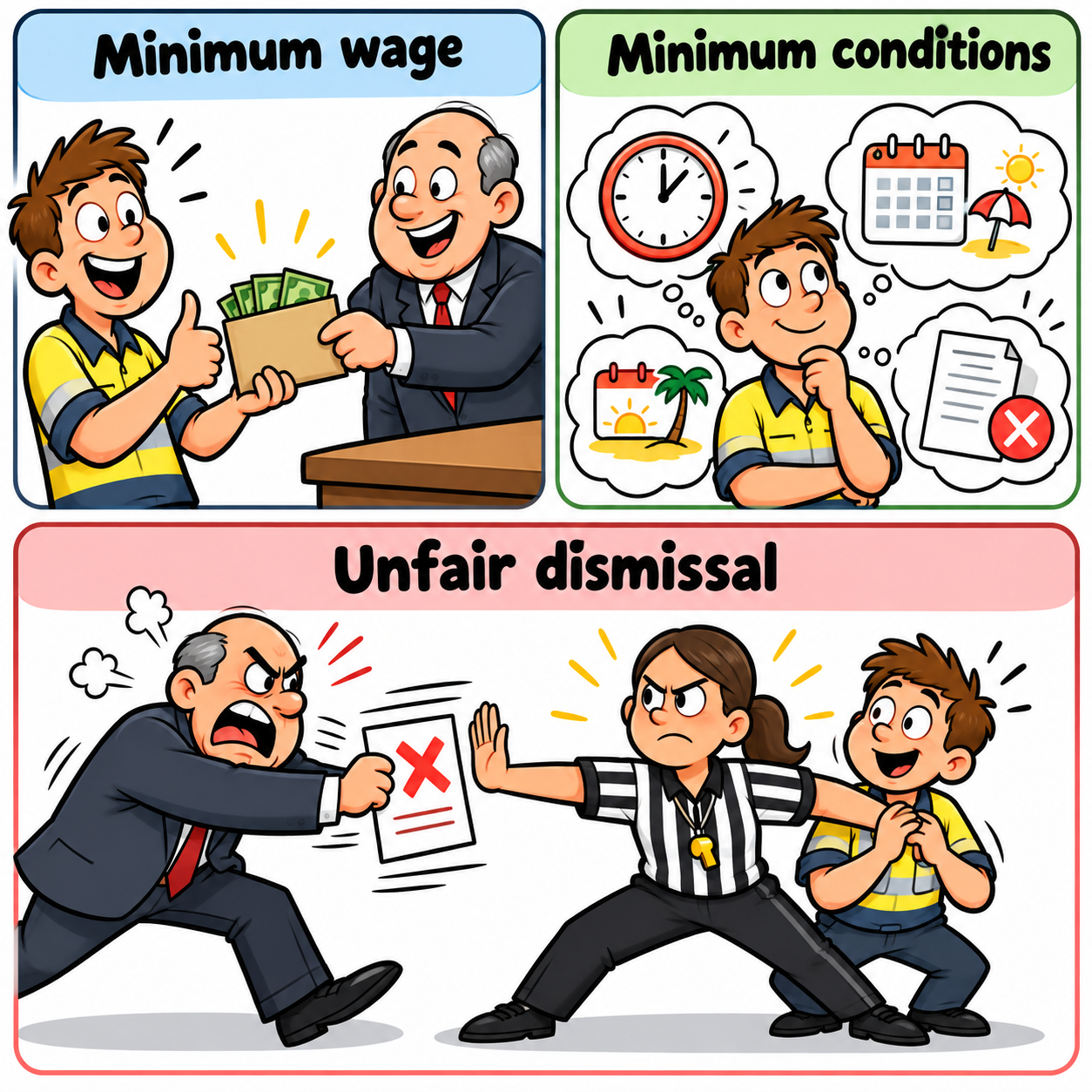
national employment standards for employment contracts
- minimum wage
- minimum working conditions
- unfair dismissal
Dotpoint
5
key elements of a contract
- intention
- agreement (offer and acceptance)
- consideration

Dotpoint
6
legal requirements of contracts
- capacity
- consent
- legal purpose

Dotpoint
7
impact of economic factors on business function
- inflation
- interest rates
- availability of skilled and unskilled labour
- unemployment rates

Dotpoint
8
the concept of business public image
Dotpoint
9
methods of raising business public image
- corporate sponsorship
- donations
Dotpoint
10
positive and negative impacts on business image of environmental issues
- climate change
- pollution
- energy use
- animal testing

Management — Marketing
11 dotpoints
Dotpoint
11
the concepts of market and marketing

Dotpoint
12
differences between market size and market share

Dotpoint
13
key elements of a marketing plan
- market position
- competitor analysis
- target market analysis
- marketing goals
- marketing strategy
- marketing mix

Dotpoint
14
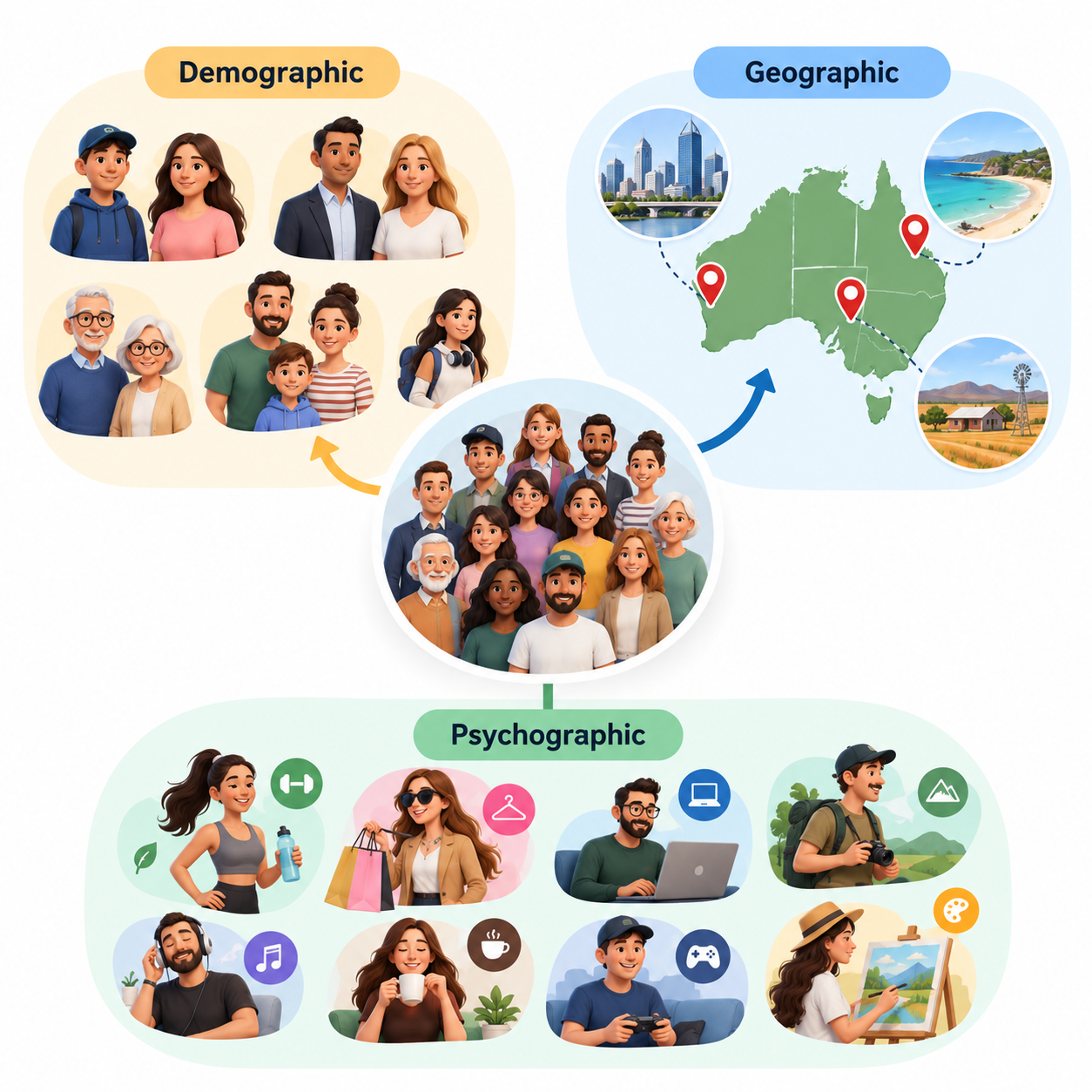
characteristics of market segmentation
- demographic
- geographic
- psychographic (lifestyle and behaviour)
Dotpoint
15
key features of the market research process
- collection of primary and secondary data
- data analysis

Dotpoint
16
the concept of the marketing mix

Dotpoint
17
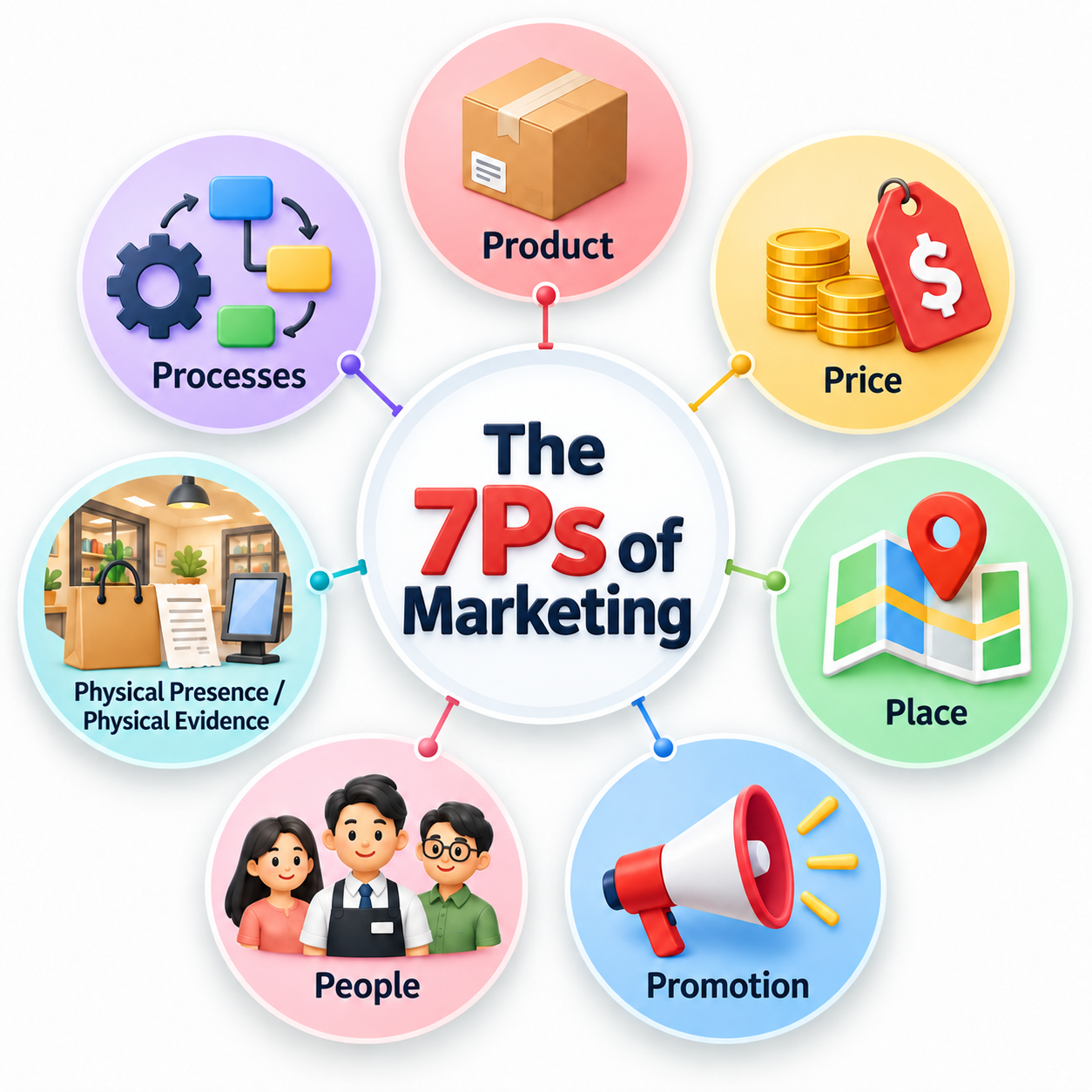
elements of the marketing mix
- product
- price
- place
- promotion
- people (employees)
- processes
- physical presence of the business
- performance
Dotpoint
18
the use of customer profiling to determine customer needs and expectations

Dotpoint
19
the use of competitor profiling to determine competitor product range, prices and marketing strategies

Dotpoint
20
strategies for managing customer relationships
- customer loyalty
- early adopter incentive

Dotpoint
21
the use of technologies to facilitate promotional activities
- online advertising
- social media
- mobile applications
- e-newsletters
- e-commerce

Management — Operations
3 dotpoints


People
1 dotpoint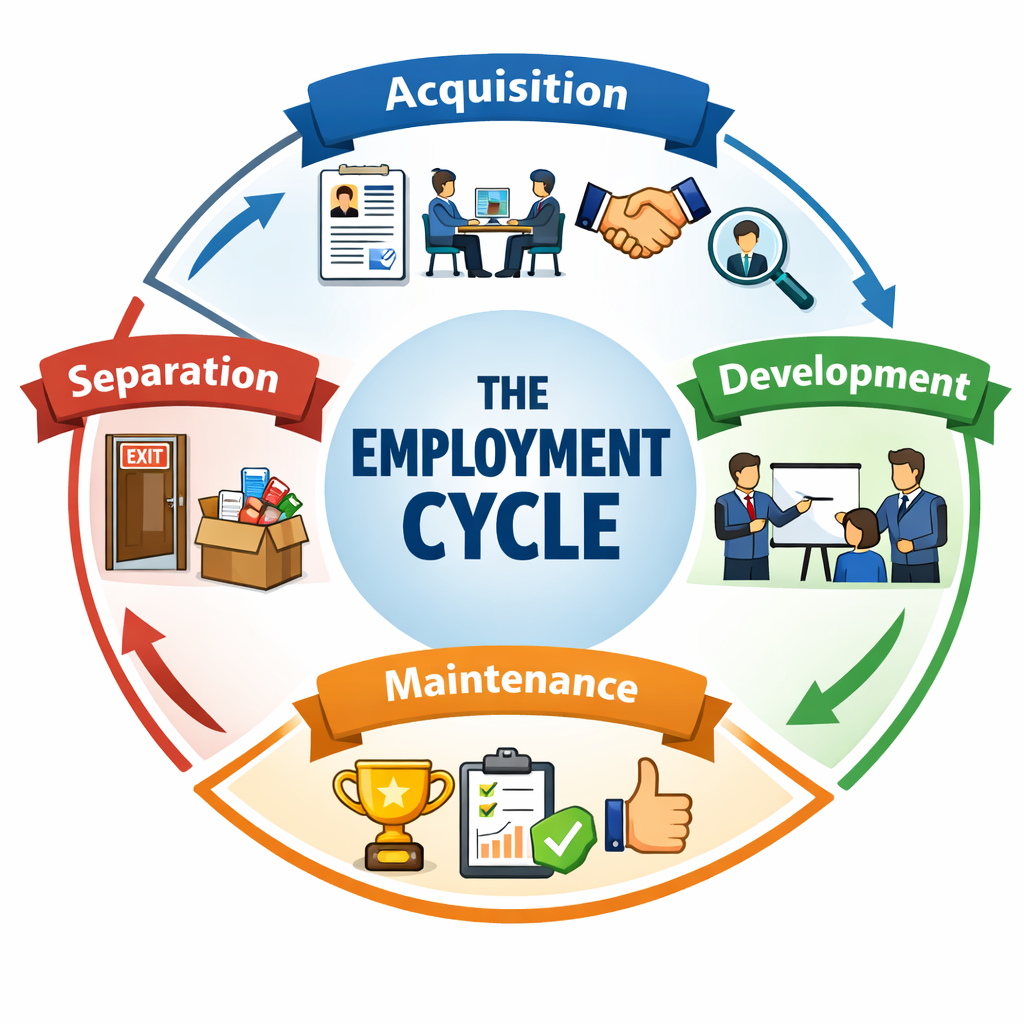
Semester 2 — Unit 2
Environments (PEST)
10 dotpoints
Dotpoint
1
factors that influence spending patterns of small to medium sized enterprises (SME) and consumers
- the level of economic activity
- prevailing community social norms, including attitudes to business public image and sustainability

Dotpoint
2
issues related to the marketing and promotion of the following products
- alcohol
- tobacco
- fast food

Dotpoint
3
intent and purpose of the Equal Opportunity Act 1984 (WA)

Dotpoint
4
employee protections at work as provided by the Fair Work Act 2009

Dotpoint
5
intent and purpose of the Work Health and Safety Act 2020 (WA)
- responsibility of an employer within the Work Health and Safety Act 2020 (WA)
- responsibility of an employee within the Work Health and Safety Act 2020 (WA)

Dotpoint
6
influence of government policy on the following
- product labelling
- trading hours
- advertising practices to children

Dotpoint
7
the concept of intellectual property (IP)

Dotpoint
8
purpose of IP laws in Australia

Dotpoint
9
types of intellectual property registrations
- copyright
- patents
- trademarks
- designs

Dotpoint
10
process for Australian IP registration

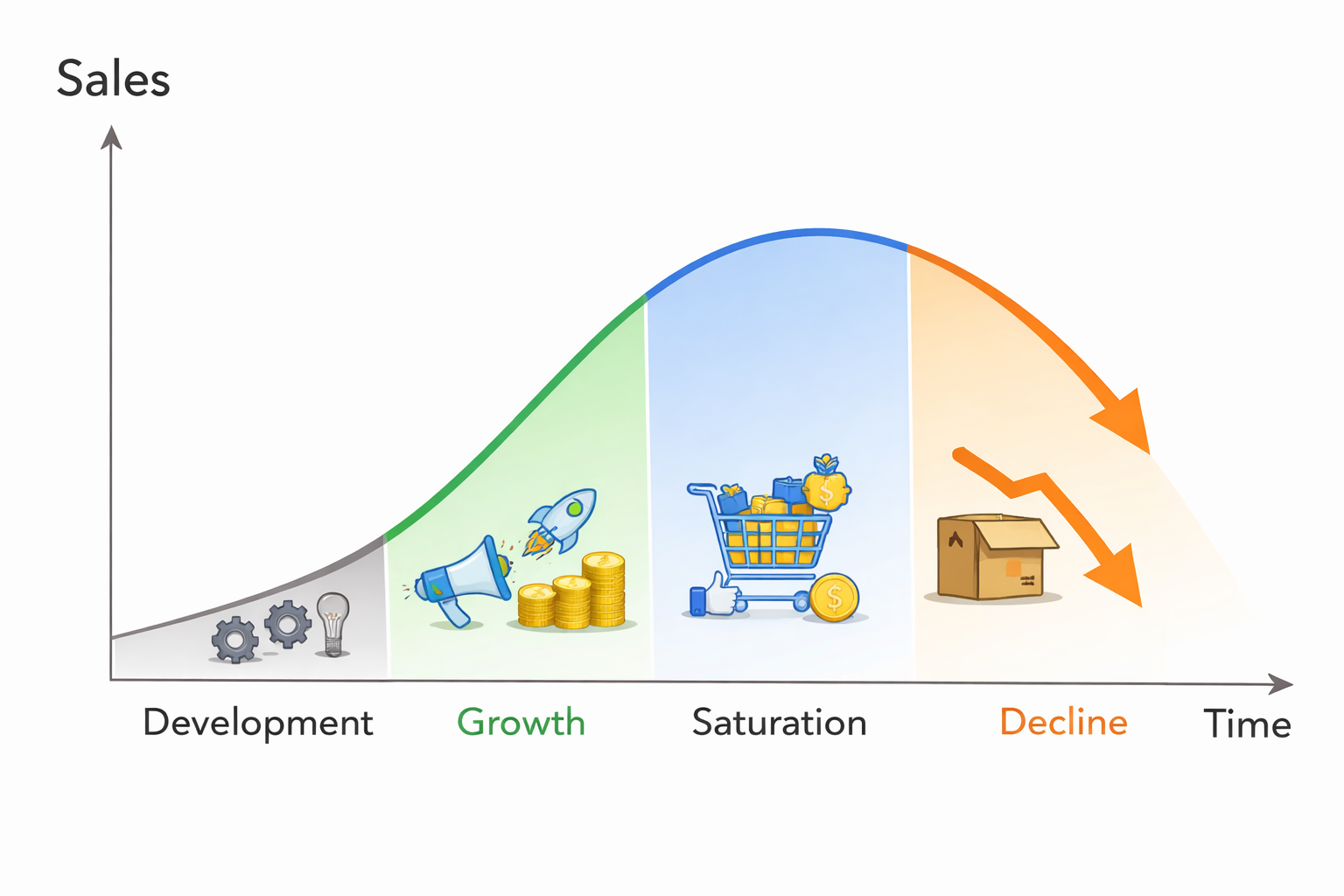
Management — Marketing
3 dotpoints

Management — Operations
6 dotpoints
Dotpoint
14
purpose and intent of a business plan
Dotpoint
15
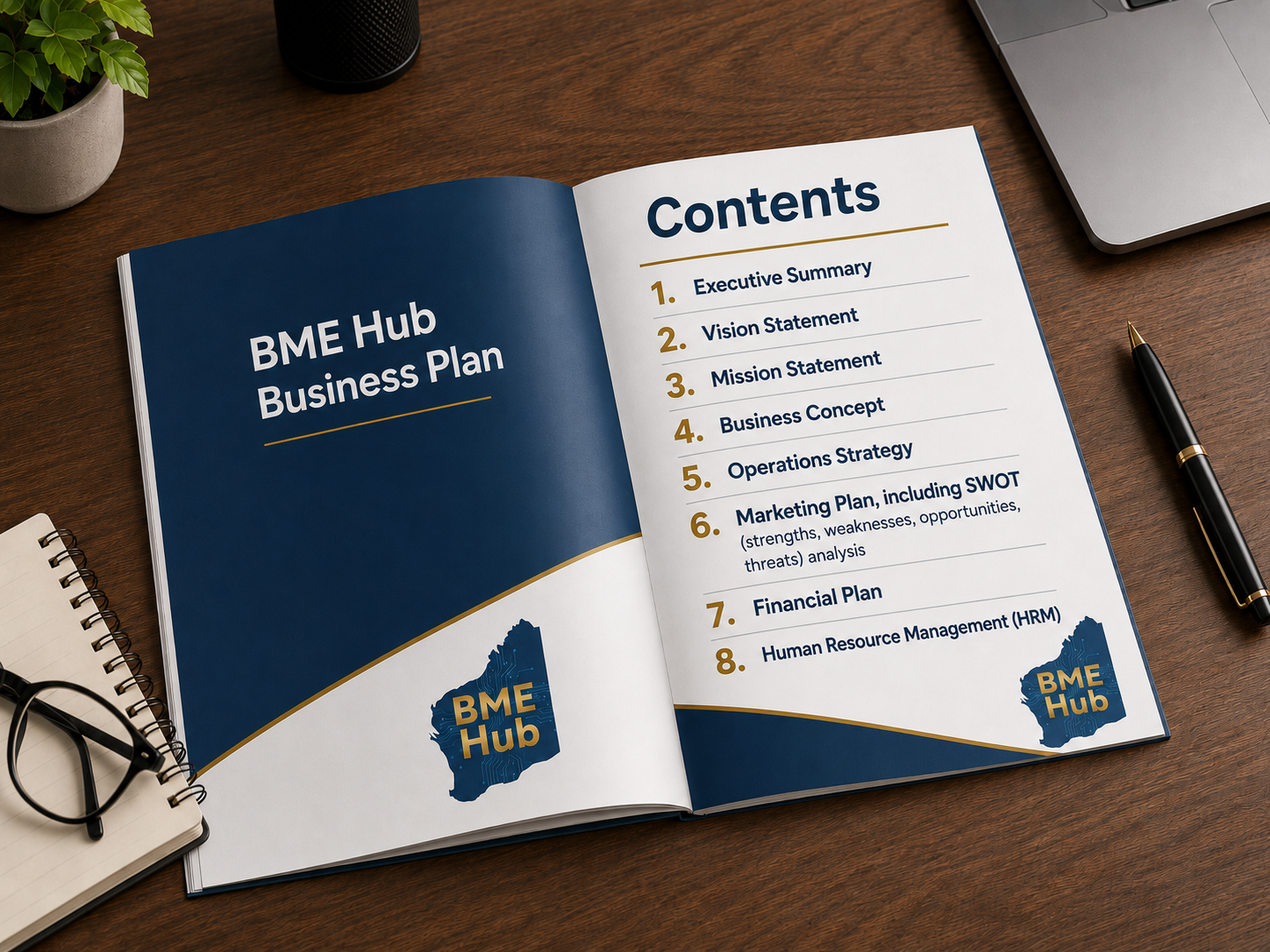
key elements and structure of a business plan
- executive summary
- vision statement
- mission statement
- business concept
- operations strategy
- marketing plan, including SWOT (strengths, weaknesses, opportunities, threats) analysis
- financial plan
- human resource management (HRM)
Dotpoint
16
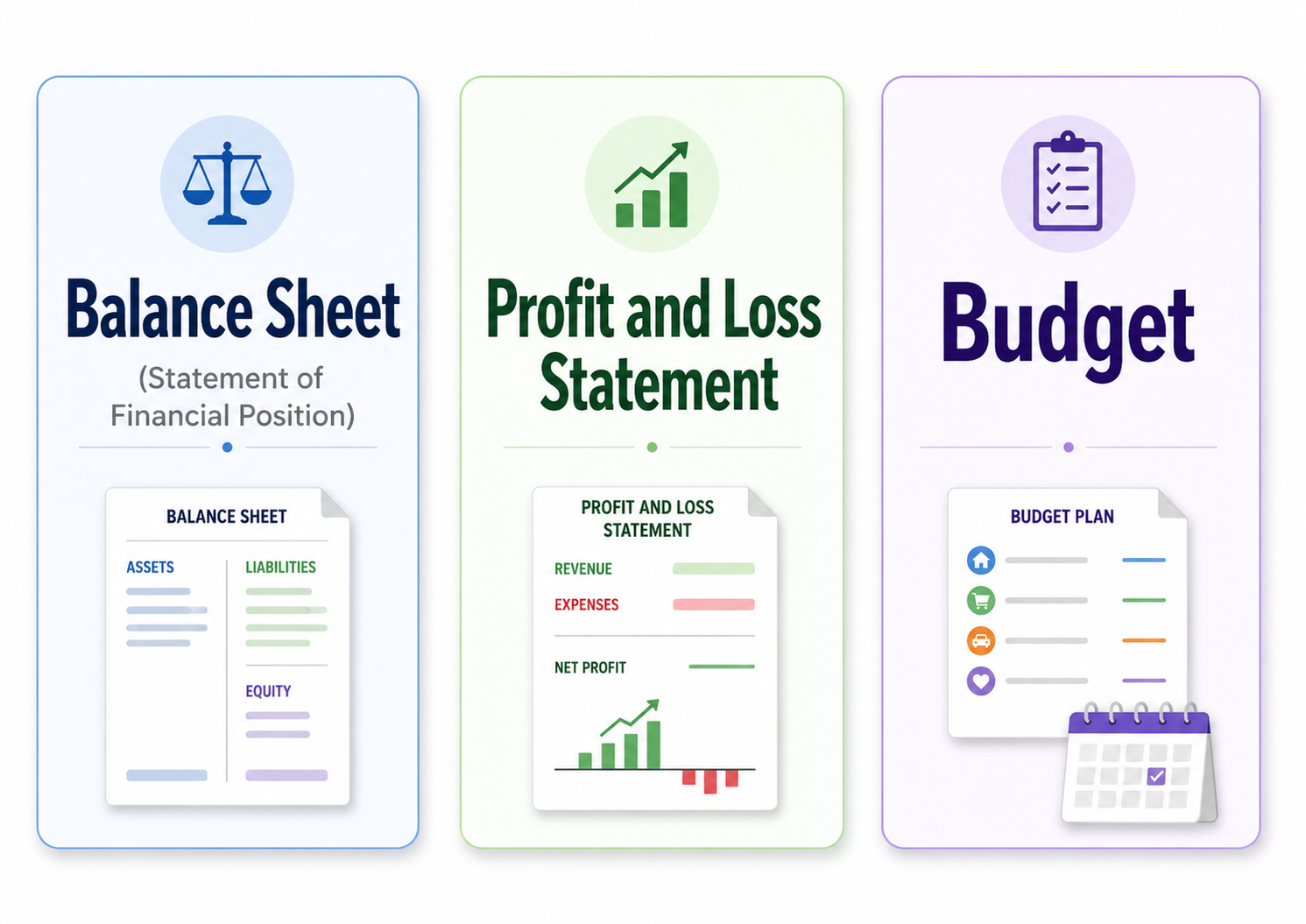
purpose and features of the following financial reports
- a budget
- a balance sheet (statement of financial position)
- a profit and loss statement
Dotpoint
17
function of key performance indicators (KPIs)

Dotpoint
18
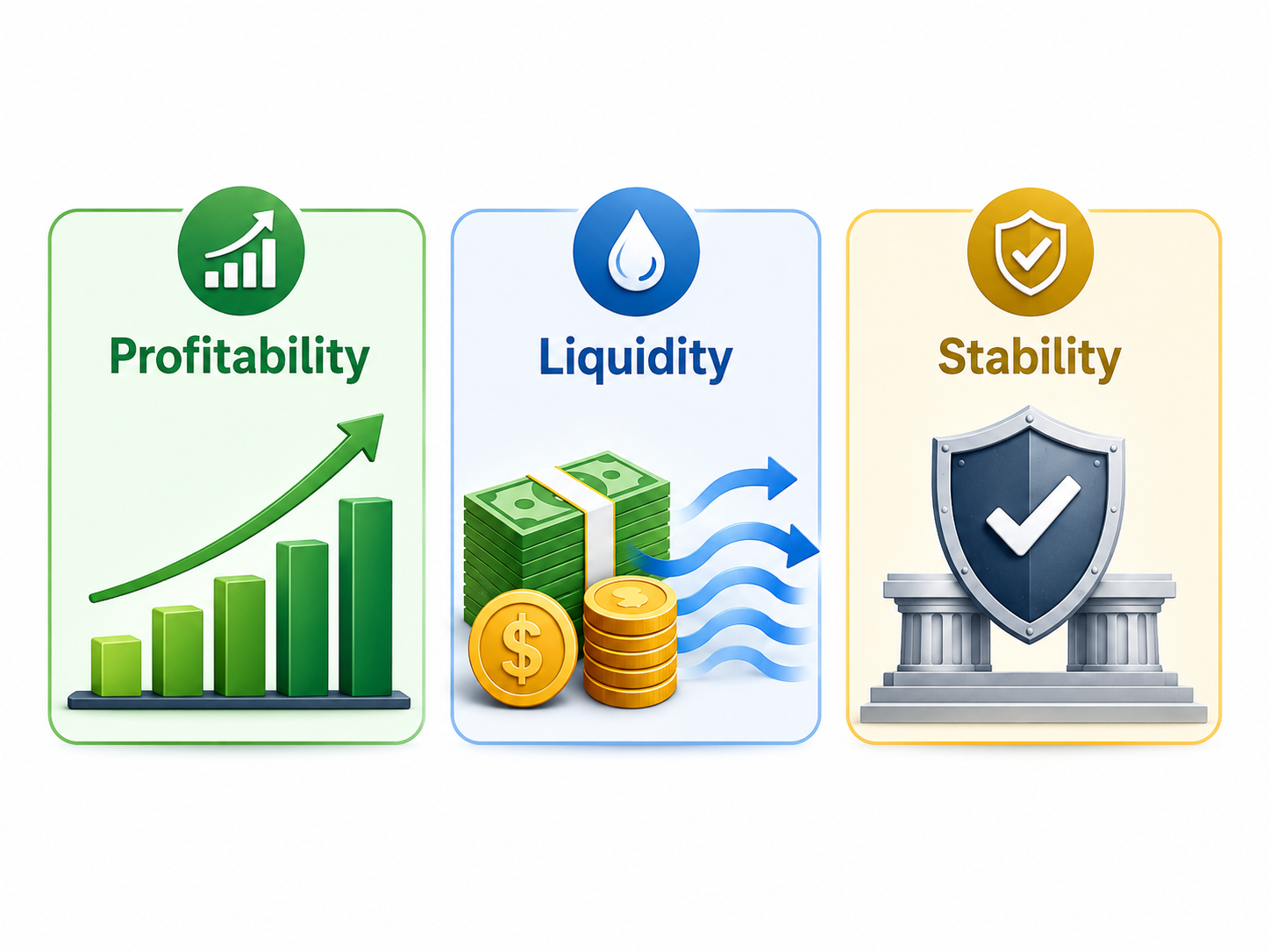
characteristics of the following financial indicators
- profitability
- liquidity
- stability
Dotpoint
19
characteristics of the following non-financial indicators
- quality
- customer satisfaction

People
5 dotpoints
Dotpoint
20
key features of the following leadership styles
- autocratic
- participative
- situational

Dotpoint
21
characteristics of the following motivation theories
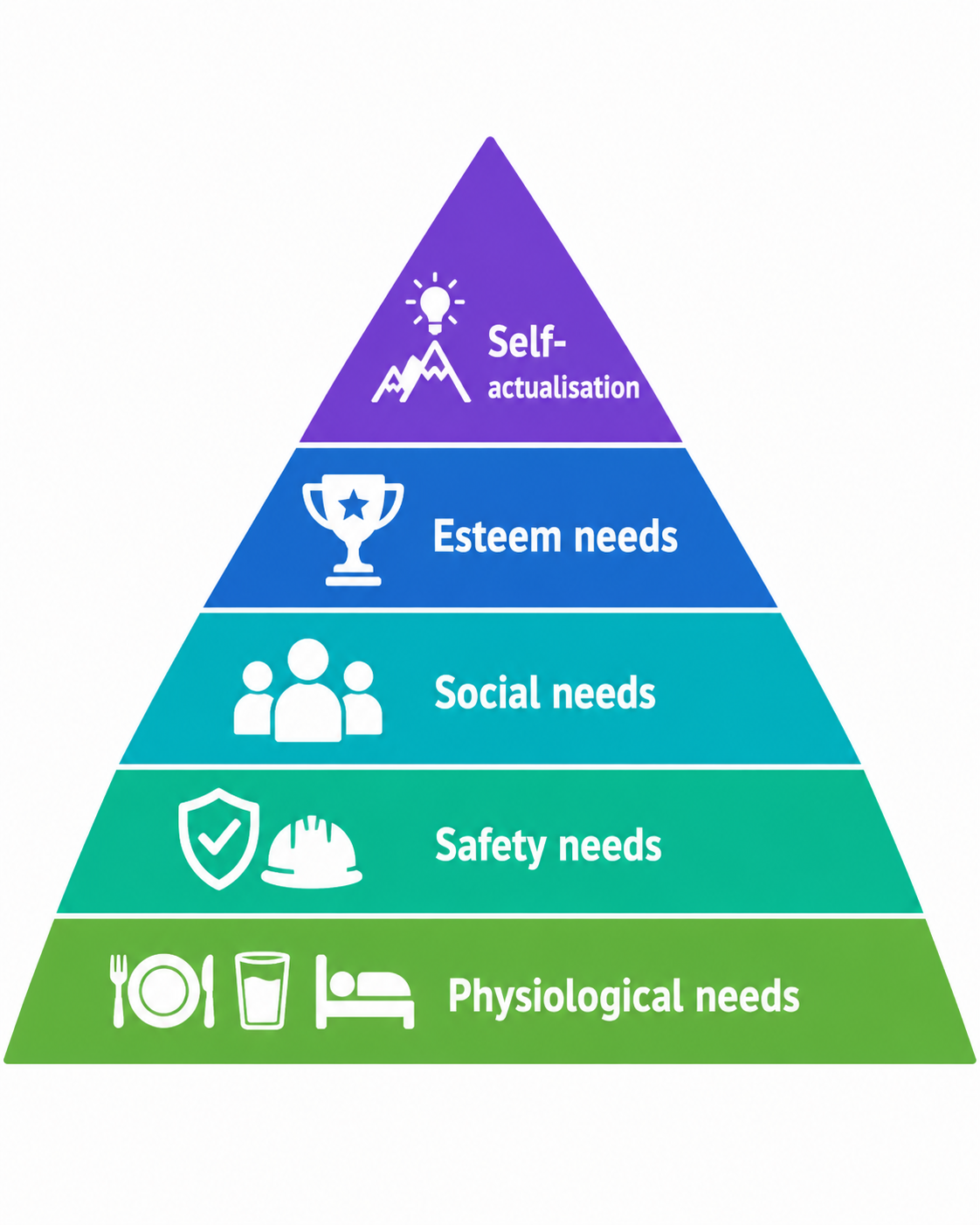
- Maslow’s Hierarchy of Needs
- Herzberg’s Motivation-Hygiene Theory
- Vroom’s Expectancy Theory
- Adams’ Equity Theory
Dotpoint
22
the concept of motivation in business
- methods of reward, benefits and penalties

Dotpoint
23
financial incentives for employees
- sales bonuses
- shares schemes

Dotpoint
24
non-financial incentives for employees
- skill improvement training
- recognition and reward